

Iceland’s political landscape was shaken when Ásthildur Lóa Thórsdóttir, the Minister for Children and Education, resigned following revelations about her past relationship with a teenage boy.
The revelation, reported by Iceland’s public broadcaster RUV, disclosed that Thórsdóttir had been in a relationship with a 15-year-old boy when she was 22, leading to the birth of a child. This news has sparked discussions on morality, legality, and ethics in Icelandic politics.
The controversy emerged when RUV reported that Thórsdóttir met the boy while serving as a counselor for a religious group. Their relationship, which began under these circumstances, was kept secret for years.
By the time Thórsdóttir was 23 and the boy was 16, she gave birth to their child. While Icelandic law states that the age of consent is 15, it also specifies that adults in positions of authority over minors under 18 are prohibited from engaging in relationships with them, a rule that carries significant legal consequences.
Legal and Ethical Questions Surrounding the Case
Despite the legal technicalities surrounding the case, the situation has raised significant ethical concerns. Icelandic law criminalizes sexual relations between adults and minors under 18 if the adult is entrusted with their care, which could lead to penalties of up to 12 years in prison.
However, Thórsdóttir denies that she held any authoritative role over the teenager at the time. Her spokesperson, Heimir Már Pétursson, claimed that the minister had no obligations toward the young man when they met and that the age of sexual consent at that time was 14, with legal independence reached at 16.
The father of the child, now an adult, told RUV that while he never considered himself a victim, he was in a vulnerable place in his life when the relationship started. Turning to the church group for support, he did not anticipate that it would lead to such an outcome.
He was present for the birth of his child and was initially allowed some contact, but that access was cut off before the child’s first birthday. Despite being denied visitation, he was required to pay child support for 18 years.
Read : Iceland’s Economy Boomed After Introducing Four-Day Workweek
The young father reportedly sought help from the Ministry of Justice and the church’s family services to gain visitation rights, but Thórsdóttir refused. This aspect of the case has fueled further controversy, as it suggests an imbalance of power in their dynamic.
The ethical implications of the situation have led to widespread debate, with critics questioning whether a person with such a past should have held a ministerial position focused on children’s welfare.
Political Fallout and Resignation
Following the public disclosure of the relationship, Thórsdóttir faced increasing pressure from political leaders and the media. She met with Iceland’s Prime Minister Kristrún Frostadóttir and other party leaders, where they discussed the matter in detail.
The prime minister stated that while the government had not completed its investigation, Thórsdóttir chose to resign voluntarily, taking responsibility for her actions. Her resignation, set to take effect on Sunday after formal approval by the President of Iceland, marks a significant development in Icelandic politics.
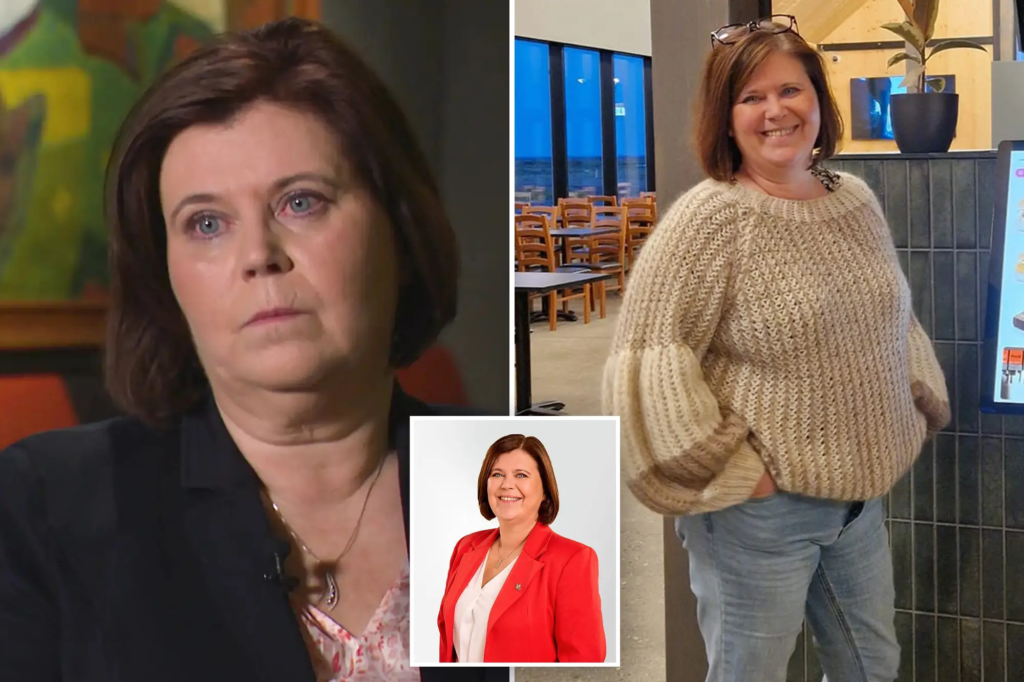
Despite stepping down from her ministerial role, Thórsdóttir will continue to serve as a member of parliament for the People’s Party. The party has defended her, with statements emphasizing that the relationship occurred decades ago and that she was not in a position of authority over the teenager.
Public reaction to the case has been mixed. While some argue that the controversy is being overblown due to the passage of time, others believe that the nature of the relationship and the ethical concerns surrounding it warranted Thórsdóttir’s resignation. The fact that she held a position overseeing children’s education and welfare made the revelations even more controversial.
The Broader Implications for Icelandic Society
This case has reignited discussions on power dynamics in relationships, the legal framework surrounding consent, and the responsibilities of public officials.
While the father of the child does not view himself as a victim, the circumstances of the relationship highlight broader concerns about how vulnerable individuals can be influenced by those in positions of perceived authority.
The debate extends beyond this specific case, touching on issues such as how society defines consent and power imbalances in relationships between adults and minors.
Iceland, like many other nations, has legal protections in place to prevent exploitation, but this case has raised questions about whether existing laws are sufficient to address complex situations such as this one.
Additionally, the controversy has drawn attention to the role of religious groups and counseling environments in shaping young people’s experiences.
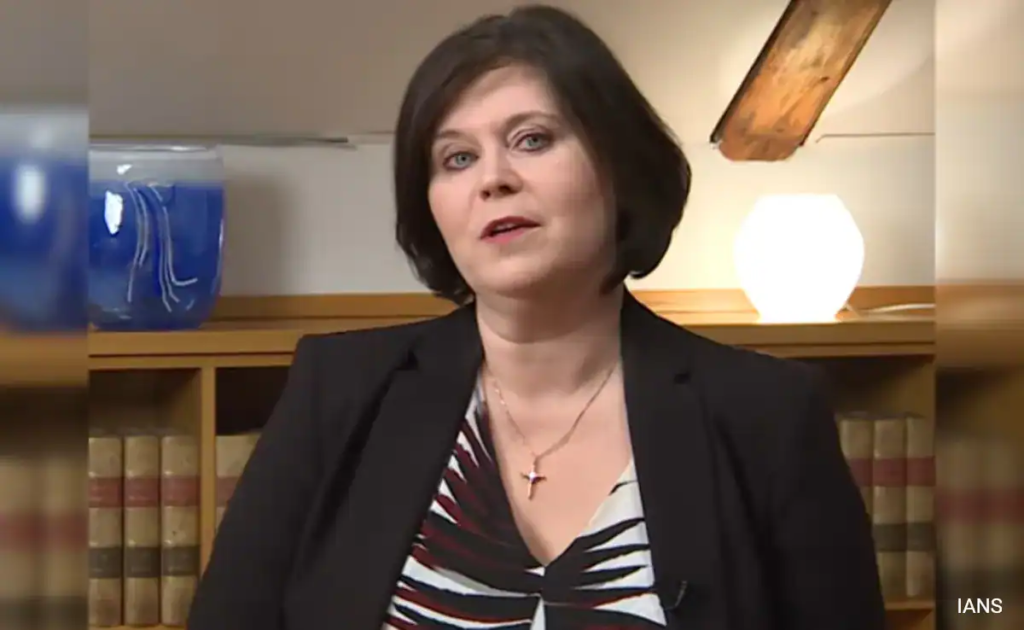
Some critics argue that more oversight is needed in such settings to prevent potential abuses of power. The case also highlights the challenges of addressing past relationships under today’s evolving ethical and legal standards.
Thórsdóttir’s resignation serves as a reminder that public figures are held to high standards, especially those responsible for overseeing the welfare of children and young people. Her case will likely continue to spark discussions in Iceland about the responsibilities of government officials and the long-term impact of past actions on political careers.
As Iceland moves forward from this controversy, it remains to be seen how the government will address similar ethical concerns in the future. The situation underscores the importance of transparency, accountability, and the need for clear legal frameworks to prevent abuses of power.
Thórsdóttir’s departure from her ministerial role marks the end of one chapter, but the broader debate on ethics and leadership in public office is far from over.