

The fatal shooting of 37-year-old intensive care nurse Alex Pretti by federal agents in Minneapolis has sparked widespread scrutiny, grief, and debate over the use of force by immigration authorities operating in U.S. cities. Pretti, an experienced ICU nurse employed at the Minneapolis Veterans Affairs hospital, was shot during an encounter involving federal agents amid heightened immigration enforcement efforts in the city.
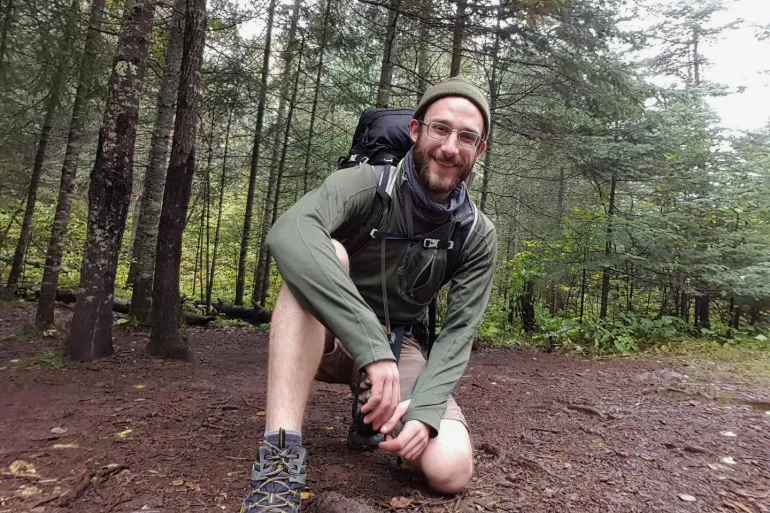
While the Department of Homeland Security has stated that the shooting occurred in self-defence, conflicting eyewitness accounts, video evidence, and statements from Pretti’s family have raised serious questions about the official version of events. Pretti was identified by his family as an avid outdoorsman, a devoted dog owner, and a healthcare professional deeply committed to caring for others.
His death has resonated across Minneapolis and beyond, particularly among medical professionals, civil liberties advocates, and those concerned about the expansion of federal enforcement actions in local communities. The case has become a focal point for broader discussions about accountability, transparency, and the boundaries of federal authority.
Events Leading to the Fatal Encounter
According to federal officials, the shooting occurred during an operation involving immigration enforcement agents in Minneapolis. The Department of Homeland Security stated that agents encountered Alex Pretti and alleged that he was armed with a handgun and resisted efforts to disarm him. DHS officials claimed that an agent discharged their weapon in self-defence after perceiving an immediate threat.
However, this account has been challenged by multiple sources. Videos recorded by bystanders and circulating publicly show a chaotic scene but do not clearly depict Pretti threatening agents with a weapon or using armed force. Eyewitnesses have described Pretti as appearing startled and confused during the encounter rather than aggressive. Some witnesses stated that he was quickly surrounded by agents and that events escalated within seconds.
Local officials have also acknowledged discrepancies between the federal account and what is visible in the footage. While investigations are ongoing, authorities have confirmed that video evidence is being reviewed as part of an internal inquiry. The existence of multiple recordings has intensified calls for an independent investigation to determine whether the use of lethal force was justified.
Pretti’s family has categorically disputed the claim that he posed a threat. In statements provided through legal representatives, they have said there is no evidence their son fired, pointed, or attempted to use a weapon against agents. They have emphasized that Alex Pretti had no known history of violence and was not involved in criminal activity at the time of his death.
Read : Fisherman in Greenland Caught a Bizarre Fish with Three Eyes
The shooting took place against a backdrop of heightened tension in Minneapolis following recent federal immigration operations. Earlier this month, another fatal shooting involving an Immigration and Customs Enforcement agent had already drawn protests and criticism. Pretti is understood to have attended demonstrations in response to that earlier incident, which further contextualizes the charged atmosphere in which the fatal encounter occurred.
Who Alex Pretti Was Beyond the Headlines
Alex Pretti’s death has prompted an outpouring of tributes from colleagues, friends, and members of the community who knew him primarily as a caregiver rather than a political figure. As an ICU nurse at the Minneapolis VA hospital, Pretti worked with critically ill patients, many of them military veterans, in one of the most demanding areas of healthcare. Colleagues described him as calm under pressure, attentive to patients’ needs, and deeply committed to his profession.
Family members said Pretti took pride in his work and viewed nursing as both a career and a calling. His experience in intensive care had shaped his worldview, reinforcing a belief in protecting vulnerable people and advocating for humane treatment. Those close to him said these values influenced his growing concern over immigration policies and enforcement practices that he believed caused unnecessary harm.

Outside of work, Pretti was known for his love of the outdoors. He spent much of his free time mountain biking, hiking, and exploring natural areas with his dog. His mother, Susan Pretti, said her son cared deeply about environmental protection and was troubled by what he viewed as the rollback of environmental regulations under the current administration. She described him as someone who loved the country while simultaneously feeling frustrated by political decisions that, in his view, damaged the land and divided communities.
According to his family, Pretti’s participation in protests stemmed from a sense of civic responsibility rather than extremism. They said he believed in peaceful expression and civic engagement as tools for change. Friends echoed this portrayal, describing Pretti as thoughtful and principled rather than confrontational. Many expressed disbelief that he could be portrayed as a violent threat, emphasizing that his professional life was dedicated to saving lives.
Public Response, Investigations, and Broader Implications
The killing of Alex Pretti has drawn national attention and intensified scrutiny of federal law enforcement practices, particularly those involving immigration agencies operating in civilian settings. Protests have been held in Minneapolis calling for accountability, transparency, and a reassessment of federal enforcement tactics. Demonstrators have cited Pretti’s profession and background as emblematic of concerns that ordinary citizens can be caught in deadly encounters with heavily armed agents.
Civil rights organizations and legal experts have raised questions about the rules of engagement governing such operations and the adequacy of oversight mechanisms. They have called for the release of all body camera footage, dispatch records, and internal communications related to the incident. Some groups have urged the appointment of an independent prosecutor or federal monitor to ensure impartiality in the investigation.
The Department of Homeland Security has stated that it is cooperating with reviews of the shooting and has emphasized that agents are trained to respond to perceived threats in high-risk situations. DHS officials have also cautioned against drawing conclusions before investigations are complete. Nevertheless, the conflicting accounts have fueled public skepticism and demands for greater clarity.
Political leaders at the local and national levels have responded with calls for calm while acknowledging the seriousness of the allegations. Some have emphasized the need to balance officer safety with the protection of civil liberties, while others have argued that the incident underscores systemic problems in federal enforcement strategies. Within the healthcare community, Pretti’s death has resonated deeply. Nurses and medical professionals have highlighted the irony that someone dedicated to saving lives could lose his own in a disputed encounter with authorities.
Several professional organizations have issued statements expressing condolences to Pretti’s family and urging a thorough and transparent investigation. As the inquiry continues, the case of Alex Pretti remains a flashpoint in ongoing debates over immigration enforcement, use of force, and accountability. For his family, colleagues, and those who knew him personally, the focus remains on remembering a man they describe as compassionate, principled, and devoted to both his profession and his values.