
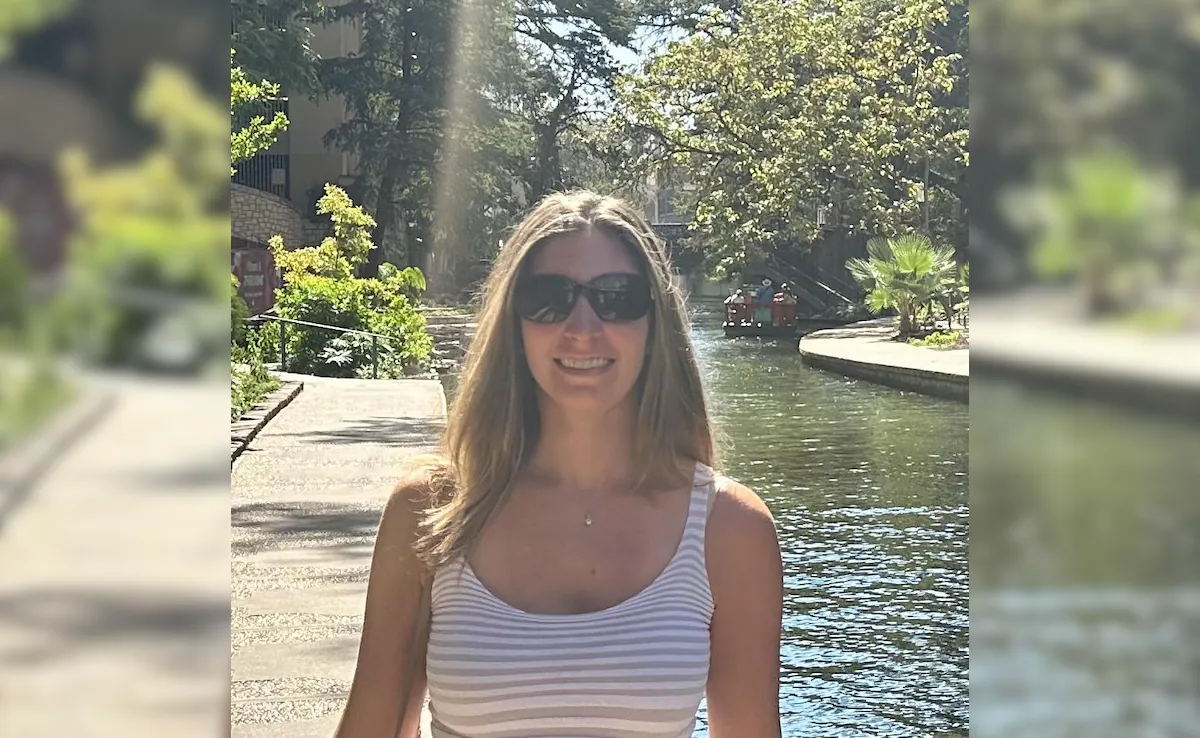
Nicole Micheroni, a 40-year-old U.S.-born immigration attorney from Massachusetts, received a startling email from the Department of Homeland Security (DHS) ordering her to “self-deport” within seven days. The incident, which DHS later attributed to an administrative error, has raised alarms about the carelessness of the Trump administration’s immigration enforcement tactics.
The Shocking Email
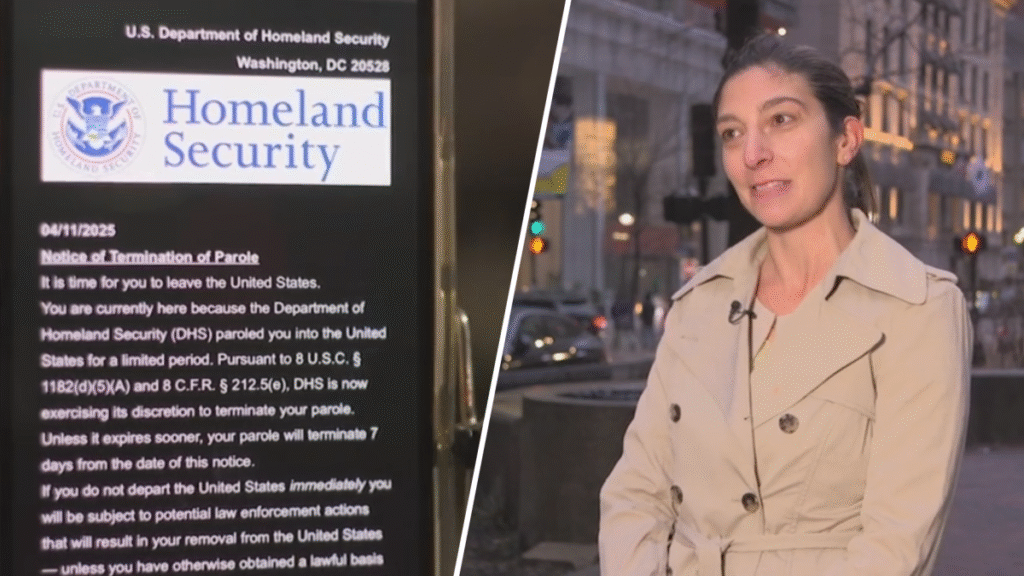
On April 11, 2025, Nicole Micheroni, a partner at Cameron, Micheroni & Silvia in Boston, opened an email titled “Notification of Termination of Parole.” The message stated, “It is time for you to leave the United States,” warning that her “parole” had been terminated and she must depart immediately or face law enforcement action.
The email’s threatening tone, including the line, “Do not attempt to remain in the United States—the federal government will find you,” initially confused Micheroni, who thought it was meant for a client. “It took me a couple of minutes to realize it was sent to me,” she told The Boston Globe.
Micheroni, born in Newton and raised in Sharon, Massachusetts, is a U.S. citizen with no immigration status requiring parole. A graduate of Wellesley College and Temple University’s Beasley School of Law, she has practiced immigration law for 12 years, specializing in asylum and visa cases.
Her firm frequently handles deportation issues, making her familiar with DHS communications. The email’s lack of a client name or case number and its “sketchy spam” appearance heightened her suspicion. “It doesn’t look like an official government notice, but it is,” she told NBC News.
Read : Who is Kilmar Abrego Garcia Wrongfully Deported to El Salvador?
The email was part of a broader wave of parole termination notices sent by U.S. Customs and Border Protection (CBP) targeting migrants who entered via the Biden-era CBP One app, which allowed asylum seekers to schedule border appointments.
Read : What is Xenophobia and How It’s Stalling the Economy of India, China, and Japan
The Trump administration, which shut down the app in January 2025, has moved to cancel parole for over 900,000 individuals, urging them to self-deport. Micheroni’s email, however, was a mistake, likely sent because her contact information appeared on client paperwork.
DHS’s Explanation
A senior DHS official explained that CBP used email addresses listed on immigration forms to send notifications, and if a non-personal email, such as an attorney’s, was provided, notices could reach unintended recipients. “CBP is monitoring communications and will address any issues on a case-by-case basis,” the official told NBC10 Boston.
This error wasn’t isolated—Micheroni noted other immigration attorneys, including Boston lawyer Carmen Bello, received similar emails. Bello criticized DHS, saying, “They’re not even checking if it’s the attorney’s email or the applicant’s email.”
Micheroni, while not personally alarmed due to her citizenship, expressed concern about the process’s recklessness. “I think it’s really scary this is going on. They’re not being careful,” she told MSNBC. She highlighted the potential impact on immigrants who might receive such emails and, lacking legal knowledge, assume they must leave.
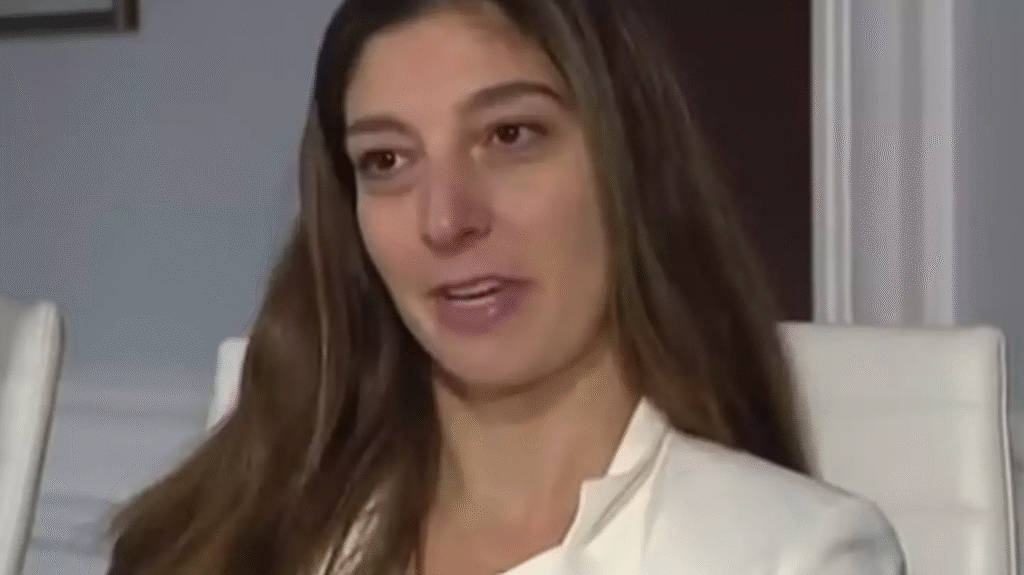
“A lot of people within their rights to stay here are being told to leave, and they don’t know the difference,” she told WCVB. The threatening language, she argued, seemed designed to intimidate, possibly as a “scare tactic” to push undocumented migrants out.
The error stemmed from the Trump administration’s aggressive immigration crackdown, which includes ending humanitarian parole for over 500,000 Cubans, Haitians, Nicaraguans, and Venezuelans granted under Biden.
Sarah Sherman-Stokes, associate director of the Immigrants’ Rights and Human Trafficking Clinic at Boston University, told The Boston Globe that the notices targeted CBP One users who followed legal entry protocols, only to face termination of their status after sharing personal information with the government.
Public and Legal Reaction
Micheroni shared the email on Bluesky, posting, “Some personal news: the Department of Homeland Security has given me, an immigration lawyer born in Newton, Massachusetts, seven days to leave the U.S. Does anyone know if you can get Italian citizenship through great-grandparents?”
The post, laced with sarcasm, went viral, drawing thousands of responses globally. On X, users expressed outrage and concern, with one writing, “How many other citizens have gotten this? Clueless in Washington.” Another called it “Trump’s fearmongering,” highlighting the email’s chilling effect.
The incident fueled criticism of DHS’s competence. Micheroni used her platform to educate, explaining that parole revocation isn’t a deportation order and urging recipients to consult lawyers.
“Anyone who has received this may still have options & should talk to an immigration lawyer NOW,” she wrote on Bluesky. Her firm reported calls from U.S. citizens afraid to travel, permanent residents, and visa holders worried about the immigration crackdown’s scope. “Everybody is just really worried,” she told WCVB.
Legal experts condemned the error as symptomatic of broader issues. Sherman-Stokes called the email campaign a “steamrolling” of deportation plans, noting its impact on legal migrants.
Micheroni, who once helped an MIT janitor from El Salvador avoid deportation, told The Globe the notices were “meant to be an intimidation tactic.” The lack of client-specific details in the emails raised fears of widespread errors, with Micheroni questioning how many others received mistaken notices.
Micheroni chose not to contact DHS, treating the email as a bureaucratic blunder. As of April 15, 2025, she had heard nothing further from the agency. However, the incident sparked calls for accountability, with some on X demanding DHS overhaul its notification process.
One user wrote, “This is what global teamwork looks like. Saved a girl’s life.”, mistakenly referencing another case but reflecting broader frustration with immigration enforcement.
Broader Implications
The error exposes flaws in DHS’s mass deportation strategy, particularly its reliance on automated email notifications without rigorous checks. The CBP One app, replaced by “CBP Home” under Trump, was criticized by Micheroni for lacking a field for attorneys’ contact details, leading to mix-ups. The incident also highlights the fear gripping immigrant communities, with Harvard international students rallying over visa cancellation concerns.
Micheroni’s case resonates with other recent immigration errors, like the wrongful deportation of Kilmar Abrego Garcia to El Salvador. Such incidents underscore the risks of hasty enforcement, especially when targeting vulnerable populations.
The threatening email language, described as “spammy” yet official, has fueled accusations of deliberate intimidation. Micheroni’s experience, while resolved as an error, amplifies concerns about DHS’s precision and the chilling effect on both citizens and immigrants.