
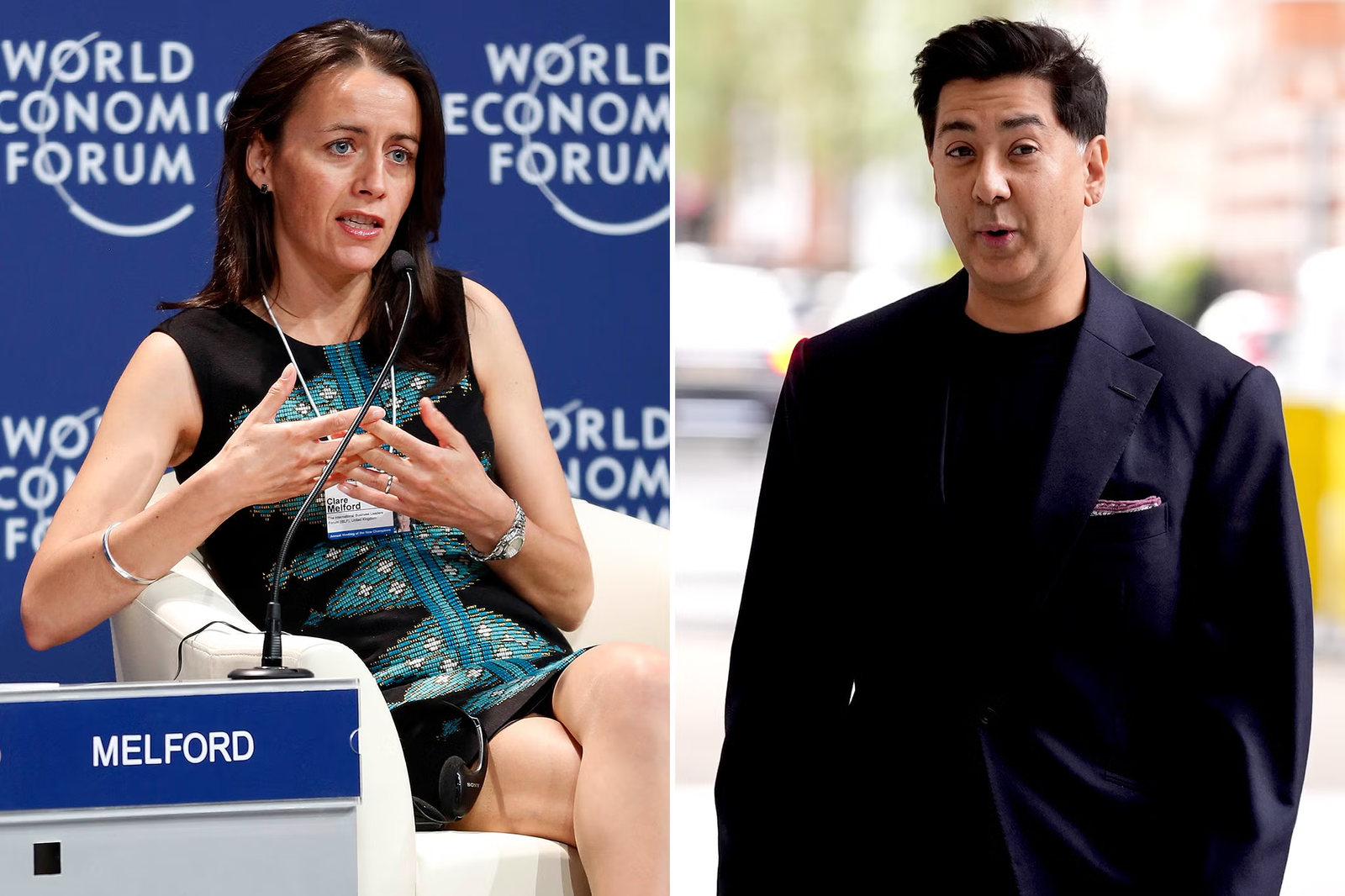
The decision by the Trump administration to deny entry to two prominent British figures involved in countering online misinformation and hate speech has intensified an already volatile transatlantic debate over free speech, digital regulation, and the power of governments to influence online platforms.
Imran Ahmed, head of the Centre for Countering Digital Hate, and Clare Melford, chief executive of the Global Disinformation Index, were among several Europeans barred from entering the United States after being accused by Washington of orchestrating campaigns to pressure American technology companies into censoring or suppressing viewpoints.
US officials framed the move as a defence of free expression, while critics across Europe characterised it as an unprecedented escalation that risks conflating advocacy for regulation with censorship itself. At the centre of this controversy are two individuals whose professional work has placed them at the intersection of politics, technology, and democratic norms, and whose careers illuminate the broader struggle over how societies should confront harmful online content without undermining free speech.
Imran Ahmed And The Centre For Countering Digital Hate
Imran Ahmed has emerged over the past decade as one of the most recognisable advocates for stronger oversight of social media platforms in the United Kingdom and beyond. A former adviser to Labour minister Hilary Benn, Ahmed moved from party politics into the field of digital policy by founding the Centre for Countering Digital Hate, commonly known as CCDH. The organisation positions itself as a research and advocacy body focused on exposing and countering online hate, disinformation, and harmful narratives that it argues undermine public health, democratic institutions, and social cohesion.
CCDH has gained attention for its reports analysing the spread of extremist content, conspiracy theories, and misinformation on major platforms such as Facebook, X, YouTube, and TikTok. Imran Ahmed’s work has often involved compiling data intended to demonstrate how algorithms amplify inflammatory material and how certain accounts or networks profit from engagement-driven systems. These findings have been used to argue for tighter regulation, advertiser pressure, and platform accountability.
In the UK, Imran Ahmed has regularly given evidence before parliamentary committees, presenting himself as a technocratic advocate for reforms designed to curb online harms rather than as a partisan actor. His testimony to MPs on social media algorithms and harmful content has been cited by supporters as evidence of his role in shaping policy debates rather than enforcing speech controls.
However, critics, particularly in the United States, have portrayed Imran Ahmed and CCDH as part of a broader ecosystem of activist organisations that seek to influence corporate and regulatory behaviour by encouraging advertisers, payment processors, and platforms to withdraw support from individuals or outlets deemed to be spreading misinformation or hate.
IMRAN AHMED: DICKHEAD CLAIM? – ALL TRUE
— Pete Sanford (@realpetesanford) December 25, 2025
Imran Ahmed is the CEO of the Center for Countering Digital Hate, an Organisation committed to Removing YOUR RIGHTS to:
Freedom of Expression
Freedom of Speech
Freedom of Assembly
Freedom of Thought
Mr Ahmed will be at the Front of Ai… pic.twitter.com/csvLSrrzdR
The Trump administration has accused Imran Ahmed of leading organised efforts to coerce American companies into demonetising or suppressing viewpoints they oppose, framing such actions as indirect censorship carried out through economic pressure rather than formal legal bans. US officials have also highlighted Ahmed’s political background and his connections to senior figures in the UK Labour Party, including the fact that Sir Keir Starmer’s chief of staff, Morgan McSweeney, previously served as a director at CCDH, as evidence that his work is politically motivated.
Compounding the impact of the visa ban is the practical consequence for Ahmed himself. He is reportedly based in Washington, where CCDH maintains an office, meaning the decision not only prevents future travel but may also force his departure from the country. Supporters argue that this underscores the severity of the US action, suggesting it goes beyond symbolic disapproval and into the realm of punitive foreign policy measures. To them, barring an individual for advocating regulation represents a troubling signal that dissenting views on digital governance can be treated as threats to national interests.
Clare Melford And The Global Disinformation Index
Clare Melford’s profile is lower than Imran Ahmed’s in public political debates, but her role in shaping how disinformation is measured and understood has been influential, particularly among policymakers, advertisers, and civil society groups. As chief executive of the Global Disinformation Index, Melford oversees an organisation that produces assessments of the risk posed by online news outlets in terms of disinformation. GDI’s work typically involves analysing content and assigning risk ratings that are intended to inform advertisers, brands, and platforms about where their money may be funding unreliable or harmful narratives.
The stated aim of GDI is not to remove content directly but to reduce the financial incentives that sustain disinformation ecosystems. By advising advertisers to avoid placing ads on sites that score poorly on credibility and transparency metrics, GDI argues it can weaken the economic foundations of false or misleading information without relying on state censorship. This approach has attracted support from some governments and institutions that see market-based solutions as a way to address online harms while respecting freedom of expression.
In the United States, however, GDI’s methodology and influence have drawn fierce criticism from conservative politicians and commentators who argue that its ratings disproportionately target right-leaning outlets and effectively blacklist certain viewpoints from the advertising market. From this perspective, Melford’s work is seen not as neutral risk assessment but as ideological gatekeeping that shapes which voices can sustainably operate online. The Trump administration’s decision to deny Melford a visa reflects this interpretation, with officials asserting that GDI has participated in efforts to suppress American viewpoints by steering advertisers away from disfavoured publishers.
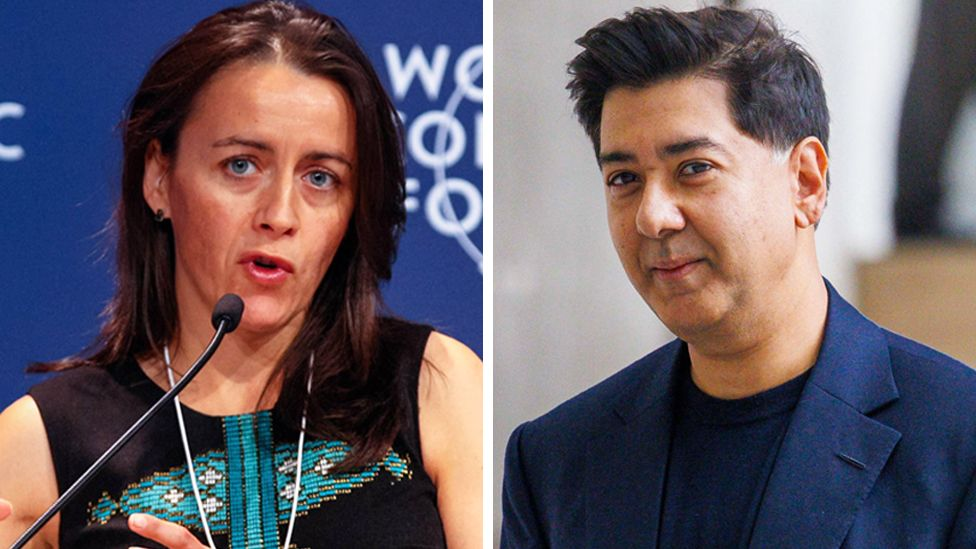
GDI has rejected these claims, describing the visa sanctions as an authoritarian attack on free speech and an egregious act of government censorship. Supporters of Melford argue that equating disinformation risk analysis with censorship misunderstands the distinction between government-imposed speech restrictions and independent assessments used by private actors. They note that advertisers have long exercised discretion over where their brands appear and that providing data to inform those choices does not amount to coercion.
The controversy surrounding Melford highlights a deeper disagreement over the legitimacy of non-governmental influence in the digital sphere. While US officials portray GDI as weaponising economic pressure against political speech, European defenders see its work as part of a necessary toolkit to counter coordinated disinformation campaigns, including those linked to foreign interference. The clash illustrates how differing legal traditions and cultural attitudes toward speech regulation can lead to sharply divergent interpretations of the same actions.
The Broader Transatlantic Free Speech And Regulation Conflict
The barring of Ahmed and Melford cannot be understood in isolation from the wider confrontation between the United States and Europe over the governance of online platforms. At the heart of this dispute lies the European Union’s Digital Services Act, a sweeping regulatory framework designed to compel technology companies to address illegal content, misinformation, and systemic risks posed by their services.
Read : Clovis Unified Theater Educator Geoffrey Bernardi Dies Following Brutal Canal Bank Beating
While European leaders argue that the DSA simply extends offline legal standards into the digital realm, US officials aligned with the Trump administration have characterised it as an overreach that threatens free expression and imposes heavy compliance costs on American firms. Washington’s opposition has reportedly extended beyond rhetoric, with US diplomats instructed to build resistance to the DSA among allies and partners.

The visa bans appear to mark a new phase in this campaign, signalling a willingness to target not only regulations themselves but also individuals associated with their intellectual and advocacy foundations. By including figures such as former European commissioner Thierry Breton and representatives of German nonprofit organisations alongside Ahmed and Melford, the US action suggests a broad definition of what constitutes an unacceptable threat to American free speech interests.
European reactions have been swift and critical. Leaders and officials have framed the bans as intimidation designed to undermine European digital sovereignty and to deter regulators and advocates from challenging the dominance of US-based technology companies. Statements from France, Germany, and the European Commission have emphasised that freedom of expression is a shared democratic value, while rejecting the notion that regulating harmful content equates to censorship.
In the UK, the government sought to strike a careful balance, reaffirming its commitment to free speech while defending laws and institutions aimed at preventing the spread of child abuse material, incitement to violence, and deliberate disinformation. The controversy has also reignited domestic debates within both Europe and the United States about where the line should be drawn between protecting speech and preventing harm. Critics of the visa bans argue that barring individuals for advocating policy positions undermines the very free speech principles the US claims to defend.
Supporters of the administration counter that foreign actors should not be permitted to influence American discourse or corporate practices in ways that restrict lawful expression, even indirectly. For Imran Ahmed and Melford, the episode has transformed them from policy advocates into symbols of a larger ideological struggle. Their work, rooted in research, advocacy, and engagement with institutions, now sits at the centre of a geopolitical dispute over the future of the internet.
Whether the bans will deter further cooperation between US and European actors on digital regulation, or instead harden positions on both sides, remains uncertain. What is clear is that the case has exposed deep fractures in how democracies interpret free speech in the age of global platforms, and how far governments are willing to go to defend their preferred vision of an open, or regulated, digital public square.
Сильно актуальная тема, совсем в последнее время
штудировал материалы по ней.
casino app 2025 sicher
References:
https://online-spielhallen.de/frumzi-casino-cashback-holen-sie-sich-ihre-verluste-zuruck/
Regular use of advil and naproxen sodium can increase the threat of
blood loss.
These need to satisfy rigorous requirements, such as identity confirmation and
file integrity.
Specific peptides have been examined for their ability to improve immunity
by stimulating T cells.
Just tried out 888wincomlogin and I am very happy. The bonus offers are insane. I deposited some money and now I have triple. This will be a great week. Follow the link and create an account! 888wincomlogin