
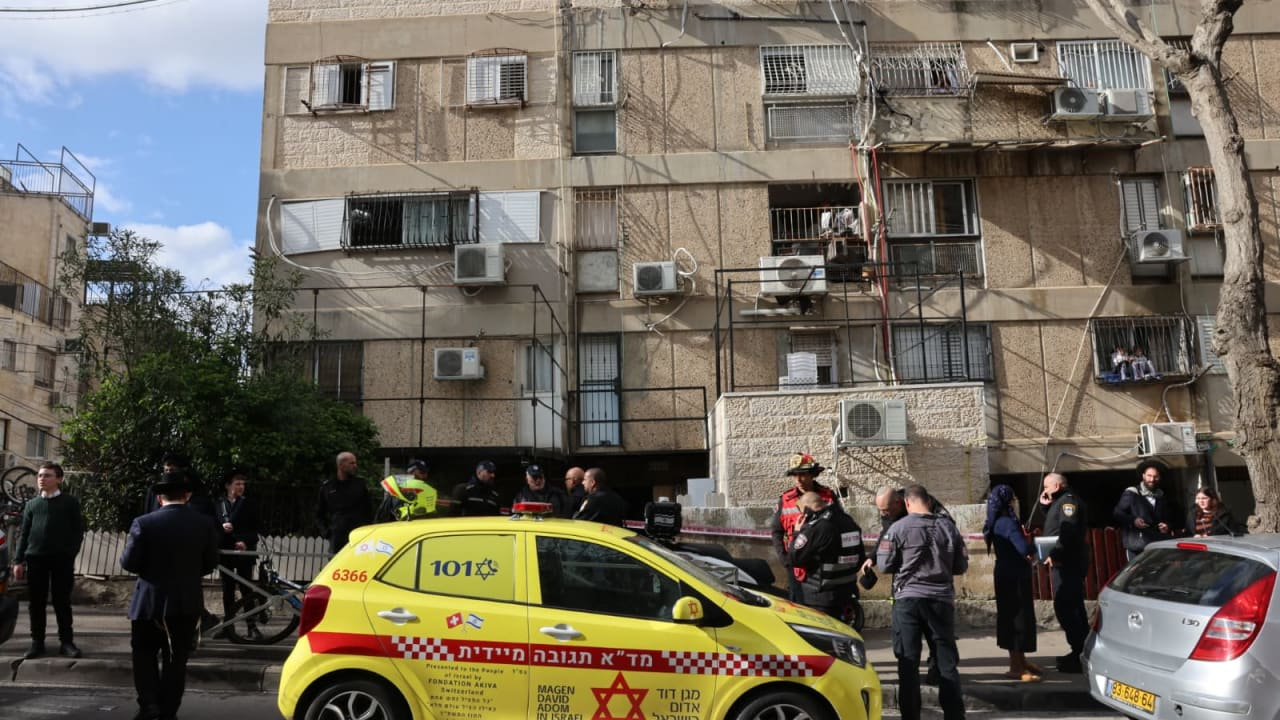
The deaths of two infants and the hospitalization of more than 50 other babies and toddlers have shocked Israel and raised urgent questions about safety, oversight, and enforcement in the country’s childcare system. The incident occurred at an unlicensed private daycare centre operating out of an apartment building in the ultra-Orthodox neighbourhood of Romema in West Jerusalem.
What began as an emergency call about two unconscious babies quickly escalated into a mass-casualty response involving paramedics, ambulances, fire and rescue teams, and police investigators. By the end of the day, two families were mourning the loss of their children, dozens of others were anxiously waiting for updates from hospital wards, and authorities were under mounting pressure to explain how such a tragedy could happen in a facility that was operating illegally and without formal supervision.
The infants who died were approximately three and six months old. Despite prolonged resuscitation efforts by paramedics and hospital staff, both were pronounced dead shortly after arrival at separate medical centres. While initial speculation pointed to the possibility of toxic gas or a heating malfunction, officials later said no hazardous substances had been detected at the scene.
Investigators have not yet publicly identified the cause of the illnesses, leaving families, residents, and the wider public searching for answers. As forensic experts continue their work, the case has reignited debate about unlicensed childcare centres, particularly in densely populated neighbourhoods where demand for infant care often outstrips the availability of regulated facilities.
Emergency Response and Conditions at the Daycare
The emergency unfolded on Monday afternoon when Israel’s national ambulance service, Magen David Adom, received a report of two unconscious babies at a daycare centre in West Jerusalem. Paramedics arrived to find a chaotic scene. Two infants were unresponsive and required immediate advanced life-support measures. Despite attempts to revive them on site, both were rushed to hospital along with dozens of other children who had reportedly fallen ill.
In total, 55 babies and toddlers were evacuated to various hospitals across Jerusalem for medical examinations and treatment. Some were admitted for observation, while others required more intensive care. Hospital officials said many of the children showed signs of illness, though the specific symptoms have not been publicly detailed. Doctors emphasized that, at least in the initial stages, their priority was stabilizing the children and ruling out immediate life-threatening causes.
Witness accounts painted a distressing picture of the conditions inside the daycare. First responders were quoted by local media as saying the facility was overcrowded. One widely circulated image appeared to show an infant sleeping on the floor of a bathroom, raising serious concerns about hygiene, supervision, and basic safety standards. Residents described seeing emergency personnel carrying children out of the building as distraught parents gathered outside, trying to locate their sons and daughters amid the confusion.
Zalmi Neufeld, a resident of the Romema neighbourhood, told the AFP news agency that the scene was overwhelming. He said he saw emergency teams pulling children from the building and described parents crying as children cried around them. “It was like a war zone,” he said, a comment that reflected both the scale of the response and the emotional toll on those who witnessed it.
🚨 BREAKING:
— Jvnior (@Jvnior) January 19, 2026
Dozens of babies 'POISONED' in Israeli daycare due to lack of care by jewish caretakers.
2 children DEAD, 55 are in critical condition after a 'gas leak' at an unlicensed nursery in Jerusalem.
They even found children stuffed under toilets. pic.twitter.com/IJystDwD69
Initial media reports suggested that a toxic gas leak from the heating system might have been responsible for the children’s illnesses. Such speculation intensified fears, especially given the number of children affected. However, Israel’s Fire and Rescue Authority later stated that no hazardous or toxic substances had been detected at the site. This clarification ruled out one possible explanation but left open many others, including overcrowding, poor ventilation, or exposure to an as-yet-unidentified factor.
The lack of immediate clarity has complicated the public response. While authorities have urged patience, families have demanded swift and transparent answers. For many parents, the fact that the daycare was operating without a licence has intensified feelings of anger and betrayal, particularly if they believed their children were being cared for in a safe environment.
Investigation, Detentions, and Official Statements
Israeli police quickly launched an investigation into the incident, emphasizing the seriousness with which it is being treated. In a statement, police said forensic experts were “conducting all necessary investigative measures to locate evidence and clarify the circumstances that led to the injuries of the infants.” As part of the initial inquiry, three caregivers who were present at the daycare at the time of the incident were detained for questioning.
The detentions do not necessarily imply criminal charges, but they indicate that investigators are examining whether negligence, unsafe practices, or violations of the law contributed to the children’s illnesses and deaths. Police have not released details about the caregivers’ roles, qualifications, or prior experience, nor have they confirmed whether the daycare had previously been reported to authorities.
The private nursery was reportedly located in a residential apartment building in Romema, a neighbourhood known for its large ultra-Orthodox Jewish population and high birth rate. In such areas, informal or private childcare arrangements are sometimes used to meet demand, particularly for very young infants. However, operating without a licence places such facilities outside the framework of government oversight, inspections, and enforcement of safety standards.

Medical officials have been cautious in their public comments. The director of emergency medicine at Shaare Zedek Medical Centre said the three-month-old infant who died there had been brought in after undergoing advanced resuscitation efforts. Despite the hospital staff’s attempts, the baby could not be saved. “At this stage, we still do not know exactly what the circumstances of the incident are,” Dr Gal Pachys said, underscoring the uncertainty that remains at the heart of the case.
Hospitals involved in treating the children have not specified the cause of death or illness, citing the ongoing investigation and the need for thorough forensic and medical analysis. Autopsies and toxicology tests may be required before definitive conclusions can be drawn, a process that can take days or weeks.
Education Minister Yoav Kisch addressed the incident in stark terms, linking the tragedy directly to the daycare’s unlicensed status. “Helpless infants lost their lives in a private facility that operated without a licence and without oversight, in violation of the law,” he said. His comments reflected a broader official stance that unregulated childcare centres pose a serious risk to children’s safety.
Kisch announced that he had instructed his ministry, along with other relevant authorities, to formulate a plan to shut down unlicensed daycare centres in the wake of what he described as a “tragic incident.” While he did not provide details of the proposed measures, the statement suggested a renewed focus on enforcement and inter-agency cooperation.
Broader Implications for Childcare Oversight in Israel
Beyond the immediate investigation, the deaths of the two infants have sparked a wider debate about childcare regulation, enforcement, and parental awareness in Israel. The country has a complex childcare landscape, with licensed centres operating alongside private arrangements, family-based care, and informal nurseries. While licensed facilities are subject to inspections and must meet specific standards for space, staffing, hygiene, and safety, unlicensed centres often operate with little to no oversight.
In neighbourhoods with high demand for infant care, parents may turn to private or unlicensed options out of necessity, sometimes unaware of the legal status of the facility or the risks involved. In other cases, parents may be aware that a centre is unlicensed but feel they have few alternatives. This dynamic has long posed challenges for regulators, who must balance enforcement with the realities of supply and demand.
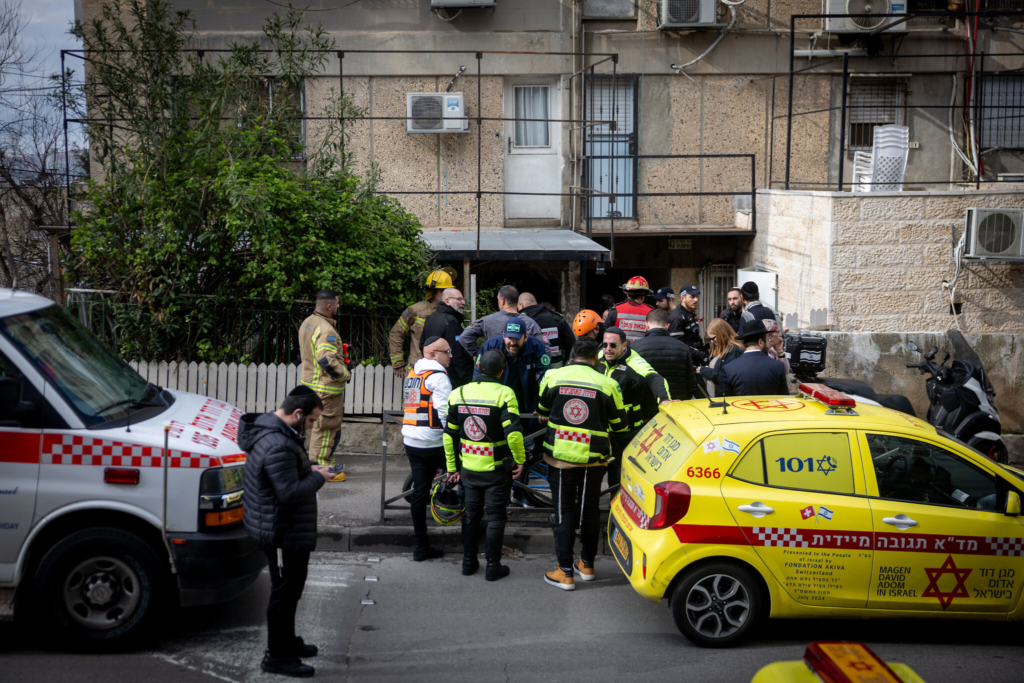
The Romema incident has highlighted the potential consequences of regulatory gaps. Overcrowding, inadequate facilities, and insufficient supervision can all increase the risk of accidents, illness, or worse, particularly for very young children. Infants, especially those under six months old, are highly vulnerable to environmental hazards, infections, and respiratory issues, making strict safety standards essential.
Public reaction to the tragedy has included calls for tougher penalties for operators of illegal childcare centres, greater public awareness campaigns to help parents identify licensed facilities, and expanded access to regulated childcare, particularly in underserved communities. Some advocates have argued that enforcement alone is not enough and that the government must also invest in expanding affordable, licensed daycare options to reduce reliance on informal arrangements.
At the same time, legal questions loom over the case. Depending on the findings of the investigation, those responsible for operating the daycare could face charges ranging from negligence to more serious offences if criminal wrongdoing is established. Civil lawsuits by affected families are also a possibility, particularly given the loss of life and the number of children hospitalized.
For the families directly affected, policy debates offer little comfort in the immediate aftermath. Parents who rushed to hospitals on Monday afternoon did so in fear and confusion, uncertain whether their children would survive or what long-term effects they might face. For the families of the two infants who died, the loss is immeasurable, and answers may take time to emerge.
As investigators continue to piece together what happened inside the apartment-turned-daycare in Romema, the case stands as a stark reminder of the stakes involved in childcare regulation. The coming weeks are likely to bring further details, official findings, and potentially policy changes. For now, the focus remains on caring for the hospitalized children, supporting grieving families, and ensuring that similar tragedies are prevented in the future through effective oversight and enforcement.