

In a significant step towards restoring normalcy in their bilateral relations, India and China have agreed to resume Kailash Mansarovar Yatra and enhance cross-border cooperation.
The decision came during the 23rd meeting of the Special Representatives (SRs) of the two countries, which marked an important milestone in addressing longstanding issues along their shared border and fostering regional stability.
Progress Through the 23rd Special Representatives Meeting
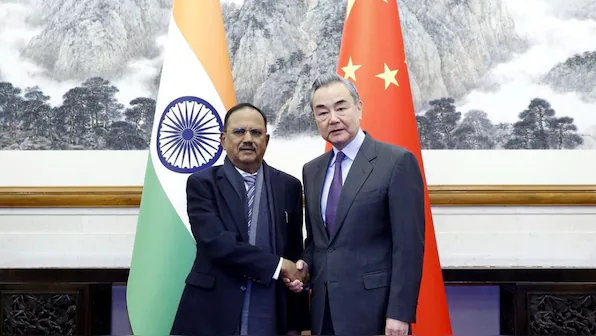
The 23rd meeting of the Special Representatives, held on December 18, 2024, in Beijing, brought together Ajit Doval, India’s National Security Advisor, and Wang Yi, China’s Foreign Minister and member of the Communist Party’s Political Bureau.
This dialogue followed directives from Indian Prime Minister Narendra Modi and Chinese President Xi Jinping during their meeting in Kazan, signaling a shared commitment to reestablish peace and resolve disputes.
The SRs reviewed the progress in implementing the disengagement agreement reached in October 2024, which had alleviated tensions in the Western Sector of the India-China border.
Read : Pilgrims Get First View of Kailash Peak from Indian Territory
Both sides affirmed the significance of maintaining peace and tranquility in these areas to support the overall bilateral relationship. Drawing lessons from past border frictions, especially the events of 2020, they explored measures to strengthen diplomatic and military coordination, ensuring smoother mechanisms for border management.
Read : Roof of the World: Exploring Tibet’s Top Must-Visit Destinations
The meeting also emphasized the importance of maintaining a political perspective to address the boundary question, with both SRs committing to injecting renewed vitality into the resolution process. This approach reflects an understanding that unresolved boundary issues should not hinder the broader relationship between the two nations.
Reviving the Kailash Mansarovar Yatra
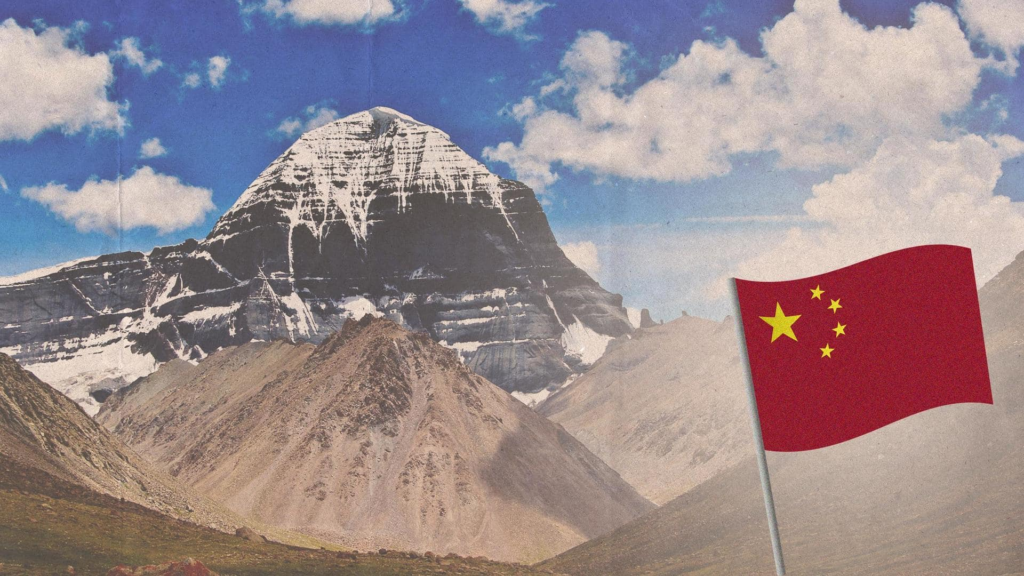
One of the meeting’s pivotal outcomes was the agreement to resume Kailash Mansarovar Yatra, a revered pilgrimage for Hindus, Buddhists, and Jains. The yatra, which had been suspended due to the COVID-19 pandemic and subsequent border tensions, symbolizes spiritual and cultural ties between India and China.
Located in Tibet, Mount Kailash and Lake Mansarovar hold immense religious significance. The pilgrimage route offers an opportunity for Indian devotees to visit these sacred sites through established travel corridors, including the Nathula Pass in Sikkim.
Resuming this yatra not only fulfills a long-standing demand from Indian citizens but also underscores the potential for cultural diplomacy to bridge gaps between the two countries.
The agreement includes measures to ensure the safety and convenience of pilgrims. Enhanced logistical arrangements, better connectivity, and coordinated border management will facilitate the journey. This development is expected to restore a sense of normalcy and mutual trust in people-to-people exchanges between India and China.
Strengthening Cross-Border Cooperation
Beyond the Kailash Mansarovar Yatra, the SRs discussed broader cross-border cooperation initiatives. Data sharing on trans-boundary rivers emerged as a key area of collaboration.
Given the vital role of rivers like the Brahmaputra in sustaining livelihoods and ecosystems across the region, both sides acknowledged the importance of timely and transparent data exchange to mitigate potential disputes.
Border trade through the Nathula Pass was another focus of the talks. This trading route has historically facilitated economic and cultural exchanges between India and Tibet. By reviving and strengthening this trade corridor, both nations aim to foster economic development in border areas and promote mutual economic interdependence.
The discussions also highlighted the significance of maintaining a stable and predictable relationship to contribute to regional and global peace. Both countries recognized that peaceful coexistence and cooperation could have a far-reaching impact on Asia’s economic and geopolitical landscape.
The 23rd meeting of the Special Representatives signifies a renewed effort by India and China to address their differences through dialogue and cooperation.
The agreement to resume Kailash Mansarovar Yatra, coupled with commitments to enhance cross-border river data sharing and Nathula border trade, demonstrates a willingness to prioritize stability and growth in their bilateral relationship.
While challenges remain, this meeting has set the stage for a more constructive engagement between the two nations, fostering hope for sustained peace and collaboration in the region.