
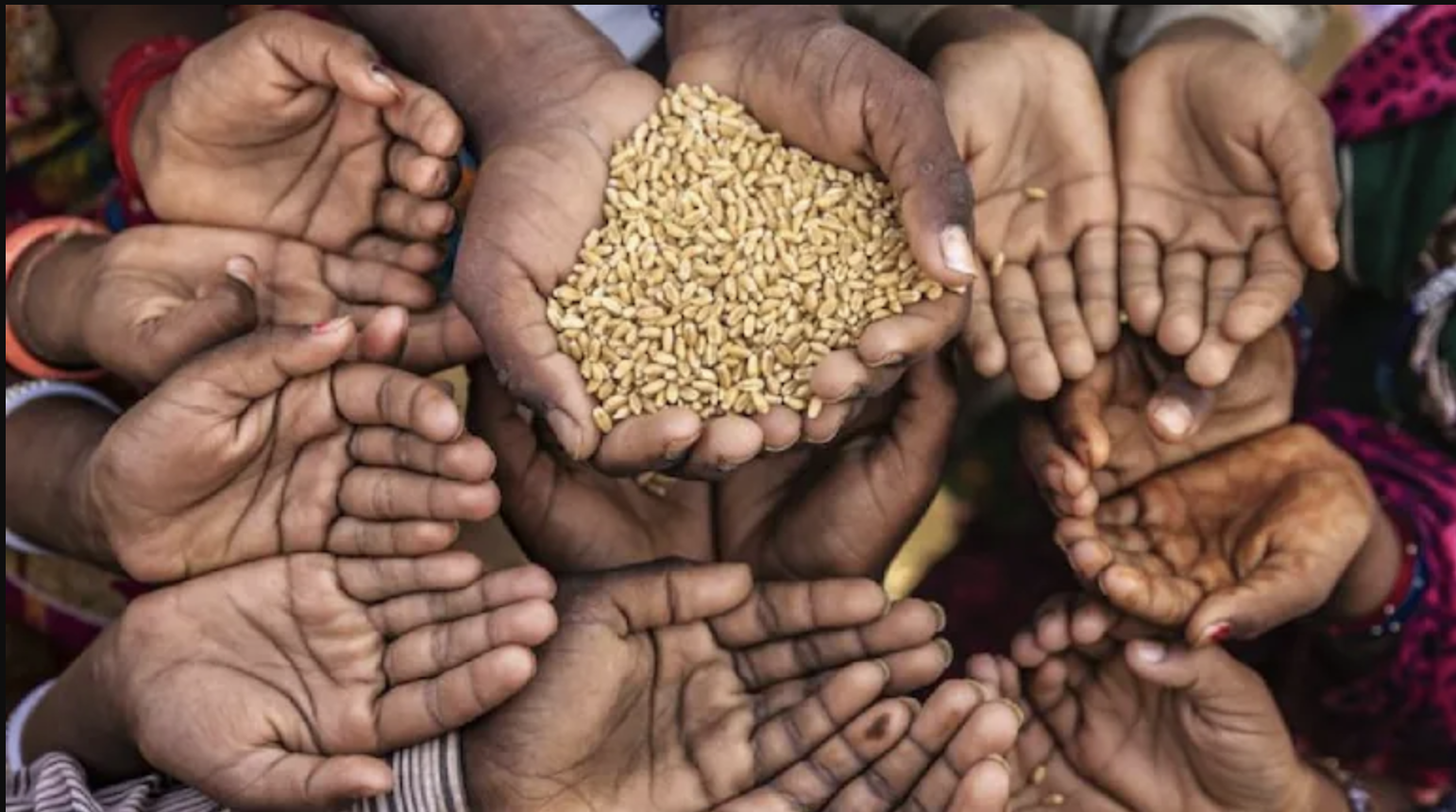
The Global Hunger Index 2024 (GHI) report paints a sobering picture of food security in India, placing the nation 105th out of 127 countries assessed. This ranking categorizes India among nations experiencing ‘serious’ hunger issues, highlighting the urgent need for policy intervention and community action.
The GHI is a vital tool used to track hunger worldwide, created through a partnership between Concern Worldwide and Welthungerhilfe. It aims to shed light on where immediate action is needed to combat hunger and malnutrition.
The Current State of Hunger in India
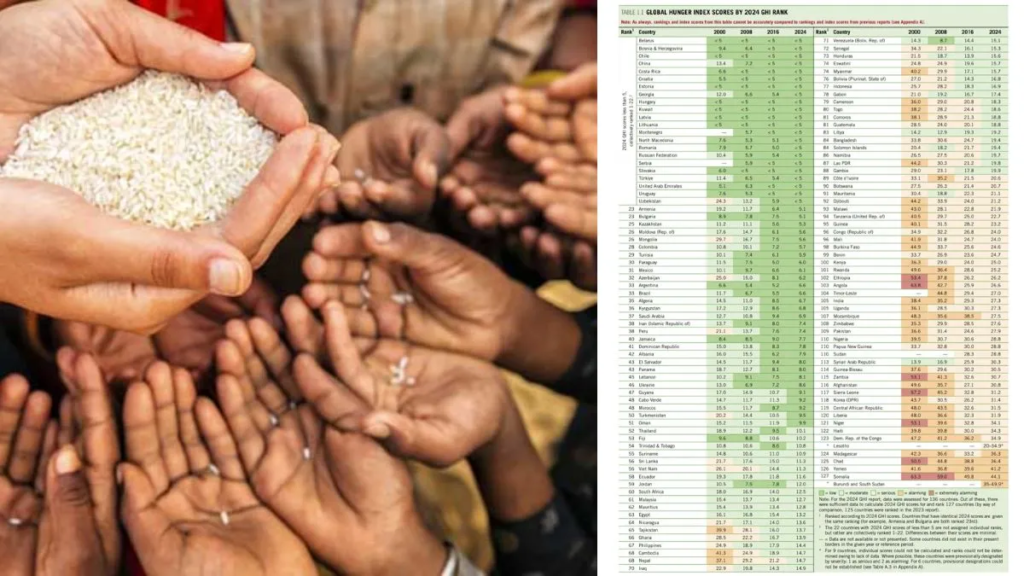
India’s score of 27.3 on the GHI reflects a serious level of hunger, demonstrating that despite progress over the years, significant challenges remain. In comparison to its neighbors, India is lagging behind Sri Lanka, Nepal, Myanmar, and Bangladesh, which have all managed to secure better rankings.
Notably, India’s GHI score is just above those of Pakistan and Afghanistan, nations grappling with severe food insecurity issues. This scenario underscores the urgency of addressing hunger and malnutrition in India.
Read : India to Grow at 6.7%, Remain Fastest Growing Economy in the World: World Bank
The report indicates a slight increase in the prevalence of undernourishment in India over recent years, despite an overall improvement since 2016, when India scored 29.3.
Read : India: Pioneer in Diplomacy, Can Convince Israel for Ceasefire, Says Iranian Envoy
This suggests that while some progress has been made, the situation remains critical. Historical data shows considerable advancement from alarming scores of 38.4 in 2000 and 35.2 in 2008. However, the continued existence of ‘serious’ hunger levels indicates that underlying issues persist.
The 2024 GHI report also highlights the severe challenges India faces regarding child malnutrition. India holds the highest child wasting rate globally at 18.7%, alongside a stunting rate of 35.5%. These statistics reflect significant public health concerns that need immediate attention.
Moreover, the under-five mortality rate stands at 2.9%, and the prevalence of undernourishment is noted at 13.7%. These figures suggest that many children in India are not receiving the necessary nutrients for healthy growth and development.
The Challenges of Child Undernutrition
Child undernutrition remains one of the most pressing issues in India. Despite some improvements in child mortality rates since 2000, child wasting and stunting rates remain alarmingly high.
Wasting indicates acute malnutrition, while stunting reflects chronic malnutrition, both of which have long-term implications on a child’s physical and cognitive development.
The report emphasizes that while there have been reductions in stunting rates since 2000, the current levels still pose serious public health challenges. The high rates of child malnutrition are intertwined with various socio-economic factors, including poverty, access to healthcare, and educational opportunities for parents.
Addressing child malnutrition requires a multi-faceted approach involving various stakeholders, including government agencies, non-governmental organizations, and local communities.
The situation is further complicated by socio-economic disparities that affect access to food and nutrition. Marginalized communities often face higher rates of malnutrition, exacerbated by factors such as inadequate healthcare services, lack of education, and socio-cultural norms. Tackling these systemic issues is critical in reducing child malnutrition and improving overall health outcomes.
The Global Context of Hunger and Future Implications
The 2024 GHI report highlights a concerning trend in global hunger, revealing that progress in reducing hunger has stagnated since 2016. The ambition of achieving Zero Hunger by 2030 is becoming increasingly unlikely, as 42 of the 127 countries assessed continue to experience either ‘alarming’ or ‘serious’ levels of hunger.
This global stagnation poses significant challenges, especially in light of growing population demands and climate change impacts.
The report also establishes a direct connection between hunger, climate change, and gender inequality. Discriminatory norms and gender-based violence often place women and sexual and gender minorities at heightened risk of food and nutrition insecurity.
The inability to cope with these challenges can hinder efforts to address hunger effectively. Climate change exacerbates food scarcity, affecting agricultural productivity and disrupting food supply chains. Women, who are often the primary caregivers and food producers in many communities, bear the brunt of these challenges, further entrenching cycles of poverty and hunger.

The implications of India’s GHI ranking extend beyond national boundaries, as hunger is a global issue requiring coordinated efforts. Sustainable development goals aimed at ending hunger and ensuring food security must take into account the interconnectedness of these issues.
Collaboration among governments, non-governmental organizations, and local communities is essential to implement effective strategies that address the root causes of hunger and malnutrition.
India’s ranking of 105th out of 127 countries in the Global Hunger Index 2024 serves as a stark reminder of the challenges that persist in combating hunger and malnutrition. Despite some progress over the years, the situation remains serious, particularly concerning child malnutrition and the systemic issues that contribute to food insecurity.
Addressing these challenges requires a comprehensive approach that considers the socio-economic factors at play and prioritizes the needs of marginalized communities.
As global hunger stagnates and the goal of Zero Hunger by 2030 becomes increasingly elusive, concerted efforts must be made to create sustainable solutions that ensure every individual has access to sufficient, safe, and nutritious food.