
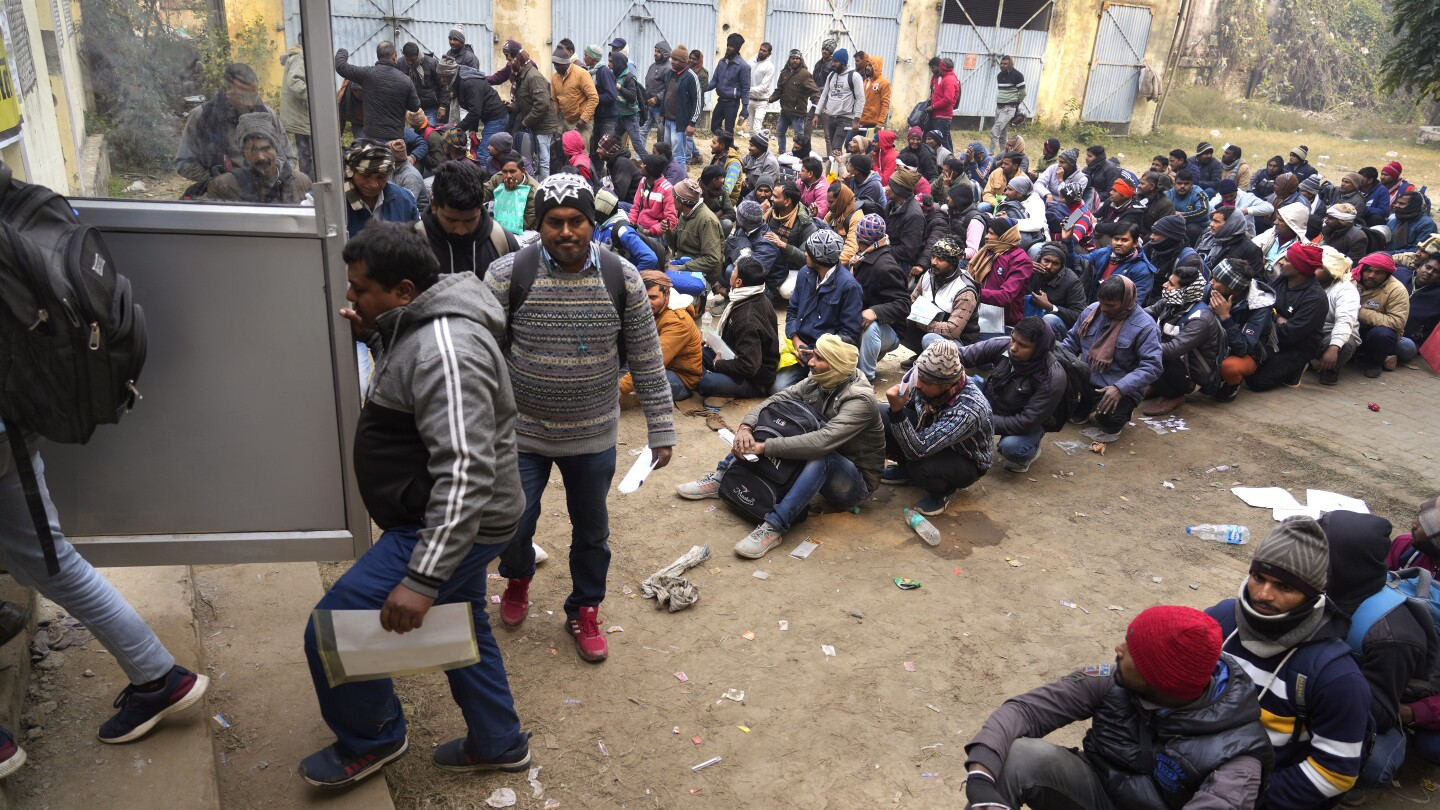
Israel’s construction industry has undergone a dramatic shift in workforce dynamics over the past year, with Indian laborers stepping in to fill the void left by barred Palestinian workers.
This significant change follows the October 2023 Hamas attacks and the ensuing war, which led to a restriction on Palestinian workers entering the country. As the nation grapples with workforce shortages, Indian workers are playing a pivotal role in sustaining construction projects across the country.
A Changing Workforce Landscape
Before the escalation of conflict in October 2023, the construction sites in country were predominantly staffed by tens of thousands of Palestinian laborers.
These workers played a crucial role in meeting the growing demands of Israel’s housing sector. However, the Hamas attacks triggered severe security concerns, leading to a blanket ban on Palestinian workers entering Israel. This sudden restriction disrupted the construction industry, delaying new housing supply by an estimated 25%.
Read : IDF Claims to Have Arrested Over 240 Terrorists in Operation at Kamal Adwan Hospital in Gaza
To address this crisis, country turned to India, one of the world’s largest and fastest-growing economies. Over the past year, approximately 16,000 Indian workers have arrived in Israel to bridge the workforce gap. With plans to bring in thousands more, this recruitment drive marks a significant development in bilateral ties between the two nations.
Opportunities for Indian Workers
For many Indian workers, the opportunity to work in country represents a pathway to financial stability and prosperity. Skilled laborers from various Indian states, including Uttar Pradesh, have been drawn to Israel by the promise of higher wages, often three times what they could earn in India.
Read : India Has a Significant Role in Bringing an End to the “Genocide” in Gaza: PM of Palestine
Workers like Raju Nishad and Suresh Kumar Verma exemplify the optimism and resilience of this workforce. Despite the challenges posed by air raid warnings and cultural adjustments, these laborers continue to contribute to Israel’s construction boom.

Nishad, 35, views his time in Israel as a chance to save for his family’s future and invest wisely. Similarly, Verma, 39, emphasizes the importance of hard work to secure a better life for his loved ones.
Beyond economic benefits, Indian workers are also adapting to the local culture and lifestyle. In cities like Tel Aviv, they have established small communities where they share traditional recipes and create a sense of home. This cultural exchange underscores the growing integration of Indian laborers into Israel’s social fabric.
Long-Term Implications for Israel’s Housing Sector
While the influx of Indian workers has provided much-needed relief, it has yet to fully compensate for the absence of Palestinian laborers.
Before the war, around 80,000 Palestinians were employed in Israel’s construction industry, alongside 26,000 foreign workers. The current figure of 30,000 foreign workers, including Indians, falls short of the previous workforce numbers, leaving gaps in the sector’s productivity.
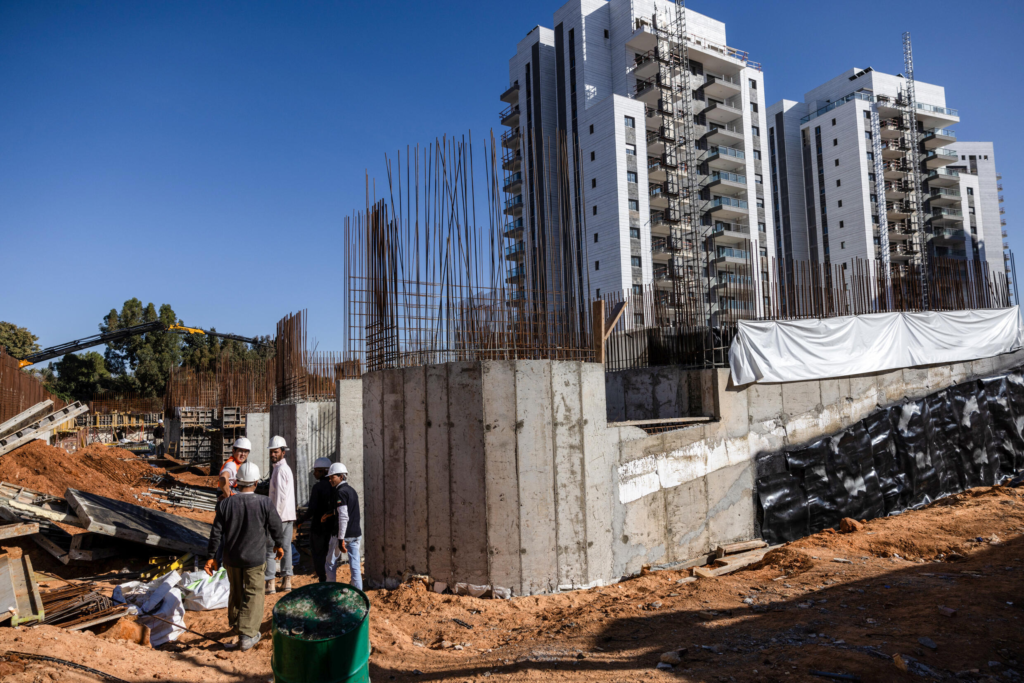
According to Eyal Argov of the Bank of Israel, the workforce shortage is causing significant delays in housing supply. Activity levels in the fourth quarter of 2024 are approximately 25% below pre-war levels.
While these delays may not immediately result in a housing shortage, they could have long-term implications for country’s growing population, which increases by 2% annually.
Recruitment agencies like Dynamic Staffing Services are working to address this gap by scaling up efforts to bring more Indian laborers to Israel.

Chairman Samir Khosla, whose agency has already sent over 3,500 workers, highlights the strong bilateral relations between India and Israel as a foundation for this collaboration. Khosla envisions a steady influx of skilled Indian workers, which could help stabilize the construction sector and support Israel’s housing needs.
The entry of thousands of Indian construction workers into country marks a turning point in the country’s labor dynamics. As these workers fill critical gaps left by barred Palestinian laborers, they bring with them a spirit of resilience and a drive for better opportunities.
While challenges remain, this shift underscores the importance of international cooperation in addressing workforce shortages and sustaining economic growth.