
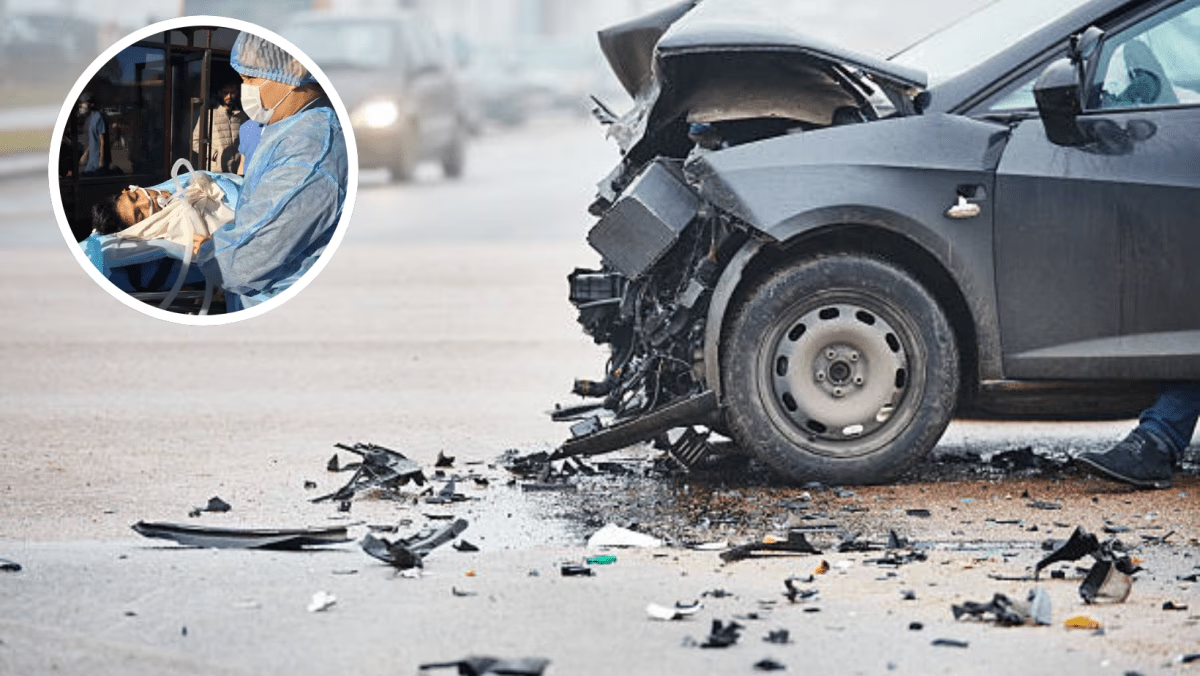
The death of a young Indian medical student in a road accident in eastern Kazakhstan has cast a shadow over the Indian student community abroad and raised fresh concerns about the safety of students pursuing education overseas. Mili Mohan, a 25-year-old student of Semey Medical University, lost her life when a vehicle carrying Indian students met with an accident near Oskemen, also known as Ust-Kamenagorsk.
Two other students were injured in the incident and are currently undergoing treatment. The tragedy occurred during what was meant to be a routine excursion, underscoring how quickly circumstances can turn devastating for students far from home. According to official statements released by the Indian Embassy in Kazakhstan, the accident involved a group of 11 Indian students who were returning from an excursion trip to the Altai Alps region in East Kazakhstan. While most students escaped with minor injuries or none at all, the incident proved fatal for Mili Mohan and left two others injured, though stable.
The embassy has expressed condolences to the bereaved family and assured full support to those affected, as diplomatic staff coordinate with local authorities, hospitals, and university officials to manage the aftermath. The incident has resonated deeply across India, particularly among families who have sent their children abroad to pursue medical education, a path increasingly chosen by students due to limited seats and intense competition at home. The loss of a young life in such circumstances highlights both the aspirations and vulnerabilities that define the experiences of international students.
Details of the Accident and Official Response
The accident occurred in the Oskemen area of East Kazakhstan as the students were returning from the Altai Alps, a mountainous region popular for its natural beauty and often visited by tourists and student groups. The group comprised 11 Indian students enrolled at Semey Medical University, one of Kazakhstan’s prominent institutions that attracts a large number of international students, particularly from India.
Mili Mohan, aged 25, was pronounced dead following the accident. Two other students, identified as Ashika Sheejamini Santhosh and Jaseena B, sustained injuries and were admitted to City Hospital No. 1 in Ust-Kamenagorsk. The Indian Embassy confirmed that both injured students are in stable condition and receiving medical care. Family members of the injured students have since arrived in Kazakhstan and are in close contact with embassy officials.
In a statement posted on X, formerly Twitter, the Indian Embassy in Kazakhstan conveyed its “deepest condolences” to the family of the deceased student and affirmed that it is actively coordinating with university authorities, hospital officials, and local administration. The embassy also stated that all necessary arrangements are being made to repatriate the mortal remains of the deceased to India on a priority basis.
Read : School Bus Aide Kiarra Jones Pleads Guilty to Assaulting 3 Nonverbal Autistic Students
The embassy’s involvement has been extensive, reflecting standard diplomatic protocol in such cases. Officials are assisting families with documentation, liaising with Kazakh authorities, and ensuring that medical and logistical support is provided without delay. Such measures are critical in foreign jurisdictions, where language barriers, unfamiliar legal systems, and emotional distress can complicate an already painful situation.
Read : The Magic of Disneyland Paris: Where Dreams Come True in the Heart of Europe
While the exact cause of the accident has not yet been publicly detailed, local authorities are expected to conduct an investigation to determine the circumstances leading to the crash. Road safety standards, vehicle conditions, weather, and driver responsibility are typically examined in such cases. Until official findings are released, both Indian and Kazakh authorities have refrained from speculation.
Indian Students in Kazakhstan and the Risks of Overseas Education
Kazakhstan has emerged over the past decade as a popular destination for Indian students pursuing medical degrees. Institutions such as Semey Medical University offer internationally recognised programmes at comparatively lower costs than private medical colleges in India. The availability of English-medium instruction and a growing network of Indian students have further contributed to this trend.
However, incidents such as the Oskemen road accident bring into focus the challenges and risks associated with studying abroad. While academic quality and affordability are major considerations, student safety, healthcare access, and emergency preparedness are equally important. Students often travel within unfamiliar terrain, rely on local transport systems, and may not always be fully aware of regional risks, particularly during excursions or leisure trips.

Indian embassies and high commissions in countries with large student populations routinely issue advisories and maintain student registries to respond quickly during emergencies. In Kazakhstan, the Indian Embassy has previously emphasised the importance of students staying informed about local regulations, travel safety, and weather conditions, especially in regions known for harsh climates or challenging geography.
The tragic death of Mili Mohan has prompted renewed conversations among student communities and parents about safety protocols during university-organised or informal trips. While excursions are an integral part of student life and cultural exposure, they also require robust planning, experienced drivers, roadworthy vehicles, and adherence to safety norms.
Universities hosting international students also bear a responsibility to ensure adequate safeguards are in place. This includes providing clear guidelines for travel, verifying transport arrangements, and offering support mechanisms in case of emergencies. As investigations into the accident proceed, questions may arise about the organisation of the trip and whether all safety measures were adequately followed.
The Altai Region and the Broader Context of the Tragedy
The students were returning from a visit to the Altai Mountains, a region renowned for its dramatic landscapes and ecological significance. Stretching across Kazakhstan, Russia, China, and Mongolia, the Altai range is known for towering peaks, vast forests, and rich biodiversity. Parts of the region are recognised by UNESCO as World Heritage sites due to their unique ecosystems and cultural importance.
Read : 18-Year-Old Mustang High School Student Killed in Motorcycle Crash
In East Kazakhstan, the Altai region is a major attraction for tourists and locals alike. However, its rugged terrain and long road networks can present challenges, particularly during winter months when weather conditions can deteriorate rapidly. Even outside extreme weather periods, mountainous roads require careful navigation and strict adherence to safety practices.tragedy underscores the contrast between the allure of such destinations and the inherent risks involved in travelling through remote or challenging areas.
For students far from home, these risks can be magnified by unfamiliarity with local driving norms, emergency response times, and healthcare infrastructure. Beyond the immediate loss, the incident has also highlighted the emotional toll such events take on families and peers. For the family of Mili Mohan, the sudden loss of a daughter pursuing her medical dreams abroad is a profound and irreversible blow. For her fellow students, the accident serves as a stark reminder of life’s fragility and the responsibilities they carry toward their own safety and that of others.
The Indian Embassy’s assurance of continued support has provided some reassurance, but it cannot erase the grief or the questions that follow such a tragedy. As arrangements are made to bring the mortal remains back to India, the focus will gradually shift from emergency response to reflection and accountability.
In the broader context, the incident may prompt universities, student associations, and diplomatic missions to re-examine existing safety frameworks. Strengthening orientation programmes, improving communication channels, and reinforcing travel advisories could help mitigate risks in the future. While no measure can eliminate danger entirely, proactive steps can reduce the likelihood of similar tragedies.
The death of Mili Mohan in Kazakhstan is a sobering reminder of the human cost that sometimes accompanies the pursuit of education and opportunity abroad. It calls for compassion, vigilance, and collective responsibility from institutions, authorities, and communities to ensure that students are not only educated but also protected as they navigate life far from home.