
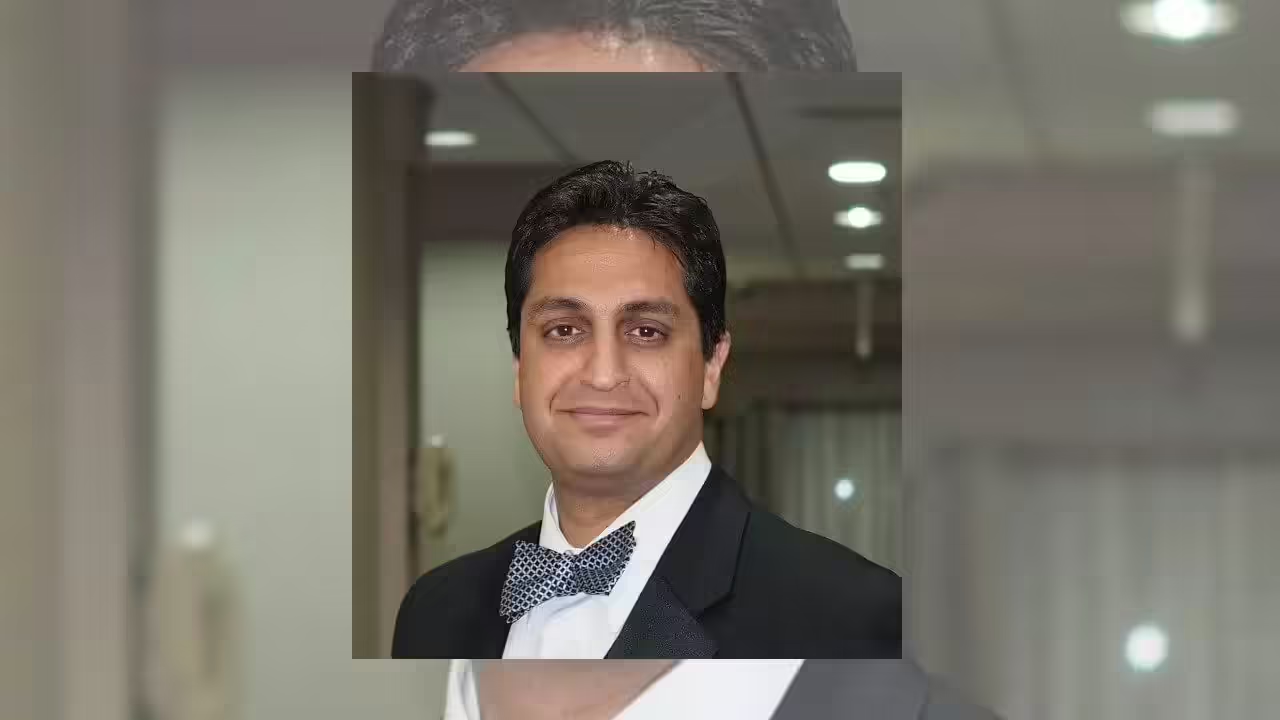
In a stunning fall from grace, Neil K Anand, the 48-year-old Indian-origin physician who rushed to Ground Zero on September 11, 2001, to treat victims amid the chaos of the terrorist attacks, has been sentenced to 14 years in federal prison. The sentencing, handed down on September 23, 2025, by a U.S. District Court in Philadelphia, marks the culmination of a years-long investigation into a sprawling healthcare fraud and opioid distribution scheme orchestrated from Anand’s pain management clinic in Bensalem, Pennsylvania.
Once hailed as a hero for his selfless service during one of America’s darkest days, Anand now faces the harsh realities of a conviction that prosecutors say not only defrauded insurers of millions but also fueled the nation’s opioid epidemic. Anand’s story is a tragic juxtaposition of heroism and hubris. Born to Indian immigrant parents, he pursued medicine in the United States, graduating from medical school and completing his residency. His early career was defined by acts of extraordinary compassion, particularly in the immediate aftermath of 9/11.
But as the details of his criminal enterprise emerged during the trial, it became clear that the same clinic meant to alleviate suffering had become a conduit for unnecessary prescriptions and financial gain. This case underscores the ongoing battle against healthcare fraud in the U.S., where the line between patient care and exploitation can blur with devastating consequences. As the opioid crisis continues to ravage communities—claiming over 100,000 lives annually—sentences like Anand’s serve as a stark reminder of the human cost behind the headlines.
The scandal has reverberated through Indian-American communities, where Anand was seen as a symbol of immigrant success in the medical field. Family members and supporters packed the courtroom, tearfully defending his legacy while the judge imposed a sentence that includes over $2 million in restitution and another $2 million in forfeiture. As one relative put it during the hearing, Anand’s dedication to healing had been “unfairly criminalized.” Yet, the evidence presented painted a different picture: a doctor who allegedly prioritized profit over ethics, pressuring vulnerable patients into accepting “goody bags” of unneeded sedatives to pad insurance claims.
A Hero’s Beginnings: From Ground Zero to the Frontlines of Medicine
Neil K Anand’s journey into medicine was forged in the fires of national tragedy. On September 11, 2001, as the world watched in horror, the 24-year-old medical intern was volunteering in New York City when the planes struck the Twin Towers. Without hesitation, Anand made his way to the smoldering ruins of Ground Zero, joining a cadre of first responders and medical personnel who triaged the injured amid falling debris and acrid smoke. For hours, he treated burns, fractures, and shock victims, working tirelessly in makeshift triage centers established in the shadow of the collapsed World Trade Center.
Eyewitness accounts from that day describe Anand as unflinching. He stabilized patients with limited resources, coordinating with firefighters and paramedics to evacuate the wounded. His efforts earned him commendations from the New York City Fire Department and a deep sense of purpose that would define his career. “I saw humanity at its worst and best that day,” Anand later reflected in a 2011 interview commemorating the 10th anniversary of the attacks. “It taught me that medicine isn’t just about science—it’s about showing up when no one else will.”
Inspired by his experiences, Anand enlisted in the U.S. Navy as a physician shortly after 9/11, serving active duty for several years. During his tenure, he deployed to conflict zones, providing care to service members suffering from chronic pain and post-traumatic stress. This military service honed his expertise in pain management, a field increasingly dominated by opioid prescriptions in the early 2000s. Upon returning to civilian life, Anand settled in Bucks County, Pennsylvania, opening the Anand Pain & Wellness Center in Bensalem in 2012.
Read : Doctor Sues Singapore Airlines After Staff Serves Shrimp Meal Despite Allergy Warning
The clinic quickly gained a reputation for compassionate care, attracting patients from across the region who sought relief from conditions like fibromyalgia, neuropathy, and injury-related agony. Anand’s Indian roots added another layer to his public persona. As a second-generation immigrant, he often spoke at community events about bridging cultures through healthcare, emphasizing holistic approaches influenced by Ayurvedic principles alongside Western medicine.
His practice employed a diverse staff, including fellow Indian-Americans, and he volunteered with local Sikh temples, offering free clinics for underserved populations. To many, Anand embodied the American Dream: a dedicated doctor whose 9/11 heroism had propelled him to a life of service. Little did they know that beneath this facade, a scheme was brewing that would unravel everything he had built.
By 2019, when federal investigators first raided his clinic, whispers of overprescribing had already circulated among patients and staff. But Anand’s defenders pointed to his track record—treating thousands without incident, including pro bono work for veterans. The contrast between his past valor and the allegations was jarring, fueling a narrative of a man caught in the crosshairs of an overzealous government. As the trial unfolded, however, prosecutors methodically dismantled this image, revealing how Anand’s commitment to pain relief had morphed into something far more sinister.
The Scheme Unraveled: Inside the Opioid Conspiracy at Anand’s Clinic
The heart of the case against Neil Anand lay in a calculated fraud that exploited the vulnerabilities of his patients and the loopholes in the U.S. healthcare reimbursement system. From 2015 to 2019, Anand’s clinic allegedly operated like a well-oiled machine designed to maximize profits through deception. The centerpiece was the infamous “goody bag”—opaque packages of prescription medications that patients were coerced into accepting alongside their legitimate opioid treatments for pain.
According to trial testimony and court documents, Anand targeted insurers like Medicare, the U.S. Office of Personnel Management, Independence Blue Cross, and Anthem. His in-house pharmacies, which he owned and controlled, would dispense these bags containing sedatives such as benzodiazepines and muscle relaxants—drugs patients neither requested nor needed. To secure reimbursement, Anand submitted fraudulent claims totaling over $2.4 million, portraying the medications as essential components of treatment plans.
Patients, desperate for their primary prescriptions like oxycodone, felt pressured to comply. One former patient testified, “He said if I didn’t take the extra stuff, he couldn’t give me what I came for. I was in so much pain; I just wanted relief.” The conspiracy extended beyond the bags. Anand pre-signed blank prescription pads, allowing unlicensed medical interns to issue controlled substances without proper oversight. This not only violated federal regulations but also distributed oxycodone—a highly addictive opioid—outside the bounds of legitimate medical practice.
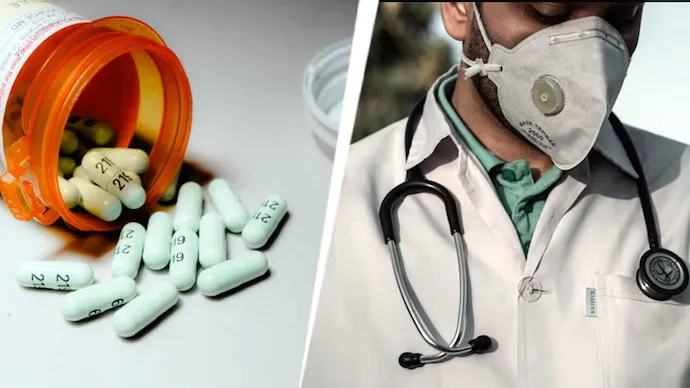
Prosecutors argued that these actions directly contributed to the opioid epidemic, with some patients developing dependencies on the unnecessary drugs. “Anand perpetuated the opioid crisis to line his own pockets,” Assistant U.S. Attorney Paul J. Koob stated during closing arguments, emphasizing how the scheme laundered profits through shell entities and concealed over $1.2 million in illicit gains.
The investigation began in 2019 following tips from whistleblower staff members who noticed irregularities in inventory and billing. Federal agents seized records showing a pattern: patients received far more prescriptions than clinically justified, with sedatives bundled to inflate claims. Anand’s defense team countered that the “goody bags” were innovative bundles for comprehensive care, akin to multi-drug regimens for complex pain. They accused the government of using “artificial intelligence and manipulated data” to target pain specialists amid heightened scrutiny on opioids post-2016 CDC guidelines.
In April 2025, after a three-week trial, a federal jury convicted Anand on multiple counts: conspiracy to commit healthcare and wire fraud, three counts of healthcare fraud, one count of money laundering, four counts of unlawful monetary transactions, and conspiracy to distribute controlled substances. The verdict was a blow to Anand, whose medical license was suspended during the proceedings and is now likely to be permanently revoked. Sentencing guidelines recommended 20 years, but Judge Nitza I. Quinones Alejandro settled on 168 months, citing Anand’s lack of remorse and the scheme’s sophistication. “You were not focused on treating patients,” the judge remarked, “but on exploiting them.”
Anand took the stand in his own defense, tearfully recounting his 9/11 service and Navy deployments. “I’ve dedicated my life to healing,” he insisted. His wife and siblings echoed this, portraying him as a victim of bureaucratic overreach. Yet, the evidence was overwhelming: bank records tracing laundered funds to luxury purchases, patient logs falsified for billing, and pharmacy ledgers revealing kickbacks to interns. The total financial toll—$4 million in penalties—reflects the scale of betrayal in a field sworn to “do no harm.”
Echoes of Betrayal: Impact on Patients, the Opioid Crisis, and Medical Ethics
The sentencing of Neil Anand sends ripples far beyond the Bensalem clinic, touching the lives of hundreds of patients, the embattled field of pain management, and the relentless opioid crisis gripping America. For those who trusted Anand with their chronic pain, the revelation has been devastating. Many now question years of treatment, fearing unintended addictions from the “goody bags.” Support groups in Bucks County have formed, offering counseling for affected individuals, while class-action lawsuits loom against the clinic’s remnants.
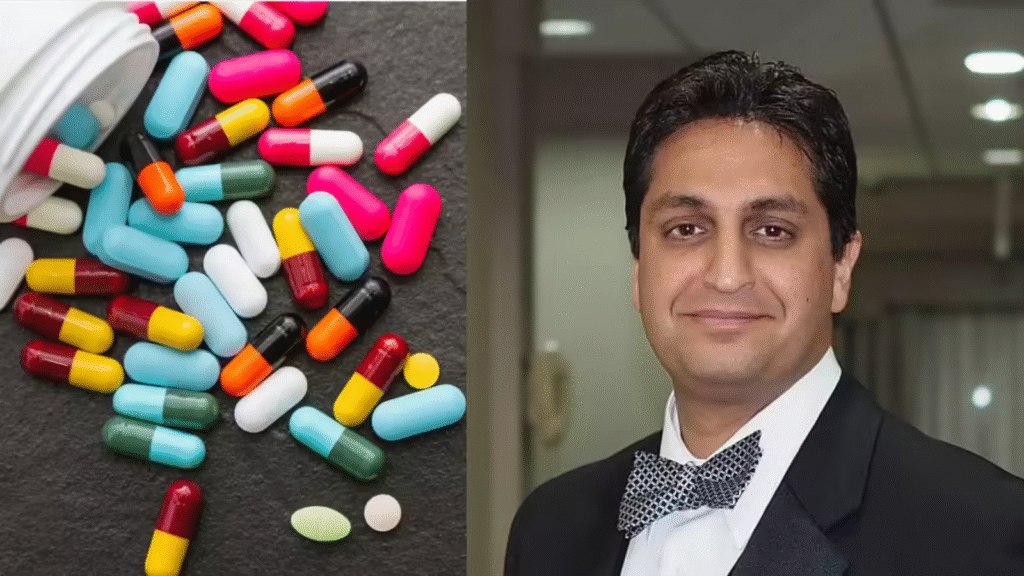
On a national scale, Anand’s case exemplifies the DOJ’s crackdown on healthcare fraud, part of the Health Care Fraud Unit’s Strike Force initiatives. Since 2019, similar prosecutions have netted billions in recoveries, targeting “pill mills” that prioritize volume over validity. Anand’s operation, though smaller, highlighted systemic flaws: the ease of bundling claims, the under-regulation of in-house pharmacies, and the pressure on doctors amid the opioid backlash. Pain specialists, already under siege from DEA quotas and state laws, decry the chilling effect—fearing aggressive treatment could invite scrutiny.
Ethically, the scandal forces a reckoning. Anand’s 9/11 heroism complicates the narrative; does past valor excuse present vice? Supporters argue the government weaponized data against innovative care, while critics see a clear abuse of trust. As Anand begins his sentence, questions linger: How many more “heroes” hide similar schemes? What safeguards can prevent fraud without stifling access to pain relief? In Indian-American circles, the story stings, challenging stereotypes of model minorities in medicine.
Ultimately, Anand’s downfall is a cautionary tale of unchecked ambition. From Ground Zero’s ashes rose a doctor who healed, only to sow seeds of harm in his own garden. As he appeals—claiming prosecutorial overreach—the nation watches, hoping justice tempers mercy with vigilance.
وی اینر آرمور، از
پروتئین گاوهای علفخوار نیوزلندی تهیه شده و سرشار از لوسین،
یکی از آمینو اسیدهای شاخهای (BCAA)، است.
پروتئین وی ایزوله، دارای پروتئین بالا و چربی و کربوهیدرات پایینتری نسبت به سایر انواع پروتئین است.
پروتئین وی هیدرولیز، باعث میشود تا با سرعت بیشتری به هدف موردنظرکه اندامی خوش فرم است برسید.
پروتئین وی، باعث میشود تا با سرعت بیشتری به هدف موردنظرکه اندامی خوش فرم است برسید.
وی اتمیک، یک مکمل پودری است که به راحتی در مایعات حل میشود و به شما کمک میکند تا پروتئین باکیفیت به رژیم غذاییتان اضافه کنید.
وی انابولیک کوین، یک فرمول پیشرفته پروتئینی است که از ۵ منبع مختلف شامل وی کنسانتره، وی ایزوله، وی هیدرولیزه، کازئین و آلبومین تخممرغ تشکیل شده است.
وی ماسل رولز پرو، با فرمولاسیونی خاص، مکملی ایدهآل برای تمام افرادی است که به دنبال تأمین پروتئین روزانه خود هستند.
مکمل کراتین، مکملی محبوب در دنیای بدنسازی و ورزش، ترکیبی طبیعی است که از سه اسیدآمینه آرژنین، گلایسین و متیونین در بدن تولید میشود.
مولتی ویتامین، مکملهایی هستند که ترکیبی از ویتامینها و مواد معدنی ضروری را در یک قرص یا کپسول گرد هم میآورند.
پروتئین کازئین، یکی از دو پروتئین اصلی موجود در شیر است (پروتئین دیگر، آب پنیر یا وی است).
مکمل کراتین مونوهیدرات، یک ترکیب طبیعیه که از سه اسید آمینه گلیسین، آرژنین و متیونین ساخته میشه و به طور عمده در عضلات اسکلتی ذخیره میشه.
وی پرو آنتیوم رونی کلمن، حاوی ۱۳.۵ گرم EAA، ۳.۵ گرم BCAA، ۵ گرم کراتین و ۲.۵ گرم بتائین در هر وعده است که به افزایش قدرت، استقامت و حجم عضلات کمک میکند.
مکمل ویتامین، مواد حیاتی ای است که بدن ما برای عملکرد صحیح به آنها نیاز دارد.
مولتی ویتامین انیمال یونیورسال پک 30 تایی، یک بسته کامل و جامع حاوی بیش از ۶۰ تا ۸۵ ماده مغذی کلیدی در هر ساشه (بسته) روزانه است!
پروتئین وی fa، یک مکمل خوشطعم و باکیفیت است که حاوی ۱۰۰٪ پروتئین وی کنسانتره (Whey Concentrate) میباشد.
وی ایزوله ویسلی، پودری
با 6 گرم BCAA و 14 گرم EAA در هر سروینگ است که با روش میکروفیلتراسیون جریان متقاطع تولید میشود.
وی پرو موتانت، یک مکمل پروتئینی پیشرفته و کامل است که برای حمایت از رشد سریع عضلات، ریکاوری، و سلامت عمومی طراحی شده است.
پروتئین وی کریتیکال اپلاید، ترکیبی پیشرفته از پروتئین وی کنسانتره، ایزوله و هیدرولیز شده است.
وی ایزوله دایماتیز 1400 گرمی، نه تنها پروتئین وی ایزوله (Whey Isolate) است، بلکه از نوع هیدرولیز شده (Hydrolyzed) نیز هست.
پروتئین وی الیمپ، با فناوری CFM، نقش مؤثری در عضلهسازی، ریکاوری سریع پس از تمرین و چربیسوزی دارد.
وی ناترند کیسه ای، در واقع یک مکمل پروتئینی باکیفیت و حرفهای است که توسط شرکت معتبر اروپایی Nutrend تولید میشود.
وی ویسلی، یک مکمل با کیفیت بر پایه کنسانتره پروتئین وی و پروتئین آبپنیر است.
وی ناترند، مکملی با کیفیت بالا برای رشد عضلات، جلوگیری از تحلیل عضلانی و تأمین پروتئین روزانه ورزشکاران است.
کراتین انابولیک کوین لورون 300 گرمی، یک مکمل غذایی متشکل از کراتین مونوهیدرات خالص با خلوص بالاست.
فیتنس مکمل، منبع بهترین مکمل های اروجینال برای افرادی است که به سلامت و زیبای اندام خود، و کیفیت و اصالت مکمل ورزشی اهمیت میدهند.
مکمل پروتئین، این ماکرومغذی قدرتمند، اساس ساختار سلولها و عضلات ماست.
مکمل کراتین ترکیبی، مثل یه تیم فوتبال حرفهای میمونه که هر بازیکنش یه کار خاص رو به نحو احسن انجام میده.
وی نیتروتک گلد، ترکیبی از پروتئین وی ایزوله و کنسانتره است. این ترکیب به معنای دریافت پروتئین با سرعت جذب بسیار بالا و کیفیت بینظیر است.
وی نیتروتک، دارای فناوری فیلتراسیون چند فازی است.
وی ایزوله موتانت 727 گرمی، در اصل یک مکمل پودری پروتئینی فوقالعاده با کیفیت است که عمدتاً از پروتئین وی ایزوله و همچنین پروتئین وی هیدرولیز شده تشکیل شده است.
وی ایزوله ماسل اسپرت، مکملی با کیفیت بالا و مناسب برای افزایش توده عضلانی بدون چربی، چربیسوزی و بهبود ریکاوری است.
پروتئین هگزا پرو المکس، یک مکمل پروتئینی پیشرفته و باکیفیت است که برای تغذیه طولانیمدت عضلات ورزشکاران طراحی شده است.
وی استروویت، یک منبع پروتئین و کربوهیدرات پیچیده است که هضم و جذب بسیار سریعی دارد و در معده باقی نمیماند.
قیمت وی ایزوله ناترکس، به نسبت کیفیت ان بسیار پایین است و ایزوفیت کم قند، چربی، کربوهیدرات و کالری بوده.
وی ایزوله استروویت، با تامین سریع و باکیفیت تمام آمینو اسیدهای ضروری، به ویژه آمینو اسیدهای شاخهدار ، به کاهش خستگی مرکزی کمک میکند.
کراتین اینر آرمور، میتواند به شما در ریکاوری و بهبود عملکرد ورزشی کمک کند.
وی ایزوله ماسل تک 1 کیلویی، در واقع یک پودر پروتئین آب پنیر ایزوله شده است که با تکنولوژیهای پیشرفته میکروفیلتراسیون و اولترافیلتراسیون فرآوری شده.
وی ایزوله اپلاید نوتریشن ایکس پی، یک مکمل پروتئین وی ایزوله ۱۰۰% خالص است که توسط شرکت بریتانیایی تولید میشود.
کراتین ویسلی 300 گرمی، در واقع نام تجاری یک مکمل ورزشی است که معمولاً حاوی کراتین مونوهیدرات خالص میباشد.
وی بلولب یو اس ان، ترکیبی از وی ایزوله میکروفیلتردار، وی کنسانتره و وی هیدرولیز است که جذب بالایی دارد.
وی کیسه ای اپتیموم، یکی از پرفروشترین پودرهای پروتئین وی در دنیاست.
وی ناترند ۱ کیلویی، در واقع یک مکمل پروتئینی باکیفیت و حرفهای است که توسط شرکت معتبر اروپایی تولید میشود.
وی گلد استاندارد اپتیموم نوتریشن، صرفاً یک پودر پروتئین نیست؛ بلکه یک ابزار استراتژیک برای بهینهسازی عملکرد بدن و ذهن شماست.
وی ایزوله ایزوجکت ایوژن، از تصفیه سهگانه با فیلتر سرد (Triple Cold-Filtered) بهره میبرد.
وی سینتا 6 بی اس ان 1 کیلویی، یک ماتریس پروتئینی فوق حرفهای است که برای حمایت مداوم از عضلات شما، در تمام طول روز و شب طراحی شده است.
وی الیمپ کیسه ای، یک ترکیب حرفهای از دو نوع پروتئین وی با کیفیت فوقالعاده است.
مولتی ویتامین ایوژن، توسط یک برند معتبر در دنیای فیتنس تولید شده و فرمولاسیون آن به طور خاص برای کسانی بهینه شده است که در سطح بالایی از فعالیت بدنی قرار دارند.
کراتین ترکیبی سل تک ماسل تک، یک فرمولاسیون پیشرفته است که برای به حداکثر رساندن جذب و کارایی کراتین در سطح سلولی طراحی شده است.
اپتی من، یک مولتی ویتامین جامع و قدرتمند است که به طور اختصاصی برای نیازهای تغذیهای آقایان، به ویژه ورزشکاران، طراحی شده است.
کراتین ترکیبی انابولیک کوین لورون، نتیجهی سالها تجربه و علم پشت سر یکی از اسطورههای بزرگ بدنسازی، کوین لورون، هست.
کراتین ترکیبی موتانت، از سه نوع کراتین مختلف را در خود جای داده است تا حداکثر جذب، کارایی و حداقل عوارض جانبی را تضمین کند.
کراتین ترکیبی انیمال یونیورسال، یک فرمولاسیون پیشرفته و چندگانه است که برای به حداکثر رساندن قدرت و عملکرد ورزشی طراحی شده.
کراتین چیست، یک ترکیب طبیعی است که در بدن انسان تولید میشود و نقش کلیدی در تأمین انرژی سریع و قدرتمند برای عضلات ایفا میکند.
وی رول وان، یکی از مکملهای برجسته در بازار جهانی است که عمدتاً برای حمایت از عضلهسازی، ریکاوری سریع، و بهبود کلی عملکرد ورزشی طراحی شده است.
ایزوفیت، وی ایزوله ایزوفیت ناترکس حاوی ۲۵ گرم پروتئین وی ایزوله ۱۰۰٪ در هر سروینگ است که با روش میکروفیلتراسیون پیشرفته تولید شده و جذب سریع دارد.
وی بی پی ای HD، در واقع یک ترکیب فوقپیشرفته از پروتئینهای وی با سرعت جذب متفاوت است.
وی ایزوله ایوژن اصل، از تصفیه سهگانه با فیلتر سرد (Triple Cold-Filtered) بهره میبرد.
کازئین، یکی از دو پروتئین اصلی موجود در شیر است (پروتئین دیگر، آب پنیر یا وی است).
پروتئین کازئین اپلاید نوتریشن، یک مکمل حیاتی و ایده آل برای ورزشکارانی است که به دنبال سوخترسانی طولانیمدت به عضلات خود هستند.
وی ایزوله ایوژن، از تصفیه سهگانه با فیلتر سرد (Triple Cold-Filtered) بهره میبرد.
کراتین رول وان، یک مکمل غذایی-ورزشی بسیار با کیفیت است که عمدتاً از کراتین مونوهیدرات خالص و میکرونیزه تشکیل شده است.
مولتی ویتامین رول وان اقایان، با بیش از ۵۰ ماده فعال، شامل ۲۴ ویتامین و ماده معدنی ضروری، آمینو اسیدها، آنزیمهای گوارشی، و عصارههای گیاهی، یک سر و گردن از مولتی ویتامینهای بازاری بالاتر است.
کراتین رول وان 400 گرمی، یکی از معدود مکملهایی است که توسط اکثر سازمانهای معتبر ورزشی و پزشکی تأیید شده است.
وی ایزوله رول وان، از پروتئین آب پنیر ایزوله و هیدرولیز شده تهیه شده، یعنی خالصترین شکلی از پروتئین که میتوانید پیدا کنید.
وی اسکال لبز، با تکیه بر فرمولاسیون پیشرفته و خلوص بالا، نامی برای خود دست و پا کرده است.
وی ایزوله اسکال لبز، یکی از خالصترین و باکیفیتترین پروتئینهای موجود در بازار مکملهای ورزشی است که توانسته جایگاه خوبی بین ورزشکاران حرفهای پیدا کند.
کراتین بست بی پی ای، با ارائه فرمهای مختلف، این اطمینان حاصل کرده که بدن شما حداکثر میزان کراتین رو دریافت و ذخیره میکنه.
پروتئین کازئین میسلار فا، همانطور که از نامش پیداست، از برند معتبر FA (Fitness Authority) و یک پروتئین کامل است که از شیر استخراج میشود.
وی انیمال یونیورسال، ترکیب قدرتمندی از پروتئین وی ایزوله و کنسانتره فوقفیلتر شده است که طراحی شده تا دقیقاً اون چیزی رو به عضلات شما بده که برای رشد سریع، ریکاوری بهتر و عملکرد بالاتر بهش احتیاج دارند.
کراتین انیمال یونیورسال، با فرمولاسیون خالص مونوهیدرات خود، تمام آن چیزی است که شما از یک مکمل کراتین درجه یک انتظار دارید و هیچ چیز اضافی و فیلری در آن نیست.
پروتئین کازئین گلد کوین لورون، با فرمولاسیون ممتاز خود که معمولاً حاوی “کازئین میسلار” (Micellar Casein) است، اطمینان میدهد که جریان ثابتی از آمینو اسیدهای ضروری را دارد.
کراتین ترکیبی فا نوتریشن، با ترکیبی از اشکال مختلف کراتین مانند کراتین هیدروکلراید (HCl)، دی کراتین مالات، و کراتین آلفا کتوگلوتارات (AKG) روبرو هستید.
مکمل امگا 3، اسیدهای چرب حیاتی هستند که بدن ما نمیتواند خودش تولید کند.
مکمل امگا 3 رول وان، با اسیدهای چرب امگا 3، به ویژه EPA (ایكوزاپنتانوئیك اسید) و DHA (دوكوزاهگزائنوئیك اسید)، نه فقط برای قلب و عروق خوبن، بلکه قسمت عمدهای از بافت مغز رو تشکیل میدن.
ال وی کلاسیک المکس، یک مکمل پروتئین وی ترکیبی و باکیفیت است که توسط کمپانی معتبر AllMax Nutrition کانادا تولید میشود.
وی ایزوله انابولیک کوین لورون، یک مکمل پروتئین وی بسیار پیشرفته است که توسط برند ورزشی Kevin Levrone Signature Series تولید میشود.
گینر مای پروتئین 2/5 کیلویی، یک مکمل غذایی با کالری و کربوهیدرات بالا است که برای ورزشکاران، بدنسازان و افرادی که به سختی وزن اضافه میکنند (Ectomorphs) طراحی شده است.
مکمل گینر، که گاهی با نامهایی چون Weight Gainer یا Mass Gainer نیز شناخته میشود، یک مکمل غذایی پرکالری است که برای کمک به افرادی که در افزایش وزن و حجم عضلانی مشکل دارند (معمولاً افراد دارای متابولیسم بالا یا اکتومورفها) طراحی شده است.
پرو گینر اپتیموم نوتریشن گلد استاندارد، پاسخی هوشمندانه به نیاز ورزشکارانی است که نمیخواهند با مصرف کالریهای بیهوده، زیبایی اندام خود را فدای حجم کنند.
امگا 3 مای ویتامینز 250 عددی، یک مکمل غذایی پرطرفدار است که توسط برند معتبر بریتانیایی Myvitamins تولید میشود.
وی ایزوله بی پی ای، یک مکمل پروتئین وی با کیفیت فوقالعاده بالا است که توسط کمپانی BPI Sports تولید میشود.
گینر موتانت ۳ کیلویی، یک مکمل افزایش وزن و حجم عضلانی (Mass Gainer) است که توسط کمپانی Mutant تولید میشود.
گینر یو اس ان ۴ کیلویی، در واقع اشاره به یکی از محصولات پرطرفدار و باکیفیت شرکت یو اس ان (USN) دارد.
کراتین ترکیبی ماسل تک 1 کیلویی، در واقع به “پادشاه کراتینهای ترکیبی” اشاره دارد.
مولتی ویتامین اپتی وومن 60 عددی، پاسخ قاطع این کمپانی به نیازهای خاص بدن زنان است.
وی دایت اپلاید نوتریشن، یک مکمل هیبریدی یا ترکیبی پیشرفته است.
کراتین ترکیبی ناکلیر نوتریشن، یک ماتریس پیچیده است.
امگا 3 ماسل تک پلاتینیوم، ژلکپسولهایی (Softgels) هستند که هر کدام حاوی ۱۰۰۰ میلیگرم روغن ماهی خالص هستند.
کربو ایوژن ویتارگو رژیمی، که با نام تجاری Evogen GlycoJect شناخته میشود، یک مکمل کربوهیدراتی فوق پیشرفته است که قلب تپنده آن یک کربوهیدرات ثبت شده به نام ویتارگو (Vitargo®) است.
کراتین هیدروکلراید، حاصل اتصال مولکول استاندارد کراتین به “هیدروکلریک اسید” است.
کراتین هیدروکلراید ماسل تک، ترکیبی از نوآوری علمی و نیاز واقعی ورزشکاران است.
کراتین میکرونایز اپتیموم نوتریشن 300 گرمی، از نوع کراتین مونوهیدرات است، و اپتیموم نوتریشن از نشان تجاری Creapure® استفاده میکند.
وی ایزوله ردکان، ترکیبی از دو نوع پروتئین بسیار باکیفیت است: پروتئین وی ایزوله و پروتئین وی هیدرولیز.
گینر بی پی ای، یک فرمولاسیون ساده ولی به شدت مهندسی شده دارد.
پروتئین وی بادی بیلدر، حاوی دو نوع پروتئین کازئین (دیر جذب) و پروتئین وی (زود جذب) است.
کراتین دیاموند اکتیولب، ماتریس هوشمندانهای دارد که جذب را به حداکثر میرساند.
کراتین اچ سی ال دنیس جیمز، محصولی پیشرفته از سری Signature، نسخهای نوین از کراتین است.
پروتئین وی موتانت، با فرمولاسیون پیشرفته و ترکیبات دقیق، یک مکمل کامل برای حمایت از رشد عضلات و بهبود عملکرد ورزشی است.
پروتئین وی دنیس جیمز، محصولی است که با نظارت مستقیم دنیس جیمز مربی شناختهشده بدنسازی مسترالمپیا تولید میشود.
پروتئین وی گلد کوین لورون، تمرکز خود را بر روی کنسانتره پروتئین وی (WPC) با کیفیت بالا گذاشته است.
مس گینر دنیس جیمز، یک مکمل ورزشی استراتژیک برای افزایش حجم عضلانی است.
پروتئین وی پریمیوم گلد ویکتور مارتینز، یک مکمل ورزشی پیشرفته و باکیفیت است تحت نظارت مستقیم ویکتور مارتینز.
وی دایماتیز، یک مکمل پروتئینی بسیار محبوب و با کیفیت است.
کراتین ایس فا نوتریشن، یک پارادایم شیفت (Paradigm Shift) در مهندسی مکملها است.
پروتئین وی ایزوله وایکینگ فورس، نتیجه فرآیندهای پیچیده میکروفیلتراسیون جریان متقاطع (CFM) است.
کراتین وایکینگ فورس، با بهرهگیری از تکنولوژیهای پیشرفته فیلتراسیون، محصولی را ارائه میدهد که ذرات آن خیلی ریز هستند.
کراتین مونوهیدرات الیمپ، کراتین نیتروژندار است که به طور طبیعی در کبد و کلیه سنتز میشود.
مس گینر ماسل کور، مفهوم تراکم کالری (Caloric Density) است.
مس گینر اسکال لبز، یک مکمل غذایی با دانسیته کالری بسیار بالا (High-Calorie Density) است.
کراتین رونی کلمن، یک مکمل ارگوژنیک (افزایشدهنده عملکرد) است که از ۱۰۰٪ کراتین مونوهیدرات خالص تشکیل شده است.
کراتین بادی اتک، یکی از باکیفیتترین و معتبرترین مکملهای کراتین در سطح جهان است.
گینر ایوژن سوپر هیوج، یکی از حرفهایترین و باکیفیتترین مکملهای افزایش وزن و حجم در دنیاست.
پروتئین وی بادی اتک، در هسته مرکزی خود، ترکیبی هوشمندانه از “وی کنسانتره” (Ultra-filtered Whey Concentrate) و “وی هیدرولیزه” (Hydrolyzed Whey) است.
گینر بادی اتک، ترکیبی هوشمندانه از کربوهیدراتهای پیچیده و پروتئینهای چند مرحلهای است.
وی ایزوله بادی اتک، یکی از باکیفیتترین و خالصترین مکملهای پروتئینی در سطح جهان است.
کراتین پلاتینیوم ماسل تک، یکی از خالصترین و پرفروشترین مکملهای کراتین در سطح جهان است.
مس گینر کرتیکال اپلاید نوتریشن، یک فرمولاسیون فوقحرفهای است که فراتر از یک گینر معمولی برای افزایش وزن است.
کراتین بد اس، یک مکمل پیشرفته و قدرتمند است که برخلاف کراتینهای معمولی، ترکیب چندین نوع مختلف کراتین است.
پروتئین وی امپایر وایکینگ فورس، ریشه در سوئد دارد، کشوری که استانداردهای کنترل کیفیتش در صنایع غذایی و مکمل، زبانزد عام و خاص است.
پروتئین وی گالوانایز، یک مکمل غذایی محبوب در بین ورزشکاران و افرادی است که به دنبال افزایش مصرف پروتئین خود هستند.
کراتین مونوهیدرات گالوانایز، یکی از محبوبترین و مورد مطالعهترین مکملهای ورزشی در جهان است.
مس گینر گالوانایز، یکی از بهترین گزینههای شماست اگر دنبال یک مکمل قوی برای افزایش میزان ماسه و تقویت عضلات هستید.
مس گینر بد اس، یک مکمل غذایی قدرتمند است که به طور خاص برای ورزشکاران و افرادی که به دنبال افزایش حجم عضلانی و قدرت بدنی هستند، طراحی شده است.
مس گینر روولوشن ماسل اسپرت، یک سیستم کامل برای افزایش کالری دریافتی و پشتیبانی از ریکاوری عضلانی است.
وی ایزوله ماسل کور، قلهی تکنولوژی فرآوری پروتئین وی است.
وی الایت دایماتیز، یک پروتئین ترکیبی هوشمند است.
کراتین بلید اسپورت، با درجه خلوص دارویی تولید میشود.
پروتئین وی بلید اسپرت، به دلیل سرعت جذب بالا و پروفایل کامل آمینو اسیدی، پادشاه پروتئینها لقب گرفته است.
وی ایزوله بلید اسپرت، محصول کمپانی Blade Sport مجارستان است که با استفاده از تکنولوژیهای پیشرفته فیلتراسیون تولید شده است.
کراتین هیدروکلراید کیجد، یک فرم پیشرفته و مهندسیشده از مکمل کراتین است.
مس گینر ماسل مکس بلید اسپرت، یک مکمل افزایش وزن و حجمدهنده پیشرفته با فرمولاسیون اروپایی (ساخت مجارستان) است.
پروتئین وی بد اس، یک مکمل پروتئینی با کیفیت بالا است که از شیر بهدست میآید
مولتی ویتامین پلاتینیوم ماسل تک، یک مکمل غذایی باکیفیت است که به طور خاص برای ورزشکاران و افرادی که به دنبال بهبود عملکرد ورزشی خود هستند طراحی شده است.
کراتین مونوهیدرات موتانت، یکی از خالصترین و باکیفیتترین مکملهای افزایش قدرت و حجم در دنیاست.
وی ایزوله اپتیموم نوتریشن، را میتوان استاندارد طلایی و مهندسیشدهترین فرم پروتئین وی دانست.
پروتئین وی ایزوله آلمکس، نماینده نسل جدیدی از پروتئینهاست.
وی بادی بیلدینگ، یک مکمل پروتئینی ترکیبی و خوشنام است.
کراتین ناترند، با بالاترین استانداردهای کیفی اروپا تولید شده و خلوص آن تضمین شده است.
مس گینر ناترکس، در واقع یک فرمولاسیون پیشرفته و یک بمب کالری مهندسیشده است.
کراتین دایماتیز، یکی از خالصترین، اثباتشدهترین و معتبرترین مکملهای انرژیزا در دنیای بدنسازی حرفهای است.
وی اپلاید، ترکیبی پیشرفته از پروتئین وی کنسانتره، ایزوله و هیدرولیز است.