

The sudden death of 21-year-old Indian student Vanshika Saini in Ottawa has shocked both Canada’s South Asian community and her family in India. Vanshika had been reported missing since April 25, and her disappearance triggered a large-scale search operation involving family members, friends, community groups, and local authorities.
Sadly, three days after she was last seen, her body was discovered on a beach near her college in Ottawa. The Indian Embassy in Canada confirmed her death on Tuesday and stated that an investigation is underway to determine the cause.
Vanshika was the daughter of Davinder Saini, a local leader of the Aam Aadmi Party (AAP) from Dera Bassi in Punjab. According to her father, she had traveled to Ottawa in 2023 for higher education and was actively preparing for her IELTS exam, which was scheduled for the day after her disappearance.
She was last seen on the night of April 25, leaving her residence around 8–9 PM to view a rental room. Her phone was last active at approximately 11:40 PM before it was switched off, and she missed her exam the following day—an action completely out of character for her.
The Disappearance and Search Operation
Vanshika Saini’s disappearance stirred concern almost immediately, especially given her routine of keeping in close touch with her family and friends. Social media posts made by worried friends and community members revealed that it was extremely unusual for Vanshika to go silent without informing anyone.
The alarm was raised when she failed to return home and her phone remained unreachable for hours. Her absence from a crucial IELTS examination on April 26 further intensified concerns.
The Indian student community, particularly members of the Hindu and Sikh organizations in Ottawa, launched a coordinated effort to locate her. Flyers were distributed, and social media campaigns quickly gained traction.
Read : Indian-Origin Mohawk College Student Harsimrat Randhawa Killed by Stray Bullet
Posts included the address she left from—7 Majestic Drive—and noted that she was on her way to see a rental room. The tone of these appeals was filled with urgency and worry, emphasizing her normally responsible nature and the out-of-character behavior.
Read : Watch Video Of Indian-Origin Techie Laid Off in US: Being Replaced by Indians Living in India
Despite these efforts, there was no sign of Vanshika. Her phone remained off, and no new leads emerged until her body was discovered at a beach near her college. Authorities have not disclosed the exact location of the beach, and they continue to withhold further details about the cause of her death, pending a full investigation.
Family’s Grief and Demand for Justice
Vanshika’s father, Davinder Saini, expressed his deep grief and frustration in an emotional statement. Speaking to the press, he shared how he was notified about her disappearance on the morning of April 26.
Despite their last conversation on April 25 appearing completely normal, the next day brought unthinkable news. Vanshika was not only missing but would soon be found dead. Her father also revealed that she had gone to Canada with big dreams and a bright future ahead of her, which makes this tragedy all the more devastating.
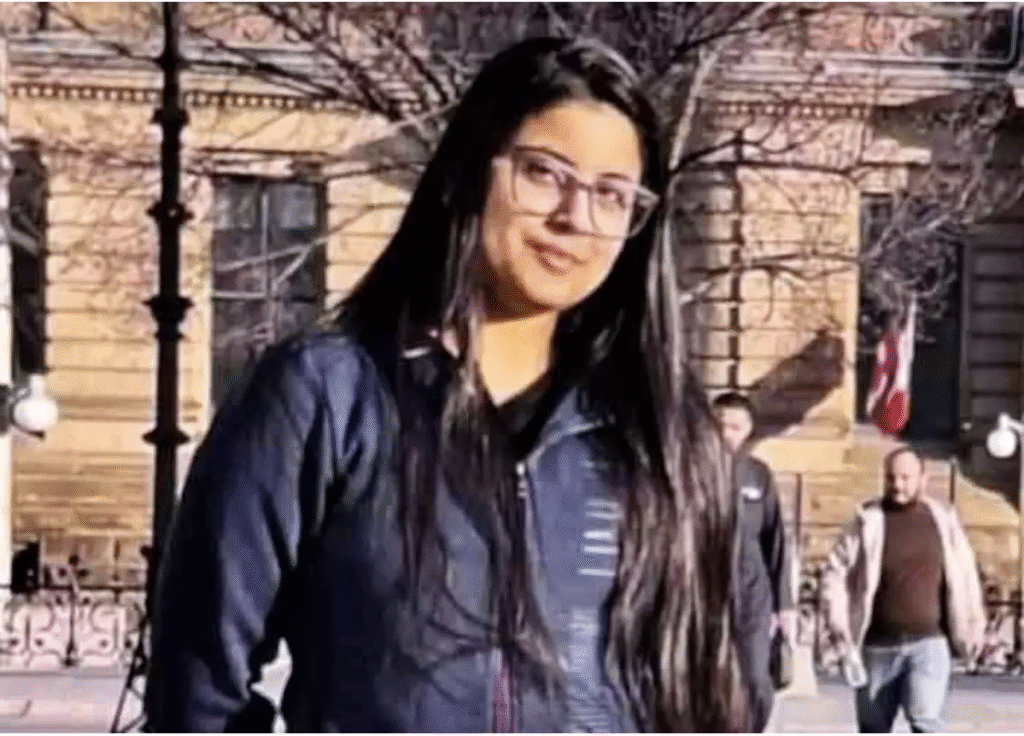
Davinder Saini has called upon the Indian government to intervene and ensure a transparent and thorough investigation into the circumstances of her death. He also requested that efforts be made to expedite the repatriation of her body so that the family may perform the final rites in India. In his appeal, he emphasized the need for the Canadian authorities to treat the case with seriousness and urgency.
The Indian Embassy in Canada responded quickly after the body was found. In a formal statement, the embassy expressed deep sorrow over Vanshika’s death and confirmed that the matter had been taken up with local authorities.
The cause of death remains undetermined, and Ottawa police have confirmed that the investigation is active. Notably, her mobile phone has yet to be recovered, and its data could provide critical clues about her last movements and possible contacts.
A Disturbing Pattern of Violence
Vanshika’s tragic death is not an isolated incident. In recent weeks, there has been a disturbing trend of Indian students falling victim to violence and other fatal incidents in Canada.
Just days before Vanshika was found dead, another 21-year-old Indian student, Harsimrat Randhawa, lost her life after being hit by a stray bullet during a shootout between two vehicles while she waited at a bus stop. That incident also occurred in Ottawa and was widely reported in both Canadian and Indian media.
Earlier this month, yet another Indian national was fatally stabbed in Rockland, a town near Ottawa. The local police have taken a suspect into custody in that case, but many details remain unclear. The proximity and timing of these incidents have led to increasing fears among the Indian student community and have raised questions about their safety and well-being in Canada.
While each case is unique and the motivations or circumstances vary, the frequency with which Indian students are becoming victims is alarming. Parents in India are growing increasingly anxious about sending their children abroad, despite the appeal of high-quality education and better career opportunities.
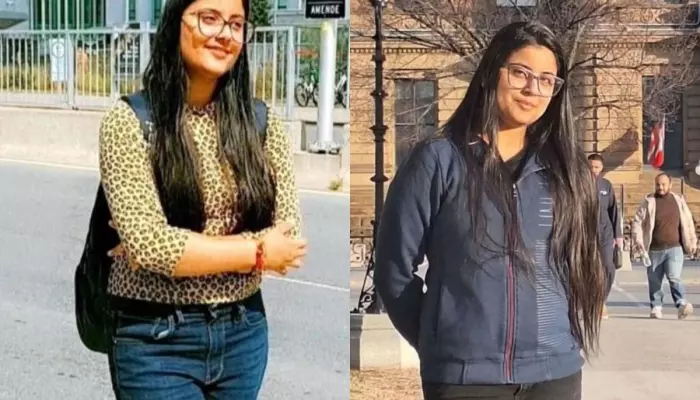
For many, Canada has traditionally been viewed as a safe and welcoming destination for international students. However, these incidents have caused that perception to be seriously questioned.Indian diaspora organizations in Canada are now calling for enhanced safety measures for international students, particularly those from South Asia.
There have been calls for better lighting in public spaces, more surveillance in student neighborhoods, and quicker response times by local police. Some groups are also asking for support from educational institutions to monitor student welfare more closely, especially when students are living off-campus or moving between rental homes.
In the wake of Vanshika’s death, the pressure is mounting on Canadian authorities to act swiftly and transparently. The student’s death has made headlines not just for its tragedy, but for what it represents: the vulnerability of young international students who leave their homes in pursuit of education, only to find themselves in dangerous or fatal situations abroad.
As Vanshika’s family prepares for her body to return to India, communities on both sides of the globe are mourning a young life that ended too soon. For many, this tragedy is a painful reminder of the risks and sacrifices involved in the pursuit of academic and professional dreams overseas.
While investigations continue and questions remain, what is certain is that Vanshika’s death will not be forgotten. It will continue to echo as a call for justice, accountability, and better protections for all international students.