

In a recent incident that has sparked discussions on academic freedom, national security, and immigration policies, an Indian student at Columbia University, Ranjani Srinivasan, has voluntarily left the United States after her student visa was revoked.
The U.S. authorities accused her of supporting Hamas, a designated terrorist organization, leading to her self-deportation using the CBP Home App. This development has raised questions about the boundaries of free speech, student activism, and the stringent measures taken by the U.S. government against individuals it deems a security threat.
Ranjani Srinivasan’s Academic Background
Ranjani Srinivasan was a doctoral student in Urban Planning at Columbia University’s Graduate School of Architecture, Planning, and Preservation (GSAPP).
Originally from India, she had an extensive academic background, holding an M.Phil in Urban Planning from Columbia, a Master’s in Design from Harvard University’s Graduate School of Design, and a Bachelor of Design from CEPT University in Ahmedabad. Her research reportedly focused on urban development and planning policies.
Srinivasan’s academic credentials placed her among some of the brightest minds in her field, making the allegations against her a subject of widespread debate.
On March 5, 2025, the U.S. Department of State revoked Srinivasan’s F-1 student visa, citing her alleged involvement in activities supporting Hamas.
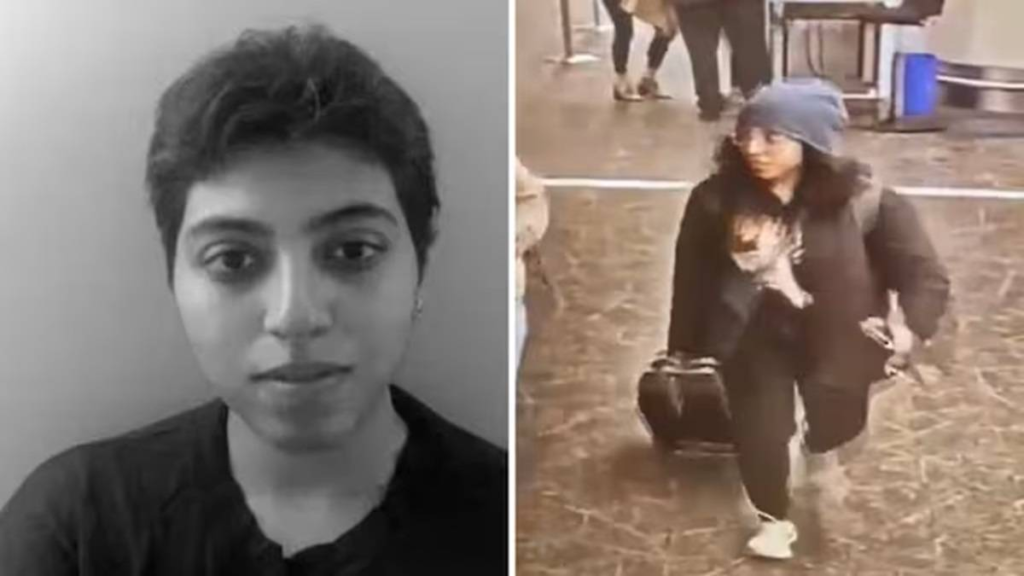
According to the Department of Homeland Security (DHS), Srinivasan was among several students at Columbia University whose visas were revoked for allegedly advocating violence and terrorism. DHS claimed to have obtained evidence linking her to pro-Hamas activities, though the exact nature of this evidence remains undisclosed to the public.
Read : 20-Year-Old Indian Student at University of Pittsburgh Missing in Dominican Republic
Following the revocation, Srinivasan used the CBP Home App to self-deport on March 11. This app, which allows certain non-citizens to expedite their departure from the U.S., was used as an alternative to deportation proceedings. The case has drawn significant attention due to its implications for international students, particularly those involved in political activism.
Read : Indian Universities See 318% Rise in QS World University Rankings Since 2015
The U.S. government has justified its actions by emphasizing national security concerns. U.S. Secretary of Homeland Security Kristi Noem stated, “It is a privilege to be granted a visa to live & study in the United States of America. When you advocate for violence and terrorism, that privilege should be revoked, and you should not be in this country.”
The incident has triggered a wide range of reactions. Supporters of the U.S. government’s decision argue that any association with terrorist organizations, even indirect, warrants strict measures.
They view the revocation of Srinivasan’s visa as a necessary step to maintain national security. However, critics argue that the move raises concerns about freedom of speech and the rights of students to engage in political discourse. Some believe that the lack of transparency in the accusations against her suggests a potential misuse of immigration laws to suppress dissenting voices.
Additionally, international students in the U.S. have expressed concerns about the broader implications of this case. Many fear that expressing opinions on politically sensitive issues could put their immigration status at risk, leading to self-censorship on campuses. This incident has also reignited debates on the role of universities in protecting student rights while complying with government regulations.
Srinivasan’s departure follows the arrest of another former Columbia student, Mahmoud Khalil, a Palestinian national, for overstaying his visa.
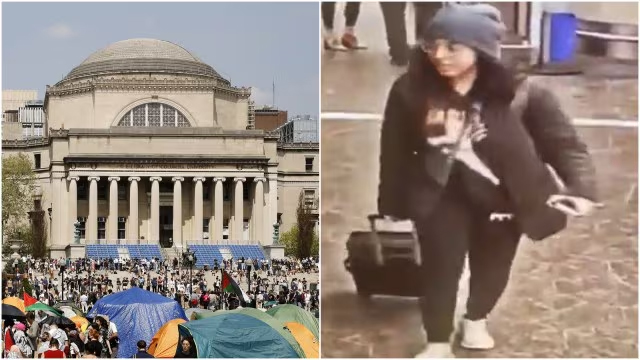
His involvement in pro-Palestine protests at Columbia University had placed him under scrutiny, leading to his detention by U.S. Immigration and Customs Enforcement (ICE). These cases highlight the increasing intersection of student activism and immigration enforcement in the U.S.
The revocation of Srinivasan’s visa and her subsequent self-deportation serve as a stark reminder of the precarious position international students may find themselves in when engaging in political discourse.
While the U.S. government maintains that such actions are necessary for national security, critics argue that the move could set a concerning precedent for the treatment of students expressing political opinions.
As debates over freedom of expression and security policies continue, this case is likely to remain a focal point in discussions surrounding immigration and academic freedom.