
Everybody has their own strange habits. Some chew on pen caps, others talk to themselves, and some have even more eccentric quirks. But for one 37-year-old man from China’s Fujian Province, an unusual habit turned into a serious health concern that landed him in the hospital.
The man, known only as Peng, had a peculiar tendency of Sniffing Own Dirty Socks Every Day after coming home from work. While this might seem simply odd or even mildly disgusting to most people, Peng didn’t consider it harmful—until it almost cost him his health.
Living in the city of Zhangzhou, Peng had reportedly developed this habit over time. He would return from a long day at work, remove his shoes and socks, and make a routine out of inhaling the scent of his used socks.
This ritual was something he had become “addicted” to, according to what he later told his doctors. But the seemingly harmless quirk would soon spiral into a medical mystery that left Peng in distress and physicians searching for answers.
Not long after maintaining this routine, Peng began to experience discomfort. He started feeling tightness in his chest, pain when breathing, and persistent coughing fits. At first, these symptoms led him to believe it was a common cold or perhaps seasonal flu.
Read : 14-Year-Old Harry Moss Crushed to Death by Heavy Machinery at Hillview Farm in Malvern
However, the discomfort persisted and eventually intensified to the point where he had to be admitted to the hospital. Physicians initially diagnosed him with pneumonia, a common enough condition that could cause the symptoms he presented.
From Habit to Hospital: The Dangerous Path of Inhaling Fungal Spores
While Peng underwent treatment for pneumonia, his symptoms failed to improve. The chest tightness remained, the coughing did not subside, and he continued to feel weak.
This lack of progress led doctors to conduct further investigations, including X-rays and lung scans. It wasn’t long before they identified a more alarming diagnosis—a fungal infection in the lungs, otherwise known as pulmonary fungal disease.
Read : The Truth Behind The Baby Born With Four Inch Long Tail In China
Fungal infections of the lungs are relatively rare, and they are often seen in individuals with compromised immune systems. While it might have seemed like an unconnected condition at first, further probing by the medical team revealed a possible and highly unusual cause—Peng’s daily sock-sniffing habit.
It turned out that his socks, worn for hours on end, likely contained a buildup of sweat, bacteria, and most crucially, fungal spores. When he sniffed them, he was essentially inhaling these microscopic spores directly into his lungs.
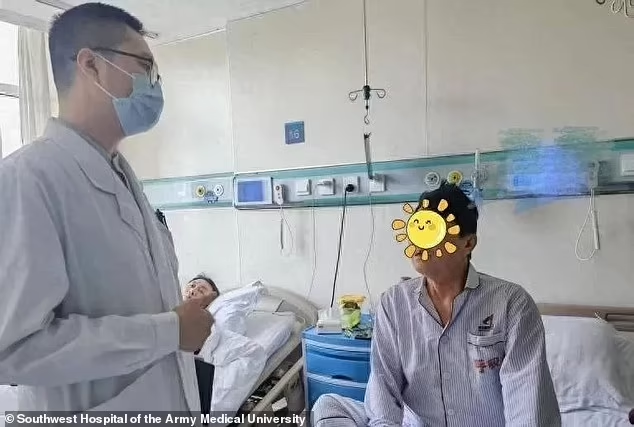
Fungi thrive in dark, damp, and warm environments—socks worn for extended periods provide the perfect breeding ground. As Peng inhaled the spores regularly, it gave the fungus an easy pathway into his respiratory system.
Over time, this led to colonization in the lungs and caused the severe infection he had been battling. Doctors at Zhangzhou’s 909 Hospital connected the dots after learning about his habit during a more detailed interview.
Adding to the issue was Peng’s weakened immune system. He had been caring for his young child at home, which led to sleep deprivation and physical exhaustion.
According to Dr. Mai Zhuanying, one of the doctors involved in Peng’s treatment, his lack of rest likely contributed to his body’s inability to fight off the infection effectively. In short, the combination of continuous exposure to fungal spores and lowered immunity created the perfect storm for a serious lung condition.
Public Reaction and Lessons Learned
Once Peng’s story reached the public, thanks to Chinese social media platforms like Weibo and video reports from Pear Video, it quickly went viral. The bizarre nature of the case drew both shock and amusement online.
While many found the story funny at first glance, it also triggered self-reflection in some netizens who admitted to having their own peculiar habits. “Oh no! Maybe I should stop sniffing my socks after wearing them for an entire day!” one user commented.
This case highlighted an important but often overlooked issue—how small and seemingly innocent habits can carry hidden health risks. People often engage in repetitive behaviors without fully understanding the possible biological consequences.
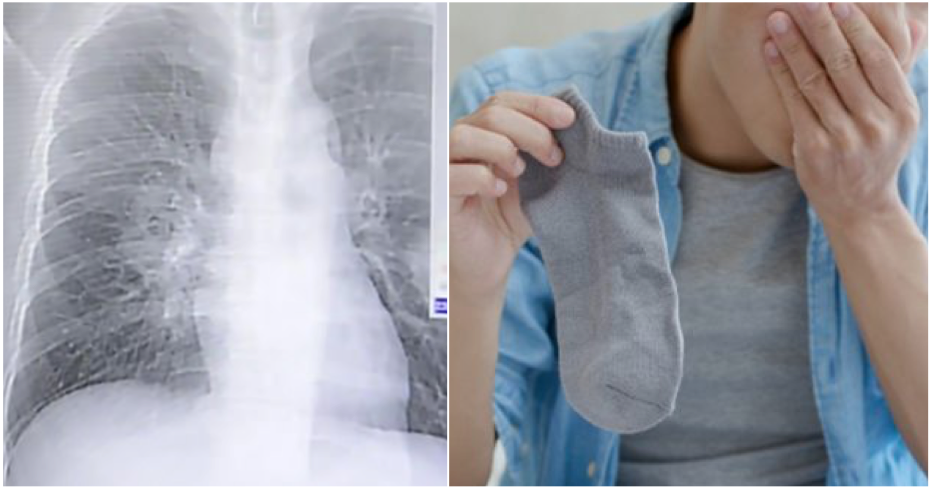
In Peng’s case, his ritual went far beyond being a quirky compulsion. It exposed him to harmful fungal spores daily, leading to an infection that, if left untreated, could have had far more severe outcomes.
It also sheds light on the growing need for awareness about hygiene-related health risks. While much focus is placed on visible habits such as washing hands or brushing teeth, less attention is given to behaviors that involve close contact with dirty clothing or body waste.
The case serves as a strange but powerful reminder that the body’s immune system can only do so much—and exposing it to continuous contamination can lead to dangerous outcomes.
Luckily for Peng, the story has a relatively happy ending. After receiving appropriate antifungal treatment, he was on the path to recovery. Doctors were optimistic that he would make a full recovery and return to good health.
However, it is unclear whether he has given up his sock-sniffing habit for good. One can only hope that this bizarre experience was enough to make him rethink his choices.
The Broader Implications of an Unusual Addiction
Beyond the physical health concerns, Peng’s story also touches on psychological and behavioral patterns. His admission of being “addicted” to sniffing his socks points toward a potential compulsive disorder or sensory-seeking behavior.
While it may not meet the full criteria of clinical addiction, the repetitive nature of the act, combined with the inability to stop despite negative consequences, raises questions about mental health.
In psychological terms, sensory stimulation—especially olfactory—is a powerful aspect of human behavior. Some individuals seek out certain smells for comfort, familiarity, or even pleasure.
However, when this behavior begins to interfere with health or daily functioning, it can become problematic. If such tendencies are left unexamined, they might lead individuals down paths that result in harm, as Peng’s case clearly demonstrates.
It also highlights how healthcare providers must sometimes think outside the box when diagnosing unusual cases. Initially, there was no obvious link between his lung infection and his personal habits.
Only through detailed questioning and a thorough understanding of his daily life did the doctors make the connection. This underlines the importance of holistic and patient-centered approaches in medicine, where doctors don’t just treat symptoms, but also consider the lifestyle and habits of their patients.
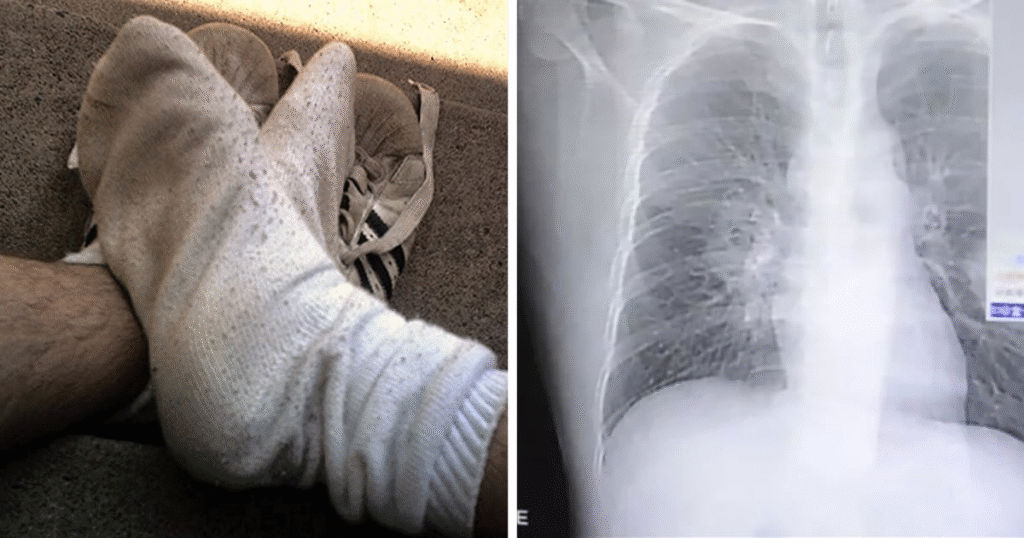
This story, as strange as it is, also opens up space for broader conversations about body-related fetishes, compulsive rituals, and how these intersect with health. In Peng’s case, his sock-sniffing was private, unshared, and likely seen as benign. But the biological reality of fungal spores, human sweat, and enclosed fabric spaces means there’s a tangible risk involved, especially when these actions become frequent and unchecked.
While the story may seem amusing or even absurd, it carries a serious message. Hygiene is not just about cleanliness in appearance; it extends to understanding the microbial world we live in.
And in that world, habits involving dirty clothes, especially items that harbor moisture and bacteria like socks, can become gateways for infection if they aren’t handled responsibly. Peng’s ordeal might remain a cautionary tale for years to come.
It’s not every day that a man is hospitalized due to a sock-sniffing compulsion, but the underlying principle is universal: even the smallest habits can have big consequences. Whether it’s skipping sleep, ignoring hygiene, or indulging in seemingly harmless quirks, the human body responds to what we put it through—sometimes with surprising results.
So the next time someone decides to give their day-old socks a sniff, hopefully they’ll remember Peng’s story—and choose not to inhale.