
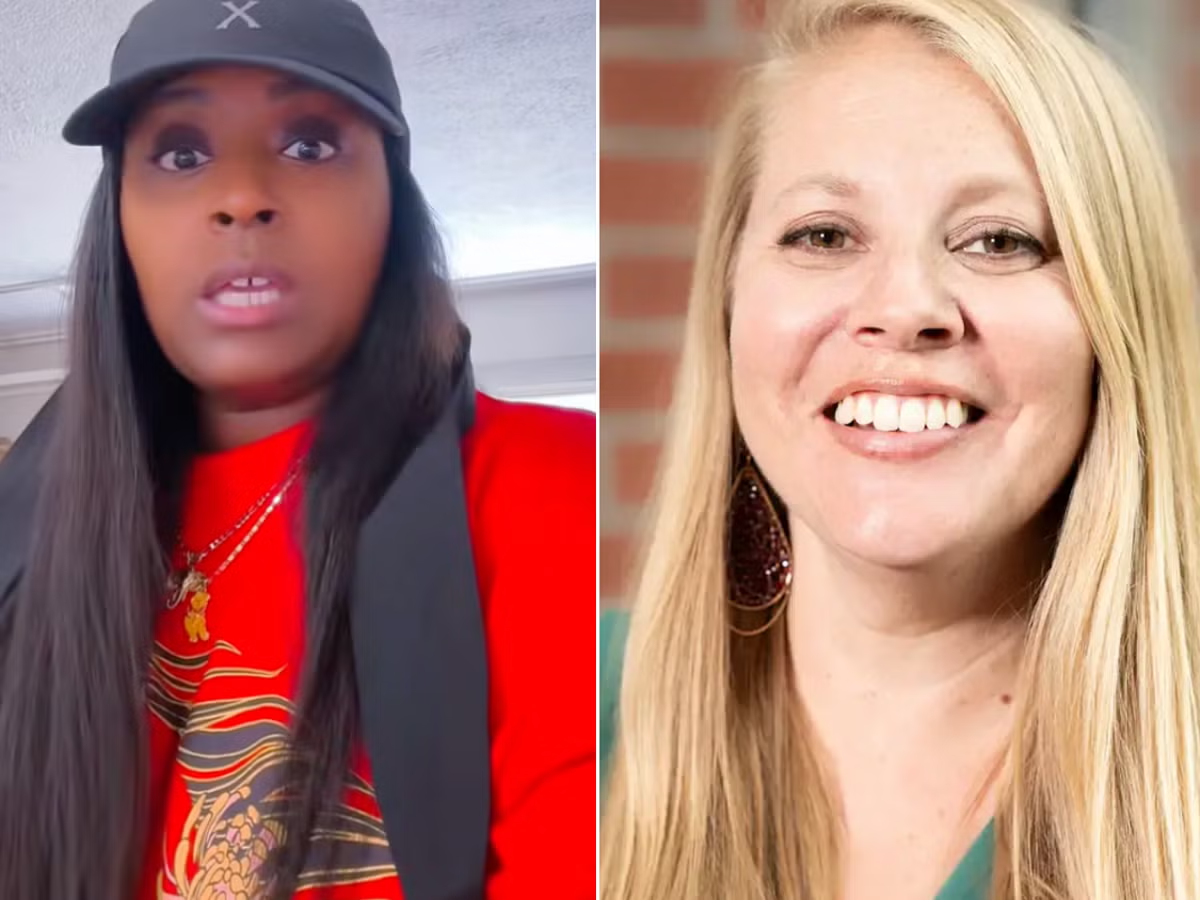
A federal jury has ordered social media content creator Ashley Guillard to pay $10 million in damages to University of Idaho professor Rebecca Scofield after finding that Guillard falsely accused her of involvement in the 2022 murders of four University of Idaho students. The decision marks a significant legal moment in the evolving intersection between online commentary, influencer culture, and defamation law. The verdict stems from a series of TikTok posts in which Guillard alleged that Scofield played a role in the killings of Madison Mogen, Kaylee Goncalves, Xana Kernodle, and Ethan Chapin—claims that the court determined were baseless and harmful.
The ruling not only brings closure to a lengthy legal dispute but also underscores the consequences of spreading unverified accusations online. It highlights how digital platforms can amplify speculative narratives that cause real-world damage to individuals’ reputations and livelihoods. The case unfolded against the backdrop of one of the most widely followed criminal investigations in recent American history, intensifying public scrutiny and emotional sensitivity surrounding the tragedy.
The Allegations and the Legal Battle
The controversy began in 2022, shortly after the shocking murders of four University of Idaho students. As law enforcement investigated the killings, public interest surged, and online discussions flourished. Among the voices entering the digital conversation was Ashley Guillard, a content creator who had built a following by analyzing high-profile criminal cases and offering speculative interpretations, sometimes consulting tarot cards as part of her content.
In a series of TikTok posts, Guillard claimed that Rebecca Scofield, a professor at the University of Idaho, was responsible for orchestrating the murders. According to court documents, the accusations were not supported by evidence and were instead framed as conclusions drawn from Guillard’s spiritual intuition. The claims also extended beyond the alleged murders. Guillard reportedly suggested that Scofield had engaged in, or implied involvement in, an inappropriate romantic relationship with one of the victims.
Rebecca Scofield filed a defamation complaint in December 2022, asserting that the allegations were false and had severely damaged her reputation. The complaint detailed how the posts linked her to one of the most horrific crimes in the university’s history, despite law enforcement having publicly confirmed that she was not considered a suspect. The Moscow Police Department clarified in December 2022 that Scofield was not under investigation, yet the posts allegedly remained online.
Court filings also indicated that Scofield sent multiple cease-and-desist letters requesting that the content be removed. According to the complaint, Guillard continued publishing videos accusing the professor of orchestrating the killings even after receiving those letters. The persistence of the posts formed a central element of the legal case, as Scofield argued that the ongoing publication exacerbated the reputational harm.
TikTok Psychic Ashley Gulliard Just Had Her Life Ruined in Court.. As the Jury just rewarded the UoI professor she slandered for 3 years $10,000,000 in total.
— atozy (@atozy) February 28, 2026
$5,000,000 in compensatory damages
$5,000,000 in punitive damages
This stems from Ashley falsely accusing professor… pic.twitter.com/adxnXmItYm
In June 2024, a federal judge ruled in Scofield’s favor, finding that Guillard’s statements were defamatory. The judge determined that the accusations were based solely on Guillard’s “spiritual intuition” rather than any objective or factual foundation. This judicial finding paved the way for the jury trial that would ultimately determine damages.
The Jury’s $10 Million Verdict
On February 27, a federal jury awarded Rebecca Scofield a total of $10 million in damages. The breakdown included $6.5 million related to the false murder allegations and an additional $3.5 million for the defamatory statements suggesting an inappropriate relationship with a student. The size of the award reflects the seriousness with which the jury viewed the impact of the allegations.
Defamation cases often hinge on whether statements were presented as factual assertions rather than opinions and whether they caused demonstrable harm. In this case, the court determined that the claims were framed in a way that suggested factual certainty. The jury’s award signals that the reputational damage, emotional distress, and professional consequences experienced by Scofield warranted substantial compensation.
Read : Who Is Rumeysa Ozturk, Tufts University Student Who Earned PhD One Year After ICE Detention?
The case unfolded within the broader context of the University of Idaho murders, which deeply affected the community. The four students—Madison Mogen, Kaylee Goncalves, Xana Kernodle, and Ethan Chapin—were killed on November 13, 2022. Bryan Kohberger later pleaded guilty to the murders and is currently serving four life sentences in prison. His conviction conclusively established responsibility for the crimes, further underscoring the false nature of the allegations directed at Scofield.
In a statement following the verdict, Scofield emphasized that the decision sends a clear message about accountability for false online statements. She noted that the murders marked one of the darkest chapters in the university’s history and stressed the importance of respecting victims and their families during such tragedies. Her statement reflected both relief at the outcome and a broader concern about the harm caused by misinformation.
Guillard responded publicly in a 21-part TikTok series posted on March 2 and March 3. In the videos, she characterized the verdict as “unfair and ridiculous,” disputed the jury’s findings, and questioned whether certain jurors were impartial. She also indicated that she may pursue an appeal, signaling that the legal battle could continue.
The Broader Implications for Online Influence and Accountability
The verdict against Ashley Guillard carries implications that extend beyond the individuals involved. It highlights the growing tension between free expression on social media platforms and the legal boundaries governing defamatory speech. While influencers and content creators often frame their commentary as personal opinion or speculation, the law distinguishes between protected opinion and false statements of fact that harm others.
Read : Bizarre! 3 High School Students Died After Being Hypnotized by Principal
The case illustrates how rapidly online allegations can spread and how difficult it can be for individuals to counteract viral narratives. In the digital age, a single post can reach millions within hours, potentially shaping public perception long before facts are established. When allegations concern violent crimes, the stakes are particularly high, as the reputational consequences can be severe and enduring.

Courts have increasingly confronted cases involving online defamation, as social media platforms have democratized publishing. The Guillard verdict reinforces the principle that digital platforms do not provide immunity from legal responsibility. The jury’s decision underscores that content creators are subject to the same standards as traditional publishers when it comes to making factual claims about identifiable individuals.
The case also raises questions about the ethics of true crime content and speculative commentary. True crime has become a dominant genre across podcasts, streaming services, and social media platforms. While many creators approach such topics responsibly, the pursuit of engagement and audience growth can sometimes incentivize sensationalism. The court’s finding that Guillard relied solely on “spiritual intuition” rather than objective evidence highlights the risks of presenting speculation as fact.
For Rebecca Scofield, the verdict represents both a legal vindication and a public affirmation that the accusations were unfounded. For the broader online community, the case serves as a reminder that the consequences of digital speech are tangible and enforceable. As Guillard considers a potential appeal, the outcome may continue to shape discussions about accountability, influence, and the limits of online expression.
The $10 million judgment stands as a significant marker in the evolving landscape of social media law. It reflects the judiciary’s willingness to impose substantial financial penalties when online content crosses the line into defamation. In doing so, the case reinforces a central legal principle: freedom of speech does not extend to false statements that cause demonstrable harm to others.