
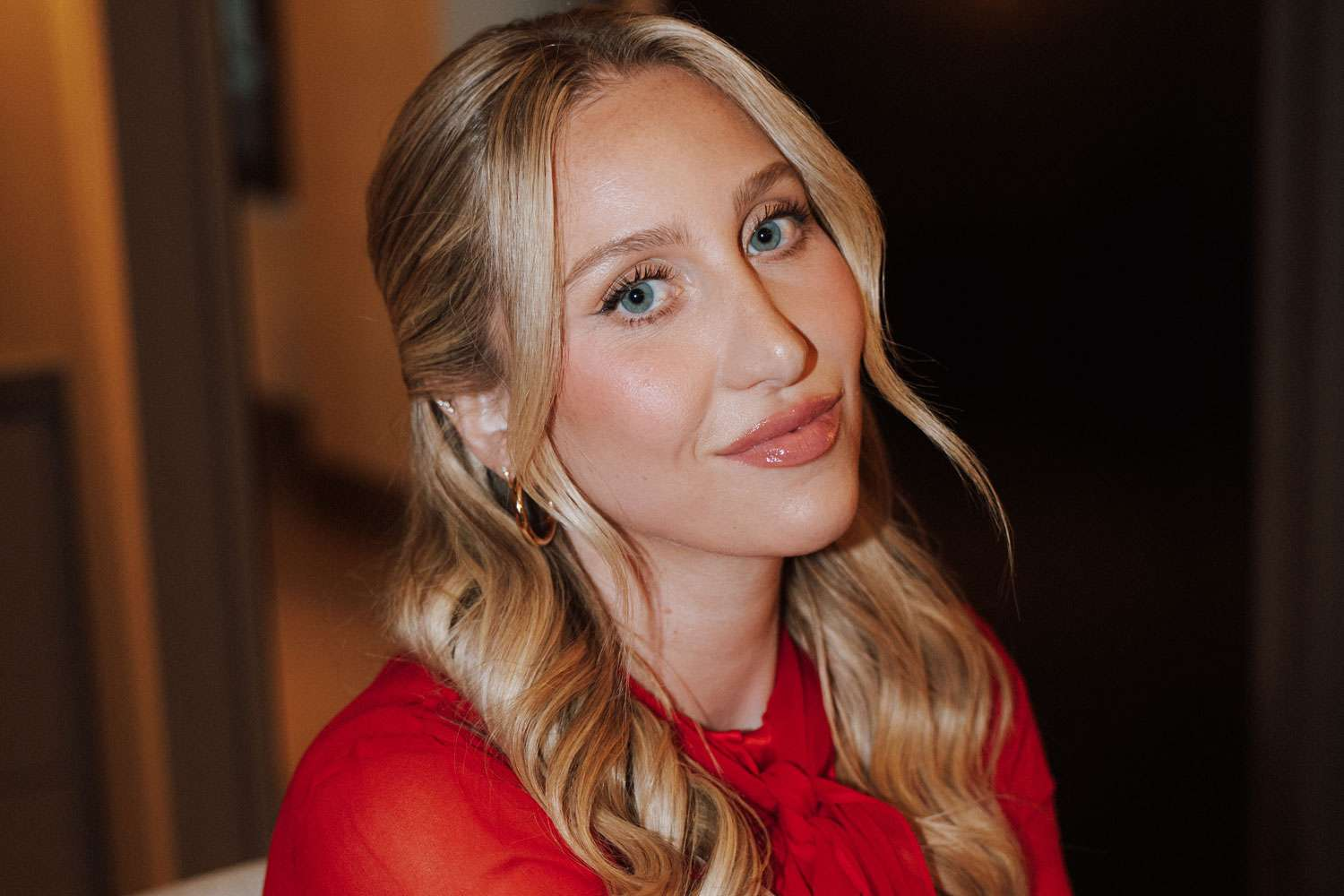
The rise of social media has transformed how conversations around mental health take place, shifting them from private settings into highly visible public spaces. Among the voices contributing to this change is Carly Weinstein, an influencer who built a following by sharing unfiltered reflections on her personal struggles, body image, and emotional well-being. Her journey from an aspiring athlete sidelined by injury to a widely recognized online personality highlights how authenticity can resonate deeply with audiences seeking connection and understanding.
However, as her platform expanded and her influence grew, Weinstein began to recognize the limitations of personal storytelling alone, prompting a significant decision to return to school and pursue a master’s degree in social work.
Her story reflects a broader shift in the influencer landscape, where audiences increasingly value not only relatability but also credibility. While her candid approach has helped many followers feel less alone in their struggles, Weinstein has become more aware of the responsibility that comes with speaking on sensitive topics like mental health. This awareness has driven her to bridge the gap between lived experience and professional expertise, ensuring that the support she offers is both meaningful and grounded in knowledge.
Building a Platform Through Vulnerability and Connection
Weinstein’s journey into the digital world began as a personal outlet during a challenging period in her life. After an ACL injury ended her soccer ambitions, she turned to writing and content creation as a way to process her emotions and experiences. What started as a personal coping mechanism quickly evolved into a public platform when her candid posts began resonating with a wider audience. As social media trends shifted toward short-form video content, she adapted her approach, using humor and honesty to discuss topics often considered uncomfortable or stigmatized.
Her willingness to share deeply personal aspects of her life, including struggles with an eating disorder, body image issues, and anxiety, became the foundation of her connection with followers. Many found comfort in her openness, particularly in her ability to express insecurities that are often hidden behind curated online personas. By presenting herself without a filter, she created a space where vulnerability was not only accepted but encouraged.
The impact of her content extended beyond engagement metrics. Followers frequently reached out to share how her honesty had influenced their own mental health journeys. Some credited her with encouraging them to seek professional help for the first time, whether by consulting a psychiatrist, considering medication, or initiating difficult conversations with family members. These responses underscored the powerful role influencers can play in shaping attitudes toward mental health, especially among audiences who may not feel comfortable seeking traditional support.
Read : Yemen’s Houthi Group Attacks Israeli Ships with Drones and Missiles in Red Sea
At the same time, Weinstein began to recognize the complexities of maintaining such openness. Sharing personal experiences in real time can blur the line between storytelling and emotional processing, potentially affecting both the creator and the audience. Over time, she adjusted her approach, choosing to reflect on her experiences after she had fully processed them rather than sharing them as they unfolded. This shift allowed her to provide more thoughtful insights while maintaining healthier boundaries.
Recognizing the Need for Credibility in Mental Health Conversations
As her platform grew, so did her awareness of the responsibility that comes with discussing mental health topics in a public forum. While her personal experiences offered valuable perspective, Weinstein acknowledged that they did not equate to professional expertise. This realization became a turning point in her journey, leading her to pursue formal education in social work.
Her decision to return to school was driven by a desire to add credibility to her voice and ensure that the information she shares is accurate and helpful. In an environment where misinformation can spread quickly, particularly on social media, she recognized the importance of grounding her content in evidence-based practices. By working toward a master’s degree in social work, she aims to better understand the complexities of mental health and provide more informed guidance to her audience.
Read : Influencer Tyler Bossetti Sentenced in $20 Million Ponzi Scheme
This step also reflects a broader concern about the role of influencers in shaping public discourse. As Weinstein noted, many people turn to social media figures for advice more frequently than they consult professionals or even close acquaintances. This dynamic places influencers in a position of significant influence, making it essential for them to approach sensitive topics with care and responsibility.

Her educational journey has also exposed her to a wider range of perspectives, particularly regarding access to mental health resources. Through her studies, she has become more aware of the systemic barriers that prevent many individuals from receiving proper care, including financial constraints, lack of insurance, and limited availability of services. This understanding has further shaped her approach, motivating her to provide accessible information and resources for those who may not have traditional support systems.
In addition to formal education, Weinstein has taken steps to incorporate expert voices into her platform. By engaging with licensed professionals and learning directly from them, she is creating a more balanced approach that combines personal storytelling with clinical insight. This evolution demonstrates her commitment to growth and her recognition that influence should be accompanied by accountability.
Bridging the Gap Between Influencers and Mental Health Professionals
One of Carly Weinstein’s most notable initiatives is the launch of a new podcast series focused on connecting audiences with mental health experts. This project aims to bridge the divide between the influencer world and the professional mental health community, bringing together perspectives that are often seen as separate. By featuring specialists from various fields, the series provides listeners with access to diverse insights and practical guidance.
Read : 21-Year-Old Brazilian Influencer Shot and Killed While Leaving Street Party
The concept behind the podcast is rooted in accessibility. Each episode is designed to serve as a starting point for individuals who may feel overwhelmed by the complexity of mental health care. By offering recommendations such as books, therapy approaches, and actionable steps, the series seeks to empower listeners to take the first step toward seeking help. This approach aligns with Weinstein’s broader goal of making mental health resources more approachable and less intimidating.
Her efforts also extend beyond content creation. Recognizing that not everyone has access to professional care, she has emphasized the importance of providing free resources and information. By doing so, she aims to address the gap between those who can afford mental health services and those who cannot. This commitment reflects her understanding that awareness alone is not enough; practical support is essential for meaningful change.
Weinstein’s unique position as both an influencer and a student in the field of social work allows her to act as a bridge between two worlds. On one hand, she understands the dynamics of social media and the ways in which content can engage and influence audiences. On the other, her academic training provides her with a deeper understanding of mental health issues and the systems that shape access to care. This dual perspective enables her to translate complex concepts into relatable content while maintaining a foundation of accuracy.
Her experience also highlights the growing importance of collaboration between influencers and professionals. As mental health becomes an increasingly prominent topic online, there is a need for partnerships that combine reach with expertise. By involving experts in her work, Weinstein is contributing to a model that prioritizes both connection and credibility.
At the same time, she continues to emphasize the importance of seeking professional help when needed. While social media can serve as a valuable source of support and information, it cannot replace the role of trained professionals. Encouraging followers to consult primary care doctors, therapists, or other qualified providers remains a key aspect of her message. This balanced approach reinforces the idea that influencers can complement, but not substitute, traditional mental health care.
Weinstein’s journey reflects a broader shift in how mental health is discussed and understood in the digital age. Her decision to pursue further education demonstrates a recognition that influence carries responsibility, particularly when addressing topics that have a profound impact on people’s lives. By combining her personal experiences with professional training, she is working to create a platform that is both relatable and reliable, contributing to a more informed and supportive online environment.