
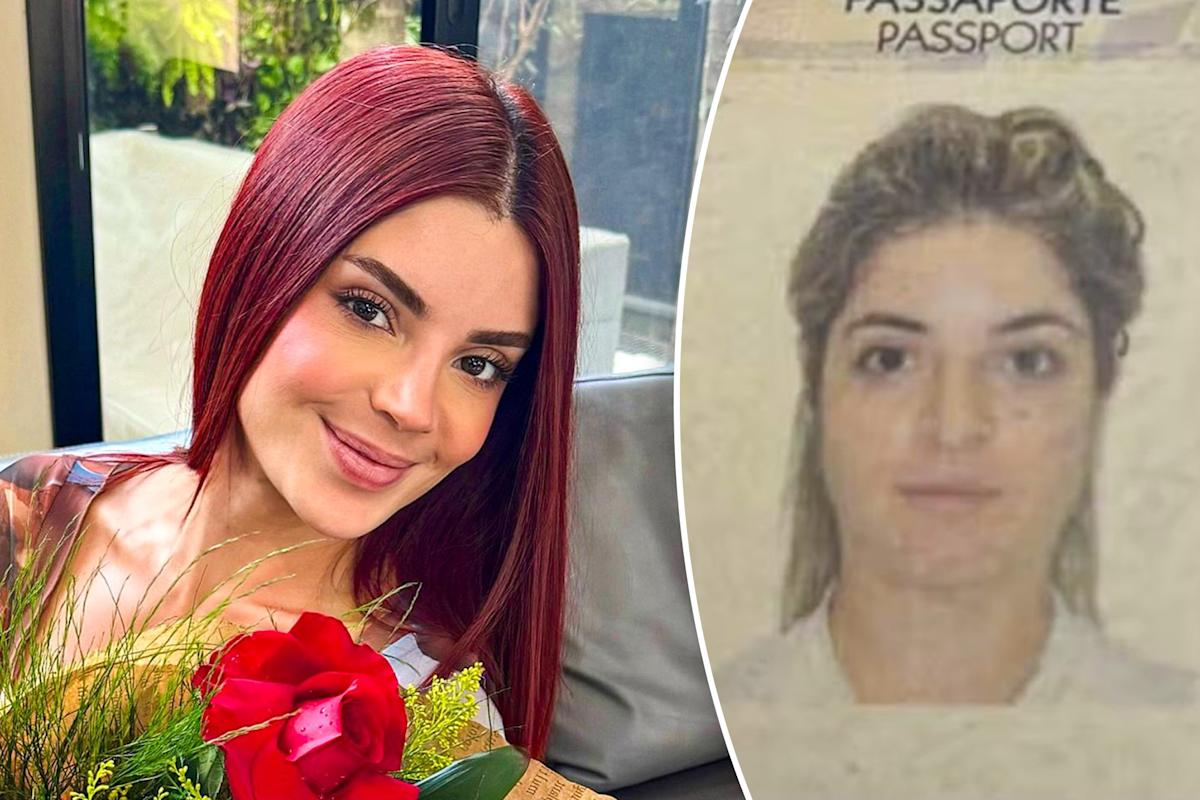
On April 10, 2025, Brazilian influencer and actress Gessica Kayane, known as Gkay, faced an unexpected ordeal at a Brazilian airport when immigration officials questioned her identity due to dramatic changes in her appearance from cosmetic surgeries.
The 32-year-old, boasting nearly 20 million Instagram followers, was nearly barred from re-entering her homeland because her face no longer matched the photos in her passport, national ID, or driver’s license.
This incident, which Gkay shared lightheartedly on Instagram Stories, highlights the real-world implications of extensive cosmetic procedures and raises questions about identity verification in an era of transformative beauty trends.
A Face That Didn’t Match the Passport
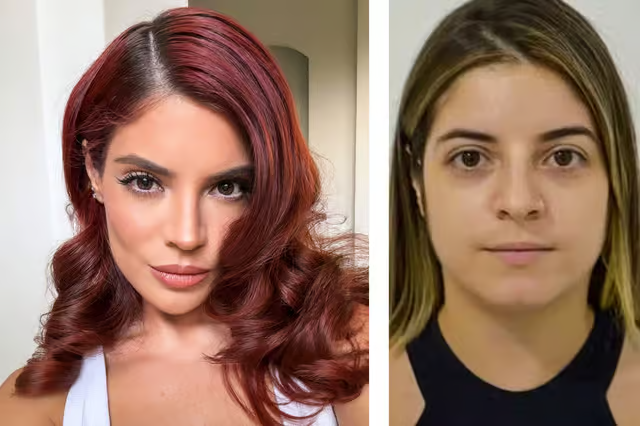
Gessica Kayane’s journey took a surreal turn upon landing in Brazil after an international trip. As she presented her documents at immigration, officials scrutinized her passport photo, puzzled by the stark contrast between the grainy, pre-surgery image and her current polished look.
“I was almost barred from entering the country because the photos on all my documents are different from my face now,” she explained in a candid Instagram post.
The situation escalated when she showed her national ID and driver’s license, which only deepened the confusion due to their even less recognizable images.
To prove her identity, Gkay resorted to an unconventional solution: pulling up her Instagram profile, rich with “before and after” surgery photos.
“I’m glad I had my Instagram and several ‘before and after’ to prove it,” she quipped, laughing off the awkward encounter. The officials, satisfied after reviewing her social media evidence, allowed her entry, but not before leaving Gkay with a to-do list: “First things to do back in Brazil—update all the photos of my documents.”
Gkay, a native of Solânea, Paraíba, has been open about her cosmetic enhancements, which include a breast augmentation and lift, rhinoplasty, jawline and cheek fat removal, and lip fillers. These procedures, spanning years, have sculpted her into a glossy, influencer-perfect image that diverges sharply from her earlier, more natural appearance.
Read : Influencer Logan Guminski Arrested for Disturbing Insta Video Involving Pet Dog
Her transparency, a hallmark of her brand, turned a potential crisis into a relatable anecdote for her fans, but it also exposed a practical challenge for those who alter their looks dramatically.
Read : The Woman With “world’s biggest cheeks” Is Now Looking For Boyfriend
This wasn’t the first time cosmetic surgery caused border issues in Brazil. In March 2025, influencer Janaína Prazeres faced similar scrutiny after spending nearly £1 million on procedures, her passport photo deemed “unrecognizable.” Gkay’s case, amplified by her massive following and Netflix roles in films like Christmas Full of Grace and Carnaval, has sparked wider chatter about the intersection of beauty standards and bureaucracy.
The Risks and Realities of Cosmetic Transformation
Gkay’s airport saga underscores a lesser-discussed consequence of cosmetic surgery: its impact on legal identity. Passports and IDs rely on facial recognition, and significant changes—whether from surgery, aging, or other factors—can complicate verification.
For influencers like Gkay, whose careers hinge on a curated image, procedures like rhinoplasty or fillers are professional investments, but they can inadvertently disrupt everyday processes. Her lighthearted resolution—flashing Instagram photos—worked this time, but not everyone has a digital archive to vouch for their identity.
Brazil leads the world in cosmetic surgeries, with over 1.4 million procedures annually, according to the International Society of Aesthetic Plastic Surgery. The cultural embrace of beauty, often tied to social mobility, drives many, including influencers, to reshape their bodies and faces.
Gkay’s rise from handing out flyers in João Pessoa to hosting the star-studded “Farofa da Gkay” party reflects this ethos, her transformed look a badge of success. Yet, her experience reveals a catch: the same enhancements that elevate status can trigger logistical hurdles.
The incident also touches on broader safety concerns. While Gkay’s surgeries appear successful, Brazil’s cosmetic industry has faced scrutiny. In 2018, a celebrity surgeon was charged in a patient’s death, and influencers like Luana Andrade (2023) and Aline Ferreira (2024) died from complications during procedures like liposuction and butt lifts.
These tragedies highlight the risks, especially in a country where public hospitals offer subsidized aesthetic surgeries, sometimes performed by trainees. Gkay’s candor about her procedures contrasts with the silence around such dangers, making her a voice for both glamour and caution.
Her fans, active on platforms like X, rallied around her story, with posts joking about “needing an Instagram passport” or praising her for owning the moment.
But the episode subtly challenges the influencer narrative: when does transformation go too far, not just aesthetically but practically? For Gkay, the answer lies in updating her documents—a task she vowed to tackle immediately.
Beauty, Identity, and the Digital Age
Gkay’s near-miss at the border is a modern parable, blending fame, technology, and the quest for perfection. As a Forbes “Under 30” honoree and Young Brazilian Award winner, she embodies Brazil’s influencer culture, where authenticity and aspiration coexist.
Her comedic sketches, fashion flair, and Netflix roles have made her a household name, but it’s her willingness to share vulnerabilities—like this airport hiccup—that keeps her relatable. “I laughed so I wouldn’t cry,” she told followers, turning embarrassment into engagement.
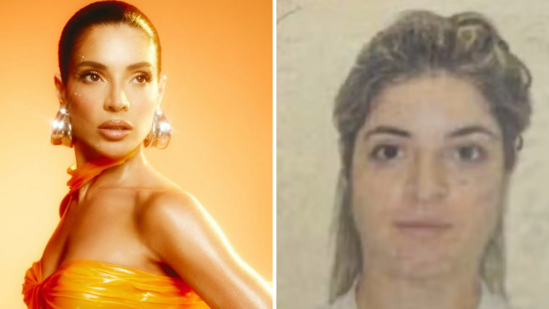
The reliance on Instagram to verify her identity points to a deeper shift: social media as a digital fingerprint. For Gkay, her 20 million followers and meticulously curated posts were a lifeline, but it raises questions about those without such platforms.
Immigration systems worldwide are adapting to biometric advancements, yet cases like Gkay’s suggest human judgment—and error—still play a role. In 2024, facial recognition tech misidentified travelers at several airports, hinting at the complexities of aligning physical and documented selves.
For Sun City’s Marian Roeser, a tomato stake was a tool of survival; for Gkay, Instagram was hers, proving identity where paper failed. Both women faced unexpected challenges—Marian against nature, Gkay against bureaucracy—but prevailed through resourcefulness. Gkay’s story, though less dire, mirrors this resilience, showing how ordinary tools (or apps) can resolve extraordinary moments.
As Gkay updates her passport, her experience will likely resonate with others navigating beauty’s transformative power. It’s a reminder that reinvention, while empowering, carries practical strings—ones that even a Netflix star can’t always predict. For now, she’s back in Brazil, her fans cheering her on, and her face, however changed, still unmistakably hers.