
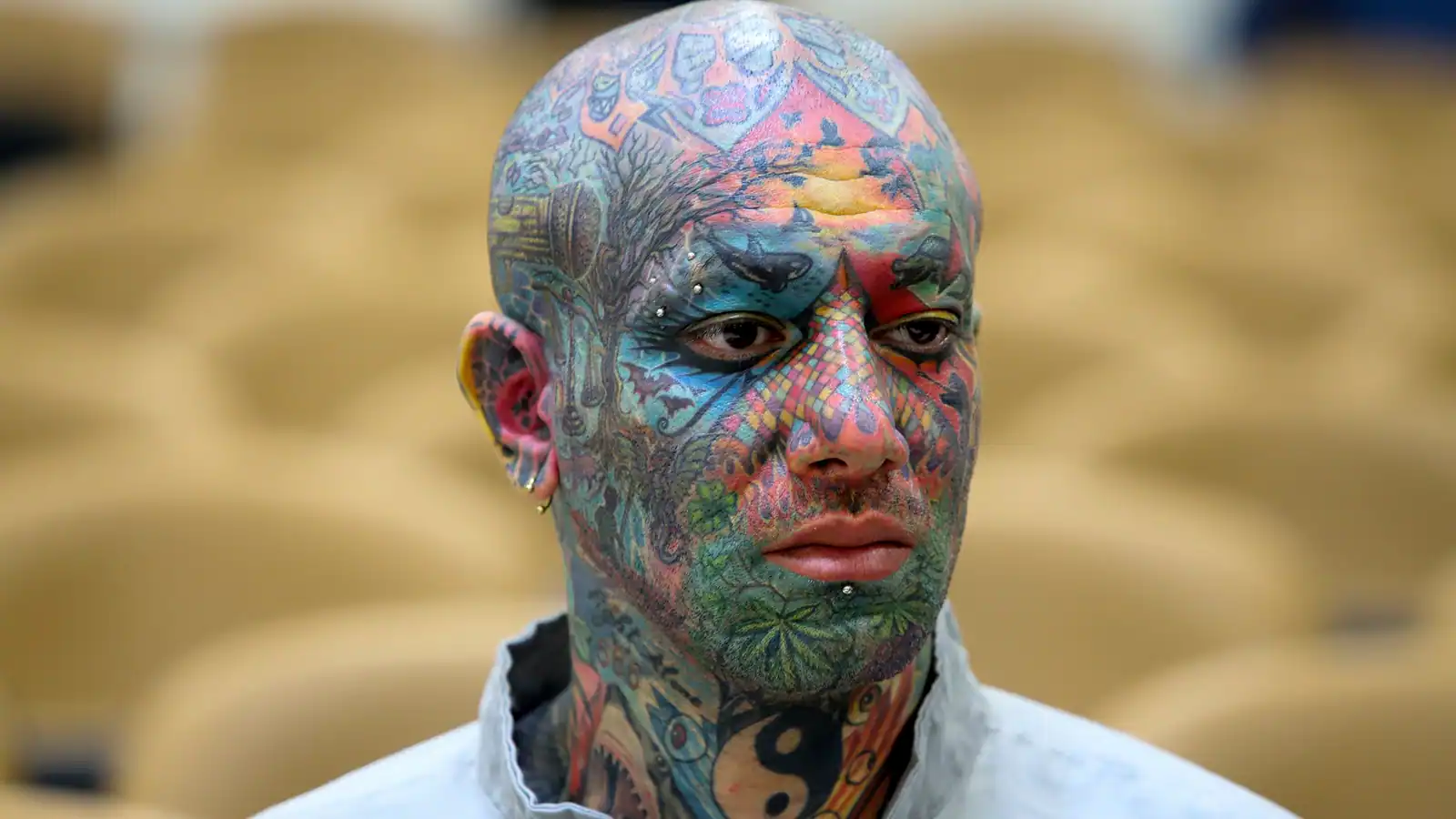
Amir Hossein Maghsoudloo, popularly known by his stage name Amir Tataloo, was born on September 21, 1987, in the Majidieh neighborhood of Tehran, Iran. Growing up in a family plagued by financial struggles, Tataloo’s youth was defined by hard work and sacrifice.
He began working at the age of 14 in a carpentry workshop and later took a job at a grocery store between the ages of 16 and 18. Despite the hardships, Tataloo maintained his commitment to education, all while nurturing a growing passion for music. That passion would eventually launch him into stardom, but it would also draw the ire of Iran’s conservative establishment.
Tataloo first made waves in the Iranian underground music scene in 2003, with the release of his debut single. He defied Iran’s ban on Western-style music by producing and releasing songs that blended pop, R&B, and rap—genres often frowned upon by Iranian authorities.
His bold, rebellious style and emotionally charged lyrics quickly gained him a devoted fan base among Iran’s youth. In 2011, he released his debut album Zire Hamkaf, which cemented his place as one of the most influential underground artists in the country.
A Career Marked by Fame, Controversy, and Defiance
Amir Tataloo’s music career continued to gain momentum, marked not only by his growing discography but also by his willingness to delve into political and social commentary. One of his most well-known moments came in 2014 when he recorded Manam Yeki az un Yazdahtam (“I’m Also One of Those Eleven Players”) to support the Iranian national football team at the FIFA World Cup. This mainstream attention, unusual for an underground artist, demonstrated the cultural impact he had achieved in Iran.
In July 2015, during critical nuclear negotiations between Iran and the P5+1 countries in Vienna, Tataloo released Energy Hastei, a song defending Iran’s nuclear program. The music video, which was shot aboard an Iranian navy ship, instantly went viral and became the top Persian-language trending search on Google.
Read : ‘If Jesus Were Alive Today President Donald Trump Would Deport Him Too,’ Says Hope Walz
The song ignited a firestorm of controversy. Reformist politicians and cultural critics accused him of being used as a propaganda tool, comparing him unfavorably to legendary Iranian singer Mohammadreza Shajarian, who had supported the 2009 Green Movement protests.
Read : Iranian Navy Warship Sahand Entirely Sinks Despite Rebalancing Efforts
Amir Tataloo’s rise to fame didn’t shield him from trouble with authorities. He was arrested in 2016 for promoting content and a lifestyle perceived to be against Islamic values. The charges included spreading vulgar lyrics, promoting Westernized behavior, and undermining public morality. Despite the backlash, he remained defiant and unrelenting in his artistic expression.
Exile in Turkey and a Dramatic Return to Iran
By 2018, Amir Tataloo had moved to Turkey to escape the mounting pressure in Iran. There, he enjoyed relative freedom and continued producing music, releasing albums and performing at large-scale concerts. However, his public persona remained as provocative as ever.
In 2020, he drew intense criticism for a social media post suggesting that children under the age of 16 should be allowed to marry. This statement sparked a wave of outrage both in Turkey and Iran, further adding to his growing list of controversies.

Tataloo’s legal problems intensified in 2023 when Turkish authorities arrested him due to an expired passport. He was deported to Iran and immediately detained by Iranian authorities. Once in custody, he faced a slew of charges, including promoting prostitution, spreading propaganda against the Islamic Republic, and distributing obscene content. A five-year prison sentence was initially handed down for his blasphemous lyrics and anti-Islamic sentiments.
The case, however, didn’t end there. Following an objection by the prosecutor, the Iranian Supreme Court reopened the case. In January 2025, after a re-evaluation of the charges, the previous ruling was overturned and replaced with a death sentence. The conviction was largely based on accusations of blasphemy, including insulting the Prophet Mohammed—an offense considered a capital crime under Iranian law.
From Underground Icon to Political Martyr
Amir Tataloo’s supporters have long argued that he is a victim of Iran’s rigid cultural and political apparatus, which seeks to silence dissent and stifle artistic freedom. Over the years, he has become a symbol of resistance against censorship and repression, particularly among Iranian youth who see his music as a voice for their frustrations and aspirations. His songs frequently touched on themes such as love, despair, identity, and rebellion—all of which resonated deeply in a society where expression is tightly controlled.
Despite his numerous arrests and controversies, Amir Tataloo managed to build an impressive musical legacy. His discography includes 21 albums and countless singles. In a notable milestone, he became the first Iranian artist to collaborate with Universal Music Group, breaking international barriers for Iranian pop musicians. His artistic influence stretched far beyond Iran’s borders, making him a cultural ambassador for a generation of Iranians living both within and outside the country.
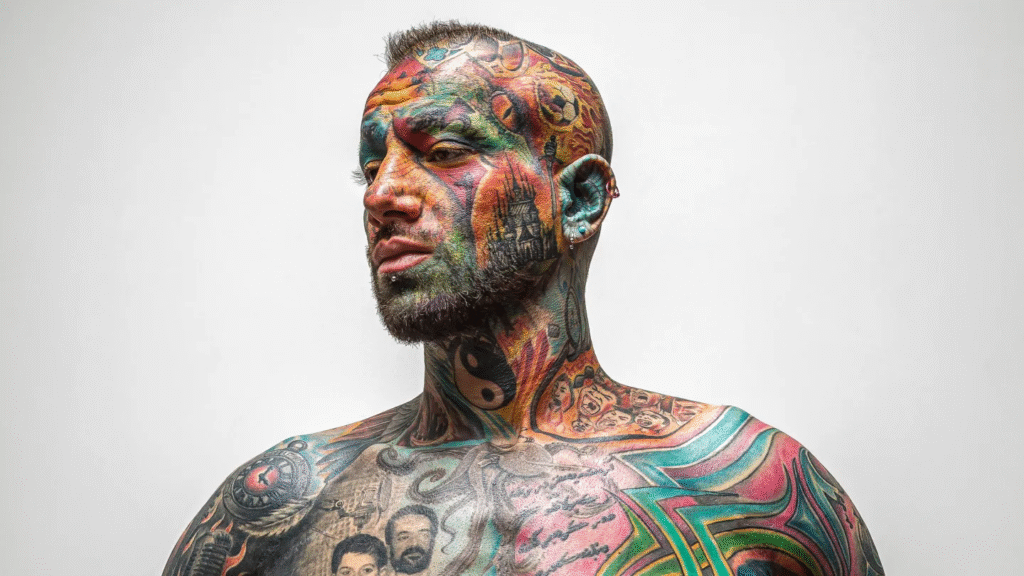
Yet, his provocative nature often clashed with Iran’s religious and political norms. The charges of encouraging prostitution and disseminating obscene content reflect not just legal interpretations, but also cultural judgments about his appearance, lyrics, and lifestyle. Tataloo’s use of tattoos, piercings, and his flamboyant fashion sense set him apart in a society where such displays are frowned upon or even criminalized.
The death sentence handed down in May 2025 has sent shockwaves across Iran and the international community. It has reignited the debate about freedom of expression, artistic liberty, and the state’s use of harsh punishments to maintain ideological control. Human rights organizations have condemned the ruling, describing it as a violation of international norms and a chilling message to artists and critics of the regime.
Amir Tataloo’s case is far more than a legal matter—it is emblematic of a deeper cultural conflict playing out in modern Iran. It pits a conservative religious establishment against a younger, more globalized generation that consumes international media, embraces diversity, and yearns for change. In many ways, Tataloo’s fate symbolizes the growing pains of a society struggling to reconcile tradition with modernity.
Whether or not the death sentence will be carried out remains uncertain. International pressure and domestic unrest have, in the past, influenced the outcomes of similar high-profile cases. However, the very fact that Tataloo has been sentenced to death for blasphemy is a grim reminder of the risks faced by those who dare to defy Iran’s rigid cultural orthodoxy.
As his music continues to echo among fans both inside Iran and across the Iranian diaspora, Amir Tataloo’s legacy is being reshaped—not just as a musician, but as a symbol of resistance, defiance, and the high cost of freedom of expression in one of the world’s most restrictive societies. His life story, filled with talent, controversy, and courage, now hangs in the balance. Whether seen as a hero or a heretic, Tataloo’s voice has left an indelible mark on Iranian culture.