
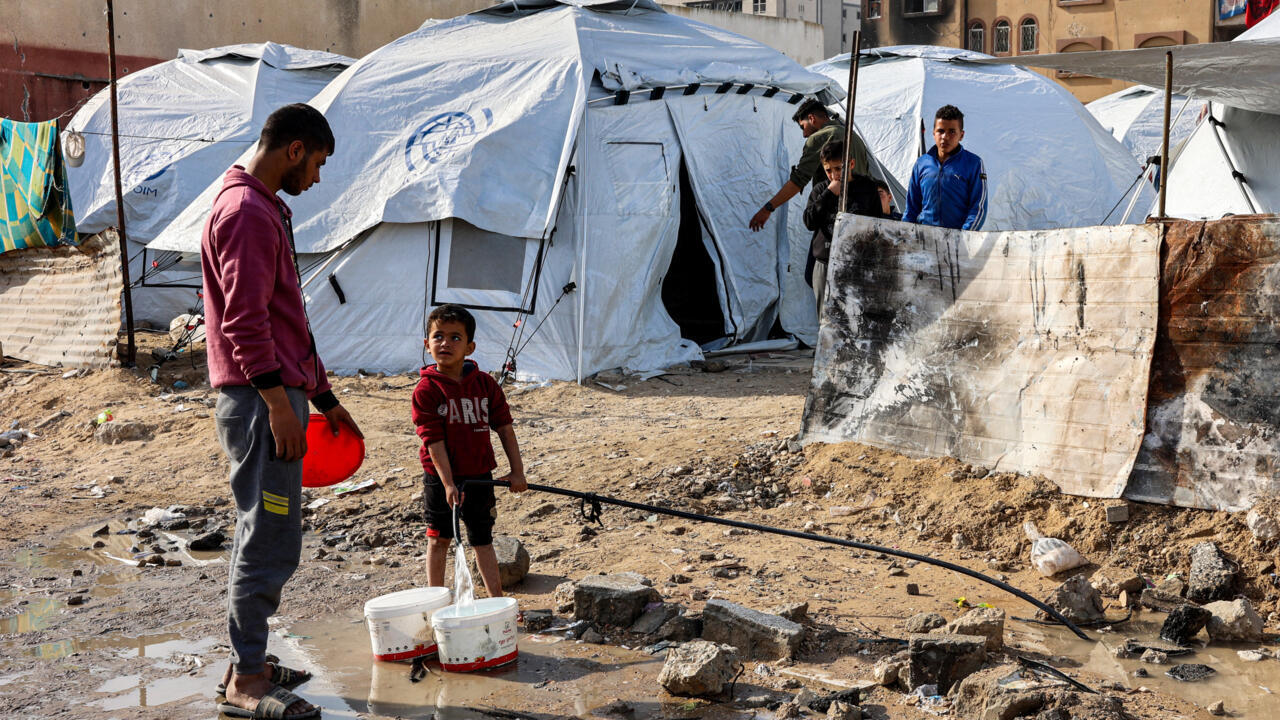
Israel has refuted allegations made by Human Rights Watch (HRW) that accuse it of weaponizing water as part of a broader campaign against Palestinians in Gaza.
The claims, which highlight severe water shortages leading to widespread disease and death, have been labeled as baseless propaganda by Israeli authorities. This controversy centers on allegations of deliberate deprivation of water supplies to over two million Gazans and the subsequent humanitarian crisis.
Allegations of Water Weaponization in Gaza
The Human Rights Watch report paints a dire picture of water scarcity in Gaza, attributing it to deliberate actions by Israel following Hamas’s offensive on October 7, 2023.
Israeli leaders, including then-Defense Minister Yoav Gallant and National Security Minister Itamar Ben-Gvir, publicly stated their intent to cut off essential supplies, including water, as a response to the attacks. According to the report, these statements translated into immediate action, with water pipelines supplying Gaza cut off by October 9, 2023.
This action reportedly reduced Gaza’s water supply by 12%, representing more than half of its drinking water. The compounded impact of restricted electricity, limited fuel imports, and damage to water infrastructure has severely hindered water production.
The United Nations Office for the Coordination of Humanitarian Affairs (OCHA) noted that water production levels in Gaza plummeted to 5.7% of pre-hostility levels by early 2024.
Read : Israel Reportedly Trying to Create Hamas-Free ‘Bubble’ Zones in Gaza
HRW accuses Israeli forces of targeting key WASH (Water, Sanitation, and Hygiene) facilities, including wastewater treatment plants and reservoirs, further exacerbating the crisis.
Read : Israel’s Deprivation of Water in Gaza Is Act of Genocide: Human Rights Watch
These claims, based on testimonies from Palestinians, water authority officials, and healthcare workers, suggest a calculated policy aimed at deprivation, which HRW describes as an act of genocide.
Humanitarian Consequences of Water Scarcity
The humanitarian toll of restricted water access in Gaza has been devastating. Overcrowded living conditions, coupled with inadequate water supply and damaged sanitation systems, have led to the spread of diseases such as diarrhea and respiratory infections.
According to the Ministry of Health in Gaza, traces of poliovirus were detected in sewage water earlier this year, marking the first reported case of polio in 25 years.

UNICEF reported a surge in diarrhea cases among children under five, rising from 48,000 to 71,000 in a single week in December 2023. Additionally, the World Health Organization (WHO) documented over 225,000 cases of skin diseases and more than one million cases of acute respiratory infections by October 2024.
Healthcare workers in Gaza have described dire conditions, with sanitation-related diseases affecting virtually every individual they encountered. Contaminated water and poor hygiene have intensified the crisis, making survival increasingly difficult for the population.
Israel’s Denial and Response to HRW Accusations
Israel has strongly denied the allegations made in the HRW report, dismissing them as unfounded and politically motivated. The Israeli Foreign Ministry has labeled the report as “propaganda,” asserting that it is part of a broader campaign to discredit the nation.
In a statement on social media, the ministry’s spokesperson accused HRW of spreading “blood libels” and questioned the credibility of the organization. The spokesperson emphasized that the claims made in the report are not only untrue but also “appalling even by HRW’s already low standards.”
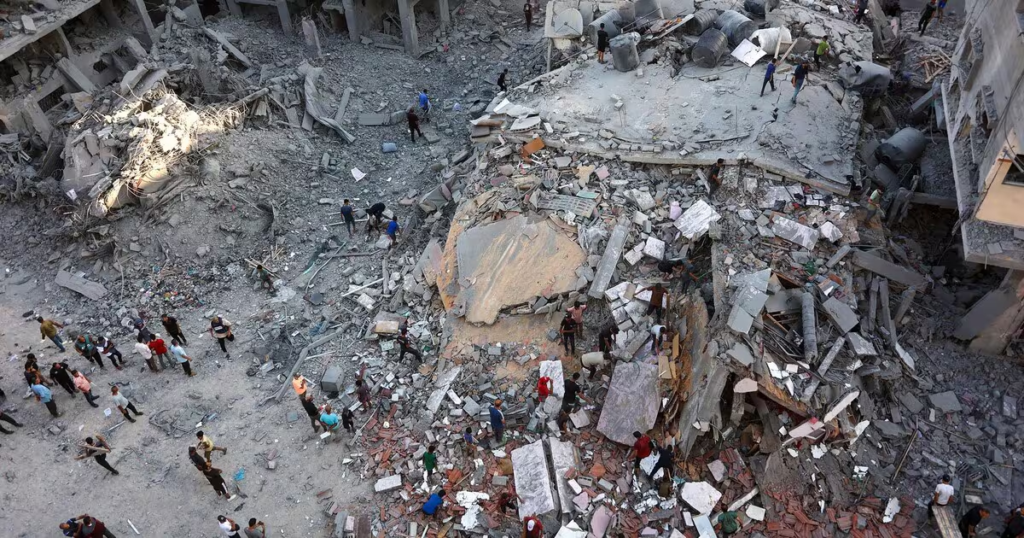
Israeli officials argue that the water shortages in Gaza are primarily a result of Hamas’s governance and mismanagement of resources. They maintain that their actions are focused on neutralizing threats posed by Hamas, rather than targeting civilians.
The denial highlights the complexity of the situation in Gaza, where humanitarian crises are often intertwined with geopolitical conflicts. While Israel rejects the allegations, the lack of adequate water and sanitation continues to pose severe risks to the health and well-being of Gazans.
Moving Forward Amid Controversy
The accusations against Israel and its subsequent denial underscore the need for impartial investigations and sustained international attention.
Addressing the humanitarian crisis in Gaza requires collaborative efforts that transcend political disputes. Humanitarian organizations have called for the restoration of water supplies and the rebuilding of critical infrastructure to prevent further loss of life.
The allegations of genocide have added a new dimension to the already fraught Israeli-Palestinian conflict, intensifying calls for accountability and justice.
As the international community scrutinizes these developments, the focus must remain on alleviating the suffering of the people in Gaza and ensuring their access to essential resources.