
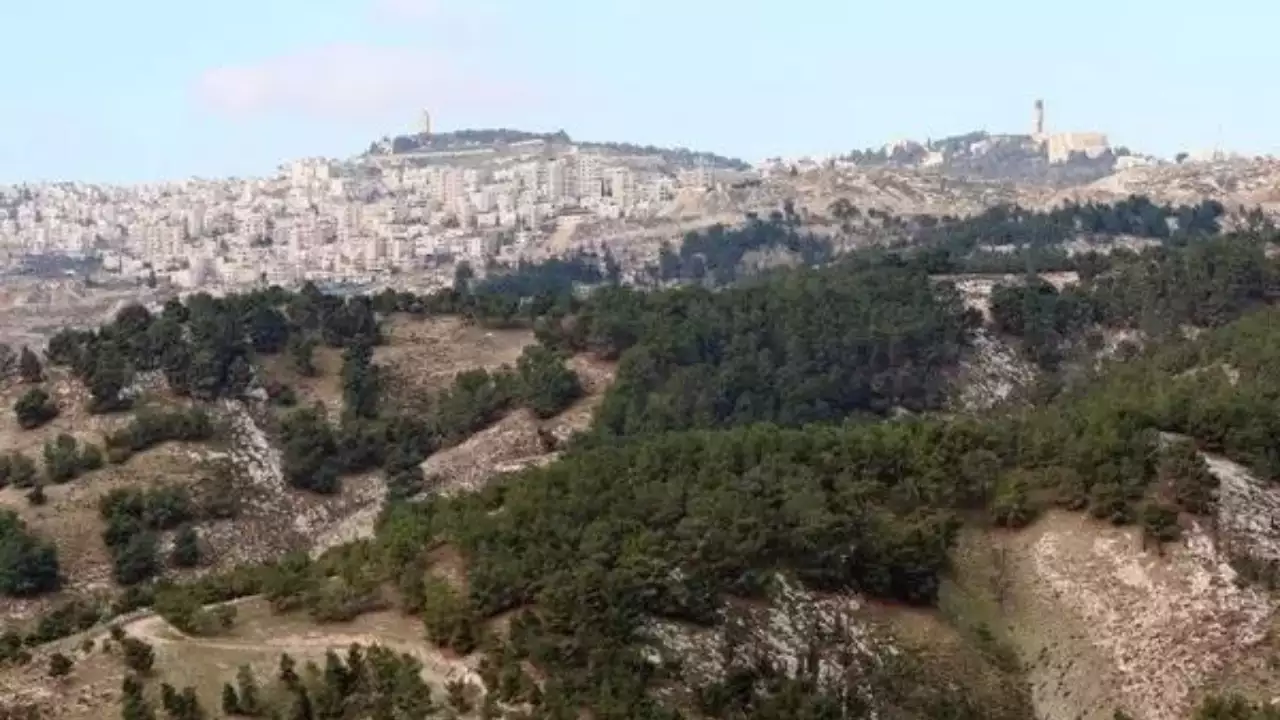
In a significant move that reflects the close ties between the United States and Israel, a town in the Judean region of Israel has renamed a 4,000-acre tract of municipal land to “Trump One” (T1).
This renaming pays tribute to the policies and efforts of former US President Donald Trump, who has been widely praised by Israeli leaders for his strong support of Jewish communities and strategic interests in the region.
A Tribute to Strengthened US-Israel Relations
The renaming of the land, previously known as E1 or Mevaseret Adumim, was announced by the mayor of Ma’ale Adumim, Guy Yifrach. The 4,000-acre zone, now carrying the name “Trump One,” symbolizes Israel’s appreciation for Trump’s unwavering support, particularly in areas like Judea and Samaria.
Trump’s tenure marked a pivotal shift in US-Israel relations, characterized by his administration’s recognition of contested territories and his proactive approach to Middle Eastern diplomacy.
The mayor highlighted that the decision to honor Trump during his second term underscores a strategic opportunity to bolster Jewish settlements in disputed territories. “Trump’s second term is a unique opportunity to strengthen Jewish communities, especially in Judea and Samaria,” Mayor Yifrach stated.
Read : 19-Year-Old Palestinian Man Stabbed Israeli Man on Levontin Street: Shot Dead By Civilian
He further emphasized the importance of establishing territorial continuity between Ma’ale Adumim and Jerusalem, calling T1 a “strategic asset” for the region.
Trump’s Legacy in Israeli Policies
Donald Trump’s policies as US President left a lasting mark on Israeli politics and regional dynamics. Among his most notable actions was the recognition of Israeli sovereignty over the Golan Heights in 2019, a move celebrated by Israel as a historic milestone. In response, a new community in the Golan was named “Ramat Trump” in his honor.
Trump’s administration also played a critical role in reversing several Obama-era policies that were seen as unfavorable to Israeli interests. These included lifting sanctions on Israeli settlers in Judea and Samaria and cutting funding to the United Nations Relief and Works Agency (UNRWA), which provides aid to Palestinians.
Read : Watch: Trump Criticizes Biden Over G7 Appearance in Italy – “He Had No Idea Where He Was”
Trump’s bold decisions, such as imposing sanctions on International Criminal Court officials, further solidified his reputation as a staunch ally of Israel.
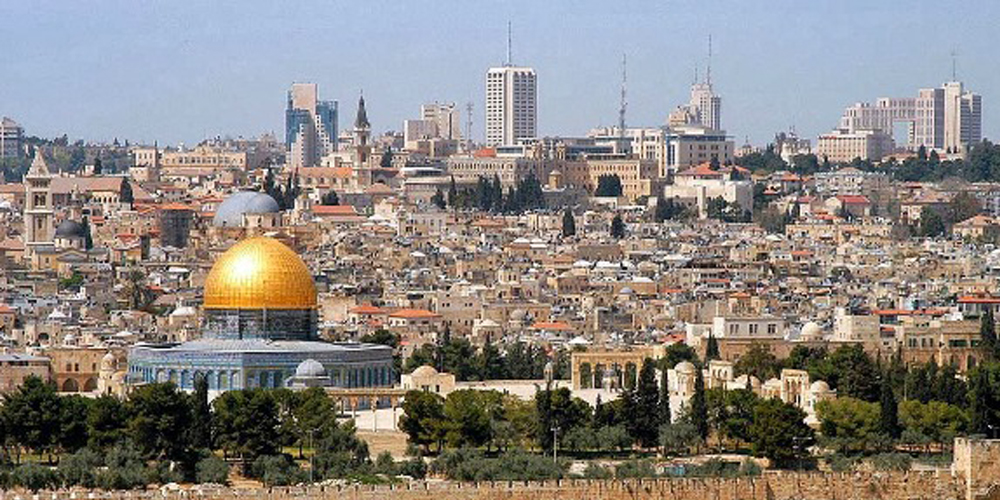
Mayor Yifrach and other Israeli leaders have expressed optimism about Trump’s second term, viewing it as an opportunity to further advance the development of Jewish communities in the region.
Plans to build more than 3,000 homes in the renamed “Trump One” area have been delayed due to international opposition, but officials hope that stronger US-Israel ties will help overcome these hurdles.
Geopolitical and Strategic Significance
The renaming of “Trump One” carries not just symbolic value but also underscores the strategic importance of the area. Situated within Ma’ale Adumim’s municipal boundaries, the zone is part of Area C under Israeli-Palestinian agreements.
Israel retains full administrative and security control over this region, which has been at the center of debates about territorial claims and settlement expansion.
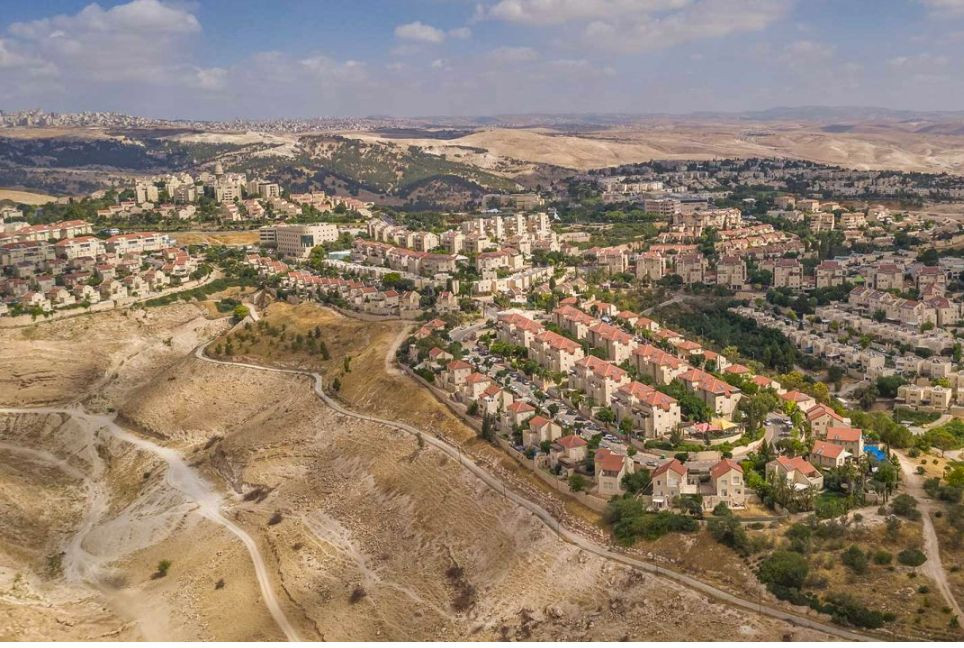
The decision to rename the area highlights Israel’s efforts to solidify its presence in Judea and Samaria, despite opposition from the Biden administration and other international actors. The 4,000-acre land, considered a critical link between Ma’ale Adumim and Jerusalem, is seen as pivotal to creating a contiguous Israeli territory.
This renaming also serves as a statement of gratitude and trust in Trump’s policies, with Mayor Yifrach stating, “We trust Trump and believe that he will promote construction in the region in the coming months.”
As the region continues to grapple with complex geopolitical realities, the naming of “Trump One” stands as a testament to the enduring alliance between the United States and Israel and the significant impact of Donald Trump’s presidency on the region’s political landscape.
The renaming of this land reflects Israel’s appreciation for a leader who reshaped the dynamics of US-Israel relations. It is a reminder of how individual leadership can influence long-standing alliances and the course of history in contested regions.