
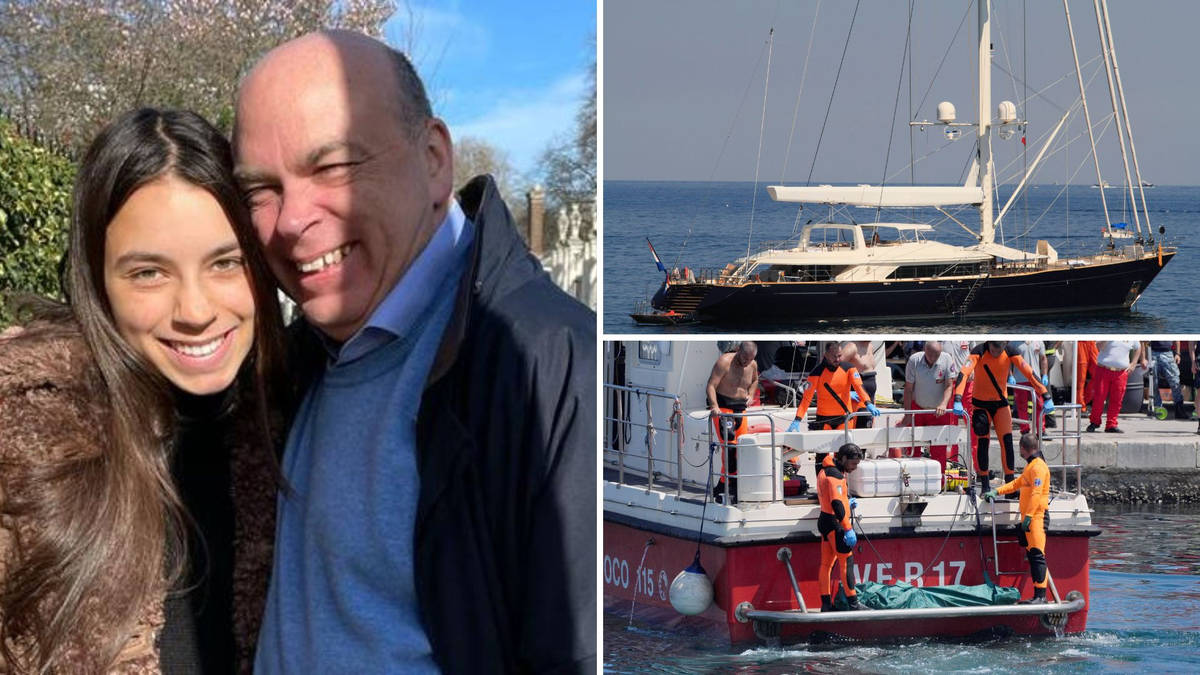
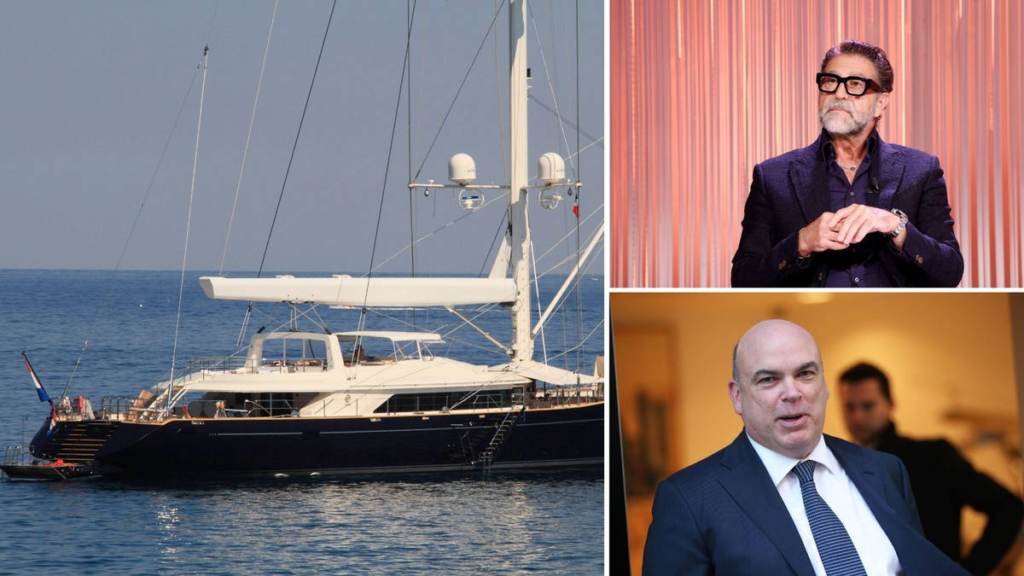
The legal and commercial fallout from the sinking of the superyacht Bayesian has intensified, with the vessel’s builder launching an extraordinary damages claim against the widow of its late owner. The Italian Sea Group, one of Europe’s most prominent luxury yacht manufacturers, has filed a lawsuit in Sicily seeking approximately €456 million, arguing that reputational damage from the disaster destroyed its business prospects and halted future sales.
At the centre of the case is Angela Bacares, the widow of British technology entrepreneur Mike Lynch, who died alongside his teenage daughter and five others when the yacht capsized during a violent storm off the coast of Sicily in August 2024. The claim places unprecedented scrutiny on the allocation of responsibility following one of the most high-profile maritime disasters involving a privately owned luxury vessel.
While multiple investigations are still ongoing, the lawsuit represents a decisive attempt by the builder to shift blame away from design and construction and onto the yacht’s crew and owner. It also raises complex questions about how reputational harm is assessed in the luxury maritime sector, where trust, exclusivity and perceived safety are central to commercial success. For Bacares, who survived the sinking, the lawsuit compounds an already overwhelming legal and financial landscape.
In addition to the Italian civil action, she faces the prospect of further claims from bereaved families and the implications of a separate High Court ruling in the UK that has left the Lynch estate exposed to liabilities exceeding £700 million. Against this backdrop, the lawsuit by The Italian Sea Group has become a focal point for broader debates about accountability, corporate responsibility and the risks inherent in ultra-high-value maritime assets.
The Lawsuit and the Builder’s Claims
The Italian Sea Group has filed its case in the Sicilian town of Termini Imerese, naming Bacares in her capacity as the legal owner of Revtom, the company that held the yacht. The defendants also include the vessel’s skipper, James Cutfield, and two crew members, Timothy Eaton and Matthew Griffiths. According to the court filings, the shipbuilder alleges that crew incompetence and negligence were the direct causes of the capsize, asserting that the yacht itself was soundly designed and built.
Central to the builder’s argument is its claim that Bayesian was effectively “unsinkable” if operated in accordance with established procedures. The company contends that the crew failed to secure hatches, ignored weather warnings, and did not lower the keel as conditions deteriorated. These alleged failures, it argues, left the yacht vulnerable during an extreme storm and directly led to the capsize while the vessel was anchored near the fishing village of Porticello.
The damages sought are striking in scale. The Italian Sea Group claims that it lost hundreds of millions of euros in future sales as a result of being publicly associated with the sinking. It alleges that planned orders worth close to £1 billion failed to materialise in the months following the disaster and that no yachts bearing the Perini brand, under which Bayesian was built, have been sold since. The company argues that this collapse in sales reflects a catastrophic blow to its reputation, rather than any intrinsic issue with its products.
The builder is majority-owned by Italian yachting entrepreneur Giovanni Costantino, who has been vocal in defending the company’s engineering standards. From its perspective, the lawsuit is an effort to restore commercial credibility by formally asserting that responsibility lies with human error rather than design. The company maintains that the public narrative surrounding the sinking unfairly implicated the shipyard, causing long-term harm that can only be addressed through the courts.
Read : Earth’s Blue Oceans Turning Green Due to Climate Change: NASA Satellite Data
However, the decision to sue the widow of the yacht’s owner has drawn criticism and revived memories of a similar legal manoeuvre shortly after the disaster. In September 2024, lawyers acting for the company briefly filed a comparable claim against Bacares, only for the documents to be withdrawn. At the time, the company distanced itself from the move, stating that it had issued only a generic mandate and that no authorised writ had been approved or signed. The revival of the claim in a more expansive form has therefore been interpreted by some observers as a calculated escalation rather than a purely defensive action.
Investigations, Design Questions and Competing Narratives
The builder’s assertions stand in sharp contrast to findings and observations emerging from official investigations into the sinking. The UK Marine Accident Investigation Branch reported that the superyacht had specific vulnerabilities that were not known to the crew at the time of the incident. Among these were concerns about stability linked to the yacht’s unusually tall mast, a distinctive design feature that may have affected its behaviour in extreme weather.
Investigators noted that these risks were not clearly set out in the stability information available on board. This has fuelled arguments that the crew could not reasonably have been expected to manage hazards that were neither fully disclosed nor adequately explained. For critics of the lawsuit, this raises fundamental questions about whether responsibility can be shifted entirely onto those operating the vessel at the time.
Italian prosecutors have also confirmed that crew members are under criminal investigation, underscoring the seriousness with which authorities are examining operational decisions made on the night of the disaster. While criminal inquiries do not automatically determine civil liability, they form part of a broader evidentiary landscape that the civil court will have to consider. The existence of parallel investigations complicates the builder’s claim that the matter is straightforwardly one of crew negligence.
Angela Bacares has spoken publicly about her experiences during the final moments before the yacht sank. She told Italian prosecutors that she was woken as the vessel began to tilt during the storm and initially felt curious rather than alarmed. Recalling that the yacht had weathered severe conditions just weeks earlier, she said she did not believe those on board were in immediate danger. Her account emphasised the calm demeanour of the crew, including the skipper, which she said reassured her until conditions suddenly worsened.
She later described a catastrophic shift as winds of up to 80 miles per hour and a tornado-like waterspout struck the mast, causing the yacht to roll violently onto its side. Pulled to safety by a crew member, Bacares was unaware at the time that her husband and daughter were trapped below deck. The yacht sank in approximately 16 minutes, leaving little opportunity for rescue once the situation escalated.
For those close to the Lynch family, the builder’s lawsuit represents an attempt to deflect attention from unresolved design and approval issues. A source has described the claim as cynical and opportunistic, arguing that it is designed to distract from serious questions raised by investigators. From this perspective, the legal action is less about establishing truth than about shaping public perception and insulating the builder from further scrutiny.
Financial and Legal Consequences for the Lynch Estate
Beyond the immediate dispute over the cause of the sinking, the lawsuit has profound implications for the Lynch estate and for Bacares personally. The families of those who died in the disaster are reportedly considering civil action, which could lead to further claims for compensation. Each additional lawsuit adds to the financial and emotional burden already facing the surviving family members.
Read : Florida Couple Sues IVF Clinic After Baby Has No Genetic Relationship to Either Parent
The situation is further complicated by a ruling from the UK High Court that has ordered Mike Lynch’s estate to pay more than £700 million to Hewlett-Packard. The damages relate to HP’s acquisition of Lynch’s software company Autonomy in 2011 and stem from long-running fraud claims. Although Lynch was acquitted of related criminal charges in the United States shortly before his death, the civil judgment in the UK stands as a separate and substantial liability.
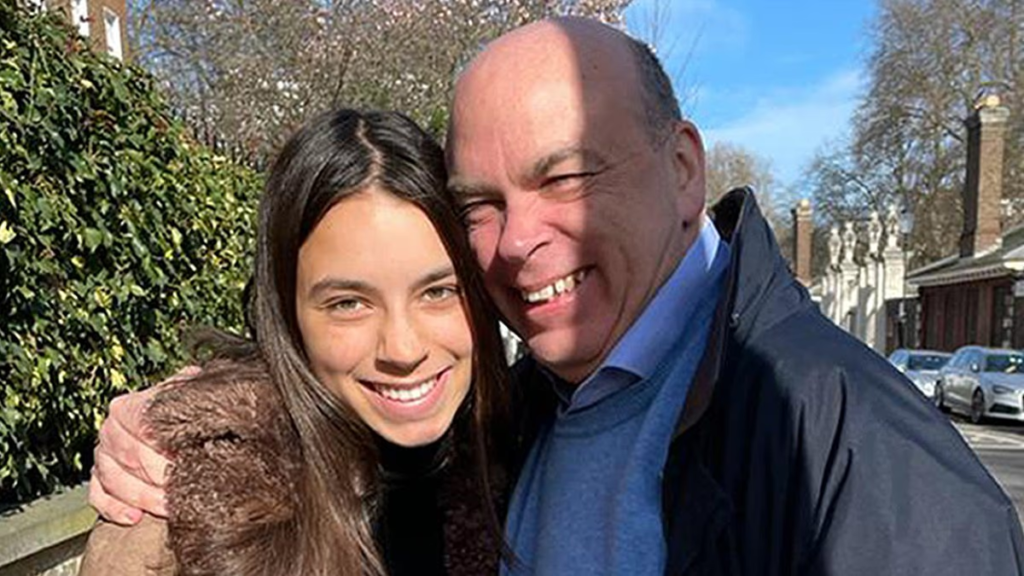
If enforced in full, the High Court ruling could bankrupt the estate, which passes to Bacares and the couple’s surviving daughter. The addition of a €456 million claim from The Italian Sea Group intensifies concerns about whether the estate can withstand the cumulative impact of multiple high-value legal actions. Even if the builder’s claim were ultimately reduced or dismissed, the cost of defending such a case would itself be considerable.
From a broader industry perspective, the lawsuit highlights the fragile balance between innovation and risk in the luxury yacht market. Builders compete on the basis of bold design, advanced engineering and exclusivity, yet those same features can become focal points for blame when disasters occur. The question of how much responsibility rests with designers and manufacturers, as opposed to owners and operators, is likely to resonate far beyond this single case.
As the Sicilian court begins to assess the builder’s claims, the outcome will be closely watched by shipyards, insurers and yacht owners alike. A ruling in favour of The Italian Sea Group could set a powerful precedent for how reputational damage is quantified and recovered in the luxury sector.
Conversely, a rejection of the claim would reinforce the importance of transparency and disclosure in vessel design and documentation. Either way, the case ensures that the sinking of the Bayesian will continue to shape legal and commercial debates long after the wreck itself has been recovered from the seabed.
References:
Jacks or better video poker
References:
https://instapages.stream/story.php?title=why-are-cryptocurrency-withdrawals-delayed
References:
Symptoms of anabolic steroids
References:
http://118.89.79.106/tammysierra72/7688107/wiki/Dianabol-Metandienone-An-Overview
References:
Steroids effects on the body
References:
https://www.dfpt.de/Verein/index.php/;focus=STRATP_com_cm4all_wdn_Flatpress_47634941&frame=STRATP_com_cm4all_wdn_Flatpress_47634941?x=entry:entry240919-214550;comments:1
References:
Swiss casino
References:
https://isowindows.net/user/dangergirdle6/