
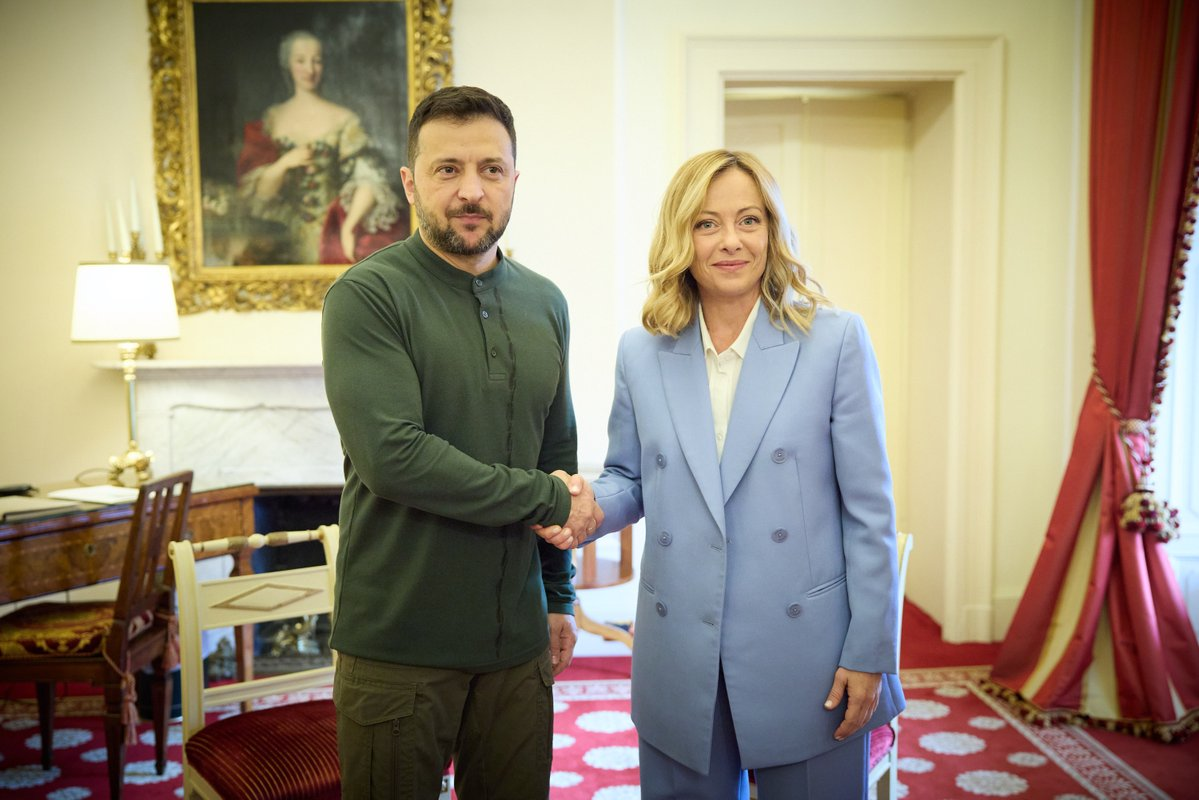
Italy has solidified its commitment to supporting Ukraine in its defense against Russia’s aggression, extending its military aid program until the end of 2025. The decision underscores the nation’s unwavering stance in a conflict that continues to challenge global stability and security.
A Commitment to Ukraine’s Defense
On December 23, Italian Prime Minister Giorgia Meloni’s Cabinet approved a decree extending the authorization for the transfer of military vehicles, materials, and equipment to Ukraine through the end of 2025. This decision reflects Italy’s ongoing support for Ukraine in its efforts to defend against Russia’s full-scale invasion, which began in February 2022.
Since the onset of the conflict, Italy has supplied Ukraine with ten military aid packages, including advanced systems such as the French-Italian SAMP/T air defense units.
Read : US Woman Buys $1 Home in Italy Then Spends $446,000 on Renovation
These contributions have been vital in bolstering Ukraine’s ability to counter Russia’s military advancements. Prime Minister Meloni, who took office in late 2022, has been a steadfast advocate for Ukraine, maintaining that Italy’s assistance will continue until the war reaches a just conclusion.
Read : Giorgia Meloni: The First Woman Prime Minister of Italy and the Most Powerful Woman in the World
Meloni’s leadership has been critical in rallying Italy’s support for Ukraine, particularly in the face of uncertainties surrounding other nations’ future commitments.
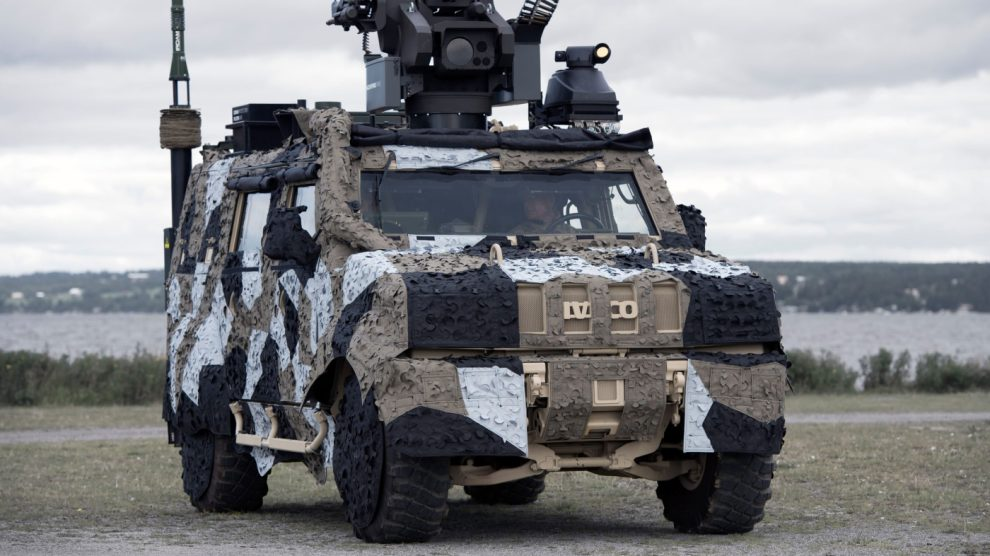
The United States, under the incoming presidency of Donald Trump, may recalibrate its aid to NATO and Ukraine, a prospect that places even greater importance on the commitments of European allies like Italy.
Italy’s Role in the Global Effort
Italy’s actions resonate within a broader international framework of support for Ukraine. As the president of the Group of Seven (G7) this year, Italy has led efforts to coordinate international responses to the crisis.
The G7 nations have collectively condemned Russia’s aggression and reaffirmed their backing for Ukraine, pledging substantial financial aid, including a $50 billion loan funded by frozen Russian assets.
This commitment aligns with calls from NATO leadership, including Secretary General Mark Rutte, who recently emphasized the importance of enhancing military aid to Ukraine.
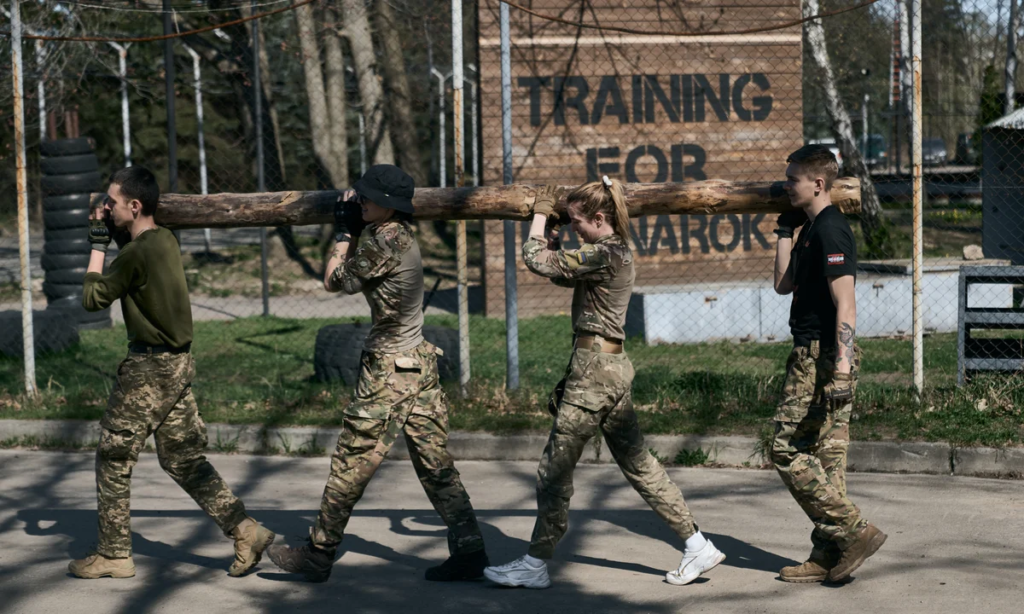
NATO has urged member nations to strengthen Kyiv’s position, particularly as the possibility of peace talks with Russia looms. Italy’s decision to extend military aid reflects a proactive approach to ensuring that Ukraine has the resources needed to negotiate from a position of strength.
In addition to direct military assistance, Italy has been an advocate for addressing the broader challenges exposed by the conflict. The war has highlighted significant shortcomings in the manufacturing and procurement capacities of Western defense industries.
These deficiencies have prompted urgent calls to enhance production capabilities, a task that Italy is actively contributing to as part of its commitment to collective security.
Implications for the Future
Italy’s decision to extend military aid to Ukraine until 2025 carries significant implications for the ongoing conflict and the geopolitical landscape. For Ukraine, the assurance of continued support from a major European ally provides a crucial lifeline in its fight against Russian aggression.
The advanced systems and equipment supplied by Italy have already played a pivotal role in Ukraine’s defensive strategies, and their continued delivery will further enhance Kyiv’s capabilities.
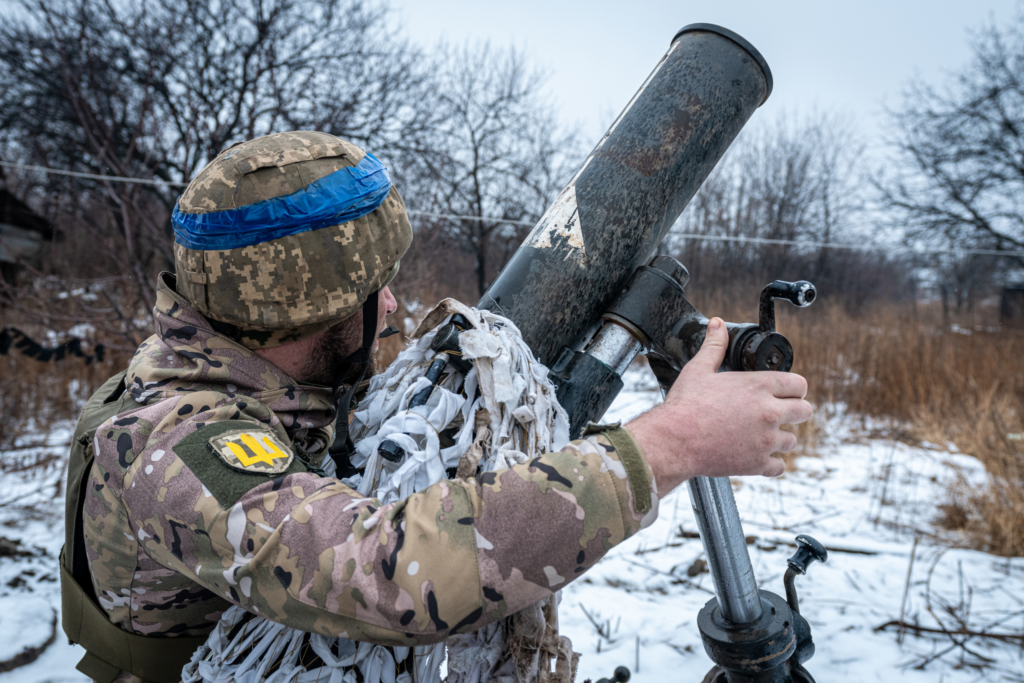
For Italy, the extension of military aid reaffirms its position as a key player in the international coalition supporting Ukraine. This commitment enhances Italy’s influence within NATO and the European Union, strengthening its role in shaping the collective response to the crisis.
It also demonstrates Italy’s dedication to upholding international law and resisting aggression, principles that are fundamental to global stability.
However, Italy’s decision also underscores the broader challenges faced by Western nations in sustaining support for Ukraine. The financial and logistical demands of prolonged military aid are significant, and public opinion on such commitments may shift over time.
Additionally, the potential for changes in U.S. policy under Donald Trump’s presidency adds an element of uncertainty, making the contributions of European allies like Italy even more critical.
As the conflict continues, the international community will closely watch how Italy’s extended support influences the dynamics on the ground in Ukraine.
The decision sets a precedent for long-term military assistance, signaling to Russia that the global coalition backing Ukraine remains resolute. It also underscores the importance of unity and collaboration among Western nations in addressing the challenges posed by the war.