
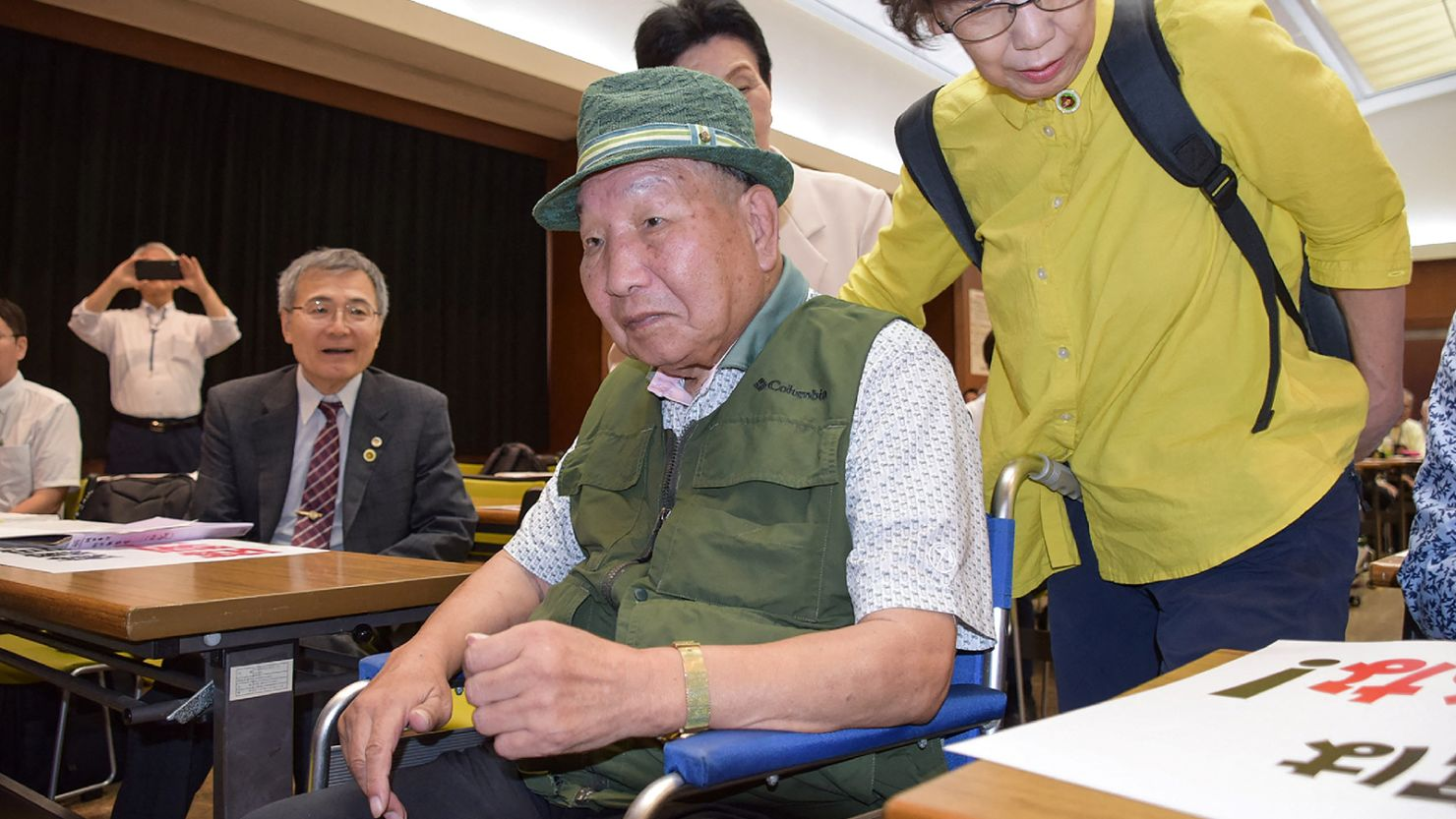
The story of Iwao Hakamada is one of the most tragic miscarriages of justice in modern history. A former boxer, Hakamada was arrested in 1966 for the murder of his employer and the employer’s family in Shizuoka, Japan.
He was convicted and sentenced to death in 1968 based on a confession that he later retracted, claiming it was coerced through brutal police interrogations. Despite maintaining his innocence for decades, he spent 46 years in detention, most of them on death row, before finally being exonerated in 2024.
The Japanese government has now awarded him $1.4 million in compensation, which amounts to roughly $83 for each day of his imprisonment. However, for a man who has lost nearly half a century of his life, the financial compensation can never fully atone for the suffering he endured.
The Long Road to Justice
Iwao Hakamada’s case is a grim example of Japan’s harsh and often criticized judicial system, which has been accused of relying heavily on forced confessions. During his initial interrogation, he was subjected to relentless questioning without the presence of a lawyer.
The police used inhumane tactics to pressure him into admitting to the crime, and his confession became the primary evidence used against him in court. Despite inconsistencies in the forensic evidence and no direct proof linking him to the murders, Iwao Hakamada was found guilty and sentenced to death.
Read : Japanese YouTuber Airi Sato Stabbed While Livestreaming in Tokyo Street
For years, his sister, Hideko Hakamada, tirelessly fought for his freedom, gathering support from human rights activists and legal experts who questioned the validity of his conviction.
Read : 21 Japanese Habits That the World Must Learn
Her perseverance eventually paid off when the case was reopened, and new forensic analysis revealed that the evidence used to convict Hakamada had been fabricated. In 2024, the Shizuoka District Court finally ruled that he was innocent and acknowledged the police’s misconduct in handling the case.
Life After Exoneration
By the time of his release, Iwao Hakamada was 89 years old, frail, and suffering from severe mental health issues. Decades of living under the constant threat of execution had taken a toll on his psyche, leaving him in a fragile state of mind. His lawyers described him as living in a “world of fantasy,” a tragic consequence of the psychological torture he endured during his imprisonment.
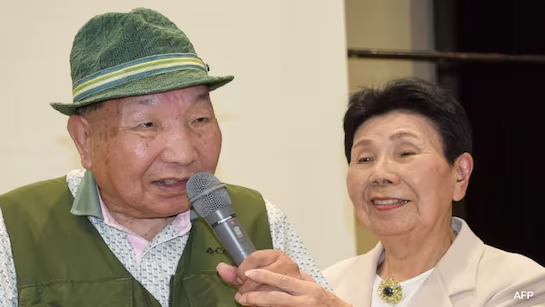
The $1.4 million compensation awarded to Hakamada is the largest of its kind in Japan’s history, yet it is a mere fraction of what he has lost. He spent more than half his life behind bars, missed out on any opportunity for a normal existence, and endured the agony of being condemned for a crime he did not commit.
His sister Hideko, who is now in her 90s, has expressed relief that justice has finally been served but remains critical of the justice system that failed her brother for so long.
The Future of the Death Penalty in Japan
Iwao Hakamada’s case has reignited debates about Japan’s use of the death penalty and its reliance on confessions obtained under duress. Japan is one of the few developed nations that still enforces capital punishment, and its criminal justice system has long been criticized for its near-100% conviction rate.
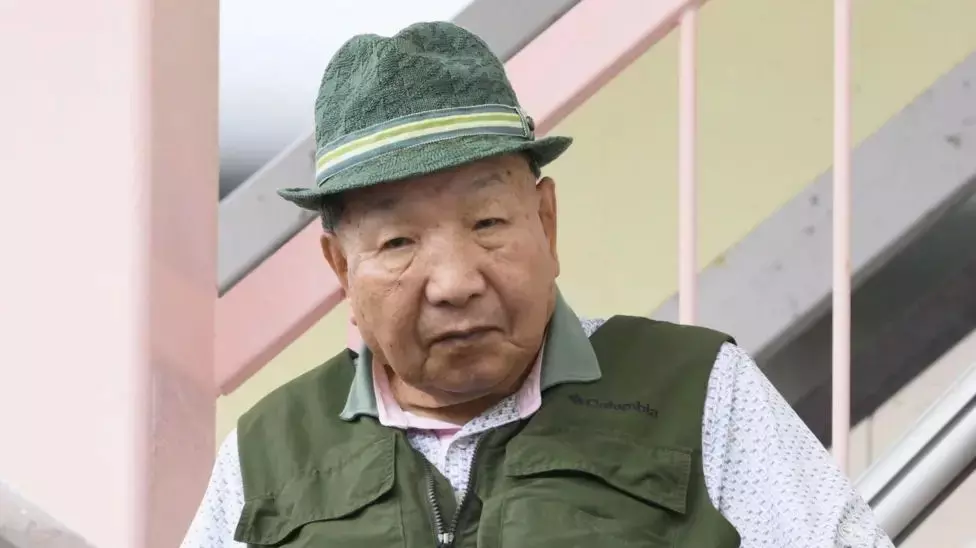
Many believe that wrongful convictions like Hakamada’s expose the fundamental flaws in the system, particularly the heavy reliance on confession-based prosecutions and the lack of adequate safeguards against police misconduct.
Despite the growing international pressure to abolish the death penalty, the Japanese government has shown no signs of reversing its stance. However, Iwao Hakamada’s case has prompted calls for judicial reform, including improved legal protections for suspects and a more rigorous review process for death row cases.
Human rights organizations and legal experts argue that without fundamental changes, similar miscarriages of justice could continue to occur. For now, Iwao Hakamada remains a free man, but his tragic ordeal serves as a stark reminder of the devastating consequences of wrongful convictions.
Iwao Hakamada’s case has left an indelible mark on Japan’s legal history, highlighting the urgent need for reform in a justice system that has long prioritized convictions over fairness. While his compensation provides some measure of accountability, no amount of money can ever restore the life he lost.