

In a shocking case that has gripped Brazil and drawn international attention, 59-year-old Izabel Cardoso de Andrade has been arrested on suspicion of intentionally poisoning her nine-year-old granddaughter with a cake laced with a deadly pesticide. The incident, which occurred in the small town of São Francisco in Minas Gerais state, unfolded during what should have been a joyful summer holiday visit. Authorities believe the grandmother baked the toxic treat on July 23, 2025, leading to the tragic death of young Alana dos Santos Cardoso Marques and severe illness for her sibling, as well as the demise of the family’s pet cat.
This heartbreaking story raises profound questions about familial trust, hidden motives, and the devastating power of seemingly innocuous household items. As investigations deepen, the community mourns a child lost too soon, while the nation grapples with the betrayal at the heart of this crime. The arrest, which took place on September 19, 2025, came after forensic analysis confirmed the presence of terbufos—a highly toxic organophosphate pesticide—in both the cake remnants and the victim’s body.
Terbufos is notorious for its rapid assault on the central nervous system, causing symptoms like vomiting, abdominal agony, muscle weakness, and, in severe cases, cardiopulmonary arrest. Banned in regions like the UK and EU due to its extreme dangers, this agrochemical is still used in some agricultural contexts in Brazil, but its deliberate addition to food represents a calculated act of malice. Police reports indicate that the grandmother had prepared the cake for an afternoon tea, a gesture that turned fatal in mere hours. What follows is a detailed examination of the events, the investigation, and the broader implications of this chilling case.
The Fatal Afternoon: A Holiday Turned to Horror
It was meant to be a simple family gathering during the Brazilian winter school holidays—children laughing, sharing stories, and indulging in homemade sweets. On July 23, 2025, in the quiet rural town of São Francisco, located east of the capital Brasília, Izabel Cardoso de Andrade welcomed her two granddaughters, nine-year-old Alana dos Santos Cardoso Marques and her 11-year-old sister, for an extended stay at her home. The girls, full of youthful energy, were excited for the break from routine, unaware that the day would end in unimaginable tragedy.
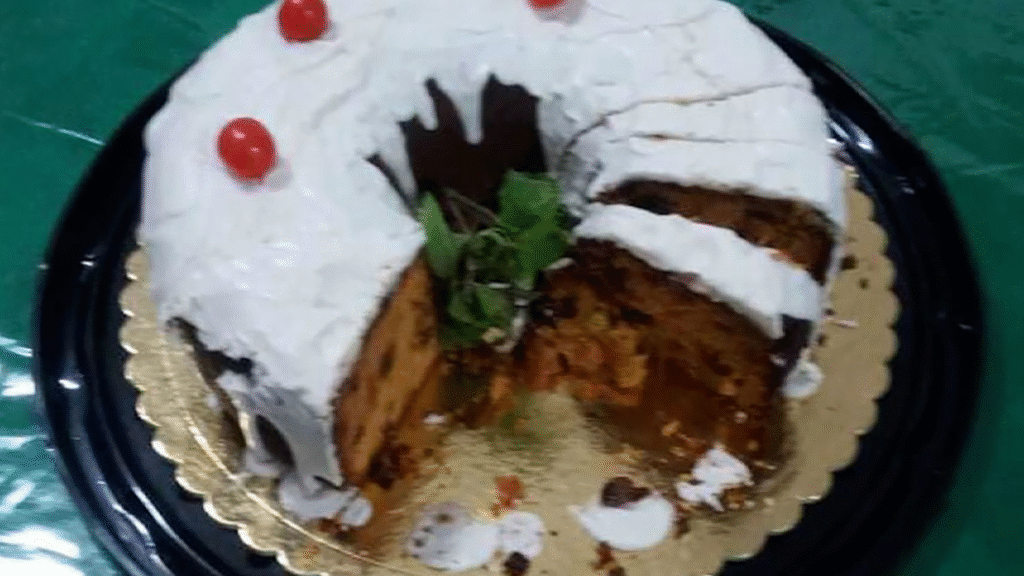
According to police statements and witness accounts from neighbors, the grandmother announced she was baking a cake as a special treat for afternoon tea. The aroma of baking filled the modest home, evoking warmth and normalcy. The children eagerly devoured slices of the dessert, with Alana consuming a larger portion than her sister. Almost immediately, signs of distress emerged. Alana dos Santos Cardoso Marques began clutching her stomach, writhing in severe abdominal pain. She vomited profusely, and soon after, a bizarre and alarming symptom appeared: a white, frothy liquid began leaking from her nose. Her sister, who had eaten less, experienced milder but similar discomfort—nausea and cramps that left her weakened but alert.
Read : Ukrainian Grandmother Stranded at Krakow Airport Due to UK eVisa Complications
Panic set in as the symptoms escalated. A concerned neighbor, hearing the cries from the house, rushed to assist and helped transport the nine-year-old to the nearest hospital. Despite frantic medical efforts, Alana dos Santos Cardoso Marques succumbed to cardiopulmonary arrest shortly after arrival. The cause of death was initially suspected to be severe food poisoning, a diagnosis that seemed plausible in a region where gastrointestinal illnesses are not uncommon.
Read : Michael Jackson’s Children Blocked from Late Singer’s Trust Over ‘$700m Tax Bill’
But as the family reeled from the loss, another eerie detail surfaced: the household cat, which had curiously licked remnants of the cake from the plate, began exhibiting identical symptoms—vomiting, lethargy, and nasal discharge—before collapsing and dying hours later.
The grandmother, in the immediate aftermath, appeared distraught, cooperating with initial inquiries and expressing grief over her granddaughter’s sudden passing. However, the coincidence of the cat’s death raised red flags among locals and authorities alike. One neighbor, who had taken in the ailing feline, delivered its body to investigators, noting the uncanny parallels to Alana dos Santos Cardoso Marques’s ordeal. This prompted a deeper probe into the uneaten portions of the cake and other foods prepared that day. What began as a somber family bereavement quickly morphed into a criminal investigation, unveiling layers of suspicion in what was supposed to be a sanctuary of love.
Unraveling the Evidence: From Suspicion to Arrest
The Minas Gerais Civil Police (PCMG) moved swiftly once the cat’s death intertwined with Alana’s. Officers descended on the São Francisco home, collecting samples of the cake, utensils, and any potential contaminants. The family cat’s remains were also submitted for autopsy. In a twist that chilled investigators, the pet’s death was attributed to acute liver damage consistent with organophosphate poisoning—a hallmark of terbufos exposure. This finding shifted the narrative from accidental mishap to deliberate foul play.
Forensic experts at a state laboratory conducted rigorous toxicological analyses. The results, released in early September 2025, were damning: high concentrations of terbufos were detected in both the cake batter remnants and Alana dos Santos Cardoso Marques’s postmortem samples. The pesticide, a colorless to pale yellow liquid often used as an insecticide on crops like corn and soybeans, is absorbed rapidly through the skin, lungs, or ingestion.
In humans, it inhibits acetylcholinesterase, an enzyme crucial for nerve function, leading to a cascade of symptoms including excessive salivation, blurred vision, convulsions, and respiratory failure. The 11-year-old sister, who survived after medical intervention, tested positive for lower levels of the toxin, corroborating her account of eating a smaller slice.
How did terbufos enter the cake? Preliminary police theories suggest the grandmother may have had access to the chemical through local agricultural suppliers, common in rural Minas Gerais where farming is a mainstay. Investigators are examining purchase records and witness statements to trace its procurement. Notably, no signs of forced entry or external tampering were found, pointing squarely to an inside job. The grandmother’s behavior post-incident—initial shock followed by what some described as evasive responses—further fueled doubts.
By mid-September, the evidence had mounted sufficiently for an arrest warrant. On Friday, September 19, 2025, Izabel Cardoso de Andrade was taken into custody at her home without resistance. She faces charges of qualified homicide, a charge that could carry decades in prison if proven. The 11-year-old survivor was placed under protective care with other relatives, and the community has rallied with vigils for Alana, whose bright smile and love for school are remembered fondly by teachers and friends. As the case file thickens, questions linger: Was this an isolated act, or part of a darker pattern? Police are reviewing the grandmother’s history for prior incidents, but so far, no red flags have emerged publicly.
Echoes of Betrayal: Legal Battles and Societal Ripples
The arrest of Izabel Cardoso de Andrade has ignited a firestorm of media coverage and public discourse, not just in Brazil but globally, as it echoes recent high-profile poisoning cases. Her defense team wasted no time in mounting a vigorous response. In a statement to local outlets, they emphasized her client’s full cooperation with authorities and proclaimed her innocence, decrying the arrest as “disproportionate” given that she poses no flight risk or threat to society.
Lawyers argue that the evidence, while circumstantial, lacks direct proof of intent—terbufos could theoretically have been accidentally introduced via contaminated ingredients. They have filed motions to reverse the detention order, with a hearing scheduled for late October 2025. If granted, it could allow Izabel Cardoso de Andrade to await trial at home, a prospect that has divided the community between those seeking swift justice and others wary of presuming guilt.
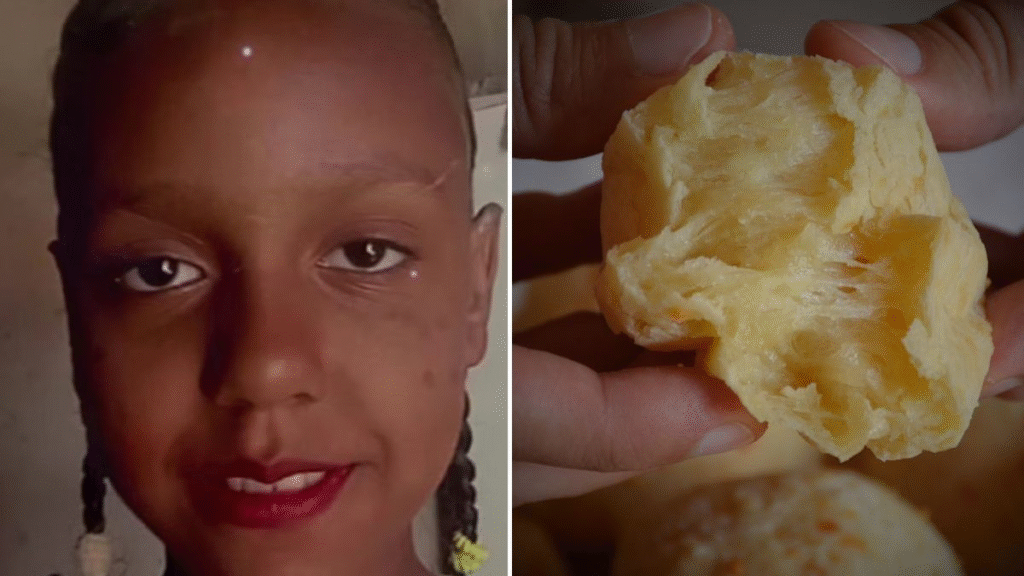
This case strikes at the core of familial bonds, where grandmothers are often archetypes of nurturing care. In Brazil, where multigenerational households are common, the betrayal feels especially visceral. Social workers and child protection advocates have highlighted the vulnerability of children in such settings, calling for enhanced screening in rural areas prone to chemical exposure. Terbufos, while regulated, remains accessible in agricultural zones, prompting renewed debates on stricter controls. The South African Human Rights Commission recently reported over 20 child deaths in 2024 from similar rat poisons misused in impoverished communities, underscoring a global crisis of accidental and intentional toxications.
Comparisons to other scandals are inevitable. Just weeks ago, Australian Erin Patterson was sentenced to life for murdering three relatives with death cap mushrooms in a beef Wellington—a tale of culinary deception mirroring this one. Closer to home, a February 2025 incident saw a Brazilian woman accused of arsenic-laced Christmas cake poisoning die in custody, leaving her case unresolved. These stories amplify the horror, reminding us how everyday rituals like baking can mask lethal intent.
As the trial looms, Alana’s memory endures through tributes: a makeshift memorial at her school, adorned with drawings and flowers, bears witness to a life cut short at nine. Her surviving sister, recovering both physically and emotionally, faces counseling to process the trauma. For the family, fractured by suspicion, healing seems distant. Izabel Cardoso de Andrade’s story serves as a stark cautionary tale—of love twisted into poison, and the fragile line between home and horror. Justice, when it comes, must honor the innocent while probing the unfathomable why behind such an act. In São Francisco, the scent of cake will never again evoke simple joy; instead, it lingers as a symbol of profound loss and the shadows that lurk in the familiar.