
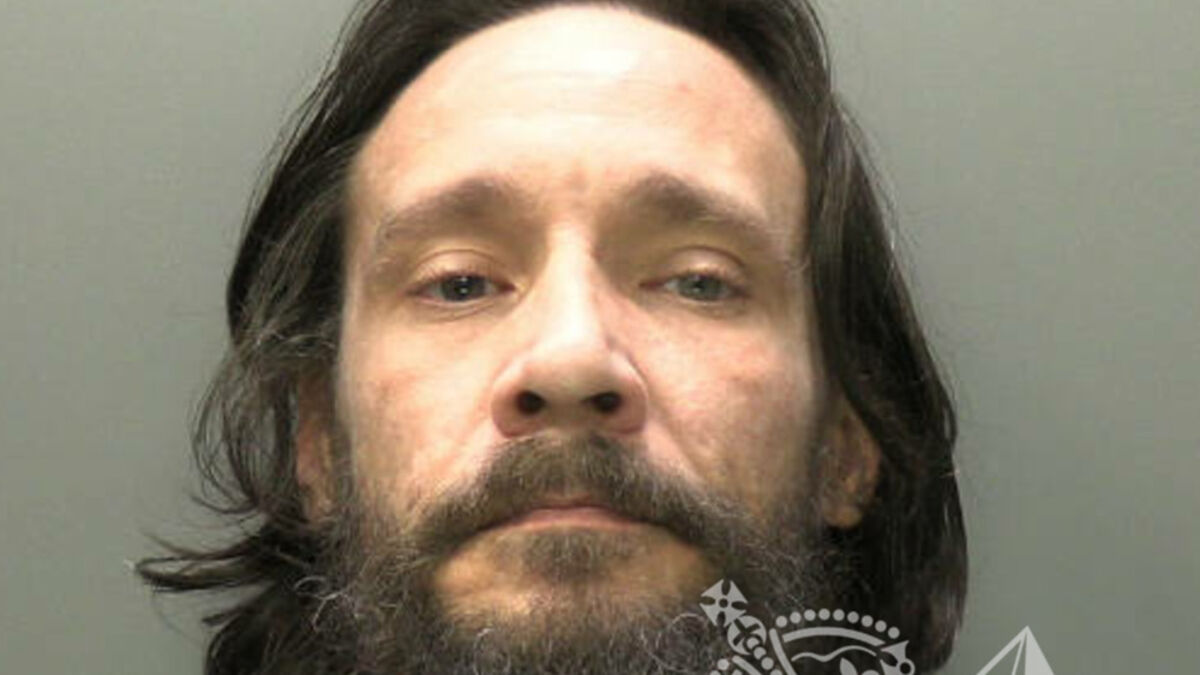
Jacob Ewing, a 44-year-old man from North Carolina, was arrested at Cardiff Airport after traveling over 3,700 miles to Wales with plans to “marry” a 15-year-old girl he had groomed online for over a year.
Carrying wedding rings, a knife, a wooden cosh, and child abuse images, Jacob Ewing’s intentions were thwarted by a coordinated effort between U.S. authorities, Gwent Police, and UK Border Force. His arrest and subsequent sentencing have sparked widespread outrage and renewed focus on the dangers of online grooming.
Grooming and Manipulation
Jacob Ewing, living at Wildcat Pound Road in Hubert, North Carolina, first contacted the 15-year-old girl from Gwent, Wales, through a random video chat website. Posing as a “paedophile hunter” and devout Christian, he built trust with the teenager over months.
His behavior quickly turned manipulative, exerting control by convincing her to let him watch her sleep during livestreams. In one chilling incident, he admitted to performing a sex act while she slept, which she later told police left her deeply disturbed. Despite this, Jacob Ewing maintained contact, intensifying his psychological grip.
The court heard Jacob Ewing coerced the girl into “degrading” acts on herself and forced her to watch him engage in sexual acts online. His manipulation extended to encouraging self-harm and, on multiple occasions, urging her to take her own life.
The girl’s victim statement revealed her confusion and pain, saying, “I couldn’t understand why he would say he loved me and then tell me to hurt myself.” Jacob Ewing dangled promises of marriage and a future together, claiming he would travel to the UK near her 16th birthday to wed and start a family. These promises led to his transatlantic trip, with wedding rings in tow to cement his delusional plan.
Jacob Ewing’s actions inflicted severe emotional trauma, leaving the girl suicidal and her family “devastated.” The court dismissed his claim to probation officers that he had the girl’s mother’s “permission” as a baseless attempt to deflect blame. The psychological toll on the victim was described as profound, with long-term effects on her mental health and her family’s well-being.
Arrest at Cardiff Airport
Ewing’s scheme was foiled when U.S. authorities, monitoring his activities, alerted Gwent Police and UK Border Force. The girl’s parents were notified, and a sting operation was set up to intercept Ewing at Cardiff Airport.
Upon his arrival, police searched his luggage, uncovering a pair of wedding rings, a sheath knife, a wooden cosh, and multiple paedophilic images, including one depicting the rape of an infant. The weapons heightened concerns, with Judge Celia Hughes later noting the “terrifying” potential for harm given Ewing’s intent to meet a vulnerable teenager he had groomed.
Read : World’s Oldest Wine Discovered in 2,000-Year-Old Roman Tomb in Spain
The operation’s success prevented Ewing from contacting the girl, averting a potentially dangerous encounter. Detective Superintendent Philip O’Connell of Gwent Police commended the international collaboration, stating, “Our close work with U.S. authorities and UK Border Force ensured he was detained before he could act further.”

Ewing was arrested on 13 charges, including causing or inciting a child to engage in sexual activity. He pleaded guilty, and the evidence—ranging from the items in his possession to the victim’s testimony—confirmed his predatory motives. The wedding rings symbolized his fixation on “marrying” the minor, while the knife and cosh suggested a capacity for violence.
Sentencing and Public Response
On April 15, 2025, Newport Crown Court sentenced Jacob Ewing to seven years and eight months in prison. Judge Hughes condemned his lack of remorse, stating, “You’ve portrayed yourself as the victim and failed to take responsibility.”
She emphasized the “devastating” impact on the girl and her family, noting the fortune of Ewing’s airport interception. The judge also indicated that deportation during his sentence was likely, pending Home Office decisions.
The case drew extensive coverage from outlets like The Independent, The Telegraph, and ITV Wales, highlighting the severity of Ewing’s crimes. On X, reactions ranged from fury to relief. One user posted, “Caught with a knife and those horrific images—what a monster. Thank God he was stopped.”
Another lauded the victim, saying, “Her courage to speak out saved her. Ewing’s locked away where he belongs.” Hashtags like #JusticeForVictim trended, fueling demands for tougher measures against online predators.
Public discourse focused on the chilling details of Jacob Ewing’s manipulation and the items he carried. Some users called for better oversight of online platforms, with one stating, “Random chat sites are predator playgrounds—regulate them now.”
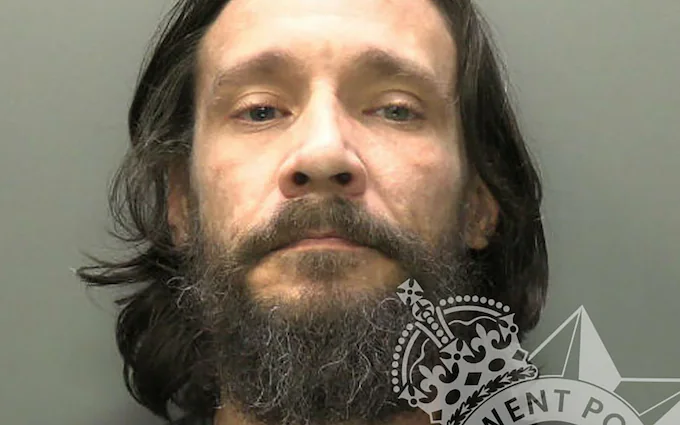
Others praised the U.S.-UK law enforcement effort, with a post reading, “This is what global teamwork looks like. Saved a girl’s life.” The case also prompted conversations about parental monitoring, with comments urging, “Parents, check your kids’ online chats—Ewing’s not the only one out there.”
Broader Implications
Ewing’s case underscores the insidious nature of online grooming, where predators exploit platforms to target vulnerable children. His use of a video chat site and false persona as a “paedophile hunter” highlights the deceptive tactics used to gain trust. The wedding rings, knife, cosh, and child abuse images in his possession reveal a dangerous mindset, raising alarms about what might have happened without intervention.
The successful interception at Cardiff Airport demonstrates the power of international law enforcement collaboration. Detective Superintendent O’Connell praised the victim’s “immense strength” during the investigation, hoping the sentence aids her healing while acknowledging the “profound impact” of Ewing’s actions.
The case has spurred calls for stricter regulations on online platforms, with advocacy groups pushing for mandatory age verification and content monitoring to prevent similar crimes.
The presence of weapons in Ewing’s luggage has also shifted discussions toward the potential for physical harm in grooming cases. Experts argue such incidents should be treated as high-risk, with proactive measures to track and detain suspects. For the victim and her family, the road to recovery remains long, but Ewing’s imprisonment offers a measure of justice.