
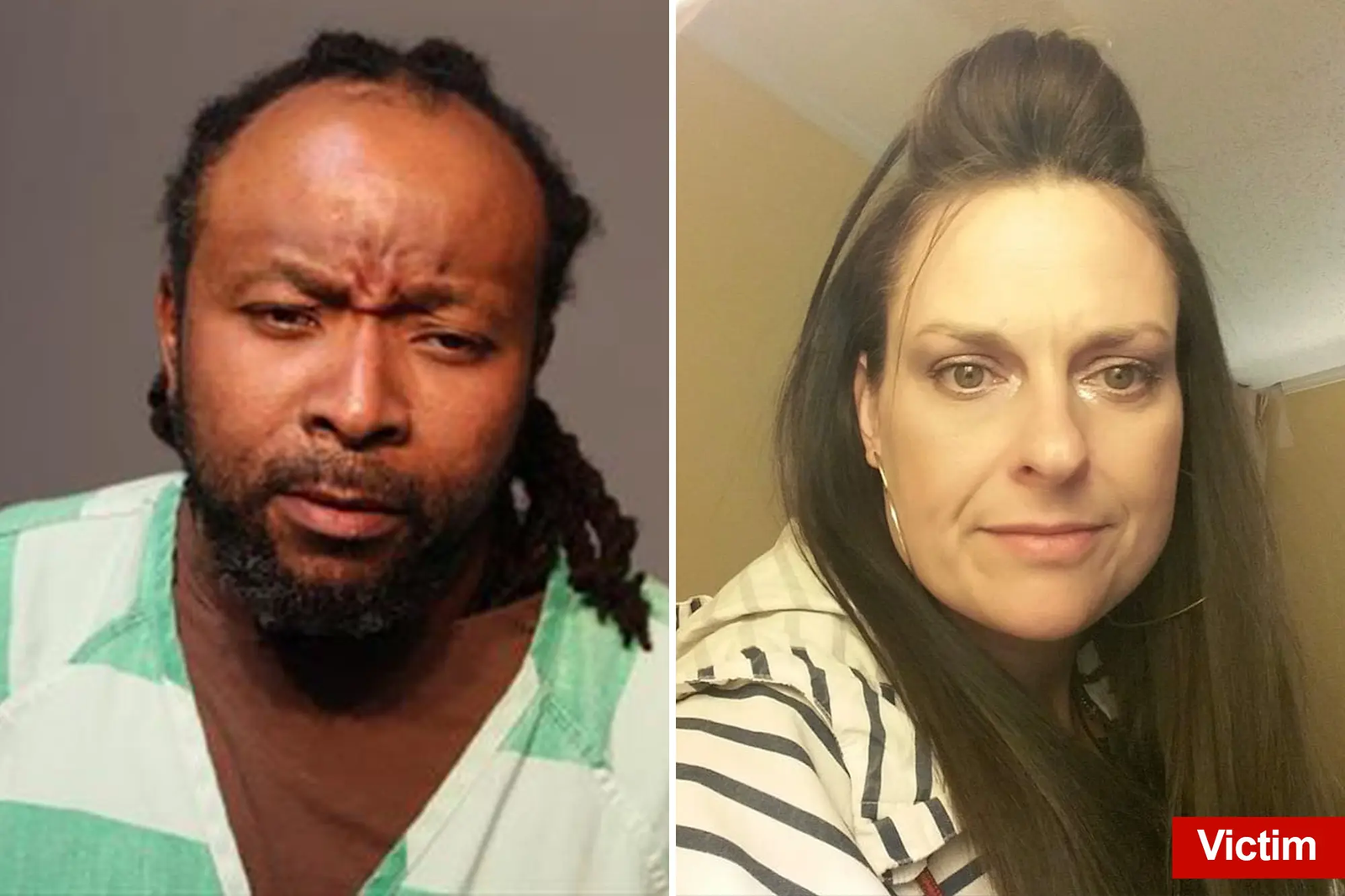
Nikki Marie Loffredo, a 42-year-old woman from Des Moines, Iowa, lost her life in a tragic and senseless act of violence during the early hours of July 29, 2024. What began as a simple walk home after buying snacks turned fatal when she encountered James Johnson, a man she had never met before.
Johnson, infuriated by what he described as feeling “disrespected” after Nikki Loffredo ignored his catcalls, pulled out a handgun and fired multiple shots. Despite being rushed to the hospital, Loffredo succumbed to her injuries days later.
Her death was a devastating shock to the community, described by prosecutors as the loss of “an innocent woman in the wrong place at the wrong time.”
Johnson, arrested days after the shooting, admitted to firing the shots but insisted he was only trying to scare Nikki Loffredo. However, a jury found him guilty of first-degree murder on April 9, 2025. His sentencing is set for June 20, when he could face life in prison.
An Encounter Turned Deadly
According to court testimony and police reports, James Johnson had been aimlessly driving around the neighborhood that morning after getting into an argument with his girlfriend. High on marijuana, and possibly under the influence of other substances, he was reportedly cruising the streets in a gold-colored SUV. Surveillance and doorbell footage later revealed that Johnson circled the area several times, seemingly trolling the neighborhood before pulling up next to Loffredo.
Nikki Loffredo was walking alone along a quiet residential sidewalk when Johnson made his approach. He later testified that he was drawn to her and thought she might be interested in “getting high or hooking up.” When he made advances toward her, she reportedly responded with profanity, clearly uninterested and annoyed by the unsolicited attention.
This rejection, Johnson claimed, made him feel disrespected. Acting out of impulse and rage, he pulled up next to her, rolled down his window, and fired four shots. Nikki Loffredo collapsed as the SUV sped away. The bullets struck her in both thighs, and one pierced her femoral artery — a critical wound that ultimately led to fatal blood loss.
Read : Matthew Higgins Murdered Friend as He Shaves Off His Eyebrow While He Was Sleeping
Despite her injuries, Nikki Loffredo was still conscious when first responders arrived. In those moments, she managed to give a description of her assailant and his vehicle, which was key in identifying Johnson as the prime suspect within an hour of the shooting.
The Evidence That Sealed the Case
Polk County prosecutors meticulously pieced together their case using surveillance footage, forensic evidence, and Johnson’s own conflicting statements. Several home security cameras captured Johnson’s SUV driving in circles in the area before the shooting. In one pivotal clip, the vehicle is seen pulling up beside Nikki Loffredo, briefly pausing, and then speeding off as she falls to the ground.
Investigators tracked down the gun used in the shooting after learning that a friend had pawned it on Johnson’s behalf. Ballistics testing matched the firearm to the bullet casings found at the scene. Johnson’s DNA was also recovered from the weapon, and his prior felony convictions meant he was already barred from possessing a firearm.
Read : North Korea Helping Russia Carry Out Mass Murder of Civilians: Ukraine
Although Johnson initially lied to the police in several interviews, he eventually admitted to the shooting in a message sent to his girlfriend from jail in March. In that message, he confessed, “I never wanted to be responsible for something like that… I feel bad, I feel terrible. I didn’t mean to hurt her, I certainly didn’t mean to kill her.”
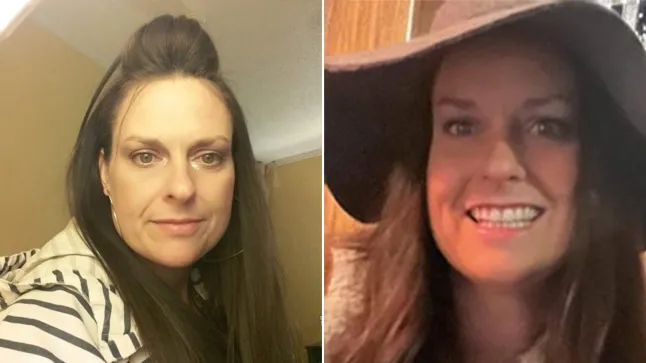
Despite his insistence that he only meant to scare Loffredo, prosecutors argued that his actions demonstrated a clear disregard for human life. During closing arguments, prosecutor Levi Grove described Johnson as someone “trolling the neighborhood looking for a reason to use that gun.” His behavior before and after the shooting, Grove argued, showed a pattern of recklessness and intent.
Jurors were presented with a damning text message Johnson had sent to his girlfriend shortly after the incident, where he said he had “popped” someone. This statement, paired with video footage and forensic evidence, helped solidify the jury’s decision to convict him of first-degree murder.
No Excuse for the Inexcusable
On the witness stand, Johnson described his drug use, his unstable emotional state, and the events of the night as though they could excuse what he had done. He portrayed himself as someone overwhelmed by stress, arguing with his girlfriend, and not in the right frame of mind. But none of this could justify taking out a gun and firing at an unarmed woman who simply didn’t want to talk to him.
The defense claimed that the shooting was not premeditated, but rather an impulsive act fueled by anger and confusion. Johnson claimed he didn’t even realize Nikki Loffredo had been hit. But the prosecution challenged this narrative, pointing out that Johnson had circled the area multiple times, approached her slowly, and fired four rounds — behavior not consistent with a mere attempt to scare someone.
His testimony did little to sway the jury. They saw a man who had the opportunity to walk or drive away but instead chose violence. A man who armed himself illegally and then used that weapon because he couldn’t handle rejection. A man who tried to cover his tracks and only showed remorse when cornered.
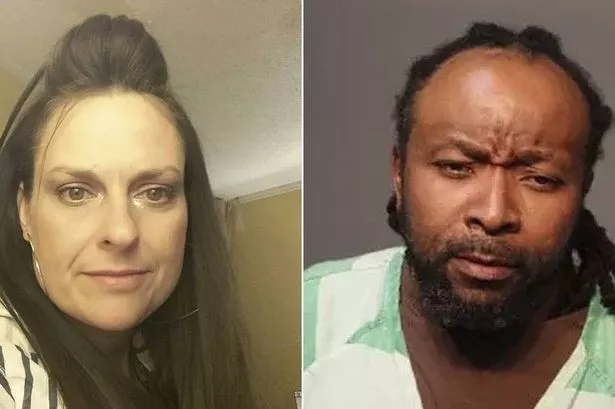
The case struck a chord far beyond the courtroom. It became a grim reminder of how women, even in 2025, face daily risks for simply existing in public spaces. The idea that a woman could lose her life for declining a stranger’s attention sparked outrage and renewed conversations about the dangers of street harassment and male entitlement.
Nikki Loffredo’s death is more than a legal case — it’s a reflection of broader social issues. She didn’t know Johnson. She did nothing to provoke him. And yet, her refusal to engage was met with deadly force.
Now, Johnson awaits sentencing, likely facing life behind bars. But that outcome, while delivering justice, cannot undo the trauma left behind. Nikki Loffredo’s friends and family will carry her loss forever, and her community must reconcile with the fact that something so trivial — a catcall rejected — could lead to such irreversible devastation.
Nikki Loffredo should have made it home that night. She should have been safe walking with her snacks under the quiet Des Moines sky. Instead, her life was stolen by someone who couldn’t accept hearing “no.” And for that, no amount of prison time can ever truly make things right.