

Japan PM’s Official Residence, steeped in history and mystery, has been the focus of ghostly rumors for decades. Originally constructed in 1929, this architectural marvel has witnessed tumultuous events that have fueled its reputation as a haunted location.
A Storied History of Political Turmoil
The official residence of Japan’s Prime Minister, a two-story mansion spanning 5,183 square meters, was initially built as the Prime Minister’s office. Designed in the Art Deco style, the mansion symbolized Japan’s embrace of modernism in the early 20th century.
Its design drew inspiration from the Imperial Hotel, crafted by renowned American architect Frank Lloyd Wright, which famously survived the Great Kanto Earthquake of 1923.
However, beneath its grandeur lies a history marked by political violence. In 1932, Prime Minister Tsuyoshi Inukai was assassinated within its walls during a coup attempt led by naval officers. This tragic incident marked a shift in Japan’s political landscape toward militarism.
Read : AI Human Washing Machine Unveiled in Japan
Four years later, in 1936, another military rebellion erupted at the residence. Then-Prime Minister Keisuke Okada narrowly escaped death by hiding in a closet, though the uprising claimed five lives. To this day, a bullet hole above the entrance serves as a stark reminder of those harrowing events.
Read : Imperial Palace Japan: A Glimpse into the Heart of Japanese Royalty
These violent episodes not only defined the residence’s historical significance but also laid the foundation for its eerie reputation. The mansion became a symbol of political instability and unrest, with whispers of its haunted nature spreading over time.
Renovations and Persistent Ghostly Tales
By the early 2000s, the residence showed significant wear, prompting a renovation effort to modernize and restore its original grandeur.
Completed in 2005 at a cost of 8.6 billion yen, the project included restoring intricate wood carvings, preserving ornate rooms, and maintaining the iconic stone owl carvings that stand sentinel outside the building. Despite these upgrades, the mansion’s ghostly reputation endured.
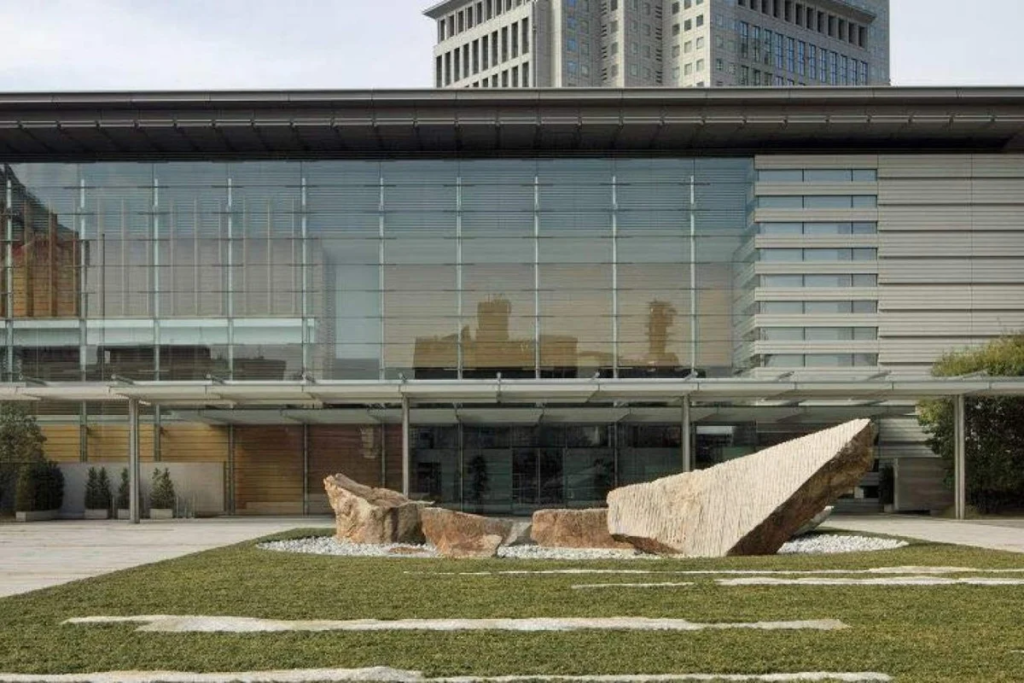
Several former residents and visitors have shared unsettling accounts of their experiences. In her 1996 memoir, Yasuko Hata, wife of former Prime Minister Tsutomu Hata, described feeling an “eerie and oppressive presence” and claimed that apparitions of military officers were seen wandering the gardens at night.
Yoshiro Mori, another former Prime Minister, reportedly confided in Shinzo Abe about encountering ghosts during his time at the residence. Even Shinzo Abe, Japan’s longest-serving Prime Minister, avoided living in the mansion during his second term from 2012 to 2020.
Abe instead resided in his private home in Tokyo, partially due to the mansion’s reputation and its association with a period of political instability when six successive premiers served for an average of just over a year.
Adding to the mystery, a Shinto priest reportedly conducted an exorcism at the mansion before renovations were completed. This ritual aimed to cleanse the building of any lingering spirits, a testament to the cultural significance of such beliefs in Japan.
A New Era and Ongoing Skepticism
While ghost stories continue to intrigue the public, recent Prime Ministers have approached the rumors with skepticism. Fumio Kishida, who assumed office in December 2021, chose to break from his predecessors by moving into the mansion.
When questioned about the hauntings, Kishida dismissed the idea, stating that he had not encountered any spirits and had enjoyed restful nights in the residence.
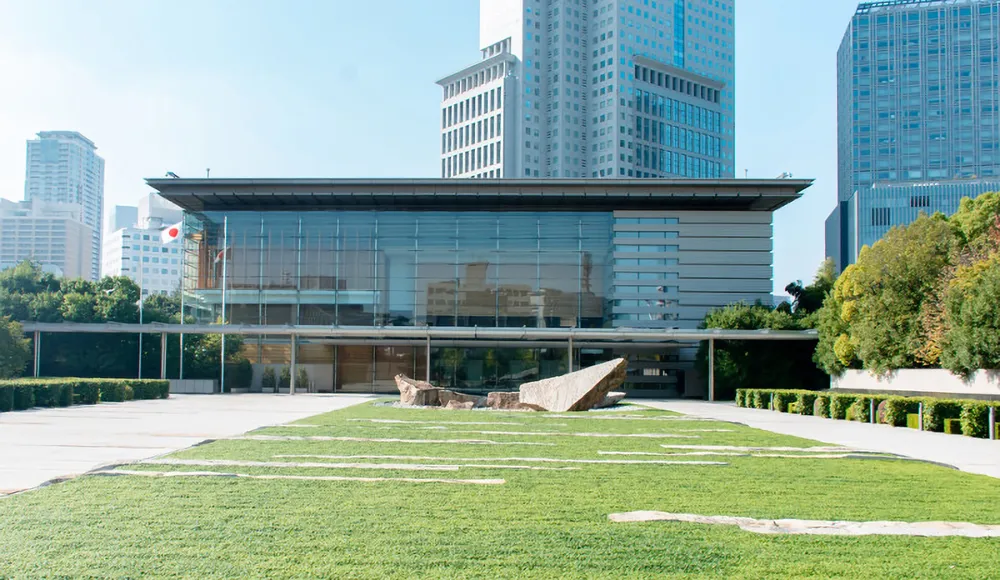
His pragmatic stance reflects a shift in attitudes towards the mansion’s ghostly reputation. However, the allure of its haunted past persists, captivating both locals and international audiences. The bullet hole above the entrance and the chilling tales shared by former residents remain part of the mansion’s mystique.
While the mansion’s ghost stories may never be conclusively proven or disproven, they highlight Japan’s rich cultural tapestry, where history and folklore intertwine seamlessly. The residence stands as a symbol of resilience, having withstood political upheaval and societal change, all while maintaining its enigmatic aura.
Japan’s official Prime Minister’s residence is more than just a historic building; it is a testament to the nation’s complex past and cultural identity.
Its haunted reputation, fueled by tales of apparitions and its violent history, continues to intrigue and mystify. Whether one believes in ghosts or not, the mansion remains a compelling narrative of Japan’s political and cultural journey, bridging the realms of history and legend.