

Christmas is traditionally regarded as a time to honour the birth of Jesus Christ, marked by prayers, Masses, and a focus on family and spiritual reflection. However, in Japan, the festive season has evolved into a unique celebration that departs from religious roots.
For many Japanese couples, Christmas is not about Nativity scenes or spiritual rituals—it is celebrated as a romantic occasion, akin to a second Valentine’s Day. This intriguing cultural phenomenon reflects Japan’s blend of Western influences and its own aesthetic sensibilities.
Christmas as a Romantic Celebration
Japan’s interpretation of Christmas as a romantic holiday stands out in stark contrast to traditional Christian celebrations. With less than one percent of Japan’s 124 million population identifying as Christian, the religious significance of the day has little cultural resonance. Instead, the holiday season has been embraced as an opportunity for couples to enjoy quality time together.
The association of Christmas with romance is deeply rooted in the Japanese preference for aesthetics and mood. Restaurants, shopping centres, and public spaces are adorned with dazzling lights and decorations, creating an enchanting winter wonderland.
Special dinner sets, often accompanied by luxurious desserts and champagne, cater specifically to couples seeking a memorable night out. Discounted gift options, ranging from chocolates to jewellery, further enhance the romantic allure of the season.
Read : Christmas Tree set on Fire by Islamist Fighters Near Hama in Central Syria
According to Roy Starrs, an associate professor of Japanese studies at the University of Otago, the atmosphere plays a pivotal role in shaping the holiday.
Read : Rare ‘Green Polar Rain’ Aurora Observed from Earth for the First Time
“Young couples go out together on dates once it gets dark to view the spectacular displays of colourful lights, and this is thought to be a very romantic atmosphere conducive to young love,” Starrs explains.
The combination of sparkling illuminations and chilly winter evenings offers the perfect setting for fostering intimacy and connection.
Commercial and Cultural Influences
The romanticization of Christmas in Japan owes much to its commercialization and pop-cultural adaptation. Imported from the West, the holiday has been stripped of its religious connotations and reimagined as a visually appealing and consumer-driven celebration. Bright lights, Santa Claus dolls, Christmas markets, and colourfully wrapped gifts form the heart of this spectacle.
Japan’s emphasis on aesthetics and visual appeal has significantly contributed to the popularity of these festive displays. The snow-covered landscapes, combined with artistic decorations, create an almost cinematic backdrop for couples to enjoy.
This focus on aesthetics aligns with the Japanese appreciation for beauty and harmony, making the holiday season an ideal occasion for creating lasting memories.
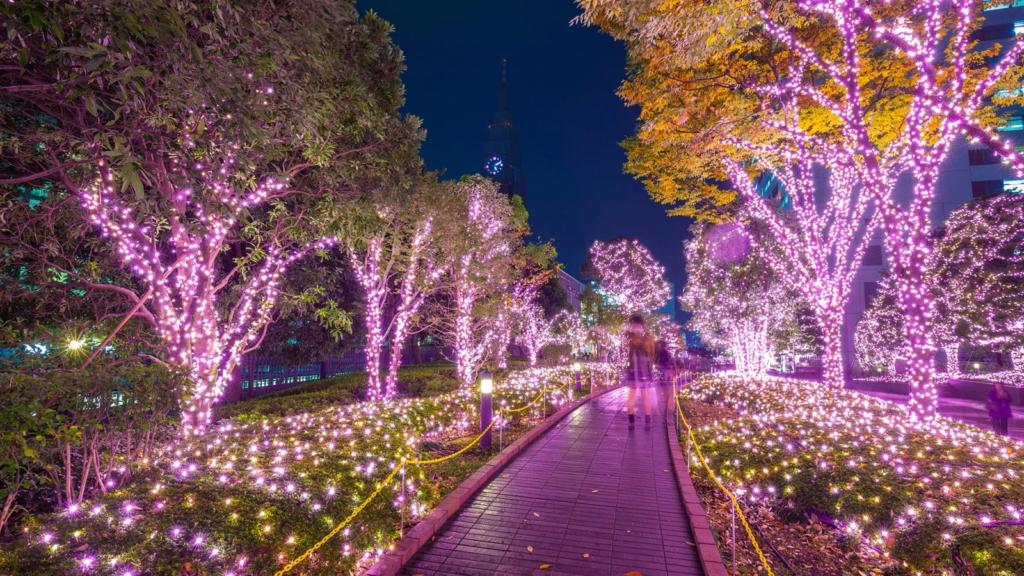
Restaurants and shopping malls play a crucial role in sustaining this cultural phenomenon. By offering exclusive deals and themed experiences, they cater to the desires of couples seeking a romantic escape from the stresses of daily life.
In a society known for its demanding work culture, Christmas provides a much-needed opportunity for relaxation and indulgence. The festive cheer permeates the nation, drawing couples into a shared experience of love and celebration.
A Blend of Western Festivities and Japanese Sensibilities
The transformation of Christmas in Japan illustrates the country’s unique ability to adapt and reinterpret foreign traditions. While the holiday’s religious significance may be absent, its celebration reflects the Japanese values of harmony, togetherness, and appreciation for beauty. This cultural synthesis has given rise to a distinctly Japanese version of Christmas that is both festive and romantic.
One of the most iconic elements of Japanese Christmas is the Christmas cake—a light sponge cake topped with whipped cream and strawberries. While not traditionally associated with romance, this sweet treat has become a symbol of the holiday, often enjoyed by couples as part of their celebration.
Similarly, illuminations and light displays have become an integral part of the season, drawing visitors to parks, shopping districts, and other public spaces.
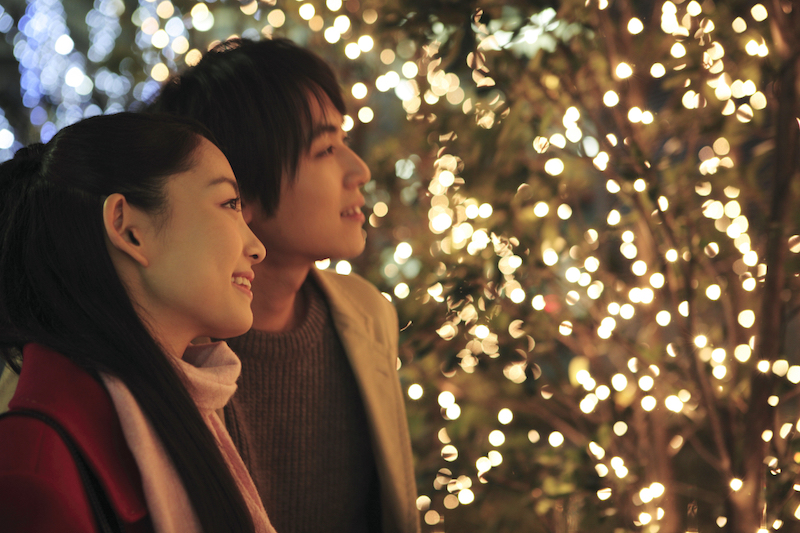
Beyond the romantic appeal, the holiday also serves as a reflection of Japan’s open-mindedness and willingness to embrace global influences.
The ability to blend Western customs with local traditions demonstrates the nation’s adaptability and creativity. By transforming Christmas into a romantic event, Japan has carved out a unique space for the holiday within its cultural landscape.
For couples in Japan, Christmas is much more than a borrowed Western tradition—it is a cherished occasion to celebrate love and connection amidst the enchanting beauty of winter.
Through its aesthetic emphasis, commercial ingenuity, and cultural adaptation, Japan has redefined Christmas as a second Valentine’s Day, offering a glimpse into the nation’s unique approach to festivities.