
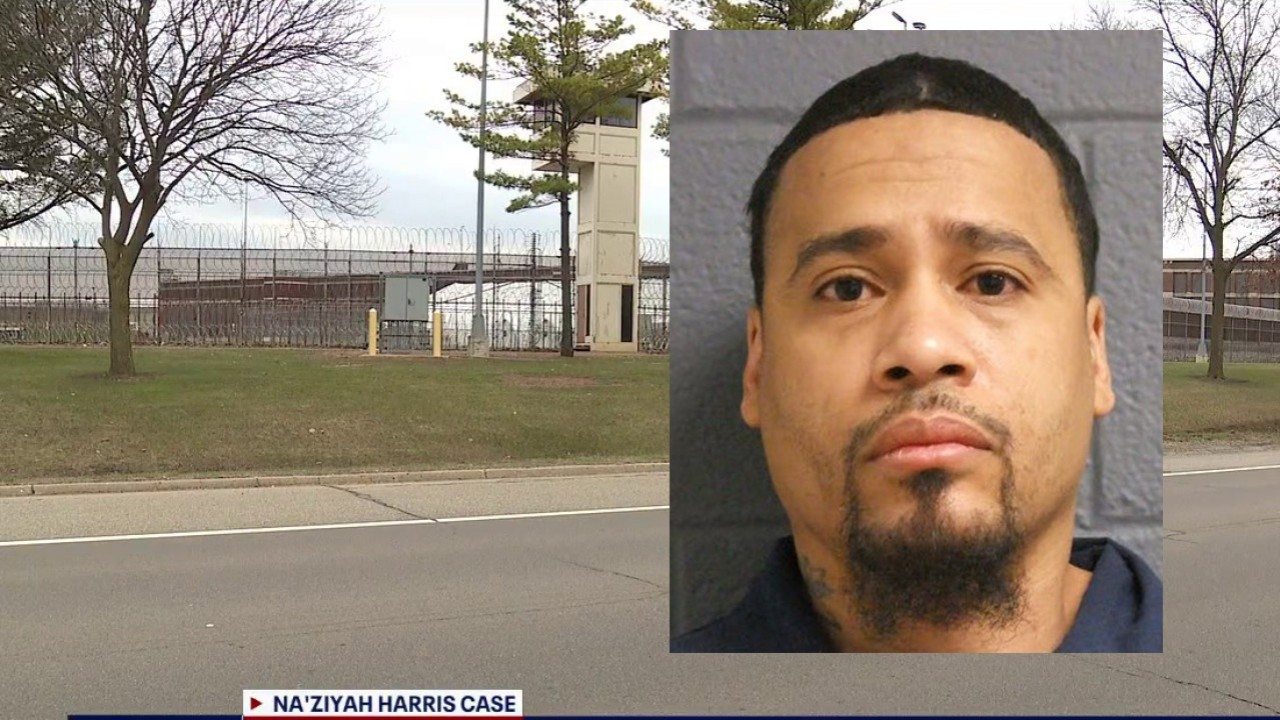
The death of Jarvis Butts inside a Michigan prison has added another tragic and complex layer to a case that had already shaken a community. Just weeks after being sentenced for the murder of 13-year-old Na’Ziyah Harris, Butts was found unresponsive in his cell, with authorities indicating that his death is being investigated as a suicide.
The development has left many questions unanswered, particularly for the victim’s family, who had been seeking closure after more than a year of uncertainty surrounding Harris’s disappearance and presumed death. While the legal process had reached a conclusion with Butts’ conviction and sentencing, his sudden death has shifted attention back to unresolved aspects of the case, including the whereabouts of the victim and the full truth behind the circumstances leading to her death.
A Crime That Shocked the Community
Na’Ziyah Harris was last seen on January 9, 2024, after getting off her school bus on Detroit’s east side. Her disappearance quickly escalated into a deeply concerning case, prompting extensive search efforts and widespread community attention. Despite these efforts, Harris was never found, and the lack of physical evidence made the investigation particularly challenging. Over time, authorities built a case against Jarvis Butts, a man known to the victim through family connections. Prosecutors alleged that Butts had groomed and sexually abused Harris over a prolonged period before ultimately killing her.
The allegations revealed disturbing details about the relationship between the accused and the victim. According to prosecutors, Harris was pregnant at the time of her disappearance, and Butts was believed to be the father of the unborn child. This aspect of the case added a further layer of gravity, highlighting both the exploitation and the vulnerability of the young victim. The prosecution argued that the murder was an attempt to conceal the abuse and its consequences, painting a grim picture of manipulation and control.
Read : What Is the Dispute Between China and the Philippines Over Giant Clams?
Butts ultimately pleaded guilty to second-degree murder, along with multiple charges related to the sexual assault of other children. These charges involved victims ranging in age from 4 to 13, including a relative, underscoring a pattern of predatory behavior. His sentencing on March 12 resulted in a 60-year prison term, which was seen as a significant step toward justice. However, for Harris’s family, the absence of her body and the unanswered questions surrounding her death continued to weigh heavily.
Sudden Death Inside Prison Raises Questions
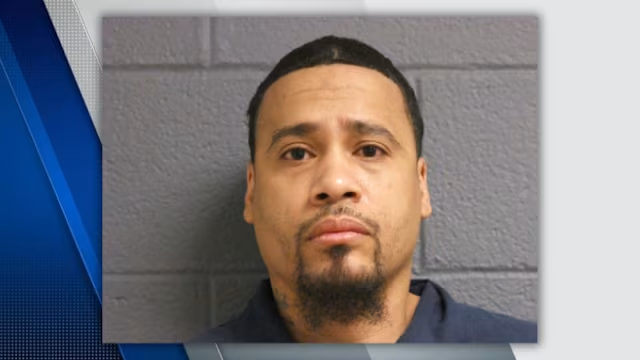
Just two weeks after his sentencing, Jarvis Butts was found dead in his cell at the Charles Egeler Reception and Guidance Center in Jackson, Michigan. Prison staff reportedly attempted life-saving measures, but their efforts were unsuccessful. Authorities have stated that the death is being treated as a suicide, though specific details regarding how it occurred have not been publicly disclosed.
Read : University of Alabama Missing Student James Paul Gracey Found Dead at Somorrostro Beach
The involvement of state police investigators indicates that the circumstances surrounding the death are being thoroughly examined. Deaths in custody, particularly those occurring so soon after sentencing in high-profile cases, often prompt heightened scrutiny. Officials typically seek to determine whether proper protocols were followed, whether there were warning signs, and whether any external factors may have contributed to the incident.
In cases involving individuals convicted of crimes against children, the prison environment can present additional risks. Such inmates may face hostility from others or experience heightened psychological stress due to the nature of their convictions and the severity of their sentences. While no official statement has suggested foul play, speculation often arises in these situations, especially when details remain limited.
The timing of Butts’ death has also drawn attention. Having just received a lengthy sentence, he was at the beginning of what would have been decades of incarceration. For some individuals, the realization of the permanence of their situation can lead to extreme emotional distress. Whether this played a role in his death remains part of the ongoing investigation.
Family Reaction and Unanswered Questions
For the family of Na’Ziyah Harris, the news of Butts’ death has been met with mixed emotions. While some may see it as a form of closure, others view it as an incomplete ending to a painful chapter. A relative of the victim described the reported suicide as a “coward way out,” reflecting a sentiment that justice, while legally served, feels emotionally unresolved.
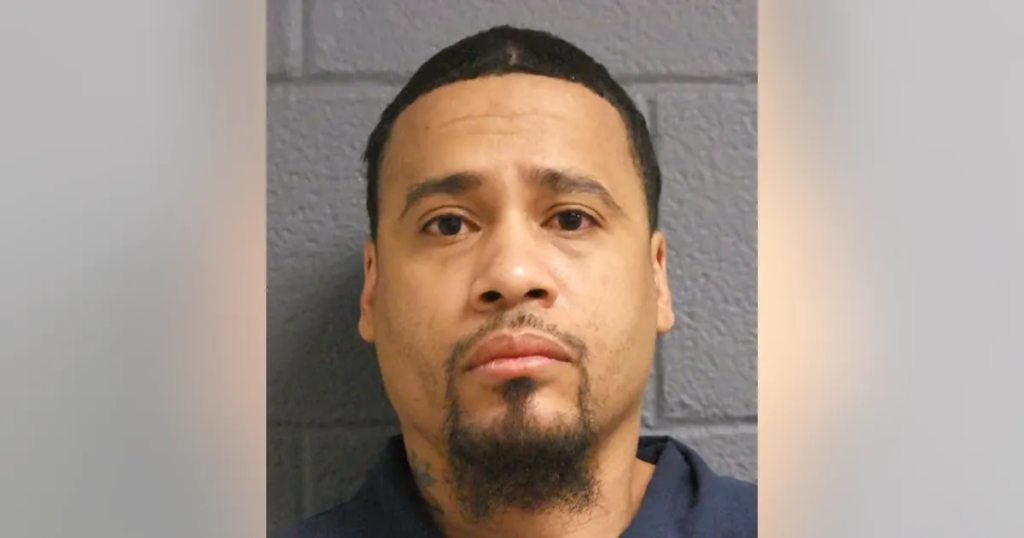
The family continues to grapple with critical unanswered questions. Chief among them is the location of Harris’s body, which has never been recovered. Without this, the ability to achieve a sense of finality remains limited. Additionally, questions about the full extent of what happened to Harris and her unborn child linger, leaving gaps in the narrative that the legal proceedings did not fully address.
There is also a broader sense of frustration regarding how the abuse went undetected for so long. Family members have expressed concern that warning signs may have been missed or ignored, suggesting that earlier intervention could have potentially prevented the tragedy. This aspect of the case raises important considerations about awareness, reporting, and the protection of vulnerable individuals within communities.
The investigation into Butts’ death may provide some answers about the final moments of his life, but it is unlikely to resolve the central mysteries of Harris’s disappearance and death. For her loved ones, the focus remains on seeking truth and accountability, even in the absence of the individual who had been convicted of the crime.
As authorities continue their inquiries, the case stands as a stark reminder of the complexities involved in both criminal justice and human behavior. The intersection of legal resolution and emotional closure is not always aligned, particularly in cases marked by violence, exploitation, and loss. The story of Na’Ziyah Harris and Jarvis Butts remains one that continues to resonate, not only for its tragic elements but also for the questions that persist beyond the courtroom.