

Jayla Boyd, a former part-time retail employee in Belfast, has secured a £65,000 settlement from JD Sports Fashion PLC after experiencing sexual harassment at work while studying for her A-levels. The case has drawn attention to how young workers are treated in part-time employment and the responsibilities employers carry when allegations of misconduct arise. Ms Boyd’s experience, which began with an incident she described as deeply humiliating and distressing, later expanded into a broader complaint about how her employer handled the aftermath.
Her decision to speak publicly reflects wider concerns about workplace culture, accountability, and the protections afforded to employees, particularly those early in their working lives. Jayla Boyd worked at a JD Sports store in Belfast on a part-time basis while completing her studies. During this period, she says she was slapped on the bottom by a male supervisor.
The incident, which she immediately recognised as inappropriate, occurred in the workplace during her shift. According to Ms Boyd, she reported the matter to her manager on the same day. She was told that CCTV footage had captured what had happened, indicating that there was visual evidence of the incident. Despite this, she alleges that the supervisor was allowed to continue working alongside her for the remainder of the shift.
The settlement, which includes an apology from JD Sports Fashion PLC for the significant upset, distress, and injury to feelings she experienced, was reached with the support of the Equality Commission for Northern Ireland. The outcome has been presented as both a resolution for Jayla Boyd personally and a reminder to employers of their legal and moral obligations when handling complaints of sexual harassment in the workplace.
The Incident and Immediate Aftermath in the Workplace
Jayla Boyd has described the initial incident as embarrassing and shocking, particularly given her age and status as a student employee. She was working a routine shift when the male supervisor allegedly slapped her on the bottom. In her account, she acted promptly by reporting the incident to management the same day. She was informed that CCTV footage existed, which she believed would support her complaint and lead to swift action.
However, she has stated that despite this knowledge, no immediate protective steps were taken. The supervisor was permitted to remain on shift, working alongside her for the rest of the day. During that time, Jayla Boyd says he approached her on two separate occasions to speak with her and apologise. She has said that he attempted to justify his behaviour by describing it as “muscle memory”, a remark she found dismissive and upsetting.
For Jayla Boyd, being required to continue working in close proximity to the person who had harassed her compounded the distress of the original incident. She has said that she felt unsafe and unsupported, and that the decision to keep the supervisor on shift sent a message that her complaint was not being treated with the seriousness it deserved. The absence of immediate intervention or separation left her feeling exposed in an environment where she should have been protected.
Following the incident, Ms Boyd raised a formal complaint of sexual harassment. She provided a written statement detailing what had occurred. However, she has claimed that she was never formally interviewed as part of the investigation process. This, she has said, contributed to a sense that her employer was not fully engaging with her complaint or prioritising her wellbeing.
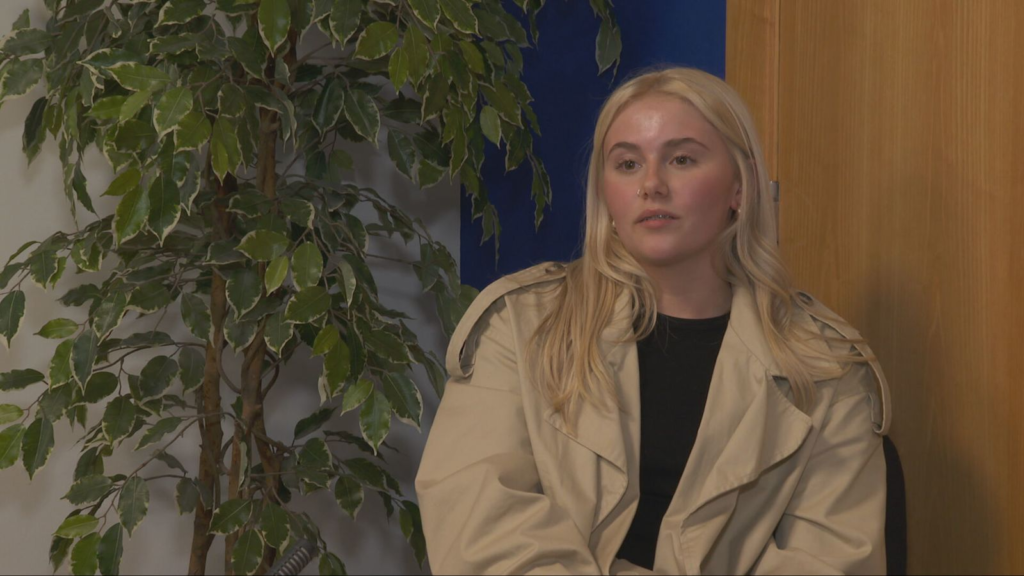
🎥 “I was shaking like a leaf.”
— Cool FM News (@newsoncool) December 18, 2025
🗣️ Belfast student settles sexual harassment case against former employer JD Sports for £65,000, after her male supervisor slapped her on the bottom, the company has apologised
🎤 Jayla Boyd speaks to our reporter @TaraGriff pic.twitter.com/eNWrUovDMV
The days following the incident were marked by growing distress. Ms Boyd has said that she felt let down by what she perceived as a lack of support from her employer. Feeling unable to cope with returning to work under these circumstances, she used some of her annual leave to take time away from her job. In her account, this was not a planned or restorative break but a necessary step to manage the emotional impact of what had happened.
When she eventually returned to work, Ms Boyd has stated that no return-to-work meeting was arranged. She was not provided with updates about the investigation into her complaint or informed of any outcomes. This lack of communication, she says, deepened her sense of isolation and reinforced her belief that her employer was failing to take appropriate responsibility for the situation.
Handling of the Complaint and Alleged Failings by the Employer
Beyond the incident itself, much of Ms Boyd’s case has focused on how JD Sports Fashion PLC handled her complaint and the subsequent workplace environment. She has alleged that her personal information relating to the incident was seen by other staff members on a manager’s computer. If accurate, this would represent a serious breach of confidentiality, particularly in a sensitive case involving sexual harassment.
Ms Boyd has also described an incident during a staff training session that she found particularly distressing. During the session, an example was discussed involving a woman being slapped on the bottom by a supervisor. Ms Boyd has said that she felt certain this example referred to her own experience. The discussion, she claims, caused her further embarrassment and reinforced the feeling that her situation was being mishandled and inadequately protected from becoming workplace gossip.
These experiences contributed to a working environment in which Ms Boyd says she felt increasingly uncomfortable and exposed. Rather than feeling reassured that her complaint was being treated seriously and discreetly, she felt that aspects of it were being discussed openly, without sufficient regard for her privacy or dignity.

Ultimately, Ms Boyd resigned from her position. She has indicated that this decision was not taken lightly but was the result of cumulative distress and a loss of confidence in her employer’s ability to support her. Leaving her job marked the end of her employment at JD Sports, but it did not end her pursuit of accountability.
With the support of the Equality Commission for Northern Ireland, Ms Boyd pursued her case, leading to the £65,000 settlement. JD Sports Fashion PLC has acknowledged and apologised for the significant upset, distress, and injury to feelings she experienced. In a statement, the company said it apologises unreservedly to Ms Boyd and confirmed that the individual involved is no longer employed by the company.
The company stated that the incident occurred in July 2024 and was addressed in line with its policies. It also said it has already made changes to its processes and welcomed the opportunity to work with the Equality Commission to further review its policies, practices, and procedures. While the settlement brings the legal case to a close, it has also prompted broader discussion about how effectively such policies are implemented in practice, particularly in retail environments employing large numbers of young and part-time staff.
Broader Implications for Workplace Safety and Young Employees
Ms Boyd has said that by speaking out about her experience, she hopes to encourage others to challenge similar behaviour. Her comments reflect a recognition that many young workers may feel reluctant to report harassment, particularly when the perpetrator is in a position of authority. For students working part-time jobs, there can be additional pressures, including fear of losing income, damaging references, or being seen as troublesome.
She has described her situation as one that could happen to many young people who take on part-time work while studying. Like many A-level students, she was working to earn money and gain experience, not expecting to face sexual harassment in the workplace. Her account highlights how vulnerable young workers can be when appropriate safeguards and responses are not in place.
The Equality Commission for Northern Ireland, which supported Ms Boyd in her case, has emphasised the responsibilities of employers to prevent and address harassment. Chief Commissioner Geraldine McGahey has stated that employers should adopt a zero-tolerance approach to sexual harassment in the workplace. Such an approach, she has said, sends a clear message that inappropriate behaviour will be taken seriously and dealt with decisively.
Ms McGahey has also stressed the importance of clear policies and procedures, as well as proper training for managers. According to her, staff must understand what behaviour is acceptable and unacceptable, and managers must be equipped to respond appropriately when complaints arise. Investigations, she has said, should be conducted thoroughly, sensitively, and in a timely manner.
The case has underscored the potential consequences for employers who fail to meet these standards. Beyond the financial cost of settlements, there is reputational damage and the risk of eroding trust among employees. For young workers in particular, an employer’s response to harassment can shape their understanding of workplace norms and their willingness to speak out in the future.
JD Sports Fashion PLC has said it works hard to create an environment where all colleagues are treated with dignity and respect. The company’s statement acknowledges the distress caused to Ms Boyd and signals a willingness to review and improve its practices. The fact that the individual involved is no longer employed by the company may be seen as a step toward accountability, though the case raises questions about how swiftly and effectively such actions are taken when incidents are first reported.
Ms Boyd’s experience, and the settlement that followed, serves as a reminder that sexual harassment is not confined to certain industries or age groups. It can occur in everyday workplaces and affect those who may feel least able to challenge it. Her decision to pursue the case, supported by the Equality Commission, has resulted in formal recognition of the harm she experienced and has contributed to ongoing discussions about workplace safety, employer responsibility, and the need for robust systems to protect employees from harassment.
**mitolyn**
Mitolyn is a carefully developed, plant-based formula created to help support metabolic efficiency and encourage healthy, lasting weight management.