
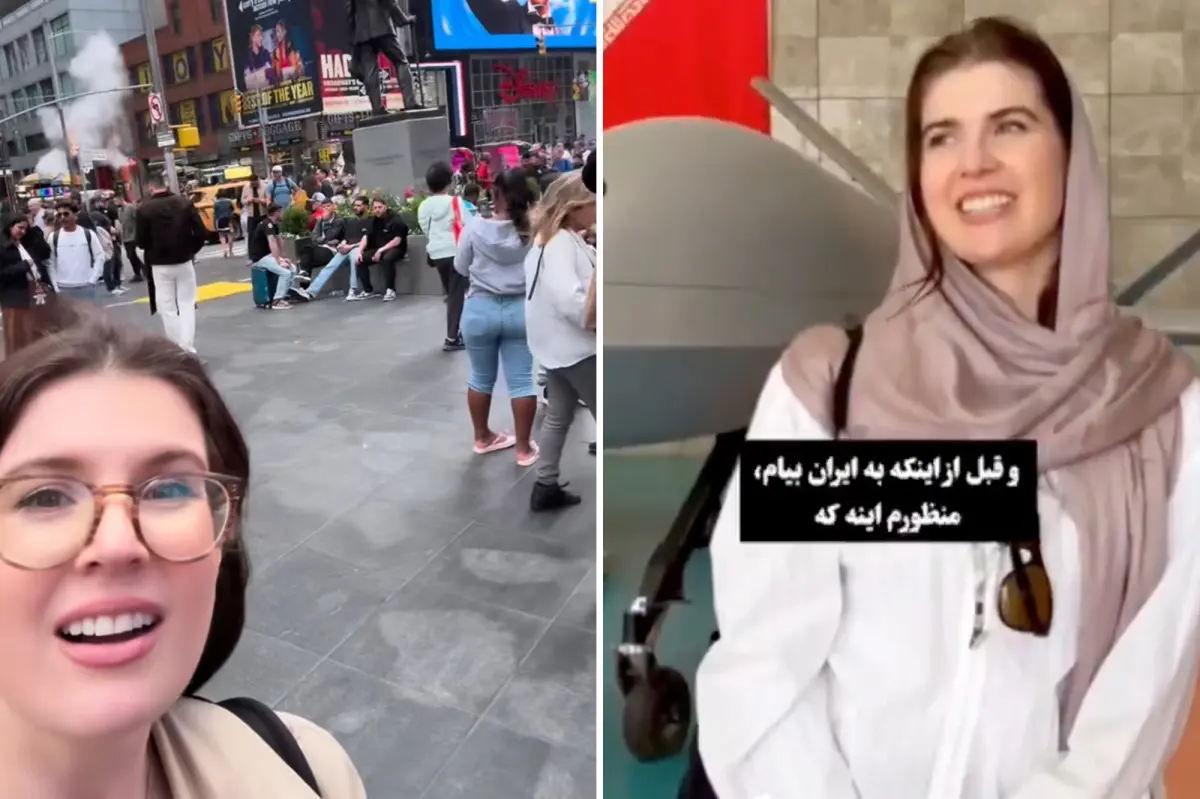
The controversy surrounding Jennifer Koonings has drawn widespread attention after videos of her aggressive and inflammatory behavior in New York City’s Times Square circulated online, prompting public outrage and professional consequences. Once employed as a psychiatric nurse practitioner, Koonings became the subject of intense scrutiny following a series of incidents that combined politically charged rhetoric, antisemitic remarks, and controversial social media activity. The situation has raised broader questions about professional accountability, the influence of personal beliefs on public conduct, and the role of social media in amplifying extreme viewpoints.
Koonings, 35, had maintained an online presence where she regularly shared opinions on global politics and social issues. However, her public profile shifted dramatically after footage emerged showing her shouting accusations at individuals she believed to be Israeli tourists. The incident not only led to her termination from a Manhattan-based mental health organization but also brought renewed attention to her past statements, including her views on international conflicts and her visit to Iran.
The Times Square Incident and Immediate Fallout
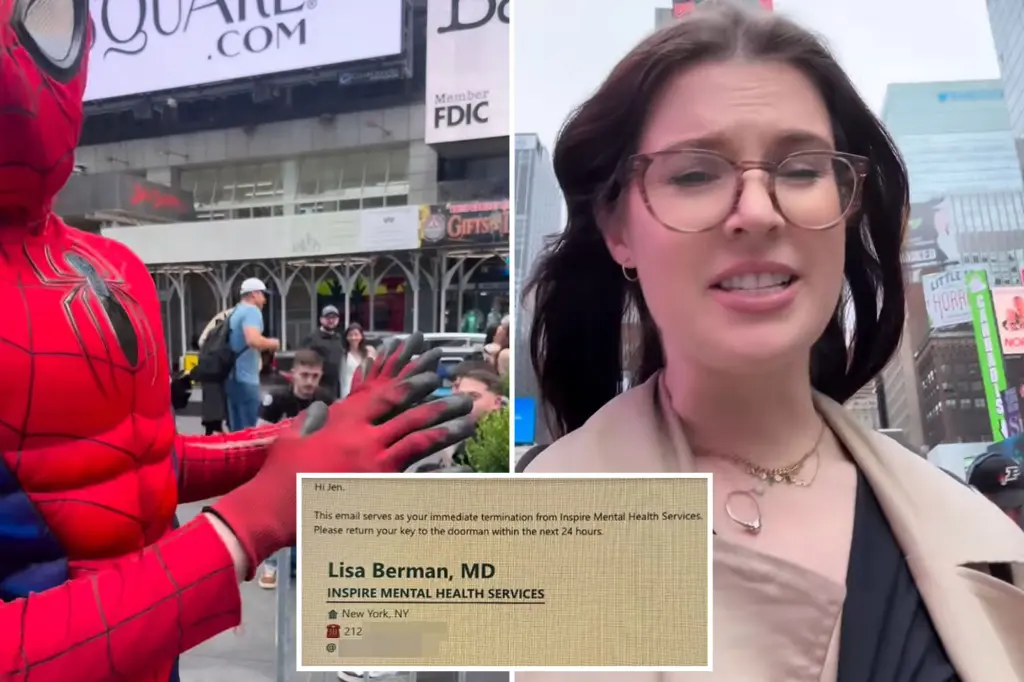
The most widely circulated footage involving Jennifer Koonings shows her confronting a group of men in Times Square, loudly accusing them of being responsible for violence against children. In the video, she repeatedly shouted phrases such as “baby killers,” directing her anger toward individuals she believed were Israeli. The confrontation occurred in a busy public area beneath a well-known statue, ensuring that the incident was witnessed by numerous bystanders and quickly recorded on mobile devices.
The videos spread rapidly across social media platforms, triggering backlash from viewers who condemned the remarks as antisemitic and inappropriate. Critics pointed out that her actions targeted individuals based on perceived nationality or identity, raising concerns about discrimination and hate speech. The intensity of her language, combined with the public setting, contributed to the viral nature of the footage.
Shortly after the videos gained traction, Koonings’ employer, Inspire Mental Health Services in Manhattan, confirmed that she was no longer associated with the organization. While the company did not release a detailed public statement outlining the reasons, the timing of her dismissal strongly suggested a connection to the incident. Employers in healthcare settings are generally held to strict standards regarding conduct, both inside and outside the workplace, particularly when it involves interactions that could undermine trust in patient care.
#SahabatPalestina_ID#VoiceOfGaza#GazaGenocide#IsraeliTerrorism
— owner of al quds (@_Alone_Warrior_) April 13, 2026
Jennifer Koonings, a psychiatric mental health nurse practitioner from New York, shared a viral video of her confronting former Israeli soldiers in Times Square, which she captioned “make baby killers… pic.twitter.com/Phc1BtdXaE
The incident also sparked discussions within professional circles about ethical responsibilities. Mental health practitioners, in particular, are expected to demonstrate impartiality, empathy, and respect for diverse populations. Koonings’ actions were viewed by many as incompatible with these expectations, leading to questions about whether individuals expressing such views can effectively serve in caregiving roles.
Past Controversies and Claims Surrounding Her Career
The Times Square episode was not the first time Jennifer Koonings had faced controversy. She previously claimed to have lost a position as a sexual assault forensic examiner at a major New York hospital in 2024. According to her own statements, this occurred after she posted content on social media disputing widely reported accounts of sexual violence linked to a major international conflict. Her remarks were seen by critics as dismissive of victims and lacking adherence to established standards of evidence.
Read : Brazilian Surfer Tayane Cachoeira Dalazen Bitten by Nurse Shark in Fernando de Noronha – New Video Surfaces
Koonings alleged that her social media activity affected her professional credibility, stating that authorities determined she could no longer serve as an expert witness in legal cases. She argued that her dismissal was based on her willingness to challenge prevailing narratives, framing herself as someone who questioned what she described as insufficiently supported claims. However, this perspective was met with skepticism, particularly from professionals who emphasized the importance of sensitivity and evidence-based practice in forensic work.
Her statements about her previous employment contributed to a growing perception that her professional and personal views were increasingly intertwined. In fields such as healthcare and forensic examination, maintaining objectivity is essential, and public expressions that appear biased or dismissive can significantly impact one’s ability to perform job responsibilities.
In addition to her professional disputes, Koonings maintained an active presence on social media, where she shared opinions on political and social issues with a substantial audience. Her following allowed her views to reach a wide range of people, amplifying both support and criticism. Over time, her posts became more controversial, including remarks about military institutions and government policies that further polarized public opinion.
These past controversies set the stage for the reaction to the Times Square incident. When the videos surfaced, they were not viewed in isolation but rather as part of a broader pattern of behavior that had already raised concerns among observers.
Iran Trip, Political Messaging, and Public Reaction
Another aspect of Jennifer Koonings’ background that drew attention was her visit to Iran, which took place in mid-2025. During the trip, she appeared in videos shared by an account associated with a festival organized by Iranian state media. In these clips, she spoke positively about the country while criticizing conditions in the United States, describing her home country in highly negative terms.
Read : Bucks County Nurse Cindy Desser Accused of Abusing Child Under Her Care
Wearing a headscarf and speaking directly to the camera, Koonings contrasted what she described as the “beauty” of Iran with issues she highlighted in New York City, including infrastructure problems and public services. Her remarks included broader criticisms of American society, which she characterized as heavily influenced by negative messaging about other nations.
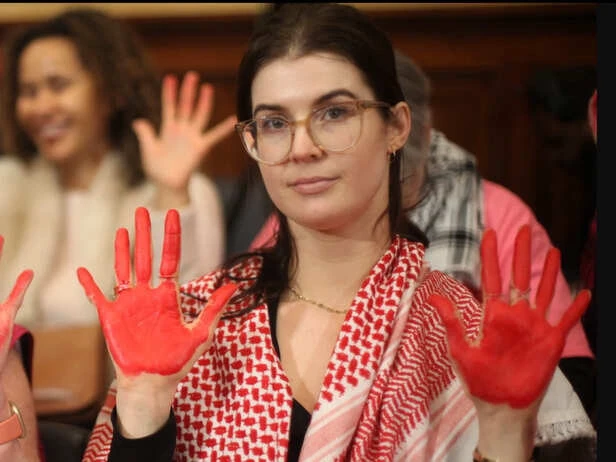
The timing of her visit added to the controversy, as it occurred shortly after a period of heightened tensions between the United States and Iran. This context led some observers to interpret her participation in the videos as aligning with foreign state narratives, particularly given the platform through which the content was distributed.
Critics argued that her statements overlooked serious human rights concerns, including reports of violence against protesters within Iran. By focusing on positive aspects while dismissing or ignoring these issues, Koonings faced accusations of promoting a one-sided perspective. Supporters, however, viewed her comments as an attempt to challenge dominant narratives and encourage alternative viewpoints.
Following the Times Square incident, these earlier videos resurfaced and were widely shared alongside the more recent footage. The combination of her public confrontation in New York and her statements abroad created a broader narrative that intensified public reaction. Many saw a consistent pattern in her rhetoric, characterized by strong criticism of certain groups and institutions, as well as controversial interpretations of global events.
The overall response to Jennifer Koonings’ actions reflects a complex intersection of free expression, professional responsibility, and societal norms. While individuals have the right to hold and express personal beliefs, the consequences of doing so in highly visible and confrontational ways can be significant, particularly for those in professions that rely on public trust.
Her case has become a focal point for discussions about how social media can amplify individual behavior, turning isolated incidents into national or even international controversies. It also highlights the challenges faced by employers in addressing conduct that occurs outside traditional workplace settings but still affects organizational reputation.
As the situation continues to be discussed, Jennifer Koonings remains a polarizing figure. For some, she represents the dangers of unchecked rhetoric and the erosion of professional standards. For others, she embodies the complexities of navigating personal beliefs in an increasingly connected and divided world.