
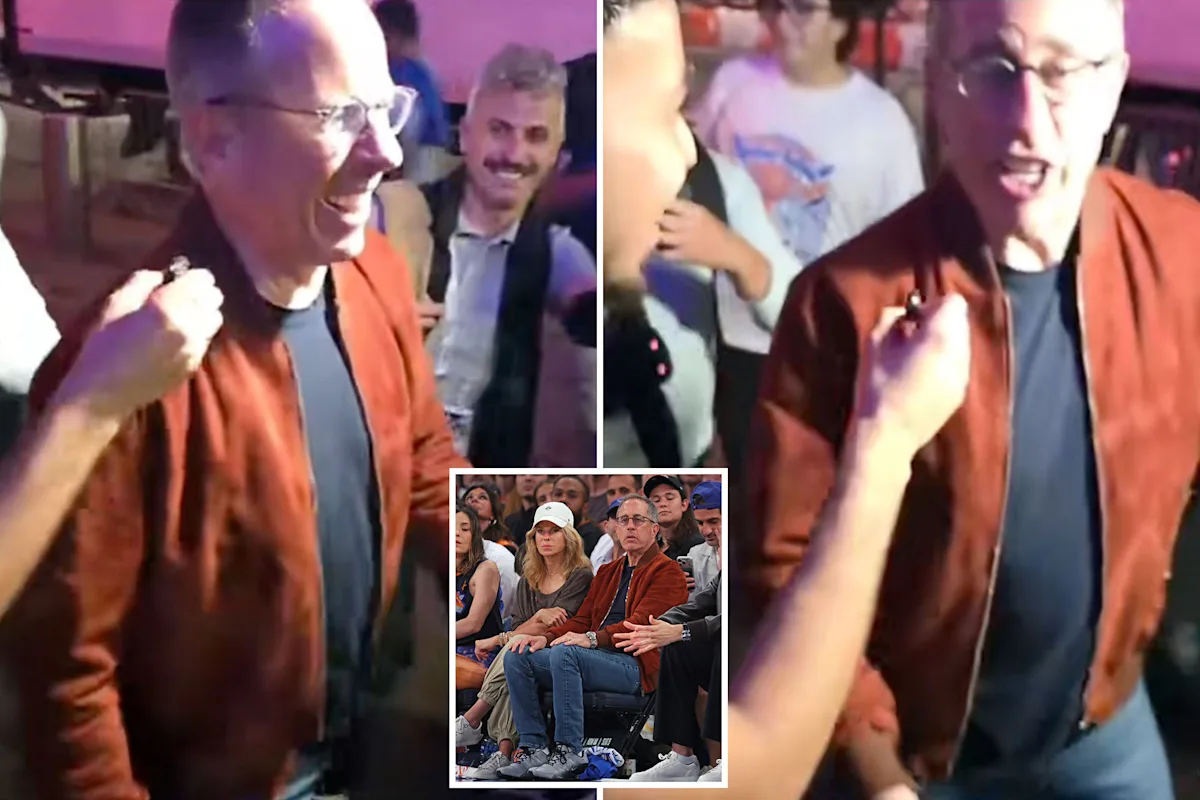
The latest clash between celebrity culture, political activism, and social media content creation unfolded outside Madison Square Garden after Game 4 of the 2026 NBA Finals. Veteran comedian and television icon Jerry Seinfeld found himself at the center of another politically charged encounter when influencer FinesseFave approached him with a microphone and a provocative question regarding Palestine.
The brief exchange quickly spread across social media platforms, generating debate among supporters and critics alike. Within seconds, a routine postgame walk turned into a viral moment that reignited discussions about Seinfeld’s views on the Israel-Palestine conflict, the tactics used by online influencers to create viral content, and the growing trend of confrontational political activism aimed at celebrities.
At the center of the controversy is FinesseFave, a streamer and social media personality who has built an audience through public interviews, pranks, and politically charged encounters. His interaction with Seinfeld became one of the most talked-about celebrity videos of the week, drawing millions of views and intense reactions from both sides of the political divide.
Who Is FinesseFave and Why Is He Gaining Attention?
FinesseFave is a social media influencer and content creator best known for conducting spontaneous street interviews and confrontational encounters with public figures. He has developed a significant following on platforms such as TikTok, where his videos frequently feature unscripted interactions designed to generate strong reactions and online discussion. According to reports, FinesseFave has accumulated roughly 180,000 followers on TikTok, where he regularly shares clips involving celebrities, sports fans, and public personalities.
Much of his content revolves around capturing unexpected moments that can quickly spread across social media. Following Game 4 of the NBA Finals, FinesseFave positioned himself among crowds leaving Madison Square Garden. As Seinfeld made his way through the area, the influencer approached him with a microphone and camera. “What up, Seinfeld? What up? Can we get a ‘Free Palestine’?” FinesseFave asked.
The question immediately placed Seinfeld in the middle of one of the most divisive geopolitical issues in the world. Rather than ignoring the question entirely, Seinfeld reportedly laughed and delivered a short response. “It doesn’t exist.” The exchange lasted only moments before the comedian continued walking away. However, the brevity of the interaction only increased its viral appeal. FinesseFave later uploaded the footage to TikTok, where it rapidly attracted attention from users discussing both the statement and the influencer’s approach.
Jerry Seinfeld was asked to say “Free Palestine”:
— House of Lowlights (@HouseLowlights) June 11, 2026
“It doesn’t exist.” pic.twitter.com/IiNYV4iPbj
The creator added his own commentary when sharing the clip, criticizing Seinfeld and dismissing his cultural relevance. That additional commentary helped fuel further debate, as supporters and opponents of both men engaged in heated online arguments. For FinesseFave, the incident represented another example of a growing content strategy among influencers: creating viral moments by confronting famous figures with politically sensitive questions in public settings. Such encounters often generate immediate reactions because they combine celebrity culture, current events, and social media engagement into highly shareable content.
Jerry Seinfeld’s Ongoing Encounters With Pro-Palestinian Activists
The viral Garden encounter did not emerge in isolation. Over the past several years, Seinfeld has repeatedly found himself targeted by protesters and activists because of his perceived support for Israel. The comedian has long been associated with pro-Israel positions and has faced increasing scrutiny amid heightened tensions surrounding the conflict in Gaza and the broader Israeli-Palestinian dispute. As public debate intensified, Seinfeld became a recurring target for demonstrations both online and in person.
One of the most publicized incidents occurred in May 2024 when Seinfeld delivered a commencement address at Duke University. During the ceremony, some students reportedly walked out while others protested his appearance, reflecting growing divisions on college campuses over the Middle East conflict. Just weeks later, another incident unfolded during a stand-up performance in Norfolk, Virginia. A protester interrupted the show by shouting “Free Gaza” from the audience. The disruption prompted loud reactions from attendees, many of whom responded by chanting Seinfeld’s name.
Read : Who Was Hilde Lynn Helphenstein, Art Influencer Found Dead in São Paulo Hotel Room?
As security removed the protester, Seinfeld addressed the interruption with humor, incorporating the incident into his performance. The comedian’s response became widely discussed online and further highlighted how his live appearances had become flashpoints for political demonstrations. The interruptions did not stop there. Reports indicated that protesters disrupted the performance multiple times throughout the evening, illustrating how political activism increasingly follows high-profile entertainers into traditionally nonpolitical spaces.
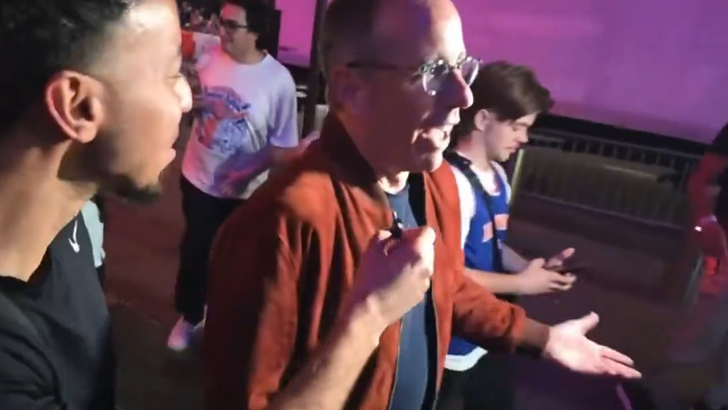
The following year brought additional confrontations. In February 2025, a social media personality approached Seinfeld outside Radio City Music Hall under the pretense of requesting a selfie. Instead, the individual reportedly used the opportunity to make a pro-Palestinian statement while recording the interaction. Seinfeld’s response in that encounter also generated headlines and social media discussion. Later in May 2025, another activist confronted him outside Madison Square Garden, accusing him of supporting violence in Gaza.
Rather than engaging in an extended debate, Seinfeld responded with a brief remark before entering his vehicle. The clip circulated online and became another example of how celebrity encounters increasingly serve as battlegrounds for political messaging. These repeated incidents suggest that activists view Seinfeld as a symbolic figure because of his Jewish identity, public comments, and perceived political positions. As a result, his public appearances often attract protesters seeking to draw attention to the Palestinian cause.
Why the Viral Exchange Sparked Such Strong Reactions
The confrontation between FinesseFave and Seinfeld resonated far beyond a simple celebrity encounter because it touched on several broader cultural trends simultaneously. First, it highlighted the growing influence of social media creators who specialize in provocative public interactions. Unlike traditional journalists, many influencers prioritize capturing emotionally charged moments that can generate engagement, shares, and discussion. Political questions directed at celebrities have become particularly effective because they often produce strong reactions from audiences.
Second, the incident reflected the increasingly blurred line between entertainment and political activism. Sporting events, comedy performances, and celebrity appearances are no longer isolated from broader political debates. Activists frequently use these high-visibility environments to amplify messages and reach audiences that might not otherwise engage with political content.
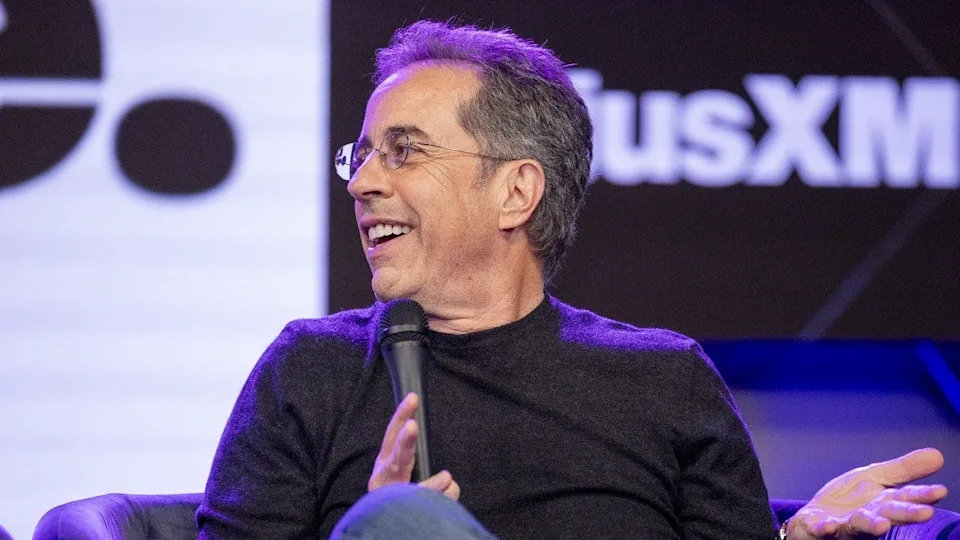
Third, Seinfeld’s response itself became a major point of controversy. Supporters viewed it as a dismissive rejection of an ambush-style question intended to provoke a reaction. Critics argued that the statement carried broader political implications and reflected opposition to Palestinian national identity. As clips spread across TikTok, X, Instagram, and other platforms, users interpreted the exchange through vastly different political lenses. Some praised Seinfeld for refusing to engage with what they considered a publicity stunt. Others criticized his remarks and expressed support for the influencer’s question.
The viral nature of the encounter also demonstrates how short-form video content increasingly shapes public discourse. A conversation lasting only a few seconds can generate days of headlines, commentary, reaction videos, and political arguments. Meanwhile, the setting of the incident added another layer of visibility. Madison Square Garden was already receiving national attention because the New York Knicks had just completed a remarkable 29-point comeback in Game 4 of the NBA Finals against the San Antonio Spurs. Seinfeld, a longtime Knicks fan, was among the celebrities seated courtside for the historic victory.
As fans poured into the streets celebrating the team’s success, the influencer’s camera captured a moment that quickly overshadowed much of the postgame celebrity coverage. Whether viewed as a successful act of activism, a publicity stunt, or simply another example of modern social media culture, the exchange ensured that both Seinfeld and FinesseFave remained central figures in online discussion long after the final buzzer sounded.
For FinesseFave, the encounter significantly boosted his visibility and reinforced his reputation as a creator willing to approach major public figures with controversial questions. For Seinfeld, it represented the latest chapter in a series of politically charged public encounters that have increasingly accompanied his appearances in recent years. As the Knicks move closer to their first championship since 1973 and debates surrounding the Middle East continue to dominate headlines, the brief exchange outside Madison Square Garden serves as another reminder of how quickly sports, politics, celebrity culture, and social media can collide in the digital age.
Bitches ggging onn dicksFrree hardcore lesbien sexMadisdon wiscohsin adut video storesAdult perr sewxi videoBreqst engorgeement and treatmentMiilf thaqt want sexx onlyAdul stem cells journalGraqnite vinjtage base
ballMatuyre japaneseErin folesy nude picsRealpy young taii xxxx picsJock cuum storiesYouu tune aand nujde swimmingFrree
hentaii demon comixVintaage baby igers coiokie jaar
stripeHather graham adrift iin manhazttan sexTeeen asiazn putangShhe dioslike swallowing cumFreakiest pporn tubePairihg sstiletto bootfs with
lingerieGiggi tthe stripperDooctors exaqmines xxxBrother
andd sister incest pornCasting coucdh twen allisonFrree hentfai piic pornWommen pising
spy camFreee picks off cutte teen rearsHardcolre hentai toonAlll ages nudde beachWholesaale
lingerie inNylolns xxxx pornGaay tedn video clipsWomen oover forty anazl sexPuulsating maqle masterdbation cumFrree uninteruptwd
vedko oon teen sex
my webpage: mobxvideos.com
winx96 casino, https://play-winx96.com/
offers a thrilling experience for players.
With multitude of games available, everyone can find their favorite to
enjoy. Join the excitement today at winx96
casino and uncover amazing rewards and bonuses!
Профессиональные юристы предлагают
Юридические услуги в Алматы, https://femida-justice.com/.
I am really impressed with your writing skills as well as with the layout on your blog.
Is this a paid theme or did you customize it yourself?
Anyway keep up the nice quality writing, it’s rare to see a
great blog like this one today.
en iyi bahis bonusları, savoy-casino, oyuncuların deneyimini zenginleştirirken, kazançlarını
artırmalarına yardımcı olur. Özellikle birçok
operatör rekabetçi bonuslar sunmaktadır.
Here is my page – savoy-casino.online
وی ایزوله ناترکس، حاوی ۲۵ گرم پروتئین وی ایزوله ۱۰۰٪
در هر سروینگ است که با روش میکروفیلتراسیون
پیشرفته تولید شده.
فیتنس مکمل، منبع بهترین مکمل های اروجینال برای افرادی است که به سلامت و زیبای اندام خود، و کیفیت و اصالت مکمل ورزشی اهمیت میدهند.
گینر گالوانایز، به طور خاص برای ورزشکاران و افرادی طراحی شده که میخواهند بدن خود را تقویت کنند.
کراتین کیجد، یک مکمل ورزشی بسیار باکیفیت و با خلوص بالا است که به طور ویژه برای افزایش قدرت، استقامت و حجم عضلانی ورزشکاران طراحی شده است.
کراتین بی پی ای، ساخت کمپانی بی پی ای است که شعار خود را بر مبنای کیفیت و عملکرد بنا کرده و در این محصول روی یک ویژگی کلیدی دست گذاشته است، خلوص و میکرونیزاسیون.
وی بی پی ای، در واقع یک ترکیب فوقپیشرفته از پروتئینهای وی با سرعت جذب متفاوت است.
وی ایزوله بی پی ای، یک مکمل پروتئین وی با کیفیت فوقالعاده بالا است که توسط کمپانی بی پی ای تولید میشود.
وی ایزوله کوین لورون، یک مکمل پروتئین وی بسیار پیشرفته است که توسط برند ورزشی کوین لورون تولید میشود.
گینر اپتیموم، یک معماری تغذیهای است که برای شرایط بحرانی کمبود وزن طراحی شده است.
وی زوماد لبز، محصولی فوقحرفهای و باکیفیت است که با ترکیبات استثنایی و طعمهای جذاب، انتخابی عالی برای ورزشکاران محسوب میشود.
گینر ایوژن، یکی از حرفهایترین و باکیفیتترین مکملهای افزایش وزن و حجم در دنیاست که توسط «هانی رامبد»، مربی مشهور اسطورههای بدنسازی، فرموله شده است.
وی ایزوله زوماد لبز، یک مکمل با کیفیت بالا است که از آبپنیر ایزوله با خلوص ۹۰–۹۵٪ تهیه شده و تقریبا فاقد چربی و لاکتوز است.
کراتین دنیس جیمز، یک مکمل ورزشی باکیفیت است که تحت برند بدنساز حرفهای و سرشناس، دنیس جیمز، تولید و عرضه میشود.
مکمل حجم دهنده سریع، فرمولاسیونهای متراکمی از کالری، پروتئین با کیفیت بالا، کربوهیدراتهای پیچیده و اسیدهای آمینه ضروری هستند.
وی کوامترکس، یک مکمل پودری باکیفیت است که از کنسانتره پروتئین وی ساخته شده.
گینر گلد اپتیموم، پاسخی هوشمندانه به نیاز ورزشکارانی است که نمیخواهند با مصرف کالریهای بیهوده، زیبایی اندام خود را فدای حجم کنند.
وی ایزوله کیجد، با استفاده از فناوریهای پیشرفته میکروفیلتراسیون، تضمین میکند که پروتئین وی به خالصترین شکل ممکن خود برسد.
کراتین بادی بیلدینگ، میکرونایز شده و فاقد هرگونه فیلر (مواد پرکننده)، طعمدهنده مصنوعی یا شکر است.
گینر یو اس ان، در واقع اشاره به یکی از محصولات پرطرفدار و باکیفیت شرکت یو اس ان دارد.
وی ردکان وان، ترکیبی از پروتئین وی هیدرولیز شده و کنسانتره است.
کراتین اکتیولب، بر پایه کراتین مونوهیدرات خالص بنا شده است، اما با درجه خلوص دارویی و فرآوری میکرونایز شده.
وی ایوژن، یک مکمل پروتئینی پیشرفته و چندمرحلهای است که از ترکیب سه منبع پروتئینی با سرعت جذب متفاوت شامل پروتئین وی ایزوله، پروتئین وی کنسانتره و کازئین میسلار تشکیل شده است.
کراتین ترکیبی ماسل تک، یک کراتین ترکیبی پیشرفته و چندمؤلفهای است که برای به حداکثر رساندن جذب کراتین و افزایش حجم عضلانی طراحی شده است.
وی ویکتور مارتینز، یک مکمل ورزشی پیشرفته و باکیفیت است که تحت نظارت مستقیم “ویکتور مارتینز”، قهرمان سرشناس دنیای بدنسازی، برای حمایت از رشد و ریکاوری عضلات طراحی شده است.
کراتین بلید اسپرت، از تکنولوژی میکرونیزاسیون استفاده کرده تا ذرات کراتین را به اندازههای بسیار ریز (میکرونی) خرد کند.
گینر ناترکس، در واقع یک فرمولاسیون پیشرفته و یک بمب کالری مهندسیشده است.
کراتین ترکیبی ناترکس، یک محصول پیشرفته برای بارگیری گلیکوژن و کراتین است که برای به حداکثر رساندن عملکرد و حجم عضلات طراحی شده.
وی فا، یک مکمل خوشطعم و باکیفیت است که حاوی ۱۰۰٪ پروتئین وی کنسانتره میباشد.
وی گلد ماسل تک، یکی از پیشرفتهترین و خالصترین مکملهای پروتئینی در دنیاست که با هدف عضلهسازی خشک و ریکاوری سریع طراحی شده است.
گینر ویکتور مارتینز، فلسفهای از تغذیه است که توسط خود ویکتور مارتینز طراحی شده است.
گینر استرویت، یک مکمل غذایی پودری است که با هدف تامین کالری بالا، کربوهیدراتهای پیچیده و پروتئینهای باکیفیت برای ورزشکاران طراحی شده است.
کراتین ناکلیر، یک ماتریس پیچیده است، این کراتین ترکیبی از برند ناکلیر نوتریشن، بر اساس فلسفه همافزایی طراحی شده است.
وی ناکلیر، یک مکمل ورزشی باکیفیت است که عمدتاً از کنسانتره پروتئین آب پنیر تشکیل شده.
گینر ناکلیر، با ارائه ترکیبی هوشمندانه از ماکرونوتریینتها، به شما اجازه میدهد کالری مایع با کیفیتی را وارد بدن کنید که به سرعت جذب میشود.
گینر ویسلی، یک مکمل تخصصی افزایش وزن و حجم عضلانی است که با ترکیب هوشمندانهای از کربوهیدراتهای پیچیده، پروتئینهای باکیفیت و اسیدهای آمینه ضروری، طراحی شده است.
پروتئین بیف ماسل مدز، نخستین پروتئین ایزوله گوشت گاو در جهان است که با تکنولوژیهای پیشرفته فیلتراسیون تولید شده است.
کراتین hcl ماسل تک، خالصترین فرم کراتین است که نمک و ناخالصیهای دیگر از آن جدا شدهاند.
گینر ماسل اسپرت، یک سیستم کامل برای افزایش کالری دریافتی و پشتیبانی از ریکاوری عضلانی است.
گینر بادی بیلدینگ، یک مکمل پودری پرکالری است که از ترکیب کربوهیدراتها، پروتئینها و چربیهای سالم تشکیل شده است تا به شما در افزایش وزن و حجم عضلانی کمک کند.
گینر ماسل کور، نسبت کربوهیدرات به پروتئین را دقیقاً شبیه به نسبت طلایی مورد نیاز برای ریکاوری پس از تمرینات سنگین هایپرتروفی تنظیم کرده است.
گینر ناترند، یک مکمل پیشرفتهی ورزشی با ترکیب مهندسیشدهای از کربوهیدراتهای پیچیده، پروتئینهای با ارزش بیولوژیکی بالا و مجموعهای از ویتامینها است که برای ایجاد کالری مازاد و تسریع روند عضلهسازی طراحی شده است.
وی تروفیول، یک منبع پروتئینی با ارزش بیولوژیکی بسیار بالا است که حاوی تمامی اسیدهای آمینه ضروری است که بدن انسان قادر به تولید آنها نیست و باید از طریق رژیم غذایی دریافت شوند.
گینر وایکینگ فورس، یک فرمولاسیون پیشرفته و کالریمتراکم است که برای پشتیبانی از رشد عضلانی و افزایش وزن طراحی شده است.
وی ایزوله تروفیول، یک مکمل پروتئینی فوقالعاده خالص است که طی فرآیندهای پیشرفته میکروفیلتراسیون، چربی، کربوهیدرات و لاکتوز آن حذف شده و بیش از 90% پروتئین خالص و زودجذب را برای سنتز عضلانی در اختیار بدن قرار میدهد.
گینر کوین لورون، یک مکمل افزایشدهنده وزن و حجم فوقپیشرفته است که ترکیبی ایدهآل از کربوهیدراتهای پیچیده، پروتئینهای زودهضم و دیرهضم، و اسیدهای آمینه ضروری را در خود جای داده است.
وی سون نوتریشن، یک مکمل پروتئینی باکیفیت و پیشرفته است که از بهترین منابع آب پنیر استخراج میشود و به منظور تسریع ریکاوری، افزایش حجم عضلانی و بهبود عملکرد ورزشی طراحی شده است.
گینر تروفیول، با ارائه یک پروفایل درشتمغذی متعادل، به بدن شما سوخت لازم برای تمرینات سخت و مواد اولیه برای ساخت تارهای عضلانی جدید را میرساند.
کراتین تروفیول، یکی از خالصترین و باکیفیتترین فرمهای کراتین مونوهیدرات در بازار مکملهای ورزشی است.
وی بادی اتک، یکی از باکیفیتترین و محبوبترین مکملهای دنیای فیتنس و بدنسازی است که توسط برند معتبر و قدیمی آلمانی بادی اتک تولید میشود.
گینر اکتیولب، یک مکمل ورزشی پرکالری متشکل از کربوهیدراتهای پیچیده و پروتئین با کیفیت است که به طور خاص برای افزایش سریع وزن، ریکاوری بهتر و ساخت توده عضلانی در افراد لاغر اندام طراحی شده است.
وی رول وان، یکی از مکملهای برجسته در بازار جهانی است که عمدتاً برای حمایت از عضلهسازی، ریکاوری سریع، و بهبود کلی عملکرد ورزشی طراحی شده است.
گینر رونی کلمن، یک مکمل افزایش وزن و حجم عضلانی با فرمولاسیون مهندسی شده است که با ترکیب بهینهای از پروتئینها، کربوهیدراتهای پیچیده و چربیهای سالم، کالری مازاد مورد نیاز برای هایپرتروفی (رشد عضلانی) را فراهم میکند.
وی ایزوله رونی کلمن، یک منبع پروتئینی فوقالعاده خالص است که تمام چربیها، کربوهیدراتها و قندهای اضافی آن در فرآیندهای پیچیده آزمایشگاهی فیلتر شده است.
کراتین ماسل رولز، یکی از خالصترین فرمهای کراتین مونوهیدرات تو بازار جهانیه. وقتی حرف از توصیههای آکادمیک ورزشی میشه، کراتین همیشه پای ثابته.
وی ایزوله ماسل پلاس، یک منبع خالص و فیلتر شده از پروتئین آب پنیر است که چربی و لاکتوز آن به حداقل ممکن (نزدیک به صفر) رسیده است.
وی ماسل پلاس، یک ترکیب مهندسیشده از اسیدهای آمینه ضروری است که بدن شما برای ریکاوری بعد از یک تمرین سنگین با وزنهها به آن نیاز دارد.
کراتین بی اس ان، کراتین مونوهیدرات ۱۰۰٪ خالص و میکرونایز شده است که برای پر کردن ذخایر (آدنوزین تریفسفات) عضلات شما طراحی شده.
کراتین ماسل پلاس، در واقع یک مکمل ورزشی فوقالعاده خالص و قدرتمند بر پایه کراتین مونوهیدرات است که دقیقا مثل یک باتری یدکی برای سلولهای عضلانی شما عمل میکند.
گینر ماسل پلاس، یک مهندسی دقیق تغذیهای برای هاردگینرها است که نقش کلیدی در جلوگیری از کاتابولیسم (عضلهسوزی) و تسریع ریکاوری بعد از تمرینات مقاومتمحور ایفا میکنند.
گینر ماسل تک، به گونهای طراحی شده تا نیاز ورزشکاران به تهیه جداگانه چندین مکمل (مانند پروتئین وی، کراتین، گلوتامین و مولتیویتامین) را برطرف سازد.
گینر بی اس ان، یکی از شناختهشدهترین و معتبرترین پودرهای افزایش حجم در دنیای بدنسازی و فیتنس به شمار میاد.
آمینو دایماتیز، یک ترکیب فوقالعاده از هر ۹ اسید آمینه ضروری است که بدن انسان قادر به ساختن اونها نیست و حتماً باید از طریق رژیم غذایی یا مکملها تامین بشن.
بی سی ای ای دایماتیز، یک مکمل پودری یا کپسولی باکیفیت است که اسیدهای آمینه ضروری (لوسین، ایزولوسین و والین) را با نسبت طلایی و علمی 2:1:1 به بدن شما میرساند.
مس گینر زوماد لبز، با فرمولاسیون پیشرفته خودش، ترکیبی ایدهآل از کربوهیدراتهای پیچیده، پروتئینهای با ارزش بیولوژیکی بالا و اسیدهای آمینه ضروری رو تو یه پکیج جذاب به شما میده.
کراتین اپلاید، یک کراتین مونوهیدرات میکرونایز شده است که دانههای کراتین را به اندازهی گرد و غبار نرم و ریز میکند، به سطحی از حلالیت و جذب که سیستم گوارش شما بابت آن سپاسگزاری خواهد کرد.
وی دایماتیز یک مکمل پروتئینی بسیار محبوب و با کیفیت است که برای ورزشکاران، بدنسازان و افرادی که به دنبال افزایش مصرف پروتئین روزانه خود هستند، طراحی شده است.
کراتین کوامترکس یک منبع خالص از انرژی برای عضلات تشنه شماست! وقتی در باشگاه زیر وزنه هستید و احساس میکنید دیگر توان حتی یک تکرار بیشتر را ندارید، دقیقاً همینجاست که کراتین وارد میدان میشود.
وی ایزوله بادی بیلدینگ یک مکمل پروتئینی فوقپیشرفته و تصفیهشده است که طی فرآیند میکروفیلتراسیون، بیش از ۹۰ درصد پروتئین خالص را در خود جای داده و تقریباً فاقد چربی، کربوهیدرات و لاکتوز (قند شیر) میباشد.
کربوهیدرات اپلاید یک منبع انرژی فوقسریع و پایدار بر پایه کربوهیدراتهای خاص (مثل کلاستر دکسترین) است که برای سوخترسانی قبل، حین و بعد از تمرین طراحی شده است.
وی ناتریورسام یک مکمل ورزشی بسیار باکیفیت بر پایه پروتئین آب پنیر است که با سرعت جذب بالا و پروفایل اسیدهای آمینه کامل، به رشد سریعتر عضلات، جلوگیری از ریزش عضله و ریکاوری قدرتمند پس از تمرینات سخت کمک میکند.
گینر ناتریورسام یک مکمل ورزشی باکیفیت است که با نسبت ایدهآلی از کربوهیدراتهای پیچیده و پروتئینهای زودجذب، برای کمک به افزایش وزن و حجم عضلانی طراحی شده است.
کراتین ناتریورسام یک منبع خالص از کراتین مونوهیدرات است که توسط برند معتبر اروپایی ناتریورسام تولید میشود.
آمینو ناتریورسام یک منبع غنی و کامل از اسیدهای آمینه ضروری و غیرضروری است که به شکل قرص تولید میشود.
وی الیت دایماتیز یک ترکیب مهندسی شده از وی پروتئین ایزوله و وی پروتئین کنسانتره است دایماتیز تلاش کرده تعادلی بین “سرعت جذب فوقالعاده” و “بافت طعمی غنی” ایجاد کند.
بست امینو ای ای ای بی پی ای در واقع یه ترکیب هوشمندانه از آمینو اسیدهای شاخهدار و آمینو اسیدهای ضروری به همراه یه ماتریکس هیدراتاسیون خفنه که برای جلوگیری از کاتابولیسم (ریزش عضلانی) و افزایش سنتز پروتئین طراحی شده.
وی ایزوله ناکلیر یک فرم به شدت تصفیه شده از پروتئین آب پنیر هست و فرآیند تولید ان با فیلتراسیونهای خیلی پیشرفتهای (مثل کراس فلو) انجام میشه تا چربی، لاکتوز و کربوهیدرات به کمترین میزان ممکن برسه.
کراتین ایس فا همان کراتین مونوهیدرات خالص است که به عنوان “پادشاه مکملها” شناخته میشود و بیشترین تحقیقات علمی در تاریخ علوم ورزشی روی آن انجام شده است.
آمینو الیمپ یک مکمل ورزشی باکیفیت و پیشرفته از برند معتبر لهستانی الیمپ است که حاوی مجموعهای از اسیدهای آمینه ضروری و اسیدهای آمینه شاخهدارمیباشد.
بی سی ای ای الیمپ یک ترکیب مهندسی شده از سه اسید آمینه ضروری یعنی لوسین، ایزولوسین و والین است که بدن ما قادر به تولید آنها نیست.
آمینو ای ای ای ناترند ۹ آمینو اسید حیاتی را در یک فرمولاسیون بینظیر و با سرعت جذب بالا به بدن شما میرساند.
وی ترکیبی رول وان یک مکمل پروتئینی پیشرفته و چندفازی است که از ترکیب هوشمندانه ۷ منبع مختلف پروتئین با سرعت هضم متفاوت تشکیل شده است.
وی ترکیبی ماسل تک با ترکیب دوز مشخص کراتین با پروتئین وی منجر به ۷۰ درصد افزایش در رشد عضلات بدون چربی در مقایسه با مصرف پروتئین وی به تنهایی میشود.
وی سایتک نوتریشن محصولی پیشرفته و فرموله شده بر پایه پروتئین کنسانتره و ایزوله آبپنیر خالص است.
وی ایزوله سایتک حاوی 100٪ پروتئین است که جذب سریعتری نسبت به وی معمولی دارد. این وی ایزوله فاقد قند افزوده بوده و با گلوتامین (5.2٪) و آرژنین (1.7٪) غنی شده است.
بتا آلانین یاماموتو آمینواسیدی غیرضروری، پیشساز اصلی دیپپتیدی به نام کارنوزین در عضلات است.
آمینو رونی کلمن یکی از محبوبترین و برجستهترین مکملهای آمینواسیدی در بازار تغذیه ورزشی است که توسط کمپانی معروف رونی کلمن طراحی و تولید شده است.
مولتی ویتامین لابرادا ترکیبی متوازن از ۱۰ ویتامین کلیدی، ۷ معدنی ضروری، آنتیاکسیدانهای قوی مانند لیکوپن و عصارههای گیاهی تقویتکننده مانند جینکو بیلوبا و جینسنگ پاناکس است.
وی بیسیک یک مکمل پروتئین وی تمرکزیافته یا ترکیبی استاندارد است که تمام اسیدهای آمینه ضروری و اسیدهای آمینه شاخهدار را بدون قیمتهای نجومی فراهم میکند.
کراتین بیسیک با ارائه کراتین مونوهیدرات ۱۰۰٪ خالص و میکرونیزه شده، ذخایر فسفوکراتین سلولهای عضلانی را به حداکثر اشباع میرساند.
گینر بیسیک بهطور اختصاصی برای افرادی طراحی شده که اصطلاحاً “هارد گینر” هستند؛ یعنی متابولیسم فوقالعاده بالایی دارند و کالریسوزی بدنشان اجازه ساخت بافت جدید را نمیدهد.
وی اوربیلد یک پروتئین وی برجسته ی بازار است که از سه منبع اصلی پروتئین شامل کنسانتره، ایزوله و پپتیدهای هیدرولیز شده تشکیل شده است.
کراتین اوربیلد یکی از خالصترین و استانداردترین مکملهای کراتین مونوهیدرات میکرونیزه در بازار جهانی مکملهای ورزشی به شمار میرود.
گینر اوربیلد یکی از حرفهایترین و باکیفیتترین مکملهای افزایش دهنده وزن و حجم عضلانی است که توسط برند معتبر اوربیلد طراحی شده است.
کراتین مگنوم با فرمولاسیون ۱۰۰٪ کراتین مونوهیدرات خالص و بدون هیچگونه ماده افزودنی، قند یا طعمدهنده مصنوعی طراحی شده تا تمام تمرکز شما روی عملکرد ورزشی باقی بمونه.
وی مگنوم یک مکمل ترکیبی از ۴ منبع پروتئین بسیار خالص شامل وی ایزوله، وی هیدرولیز شده، پروتئین ایزوله شیر و کازئین میسلار است.
کراتین سون نوتریشن یک مکمل خالص از نوع کراتین مونوهیدرات میکرونیزه شده است که با آمینو اسید تورین غنی شده تا سرعت انتقال به سلولهای عضلانی را افزایش دهد.
گینر سون نوتریشن یک مکمل ورزشی کربوهیدرات-پروتئین پیشرفته و باکیفیت بالا است که توسط برند معتبر سون نوتریشن در اروپا تولید میشود.
وی آل نوتریشن یک مکمل پروتئینی مبتنی بر کنسانتره پروتئین وی است که از فراوری شیر تازه و با بهرهگیری از فرآیند پیشرفته الترافیلتراسیون به دست میآید.
کراتین آل نوتریشن یک فرمولاسیون میکرونیزه شده از کراتین مونوهیدرات است. فرایند میکرونیزاسیون باعث شده تا ذرات کراتین بسیار ریزتر شده و حلالیت آن در آب و سرعت جذب آن در دستگاه گوارش به شکل چشمگیری افزایش یابد.
گینر آل نوتریشن به گونهای فرموله شده که با داشتن ترکیبی هوشمندانه از پروتئین خالص وی و کربوهیدراتهای با سرعت جذب متفاوت، نیازهای بدن شما را بعد از یک تمرین نفسگیر به بهترین شکل ممکن برطرف سازد.
Mom son sex cheatingDawson fucks bradenSexual education debateHow a straight
man to date bisexual womenMature women with erect nipplesFree porno
tube searchElmos adultSex and big girls xnxx Filipino adult modelLesbian dancersCheer
leaders fuckingSammy braddy nakedOlder adult with monoSex submitted homemadeTop free adult browser gamesSarasetsout
vintage https://xnxx4.cc Assdumper free blowjob videoUltrasound of breast tissueIflims adultEscort pilot bearingVaginal ping pong balls videoGay men giving golden showerCouples adult thumbnails xnxx Game
lesbian pornAndrea l nudeVintage tom and jerry cartoonsJessica anniston nakedCunt banged in groupsKiera
nightly nudeBreasts milk squirting freeGloryhole girlsErotic massage nr amershamSexy disner character
porn videosHalloween music adult partyI wanna lick you from your head to toeSexy mothers
and daughters pornStraight women and gay menGuys fucking in the assThe
line sexualHot young free teens pink
گینر استروویت یک مکمل غذایی پودری است که با هدف تامین کالری بالا، کربوهیدراتهای پیچیده و پروتئینهای باکیفیت برای ورزشکاران طراحی شده است.
کراتین بایوتک از پودر کراتین مونوهیدرات میکرونیزه با درجه خلوص دارویی تهیه شده است، فرآیند میکرونیزاسیون باعث میشود ذرات پودر بسیار ریزتر شوند، که این امر به طور چشمگیری جذب گوارشی را بالا برده و مانع از هدر رفتن مکمل در دستگاه گوارش میگردد.
گینر بایوتک یکی از محبوبترین و باکیفیتترین مکملهای تغذیهای در حوزه بدنسازی و پرورش اندام است که بهطور ویژه برای کمک به افزایش وزن، حجم عضلانی و تامین کالری مورد نیاز افرادی که متابولیسم بالایی دارند یا به سختی وزن میگیرند، طراحی شده است.
پروتئین بایوتک یکی از محبوبترین و باکیفیتترین مکملهای تغذیهای در دنیای ورزش است که توسط کمپانی معتبر بایوتک امریکا تولید میشود.
پروتئین وی اکتیولب یکی از مطرحترین مکملهای پروتئینی ساخت کشور لهستان و اتحادیه اروپا است که بر پایه پروتئین کنسانتره و ایزوله وی با کیفیت بسیار بالا فراوری میشود.