
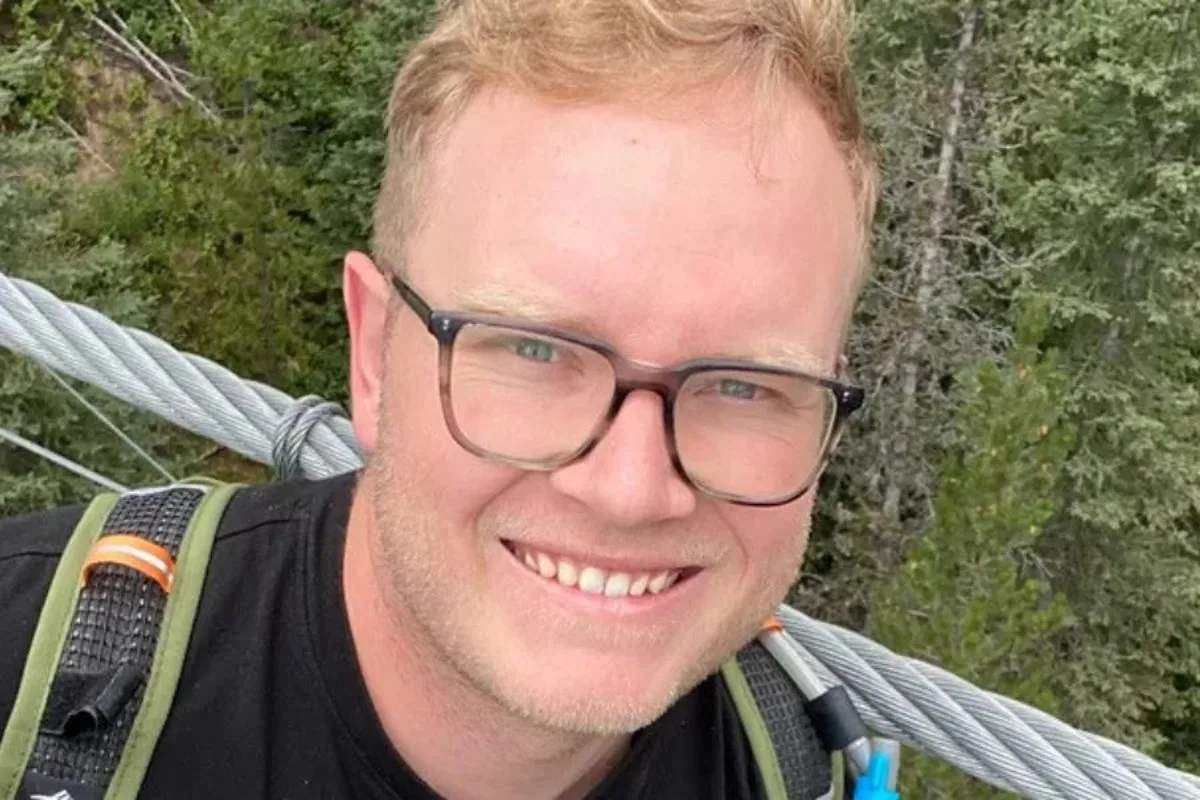
In a harrowing incident that has shaken the Alberta community, a man identified as Jesse Sayer is recovering from serious injuries after being mauled by a grizzly bear during a hunting trip south of Cochrane, Canada. The violent encounter, which occurred on Thursday, highlights the ongoing risks of wildlife interactions in the province’s backcountry, where grizzly populations have been increasing in number and range.
Jesse Sayer, a well-known volunteer and Vice President of Carstairs Minor Hockey, was airlifted to a hospital following the attack and has since been stabilized. The incident has not only sparked widespread concern but has also reignited conversations about human-wildlife coexistence and safety practices during the fall hunting season.
The Sudden Attack and Rescue Effort
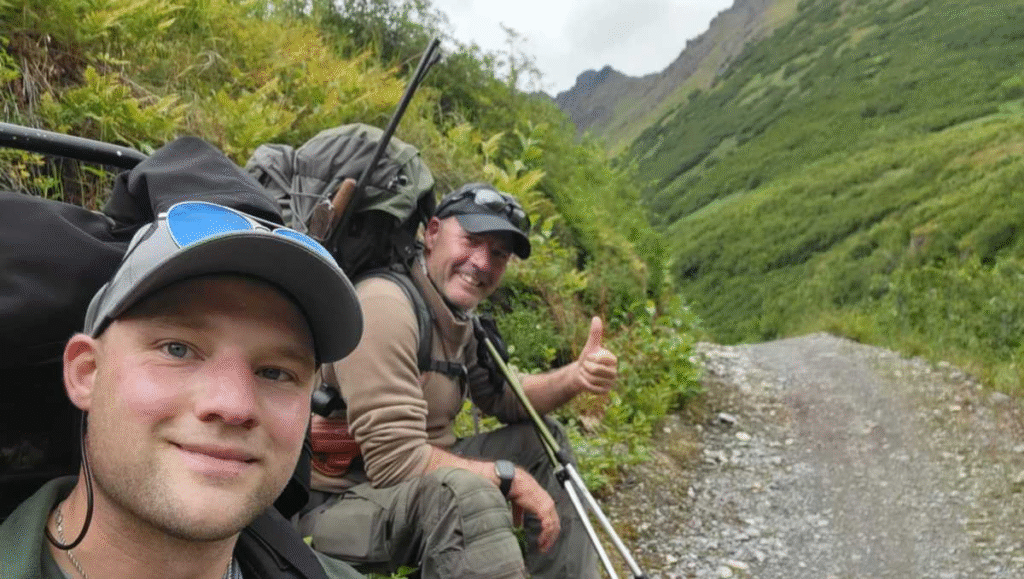
The attack took place in a remote area south of Cochrane, a town situated on the eastern slopes of the Canadian Rockies, known for its scenic wilderness and thriving wildlife population. According to reports from Alberta officials, Jesse Sayer and his hunting partner were on a routine trip when the grizzly bear charged. Details of the precise moment of the encounter remain limited, but it is believed that the bear surprised the hunters, possibly due to environmental conditions or proximity to a food source.
Jesse Sayer sustained significant injuries to his leg and arm as the animal mauled him before his hunting partner intervened. The partner reportedly managed to shoot the bear during the confrontation, stopping the attack. A second bear, whose age and condition remain unclear, fled the scene immediately after the incident. Authorities later confirmed that the animal believed responsible for the mauling was deceased, although DNA testing is underway to conclusively determine if the correct bear was shot.
Emergency responders arrived swiftly after a distress call was made, and Sayer was transported by air ambulance to a hospital in Calgary. His injuries, while serious, were later confirmed to be non-life-threatening. By Friday, his condition had stabilized, bringing relief to family members, friends, and the broader Carstairs community who had anxiously awaited updates.
In an official statement, Alberta Forestry and Parks spokesperson Sheena Campbell confirmed that an investigation was underway. “The bear involved in the attack was shot by the survivor’s hunting partner and is believed to be deceased,” Campbell said. “A second bear fled the scene after the encounter. DNA testing and a field assessment will help determine the exact circumstances that led to the incident.”
Read : Top Ten Most Famous Cartoon Characters Around the World
Wildlife officers have since conducted a comprehensive sweep of the area to ensure public safety and to analyze signs of bear activity. Early observations suggest that the bears were likely preparing for hibernation, a period when they tend to be more territorial and food-motivated.
Community Rallies Around a Respected Volunteer
As news of the attack spread, the town of Carstairs and the wider Alberta hockey community quickly mobilized in support of Jesse Sayer. Known for his dedication both on and off the ice, Sayer serves as Vice President of the Carstairs Minor Hockey Association and has volunteered extensively with youth programs, mentoring young players and organizing local events.
The Carstairs Minor Hockey Association released a heartfelt statement on Friday expressing gratitude for his survival. “We are incredibly thankful that Jesse survived and remains in good spirits as he begins a long road to recovery,” the organization wrote. “The Sayer family has given countless hours to both the Carstairs Minor Hockey Association and the Renegades Minor Hockey Association—and now it’s our turn to rally around them.”
Read : Arkansas Officials Admit Killing Wrong Black Bear After Fatal Mauling of 60-Year-Old Max Thomas
A GoFundMe campaign launched by friends and family has gained significant traction, raising over $14,375 CAD (approximately $10,200 USD) of its $16,000 CAD goal. The funds are intended to help cover medical costs, recovery-related expenses, and living costs during Sayer’s rehabilitation. The page also provides updates on his condition, with organizers noting his determination and positive attitude despite the trauma he endured.
Community members have described Jesse Sayer as an integral figure who embodies teamwork and resilience. Many local residents and former players have shared messages of support, recounting how his mentorship has left a lasting impact on their lives. “He’s the kind of person who never hesitates to help others,” one supporter wrote. “Now it’s our turn to help him.”
In Carstairs and surrounding areas, fundraisers, benefit events, and team tributes are being planned to aid Jesse Sayer’s recovery. Local businesses have also stepped forward to contribute to the GoFundMe campaign and to assist the family in various ways. The collective response has underscored the strong sense of solidarity within Alberta’s small-town communities, where residents often come together swiftly in times of crisis.
The story has also resonated beyond Alberta, drawing national attention across Canada. Many have commended Jesse Sayer’s courage and the quick actions of his hunting partner, whose presence of mind likely prevented an even greater tragedy.
Rising Grizzly Encounters and Provincial Safety Warnings
While Sayer’s survival is a source of relief, the attack underscores a broader issue that Alberta officials have been warning about in recent years: the increasing frequency of grizzly bear encounters. As human development expands and outdoor recreational activities rise, interactions between people and wildlife are becoming more common, even in regions where bears had long been absent.
Alberta Forestry and Parks issued a reminder following the incident that grizzly sightings are on the rise across the province, including in areas where they had not been recorded for centuries. The fall season, in particular, marks a critical time for bears as they intensify feeding before winter hibernation. This heightened activity can bring them closer to human settlements, hiking routes, and hunting zones.
Officials have urged residents and outdoor enthusiasts to adopt strict precautions when venturing into bear country. These include securing all food and garbage in airtight containers, storing attractants away from living areas, and disposing of waste properly. Alberta Fish and Wildlife experts also advise placing garbage bins out for collection in the morning rather than overnight to minimize the risk of drawing bears into residential areas.
Moreover, homeowners with fruit trees are encouraged to pick ripe produce promptly and store it safely to prevent wildlife from being lured by the scent. Small adjustments, officials note, can make a significant difference in reducing encounters. For hunters and hikers, authorities recommend traveling in groups, making noise to avoid surprising animals, and carrying bear spray—a deterrent proven to be highly effective when used properly. Understanding bear behavior, such as recognizing signs of agitation or identifying tracks, is also critical for ensuring personal safety.
While grizzly bear attacks remain relatively rare, Alberta has seen a gradual increase in the number of aggressive encounters as the population recovers under provincial protection. Experts point out that grizzlies, once endangered in parts of Canada, have made a slow but steady comeback. Their return is a conservation success story but one that requires careful management to prevent conflict with humans.
Wildlife biologists studying the region suggest that rising interactions may also be linked to climate and environmental changes affecting food availability. As natural food sources become scarcer, bears may venture closer to areas frequented by people in search of sustenance.
The province continues to balance conservation priorities with public safety through education campaigns, bear management programs, and research into habitat behavior. In recent years, Alberta has expanded its public outreach, emphasizing coexistence through knowledge and preparedness. For residents like those in Carstairs and Cochrane, the message is clear: while the wilderness is a cherished part of Alberta’s identity, it demands respect, caution, and awareness from those who explore it.
A Community’s Resilience and a Survivor’s Recovery
As Jesse Sayer begins the long process of physical and emotional recovery, his story serves as both a cautionary tale and a testament to courage and community strength. Friends describe him as optimistic despite the ordeal, determined to regain his health and return to his roles as a father, coach, and mentor.
Medical professionals treating Sayer have indicated that his recovery will require time, particularly as he heals from severe wounds to his leg and arm. Rehabilitation and physical therapy are expected to be extensive, but his improving condition offers hope. Updates shared through the GoFundMe page suggest that Sayer remains in good spirits, grateful for the outpouring of support surrounding him.
In Alberta’s tight-knit hockey circles, Sayer’s ordeal has already become a rallying point. Youth teams across the province have dedicated recent games to his recovery, with players wearing stickers bearing his initials on their helmets. Coaches have used the moment to teach lessons about resilience, perseverance, and community responsibility—values that Sayer himself has long embodied.
The incident also continues to spur dialogue about outdoor safety. Many local hunting groups and outdoor clubs have renewed discussions on how best to prepare for encounters with wildlife. Alberta’s conservation community is taking the opportunity to reinforce the importance of education and vigilance in bear country, ensuring that hunters and recreationists alike remain alert and prepared.
In a broader sense, the attack highlights the fragile balance between humans and the wild in Canada’s western provinces. While the wilderness offers beauty, sustenance, and adventure, it also commands deep respect. The grizzly bear, an enduring symbol of North America’s rugged frontier, remains both a marvel and a reminder of nature’s raw power.
As Sayer’s community continues to stand behind him, his story has already begun to inspire many across Canada. It serves as a vivid reminder of the strength of human will, the importance of companionship in moments of danger, and the profound resilience of those who survive against the odds. From the wilderness south of Cochrane to the rinks and arenas of Carstairs, Jesse Sayer’s name has become a symbol of endurance and hope—a man who faced nature’s fury and lived to tell the tale, supported by a community that refuses to let him stand alone.
**mitolyn official**
Mitolyn is a carefully developed, plant-based formula created to help support metabolic efficiency and encourage healthy, lasting weight management.