
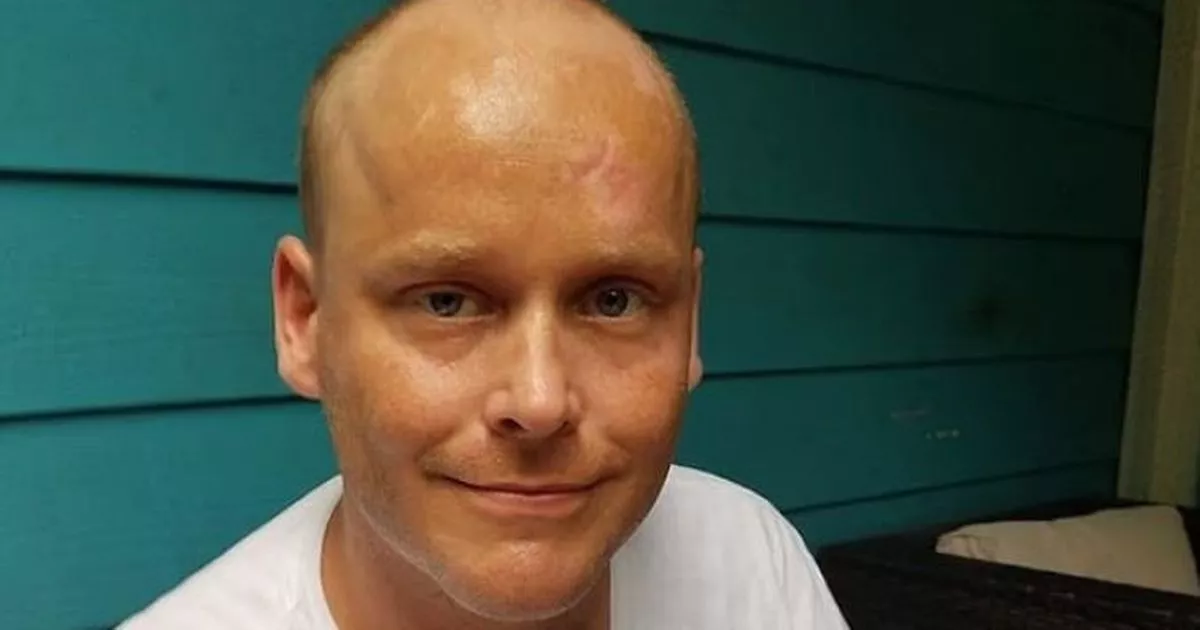
In a heartbreaking incident that has shaken the Houston community, 34-year-old Jessie Mobley Jr. tragically lost his life outside KFFO Afro Steakhouse in west Houston on August 7, 2025. What began as a routine evening meal for Mobley turned into a fatal oversight when restaurant staff, mistaking his sudden collapse for the behavior of a homeless individual, carried him outside instead of calling emergency services. Discovered lifeless the following morning, Mobley’s death has sparked outrage from his family and calls for accountability from local authorities.
As details emerge from police reports and family statements, this case highlights the devastating consequences of snap judgments and the urgent need for compassion in everyday interactions. Mobley, affectionately known as “Little Jessie” to his loved ones, was just a week shy of his 35th birthday. He had been looking forward to celebrations planned by his family, including a special dinner with his aunt overlooking the ocean at the Kemah boardwalk—a cherished tradition since his childhood.
Living with his aunt in Houston, Mobley was managing health challenges, including HIV and bipolar disorder, with regular check-ups at nearby doctors. The KFFO Afro Steakhouse, a West African eatery renowned for its spicy grilled meats and late-night hours, was conveniently located within walking distance of his medical providers, making it a familiar spot for him. Tragically, it became the site of his final moments.
According to Houston Police Department records, surveillance footage captured Mobley passing out at his table shortly after finishing his meal around midnight. Rather than summoning help, employees lifted the unconscious man, along with his backpack, and placed him on the ground outside a nearby beauty school in the Eldridge/West Oaks strip mall. No 911 call was made, and Mobley remained there overnight, unnoticed until just after 9 a.m. the next day, when he was found deceased.
The Harris County Institute of Forensic Sciences has yet to determine the official cause of death, with a spokesperson indicating that the process could take additional time. However, Mobley’s family firmly believes that prompt medical intervention could have saved his life, turning what might have been a treatable medical episode into an avoidable tragedy. This incident unfolds against the backdrop of a bustling Houston neighborhood where late-night dining spots like KFFO Afro Steakhouse serve as cultural hubs for the African diaspora community.
The restaurant prides itself on offering generous portions of authentic dishes like suya—spicy skewered meats—and jollof rice, often extending hospitality to those in need. In fact, one staff member previously told reporters that they regularly provide free meals to patrons who can’t afford them, emphasizing the eatery’s cultural roots in communal support. Yet, on this fateful night, that spirit of generosity faltered in the face of uncertainty, leading to assumptions that cost a life.
Read : Top Ten Most Famous Japanese Foods: A Culinary Journey
As the story gains traction in local media and online forums, questions swirl about the restaurant’s protocols for handling medical emergencies and the broader implications for vulnerable customers. Houston residents are left grappling with the raw pain of loss and the uncomfortable truth that bias—whether conscious or not—can have lethal repercussions. In the days ahead, as investigations continue, Mobley’s family holds onto memories of a kind-hearted man whose life was cut short by indifference.
The Night That Changed Everything: A Timeline of Events
To fully grasp the gravity of Jessie Mobley Jr.’s death, it’s essential to reconstruct the sequence of events based on police reports, surveillance video, and family recollections. On August 7, 2025, Mobley, a Houston native with a gentle demeanor and a love for his family’s traditions, decided to treat himself to dinner at KFFO Afro Steakhouse. Located in a nondescript strip mall off Eldridge Parkway, the restaurant was a short walk from his aunt’s home and his regular healthcare appointments, making it a practical choice for an evening out.
Mobley arrived sometime in the evening, settling in for a meal that reflected the venue’s West African flair. Patrons describe the atmosphere as lively yet relaxed, with the aroma of charcoal-grilled meats filling the air and music from Afrobeat playlists providing a rhythmic backdrop. He ordered a standard plate—likely featuring the house specialty of peppered goat or chicken suya, accompanied by sides of fried plantains and starchy fufu. Witnesses later confirmed that Mobley appeared in good spirits, chatting casually with other diners and showing no overt signs of distress. His backpack, containing personal items, sat by his side, a detail that would later underscore the callous treatment he received.
Read : YouTuber Cenzo Eats Chicken Inside ISKCON’s Govinda Restaurant in London
Around midnight, as the restaurant wound down from its peak late-night crowd, disaster struck. Surveillance footage reviewed by Houston police shows Mobley suddenly slumping forward at his table, his head dropping onto the surface in what appeared to be an abrupt loss of consciousness. This was no leisurely nap; it was a medical collapse, possibly linked to his underlying conditions or an unforeseen complication from his meal. The video captures a brief moment of hesitation among the staff—two or three employees glancing over—before they approached him.
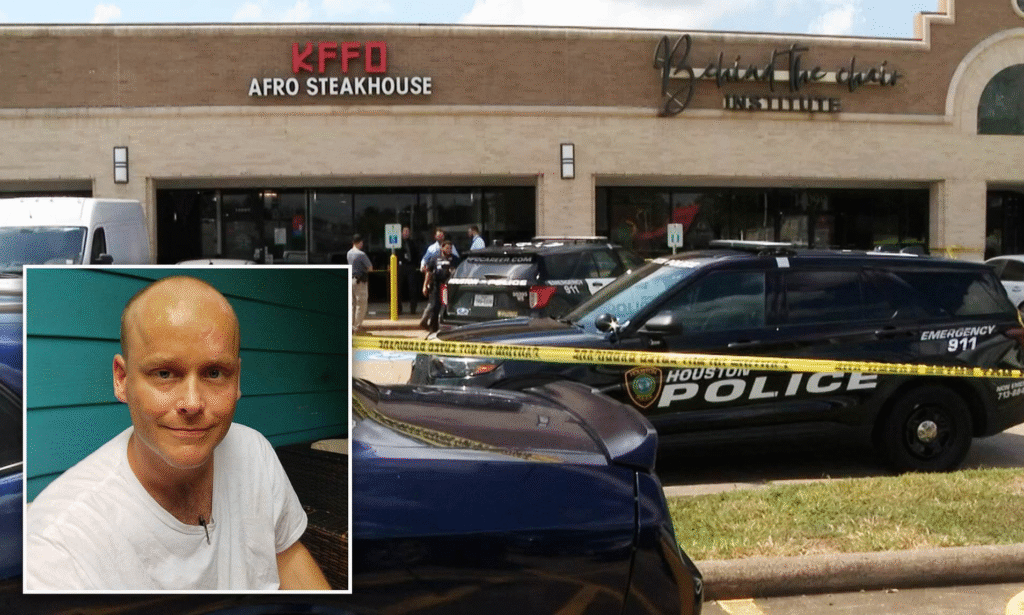
In a decision that has since drawn widespread condemnation, the workers did not reach for a phone to dial 911. Instead, they hoisted Mobley’s limp body, one supporting his arms while another grabbed his legs, and carried him toward the exit. His backpack was slung over one shoulder, and they deposited him unceremoniously on the concrete sidewalk adjacent to the restaurant, propped against a low wall near the entrance to a neighboring beauty school. The group lingered for a moment, exchanging words that police reports suggest included assumptions about his appearance and belongings, leading them to label him as “homeless” or “passed out drunk.” With that, they returned inside, locking the door behind them and leaving Mobley exposed to the humid Texas night air.
Overnight, the temperature hovered in the mid-70s, with scattered showers that might have added to his discomfort. No security patrols or passersby intervened; the strip mall’s quiet hours meant little foot traffic. It wasn’t until the next morning, around 9:15 a.m., when an employee arriving for the breakfast shift spotted the still form and alerted authorities. Paramedics from Houston Emergency Medical Services pronounced Mobley dead at the scene. An autopsy was ordered, but as of mid-September 2025, the medical examiner’s office reports ongoing toxicology and histological analyses, delaying a final ruling. Preliminary findings rule out foul play, pointing instead to a possible cardiac event or seizure exacerbated by his health history.
Mobley’s aunt, Charlene Fogg-Drake, who had been waiting up for him that night, received the devastating call from police. She rushed to the site, where yellow tape cordoned off the area, and officers were interviewing staff. The backpack, still beside him, contained his wallet, phone, and medications—clear indicators that he was far from the vagrant profile staff had hastily assigned. Fogg-Drake later recounted the scene to reporters, her voice breaking as she described the indignity of her nephew’s final hours: “He was my baby boy, always so full of life. They just left him there like trash.”
This timeline not only paints a picture of a night gone horribly wrong but also exposes procedural lapses at KFFO Afro Steakhouse. Texas health codes mandate that food establishments train staff on emergency response, including CPR and calling 911 for patrons in distress. Yet, in this case, those guidelines were ignored, raising questions about the restaurant’s compliance and culture. For a venue that markets itself as a community anchor—boasting on social media about feeding the needy—the failure to extend basic aid to a paying customer is particularly stark.
As the clock ticked past midnight into the early hours of August 8, Mobley’s vital signs faded unnoticed on that sidewalk. What should have been a prompt rescue became a 10-hour vigil of solitude, ending in irreversible loss. The precision of this chronology, drawn from verifiable sources, serves as a stark reminder that seconds matter in crises—and that assumptions can silence heartbeats forever.
A Life Remembered: Who Was Jessie Mobley Jr.?
Behind the headlines of tragedy lies the vibrant story of Jessie Mobley Jr., a man whose 34 years were marked by resilience, quiet joys, and unbreakable family bonds. Born and raised in the Greater Houston area, Mobley grew up in a close-knit household where his father, Jessie Mobley Sr.—known as “Big Jessie”—instilled values of hard work and kindness. His stepmother, Renee Mobley, became a pillar of support after marrying into the family, treating Little Jessie as her own from a young age. Together, they navigated life’s ups and downs, including the profound grief of losing two other children in the span of 13 years prior to Jessie’s passing.
Mobley was no stranger to adversity. Diagnosed with HIV in his early twenties and bipolar disorder shortly thereafter, he faced daily battles that tested his spirit but never dimmed his light. He managed his conditions with diligence, attending routine appointments at clinics near his aunt’s home in west Houston. Charlene Fogg-Drake, his aunt and primary caregiver, described him as “the heart of our family,” a young man who loved cooking soul food for gatherings, cracking jokes to lighten tense moments, and dreaming of one day opening his own barbecue joint. “He had this smile that could melt ice,” she recalled in interviews. “Jessie wasn’t defined by his illnesses; he was defined by his love for people.”
Professionally, Mobley worked odd jobs in the service industry, from stocking shelves at local warehouses to helping at community events. He wasn’t one for the spotlight, preferring the steady rhythm of routine over grand ambitions. Yet, his passions ran deep: he was an avid fan of Houston Astros games, often tuning in on the radio while grilling in the backyard, and he cherished fishing trips with his dad at nearby lakes. Music was another refuge—Afrobeat and classic R&B tracks from artists like Burna Boy and Marvin Gaye filled his playlists, a soundtrack to simpler times.
Family was Mobley’s anchor. Just days before his death, he had been on the phone with Renee, excitedly discussing birthday plans. “We’re gonna make it special, Little Man,” she promised, envisioning a surprise party with his favorite ribs and collard greens. His aunt had her heart set on that Kemah boardwalk dinner, a ritual born from childhood vacations where they’d watch dolphins leap and share stories under the stars. These plans, now forever unrealized, underscore the innocence of the life interrupted.
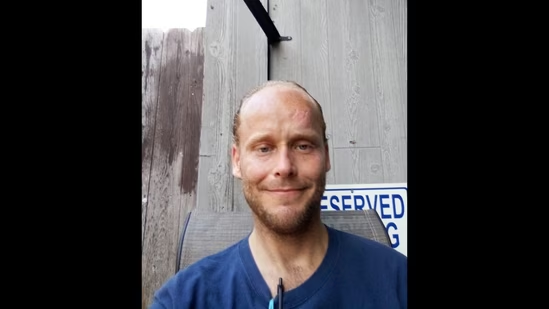
Mobley’s health journey added layers to his character. Living with HIV meant adhering to a regimen of antiretrovirals, while bipolar episodes required therapy and mood stabilizers. Friends noted his candor about these struggles, using them to encourage others in similar situations. “Jessie would say, ‘Hey, it’s not the end—it’s just a detour,'” one cousin shared. He volunteered sporadically at local HIV support groups, offering a listening ear to those feeling isolated. In a city like Houston, where healthcare access can be a labyrinth for the uninsured, Mobley’s proximity to resources was a small mercy—until that night at KFFO, when vulnerability turned fatal.
The outpouring of tributes following his death paints a portrait of a man who touched lives subtly but profoundly. Neighbors left flowers at a makeshift memorial outside the restaurant, though staff reportedly removed them multiple times. Online, hashtags like #JusticeForJessie trended locally, with posts recounting his generosity—like the time he walked miles to deliver groceries to an elderly neighbor during a storm. Big Jessie, now battling his own health woes including heart attacks and strokes exacerbated by grief, clings to these memories. “My boy was a fighter,” he said tearfully. “He deserved better than to die alone on some cold ground.”
Jessie Mobley Jr.’s story is one of unfulfilled potential—a reminder that every individual carries dreams, flaws, and worth beyond surface glances. At 34, he was on the cusp of new chapters, perhaps stability in health or deeper family roots. Instead, his legacy endures through the love he sowed and the void he leaves, urging those who knew him to live with the warmth he embodied.
Justice and Reflection: Family’s Plea and Broader Implications
The ripple effects of Jessie Mobley Jr.’s death extend far beyond the strip mall sidewalk, igniting a firestorm of grief-fueled demands for justice and systemic change. His family, shattered but resolute, has emerged as vocal advocates, pleading for transparency from KFFO Afro Steakhouse and accountability from the powers that be. Renee Mobley, speaking through tears in media appearances, encapsulated their anguish: “We just think if somebody had gotten him some help instead of putting him on the sidewalk—called 911 if nothing else. If you don’t know what is wrong with someone, you shouldn’t assume.” This raw sentiment echoes the frustration of a household that has buried three children in little over a decade, each loss carving deeper into their souls.
From the outset, the Mobleys sought answers. After claiming Jessie’s cremated remains and bringing his ashes home to Spring, Texas—a suburb 25 miles north of Houston—they pressed Houston police for a thorough investigation. Detectives have interviewed staff and reviewed additional footage, but as of September 19, 2025, no charges have been filed. The case falls under potential manslaughter or negligence statutes, given the failure to render aid, but prosecutors await the medical examiner’s final report. “We’re not looking for revenge,” Big Jessie clarified. “We want change—so no other family goes through this nightmare.”
KFFO Afro Steakhouse, meanwhile, has maintained a wall of silence. Owners declined comment when approached by local outlets like KHOU-TV, and an initial promise from an employee to call back went unfulfilled. The restaurant continues operations, its neon sign glowing defiantly amid the controversy. Patrons report mixed reactions: some boycott in solidarity, while others defend the spot’s cultural significance, arguing a single incident shouldn’t tarnish its reputation. Yet, one former staffer anonymously revealed to investigators that training on emergencies was “spotty at best,” with shifts often understaffed during late hours.
This laxity, combined with the assumption of homelessness—fueled perhaps by Mobley’s casual attire and backpack—exposed deep-seated biases that plague service industries. On a societal level, Mobley’s story amplifies urgent conversations about equity in urban America. Houston, a melting pot of over 2.3 million souls, grapples with visible homelessness, affecting an estimated 5,000 people nightly according to recent Coalition for the Homeless data.
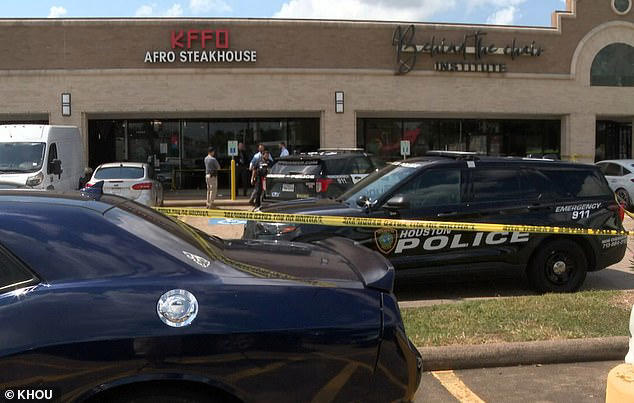
In such environments, quick judgments based on appearance can blur lines between the housed and unhoused, the ill and the intoxicated. Experts in public health point to this as a “compassion fatigue” crisis, where frontline workers, under pressure, default to stereotypes rather than empathy. “Every business interacting with the public must prioritize de-escalation and aid,” says Dr. Elena Vasquez, a Houston-based social worker specializing in crisis intervention. “Assuming vulnerability means dismissing humanity.”
The incident also spotlights healthcare disparities for those with chronic conditions like HIV, which affects over 20,000 Houstonians per CDC figures. Mobley’s untreated collapse might have been mitigated by immediate CPR or defibrillation—skills mandated but unevenly applied in non-medical settings. Advocacy groups like AIDS Foundation Houston have rallied, organizing vigils and pushing for legislation requiring AEDs in all eateries. Charlene Fogg-Drake, ever the fierce protector, has taken the lead: “I’ve set up memorials outside that place, and they keep taking them down. But I won’t stop. Jessie’s voice needs to be heard.”
Broader implications touch on racial and economic undertones. As a Black man in a majority-minority city, Mobley’s treatment raises eyebrows about implicit bias in service encounters. Studies from the Urban Institute show that African Americans are disproportionately perceived as “disruptive” in public spaces, leading to harsher responses. In Houston’s diverse food scene, where African-owned businesses like KFFO foster community, this betrayal stings deeper—turning a space of cultural pride into one of pain.
As the Mobley family awaits closure, their plea resonates: accountability isn’t punitive; it’s preventive. Big Jessie’s health falters under the weight of sorrow, but Renee’s resolve hardens. “Little Jessie would want us to fight for the overlooked,” she says. In reflecting on this loss, society must confront its blind spots—ensuring that no one, regardless of how they appear, is discarded in their darkest hour. Justice for Jessie isn’t just a hashtag; it’s a mandate for mercy.