
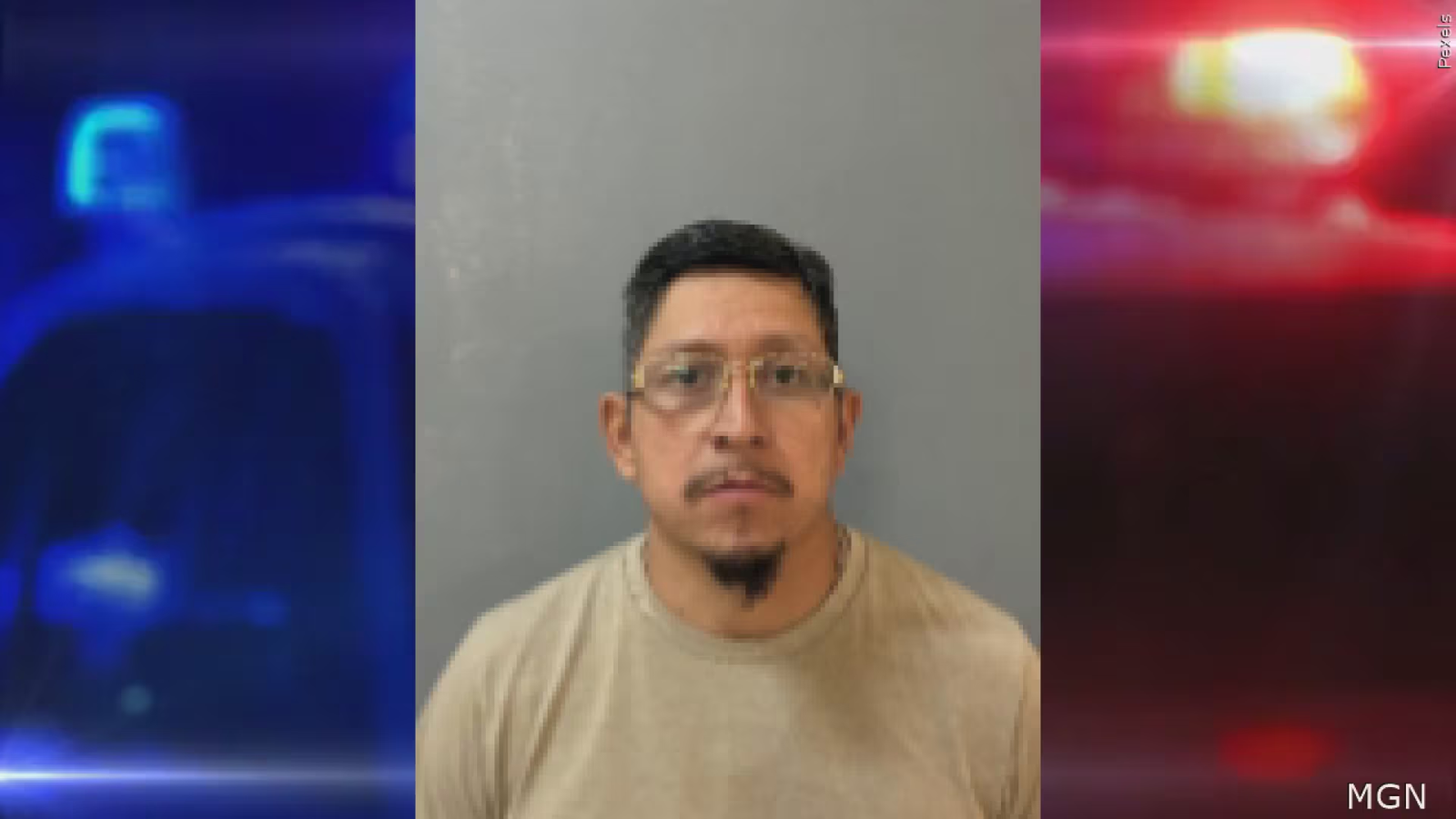
An alleged late-night home invasion in Big Spring, Texas has escalated into a complex legal case that has drawn attention to the boundaries of self-defence laws in the state. Joel Adrian Florez, a 43-year-old homeowner, has been charged with murder following the fatal shooting of an armed intruder inside his residence. The incident, which occurred late on a Friday night, has raised questions about how Texas’ “stand your ground” law and the Castle Doctrine are applied when a homeowner uses deadly force against someone who has allegedly forced their way inside a private home.
While Texas law broadly allows residents to defend themselves and their property under certain circumstances, the decision by authorities to file a murder charge indicates that investigators believe the case warrants closer judicial scrutiny. With limited official details released so far, the case now stands as a reminder that even in states with expansive self-defence statutes, the use of lethal force is not automatically shielded from criminal prosecution.
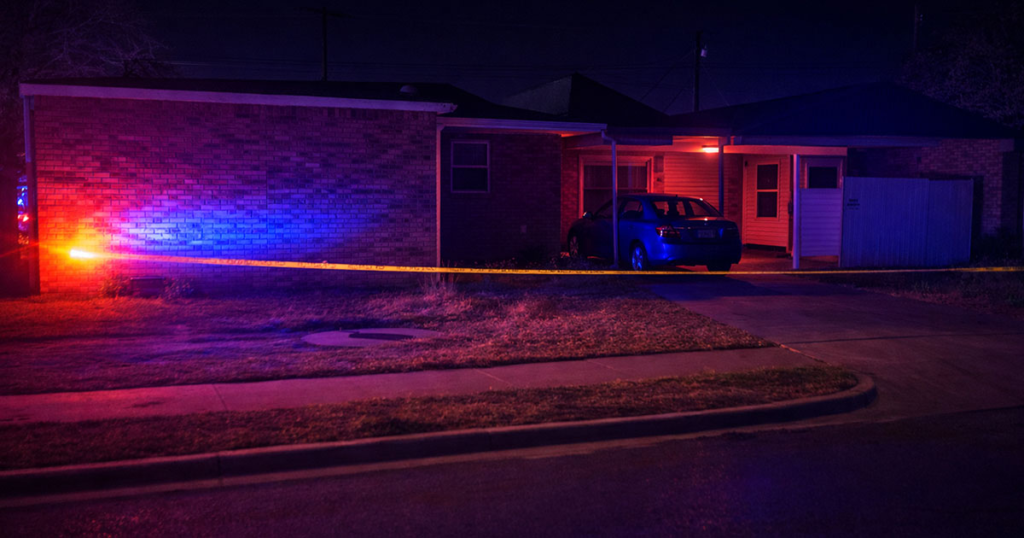
The Big Spring Police Department confirmed that officers responded to a call reporting a shooting at a residential property on Friday night. When police arrived at the scene, they found Florez and a 40-year-old woman standing outside the home. According to police statements, Florez informed officers that there was a gunshot victim inside the residence. Officers entered the home and discovered a man suffering from multiple gunshot wounds.
Despite emergency response efforts, the victim was pronounced dead at the scene. The deceased was later identified as 36-year-old Phillip Samuel Lozano Jr. Investigators stated that Lozano was armed at the time of the incident and had allegedly forced his way into the house before being shot. Within a day of the shooting, Florez was arrested and formally charged with murder, a move that has prompted public debate about the circumstances under which self-defence claims are evaluated by law enforcement and prosecutors in Texas.
Details of the Incident and Police Response
According to information released by the Big Spring Police Department, the shooting occurred during what investigators believe was an unlawful entry into Joel Adrian Florez’s home. Police have stated that Lozano was armed and that he forced his way inside the residence, although authorities have not clarified what type of weapon Lozano allegedly possessed or how he gained entry into the home. These details are often critical in determining whether a homeowner’s actions fall within the scope of legally justified self-defence under Texas law.
Officers responding to the scene were met by Florez and a woman outside the property, suggesting that the immediate threat had ended by the time police arrived. Inside the house, officers found Lozano with multiple gunshot wounds. The presence of multiple wounds has not been explained in detail by investigators, and authorities have not specified how many shots were fired or where Lozano was located inside the home at the time of the shooting. Emergency medical personnel pronounced Lozano dead at the scene.
Police confirmed that Florez remained at the location and cooperated with officers during the initial response, providing information that led them to the victim inside the house. Following preliminary investigations, Florez was taken into custody on Saturday and charged with murder. The charge itself indicates that prosecutors believe there is sufficient evidence to argue that the use of deadly force may not have been legally justified under the circumstances, or that key facts remain disputed and require examination in court.
Read : 15-Year-Old Derek Rosa Who Accused of Murdering Own Mother Covers Ears as Evidence Plays in Court
Authorities have not disclosed whether Florez and Lozano knew each other prior to the incident, leaving open the possibility that the encounter may have involved factors beyond a random home invasion. Police have also not released information regarding any prior disputes, threats, or interactions between the two men.
Read : Top Ten Must Visit Places in Indonesia
At present, Florez is being held at the Howard County Detention Center. No information has been released regarding bail or bond conditions, and it remains unclear when he is expected to make his first court appearance. Investigators have stated that the case remains active and that additional details may be released as the legal process moves forward.
Texas Self-Defence Laws and the Castle Doctrine
Texas is widely known for its strong self-defence statutes, including its “stand your ground” law and the Castle Doctrine. Under Texas law, a person is generally permitted to use force against another individual if they reasonably believe such force is immediately necessary to protect themselves from another person’s use or attempted use of unlawful force. The law removes the duty to retreat in certain circumstances, meaning that an individual does not have to attempt to escape or avoid confrontation before using force in self-defence, provided they are in a place where they have a legal right to be.
The Castle Doctrine extends these principles specifically to a person’s home, vehicle, or place of business. In theory, this doctrine allows residents to use force, including deadly force, to defend themselves, their family members, and their property from an intruder who unlawfully and forcibly enters their “castle.” The doctrine is rooted in the idea that a person’s home is their ultimate place of safety, and that individuals should not be legally required to retreat from an intruder within their own residence.
However, these laws are not without limits. Even under the Castle Doctrine, the use of deadly force must generally meet certain criteria to be considered legally justified. Prosecutors may examine whether the homeowner reasonably believed deadly force was necessary, whether the intruder posed an immediate threat of death or serious bodily harm, and whether the homeowner’s actions were proportional to the perceived threat.
Factors such as the location of the intruder at the time of the shooting, whether the intruder was attempting to flee, and whether the homeowner continued to use force after the threat had subsided can all influence how a case is evaluated. The decision to charge Florez with murder suggests that authorities believe there are unresolved questions about whether the legal standards for self-defence were met.
While police have acknowledged that Lozano was armed and had allegedly forced his way into the home, those facts alone do not automatically guarantee immunity from prosecution. Texas law allows law enforcement and prosecutors to bring charges when they believe a homicide may not be justified, leaving it to the courts to determine whether self-defence applies based on the full body of evidence.
Legal Uncertainty and the Road Ahead
The case against Joel Adrian Florez now moves into the judicial system, where prosecutors and defence attorneys are expected to present competing narratives about what happened inside the home on the night of the shooting. For the prosecution, the burden will be to demonstrate that Florez’s actions constituted murder under Texas law, meaning that the killing was intentional or knowing and not legally justified by self-defence. This may involve challenging the immediacy of the threat posed by Lozano, questioning whether deadly force was necessary, or presenting evidence that contradicts a self-defence claim.
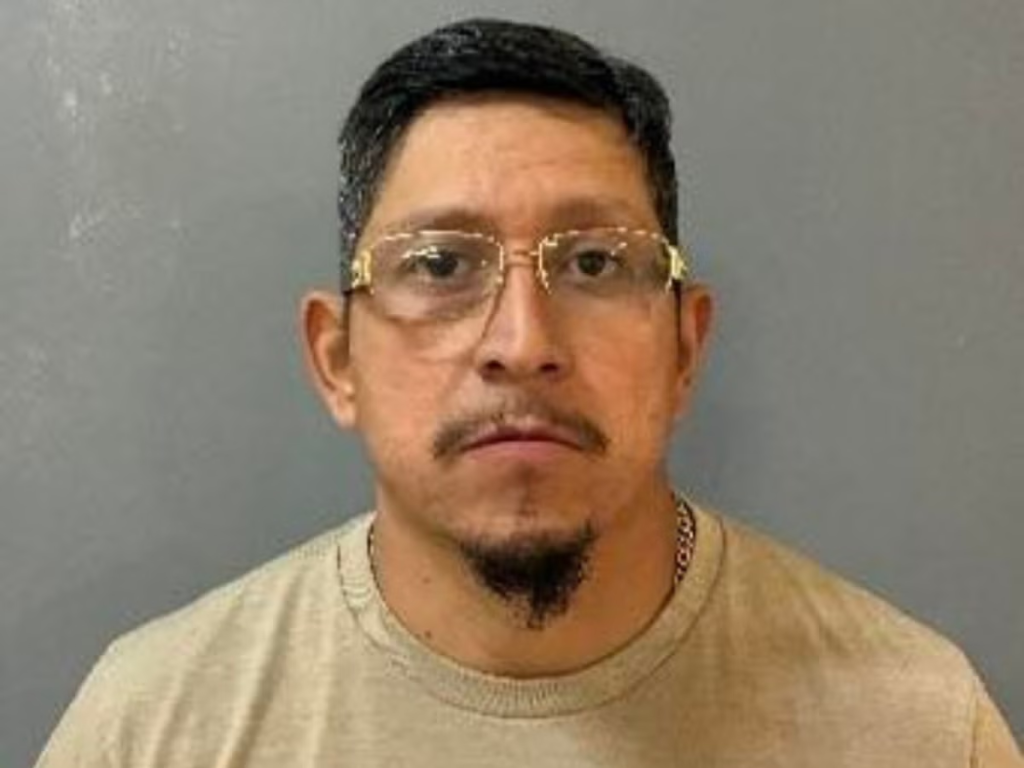
The defence, on the other hand, is likely to argue that Florez acted within his legal rights as a homeowner confronted by an armed intruder who forcibly entered his residence. Defence attorneys may emphasise the presence of a weapon, the alleged forced entry, and the fear a reasonable person would experience in such a situation. They may also argue that Texas’ stand your ground law and Castle Doctrine were designed precisely for scenarios like this, where a resident faces a perceived life-threatening intrusion inside their own home.
Public reaction to cases like this often reflects broader debates about gun ownership, self-defence rights, and the limits of lawful force. Supporters of expansive self-defence laws may view the murder charge as an example of overreach by authorities, arguing that homeowners should not face criminal prosecution for defending themselves against intruders. Others may contend that charging decisions are necessary to ensure that all uses of deadly force are carefully examined, particularly when the outcome is a loss of life.
As of now, authorities have released only limited information, and many critical details remain unknown. The absence of information about the relationship between Florez and Lozano, the exact sequence of events leading up to the shooting, and the forensic evidence collected at the scene means that much of the public discussion is based on incomplete facts. These details are likely to emerge through court filings, hearings, and potentially a trial, should the case proceed that far.
For Florez, the immediate reality is detention at the Howard County Detention Center as he awaits further legal proceedings. For the community in Big Spring, the case serves as a high-profile example of how quickly a home invasion can turn into a fatal encounter, and how the legal consequences can extend far beyond the moment of crisis. As the judicial process unfolds, the case is expected to test the interpretation of Texas self-defence laws and clarify how they are applied when a homeowner kills an alleged armed intruder inside their own residence.