

Joey Barton’s sentencing at Liverpool crown court has drawn substantial public attention, not only because of his status as a former Premier League footballer but also due to the severity and persistence of the online harassment campaign he directed at three prominent media figures.
The case underscores the legal boundaries that apply to digital communication and demonstrates how social media conduct can cross into criminality when it becomes targeted, harmful and deliberately distressing. The ruling, involving a suspended custodial sentence, community service and substantial financial penalties, provides a detailed insight into how the courts weigh issues of free expression against the duty to protect individuals from malicious abuse.
Court Findings on Barton’s Offensive Online Conduct
The court found Joey Barton guilty of six counts of sending a grossly offensive electronic communication with intent to cause distress or anxiety. The posts, published over a period of several months in early 2024, constituted what Judge Andrew Menary KC described as a sustained campaign of online abuse. The victims of this conduct were football pundits Lucy Ward and Eni Aluko, as well as broadcaster Jeremy Vine, all of whom were targeted with deeply personal attacks that went far beyond the scope of commentary or criticism.
The initial posts followed Barton’s reaction to an FA Cup broadcast on 17 January 2024, after Everton’s match against Crystal Palace. Barton referred to Ward and Aluko as the “Fred and Rose West of football commentary”, invoking one of Britain’s most infamous serial killer couples. In Aluko’s case, he added that she was “there to tick boxes”, a comment widely interpreted as belittling both her professional credentials and her presence in football punditry.
These remarks were shared publicly with an audience of hundreds of thousands, amplifying the harm and humiliation experienced by both women. The abuse escalated once Vine publicly intervened, prompting Joey Barton to publish a series of posts implying that Vine was a paedophile.
Without any basis, Joey Barton used terms such as “bike nonce”, questioned whether Vine had “been on Epstein Island”, and posted an image of the broadcaster with the caption instructing the public to call emergency services if he was seen near a primary school. During trial testimony, Vine explained that these messages caused him to fear for his physical safety. He described altering his daily movements and seeking security advice due to concerns that members of the public, influenced by Barton’s posts, might pose a threat.
Joey Barton has been handed a six month suspended sentence after being found guilty of malicious communication over posts he made on X towards Eni Aluko, Jeremy Vine and Lucy Ward. pic.twitter.com/iWmum1fFvm
— Gistral ⚡️ (@GistralHQ) December 8, 2025
Victim impact statements presented during sentencing provided further context on the emotional and professional damage inflicted. Ward wrote that she felt humiliated by the comparison to serial killers, noting the wide public visibility of Barton’s remarks. She stated that the incessant bullying nearly destroyed her. For Vine, the experience was “profoundly traumatising”, and he described Barton as someone who deliberately thrived on causing pain. These statements played a significant role in demonstrating to the court the extent of the harm caused.
Sentencing, Restrictions and Legal Reasoning
Joey Barton received a six-month custodial sentence, suspended for 18 months, meaning he will avoid immediate imprisonment provided that he complies with specific conditions set by the court. He must complete 200 hours of unpaid community work, pay £23,419 in prosecution costs within 28 days and adhere to two-year restraining orders that prevent him from referencing any of the three victims on social media or in any broadcast medium. In addition, Barton is already paying Jeremy Vine £110,000 in costs linked to civil proceedings concerning the same online posts.
Read : Union High School Football Coach Travis Turner Missing Amid Ongoing Police Investigation
In his sentencing remarks, Judge Menary stated that Joey Barton’s conduct was not protected by the principles of free speech. He acknowledged that social and political debate can be robust, satirical or even crude, but clarified that malicious insinuations, defamatory comparisons and accusations intended to cause distress fall outside the bounds of legal protection. The judge described Barton’s behaviour as targeted, extreme and deliberately harmful, emphasising the need for accountability when public commentary becomes a form of harassment.
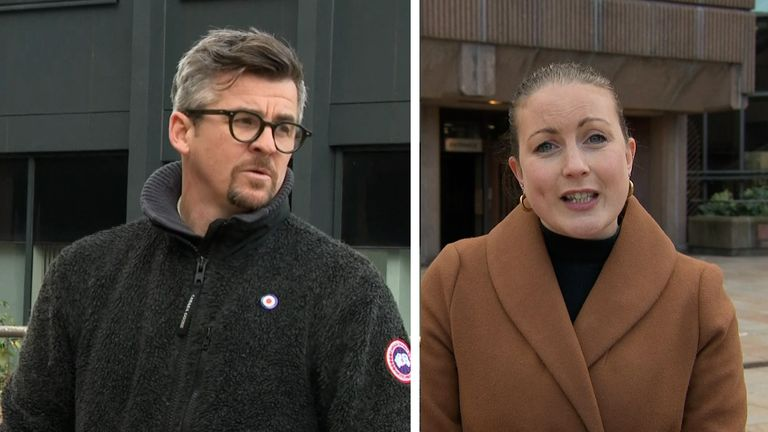
The judge also rejected the argument that Barton’s online activity could be explained as a spontaneous outburst or misguided attempt at humour. He pointed to the repetitive nature of the posts and the conscious decision to escalate the abuse when challenged. The ruling further noted that Barton was not a man of previous good character, referencing past disciplinary issues during his football career, though these were not directly relevant to the charges.
Representing Barton, Simon Csoka KC told the court that Barton’s experience through the trial had forced him to reflect and learn “the damage words can do”. Csoka said his client had shown remorse, and Barton repeated this sentiment when leaving court, telling reporters that he wished he could “turn back the clock” and had never intended harm. Barton characterised the posts as a joke that escalated beyond control, but the court had already determined that the content went well beyond any informal or humorous intention.
The suspended sentence reflects both the seriousness of the conduct and the court’s decision that immediate custodial punishment was not proportionate given Barton’s personal circumstances, remorse and the likelihood that he would comply with restrictions. However, the restraining orders and financial penalties indicate the court’s clear intention to prevent any further harassment and acknowledge the significant harm caused.
Implications for Public Figures, Online Harassment and Legal Boundaries
The sentencing of Joey Barton carries broader implications for public discourse, especially within online environments where the boundary between free expression and targeted harassment can become blurred. Although public figures often face criticism and scrutiny, the law draws a firm distinction between commentary, however sharp, and communications intended to humiliate, threaten or cause emotional harm. Barton’s case highlights how reputational attacks and unfounded allegations can cause tangible consequences for victims, including fear for personal safety, psychological distress and damage to professional standing.
The ruling also demonstrates the willingness of courts to impose meaningful penalties for online abuse, even when the perpetrator is a high-profile individual. By issuing restraining orders, community service requirements and a suspended custodial sentence, the court signalled that the anonymity or informality associated with social media does not shield individuals from criminal liability. The case may therefore influence how similar online conduct is assessed in future, especially when harmful posts are disseminated to large audiences.
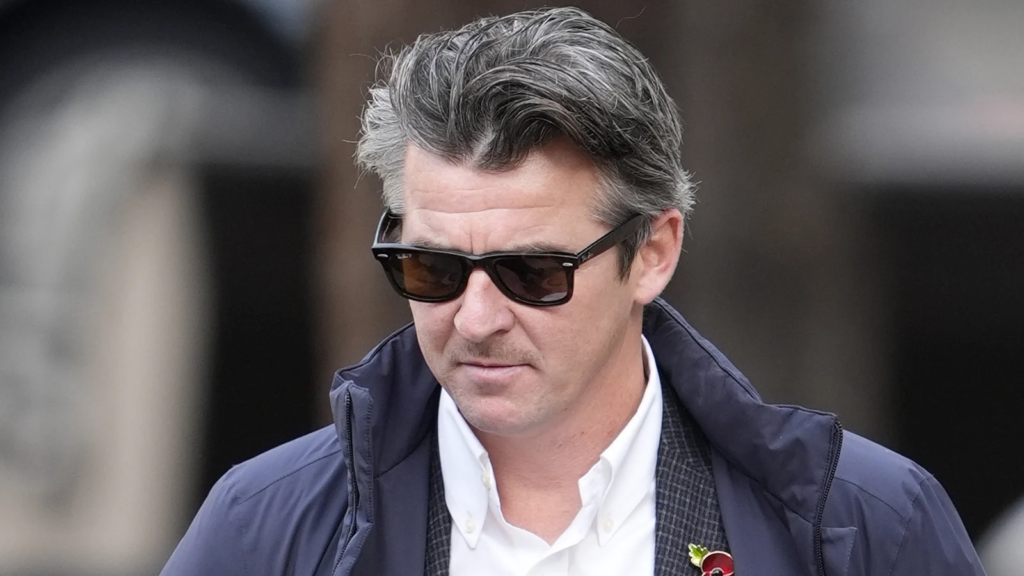
For broadcasters and pundits like Ward, Aluko and Vine, the outcome provides a degree of legal vindication after months of public humiliation and private distress. Their statements highlight the personal impact of online harassment, demonstrating that digital abuse can have repercussions far beyond the screen. For Ward and Aluko, the comparison to notorious criminals and insinuations of tokenism represented an attack on their integrity as commentators. For Vine, the baseless implication of sexual criminality was particularly dangerous, given the real-world risks that such claims can provoke.
Barton’s acknowledgement of remorse, however belated, also raises questions about accountability among public figures with substantial online influence. The case reinforces the responsibility individuals bear when using platforms with large followings, as the reach and impact of harmful posts can be magnified significantly compared with private communication. Regulatory bodies, employers and legal authorities may increasingly scrutinise behaviour that targets individuals with unfounded accusations or comparisons intended to provoke public hostility.
While Barton expressed his wish to reverse his actions, the legal consequences he now faces underscore that public apologies cannot erase the harm inflicted or the responsibilities attached to public communication. The suspended sentence, financial obligations and long-term restraining orders impose structured consequences designed to prevent recurrence, safeguard victims and uphold the standards necessary to maintain civil discourse, even within contentious or highly opinionated environments.
The case serves as a contemporary example of how digital communication is governed by the same principles that protect individuals from harassment in other contexts. It illustrates that the law can intervene when speech becomes a vehicle for intimidation or humiliation, particularly when that speech is directed toward identifiable individuals and carries the intent to cause distress.
It’s impressive that you are getting thoughts from this article as well as from our discussion made at this time.
paysafecard casino ohne verifizierung
References:
https://online-spielhallen.de/casino-bonus-ohne-einzahlung-2025-gratis-casino-boni/