
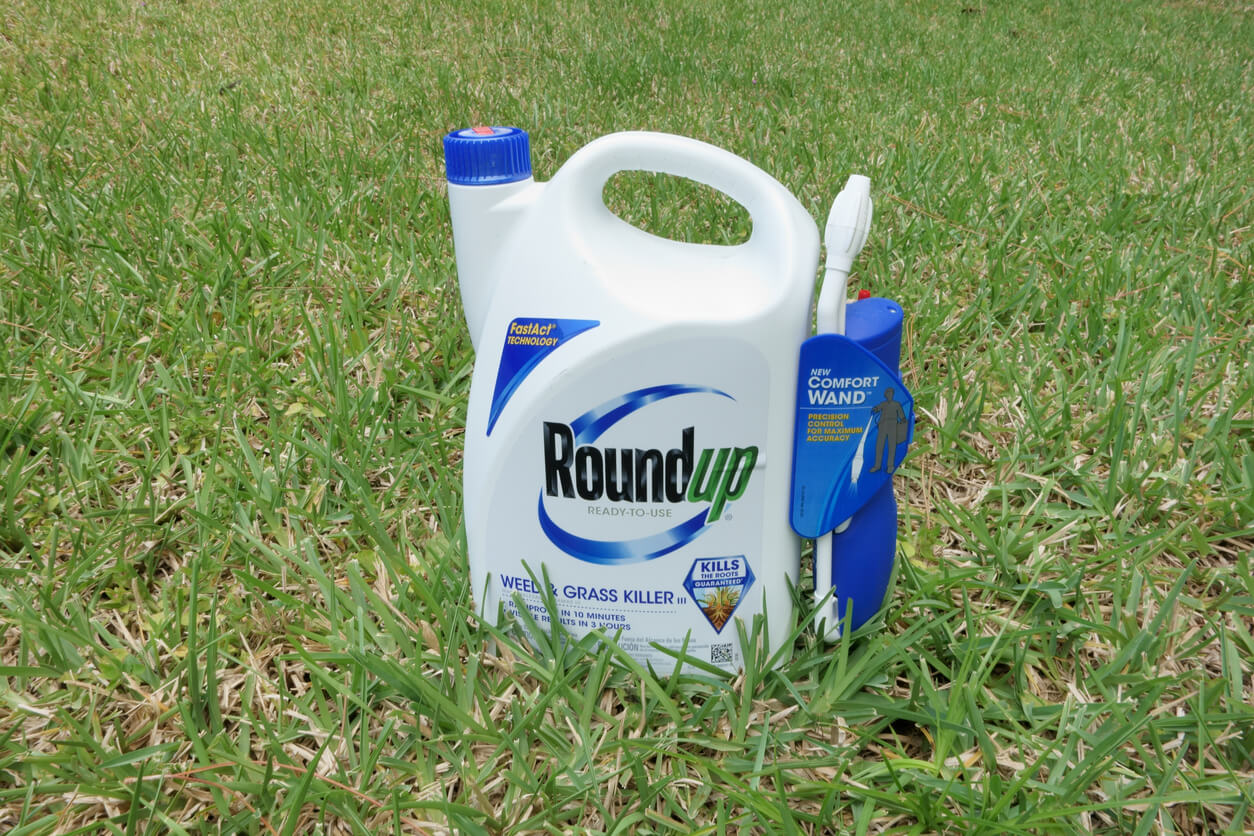
John Barnes, a man who claimed that Monsanto’s Roundup weedkiller was the cause of his cancer, has been awarded nearly $2.1 billion in compensation and damages by a US jury. This verdict marks yet another significant chapter in the long-running series of legal battles that the agrochemical giant has faced regarding its Roundup herbicide.
While this is not the first lawsuit against Monsanto, the size of the settlement is one of the largest to date, further intensifying the ongoing debate over the safety of glyphosate-based weedkillers.
The Georgia courtroom’s decision sent shockwaves through the agricultural and legal industries, raising concerns over accountability, corporate responsibility, and consumer safety.
A Landmark Verdict in the Battle Against Monsanto
The Georgia jury awarded John Barnes $65 million in compensatory damages and a staggering $2 billion in punitive damages, making it one of the most substantial settlements in cases related to Monsanto’s Roundup product.
Barnes, who filed his lawsuit in 2021, was diagnosed with non-Hodgkin’s lymphoma, a form of cancer that has been linked to prolonged exposure to glyphosate.
His legal team, led by attorney Kyle Findley, argued that Monsanto had failed to adequately warn consumers about the potential health risks associated with Roundup, ultimately leading to the plaintiff’s devastating diagnosis.
Findley called the verdict an “important milestone” in holding Monsanto accountable for the consequences of its product. He highlighted that the ruling serves as yet another example of the company’s repeated refusal to acknowledge its role in causing harm to consumers.
According to Findley, Barnes and many others suffering from similar health conditions were misled for years about the safety of Roundup. For Barnes, the decision represents more than just financial compensation; it is an affirmation that justice can be served despite the legal and financial power wielded by corporations.
Monsanto, now owned by German pharmaceutical giant Bayer, has indicated that it will appeal the decision, claiming that the verdict is inconsistent with scientific evidence and regulatory assessments.
Read : Mysterious Space Object Found in North Carolina Mountains in US
Despite the company’s insistence on the product’s safety, the growing number of lawsuits and massive financial penalties suggest that the public and legal systems are increasingly skeptical of those claims.
The Science and Controversy Surrounding Roundup and Glyphosate
Roundup weedkiller, a widely used herbicide, is formulated with glyphosate, a chemical that has been at the center of global controversy for years. Monsanto originally developed the herbicide to work with genetically modified crops such as soybeans, corn, and cotton, allowing farmers to eliminate weeds without harming their crops.
This innovation significantly boosted agricultural productivity, making Roundup an essential tool for modern farming. However, concerns over glyphosate’s potential health effects have cast a shadow over the herbicide’s widespread use.
Scientific studies on glyphosate have yielded mixed results. Some studies suggest that glyphosate exposure can increase the risk of cancer, particularly non-Hodgkin’s lymphoma.
In 2015, the International Agency for Research on Cancer (IARC), a branch of the World Health Organization (WHO), classified glyphosate as “probably carcinogenic to humans,” based on evidence linking the chemical to DNA damage and cancer in laboratory animals.
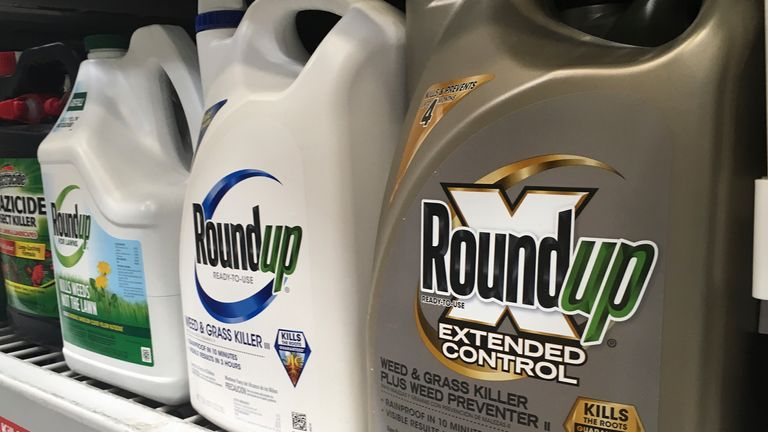
This classification fueled a wave of lawsuits from individuals who claimed that their prolonged exposure to Roundup contributed to their cancer diagnoses. Conversely, regulatory bodies such as the US Environmental Protection Agency (EPA) have maintained that glyphosate is unlikely to be carcinogenic when used as directed.
Monsanto and Bayer have consistently relied on these findings to defend their product in court, arguing that no credible scientific evidence conclusively proves a direct link between glyphosate exposure and cancer in humans. However, this defense has not shielded the company from legal consequences, as thousands of plaintiffs have successfully argued otherwise in court.
The conflicting assessments from regulatory bodies and independent research institutions have deepened the controversy surrounding glyphosate. While some experts call for stricter regulations or outright bans, others argue that the herbicide remains a crucial tool for global food production.
The ongoing legal battles and settlements, however, indicate that Monsanto and Bayer face mounting pressure to address concerns about Roundup’s safety and transparency regarding potential health risks.
The Wider Implications of the Verdict and Future Legal Battles
John Barnes’ case is far from an isolated incident. Monsanto has been hit with more than 177,000 lawsuits involving claims related to Roundup. In response, Bayer has set aside $16 billion to settle cases, an acknowledgment of the financial burden the company faces due to ongoing litigation. Despite its efforts to fight back, the increasing number of lawsuits and large settlements suggest that Monsanto’s legal troubles are far from over.
Friday’s ruling marks the fourth Roundup-related verdict won by Findley’s legal team, including a previous landmark case in Philadelphia in January 2024, where a jury awarded $2.25 billion in damages. As Findley has indicated, many more plaintiffs are awaiting their day in court, which could result in further financial blows to Bayer.
The legal battles have also prompted Bayer and other agrochemical companies to push for legislative protections. Bayer has expanded its efforts across several US states to shield pesticide companies from liability if their product labeling complies with EPA regulations.
The company argues that the high litigation costs are unsustainable and could affect Roundup’s availability for farmers. Opponents, however, believe that such legal shields would significantly limit corporate accountability and deny victims the right to seek compensation for the harm they have suffered.
The verdict also raises broader questions about consumer protection and corporate responsibility. Should companies be required to provide more explicit warnings about potential risks, even if regulatory agencies have deemed their products safe?
How much responsibility do corporations bear when emerging research contradicts earlier safety assessments? These questions will likely remain at the heart of future legal battles and policy discussions surrounding glyphosate-based herbicides.
For John Barnes, the verdict provides some relief and recognition of the suffering he has endured. While no amount of money can reverse his health condition, the compensation ensures that he can access the necessary medical care and support moving forward. More importantly, his case serves as a powerful reminder of the importance of holding corporations accountable for the potential consequences of their products.
As Bayer prepares for its appeal, the outcome of this case will continue to shape the broader conversation around glyphosate, corporate liability, and the legal landscape for consumer protection.
Whether Monsanto and Bayer can successfully defend their product in future trials remains to be seen, but the growing number of lawsuits suggests that the fight over Roundup’s safety is far from over.
The verdict in favor of John Barnes is a testament to the power of legal action in seeking justice, and it signals a shift in how corporations are held accountable for the products they bring to market.