
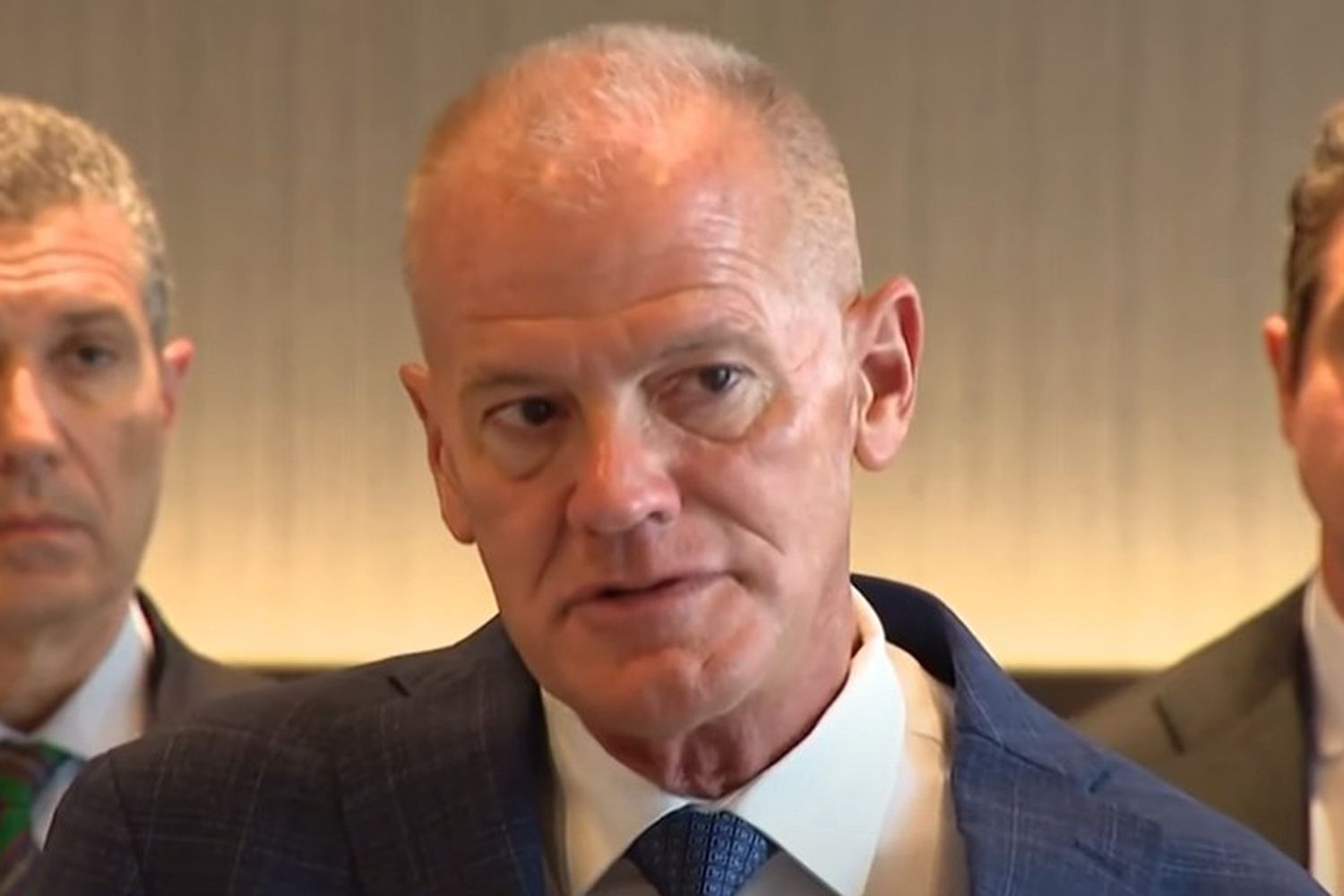
For more than three decades, John Huffington woke up each morning behind bars, knowing that he did not belong there. Convicted at just 18 years old for a double murder he did not commit, he was thrust into the darkest depths of the American criminal justice system. As years slipped by—ten of them on death row—he held onto his truth: that he was innocent.
Now, after finally being exonerated, Huffington is taking a bold step. He’s suing the people and the system that took away 32 years of his life. This isn’t just a lawsuit—it’s a cry for accountability, a demand for justice in a story that for too long was defined by injustice.
Fabricated Evidence, Lost Time
John Huffington’s nightmare began in 1981 when he was convicted of murdering Joseph Hudson Jr. and Diane Becker in Harford County, Maryland. The trial, he says, was riddled with misconduct. Evidence that might have proved his innocence was never shown to the jury. Witness testimonies were allegedly manipulated. According to Huffington’s lawsuit, those tasked with upholding the law—prosecutors and sheriff’s deputies—knowingly fabricated evidence and suppressed facts.
One of the central figures in the case is former Harford County State’s Attorney Joseph Cassilly. He served for 36 years as a top prosecutor and was eventually disbarred in 2021 for his role in Huffington’s wrongful conviction. According to the suit, Cassilly knowingly withheld evidence and presented false information to the courts. Though Cassilly died in January, Huffington is naming his estate as a defendant, insisting that death does not erase the damage done.
Also named in the civil complaint are other deceased law enforcement officials who played roles in the flawed investigation, as well as the Harford County government itself. While current county executive Bob Cassilly—Joseph’s brother—claims the county had no direct employment ties with the accused individuals, Huffington’s lawyers argue that institutional responsibility cannot be ignored.
Read : Iwao Hakamada Who Spent 46 Years in Prison For Crime He Never Done Awarded $1.4M in Compensation
The core of John Huffington’s lawsuit revolves around one central truth: there was no real pursuit of justice. There was only the pursuit of a conviction.
A Deal Made Under Duress
Despite the mounting evidence of misconduct, it wasn’t until 2013 that John Huffington was finally released from prison. After 32 long years, the courts ordered a new trial. But freedom came with a cost. In 2017, rather than endure the emotional toll of another trial and risk another wrongful conviction, he agreed to an Alford Plea—a legal agreement where the accused maintains innocence but accepts that the prosecution could secure a conviction. It was a strategic move that allowed him to walk free, but it left a scar of guilt on his official record.
John Norman Huffington spent 32 years in prison for a pair of 1981 homicides. He is suing the estates of former Harford County officials for implicating him in the killings and wrongfully convicting him twice for the “Memorial Day Murders.” Read more: https://t.co/xJXFka8IiG
— The Baltimore Sun (@baltimoresun) July 24, 2025
🎥:… pic.twitter.com/iW4T9z1NWJ
It wasn’t until 2023, a full decade after his release, that he was granted a full pardon by then-Governor Larry Hogan. The state of Maryland also awarded him $2.9 million in compensation—roughly $91,431 for each year he spent behind bars. But no amount of money can return lost years, missed milestones, or the time he might have spent with his parents, who died while he was imprisoned.
For Huffington, that pardon and financial compensation were only partial victories. What remained was a need for public accountability. Someone, he believed, needed to answer for what had been done to him.
Fighting for More Than Himself
Since his release, John Huffington hasn’t faded into the background. Instead, he’s become a passionate advocate for those wrongfully incarcerated, helping men and women navigate the impossible journey of reentering society after decades behind bars. He speaks to lawmakers, community groups, and fellow survivors of the justice system, using his experience to bring attention to the need for reform.
But he’s also very clear about the purpose of his lawsuit. “Sometimes the only way to fix it,” he said, “is to make as loud a noise and bring the most attention to it.”
With the help of multiple law firms—including Romanucci & Blandin, Hart McLaughlin & Eldridge, and Saller Ernstberger & McElroy—Huffington filed a 42-page complaint that outlines 10 separate counts, ranging from malicious prosecution to false arrest and the fabrication of evidence. The lawsuit doesn’t just accuse individuals of wrongdoing; it paints a broader picture of a justice system willing to betray the truth to secure convictions.
One of his attorneys, John Marrese, put it bluntly: “There was no search for truth—certainly not a proper one.” That statement encapsulates the heartbreak at the center of John Huffington’s story. It wasn’t a mistake or accident. It was a deliberate failure of justice.
A Legacy Rewritten
The damage of wrongful incarceration is deep and lasting. For Huffington, it meant the loss of his youth, the absence of his parents’ final years, and a permanent disruption to his sense of freedom and identity. Though he was freed physically in 2013, emotionally, the prison doors didn’t swing open so easily.
What makes his story even more painful is how preventable it all was. If the prosecutors and investigators had done their jobs with integrity, Huffington’s life might have followed an entirely different path. But instead, lies were allowed to stand in place of facts. Truth was buried in favor of expediency.
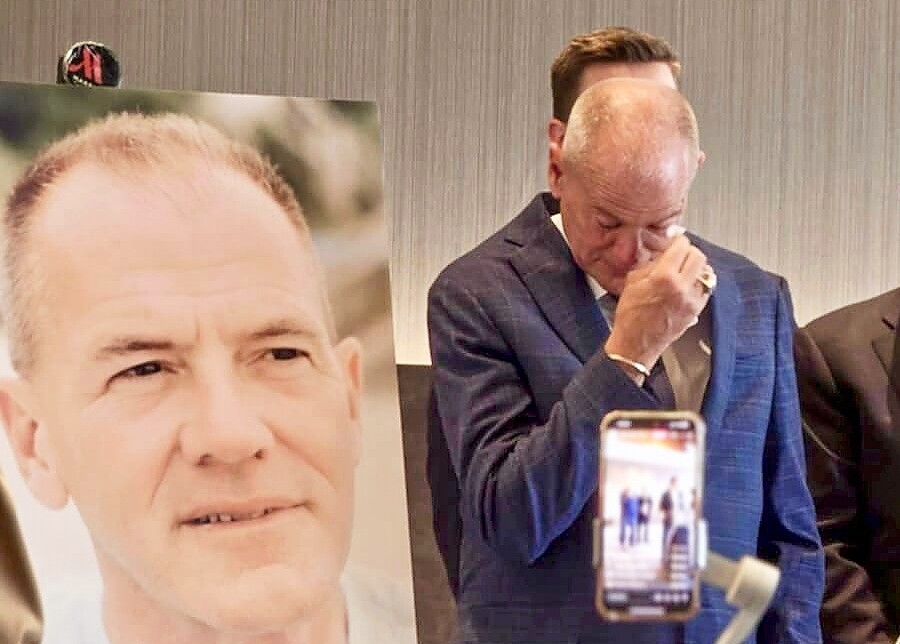
And still, after all this, John Huffington is not seeking revenge. He is seeking change. His lawsuit serves not only as a personal reckoning but as a call to examine every wrongful conviction across the country. How many others, he asks, are still sitting in prison cells for crimes they didn’t commit? How many others have been silenced, ignored, and forgotten?
The answer is difficult to calculate, but Huffington hopes his voice—and his fight—will amplify theirs.
Now in his 60s, John Huffington is choosing not to let the 32 stolen years be wasted ones. He continues to work with former inmates and advocate for systemic reform, determined to ensure that what happened to him doesn’t happen to others. He says that his work is driven by the memory of his parents, who never stopped believing in his innocence, and by the strength of his surviving siblings.
He acknowledges the pain, the rage, and the injustice—but refuses to be defined by it. Instead, he’s redefining himself as a symbol of resilience, purpose, and accountability.
In suing those responsible, Huffington is doing more than seeking financial compensation. He’s reclaiming his story from the system that tried to erase it. And perhaps most importantly, he’s putting the spotlight on a justice system that, in his case and many others, has too often failed in its most basic duty—to seek the truth.
I like this weblog very much so much fantastic information.
I don’t even understand how I ended up here, however I assumed this submit was once great. I don’t recognize who you’re but definitely you are going to a famous blogger should you are not already 😉 Cheers!
Excellent post. I was checking continuously this blog and I am impressed! Extremely helpful information specifically the last part 🙂 I care for such information much. I was looking for this certain info for a long time. Thank you and best of luck.
I think this is among the so much important info for me. And i’m satisfied studying your article. However should statement on some general issues, The site taste is great, the articles is in point of fact excellent : D. Just right activity, cheers