
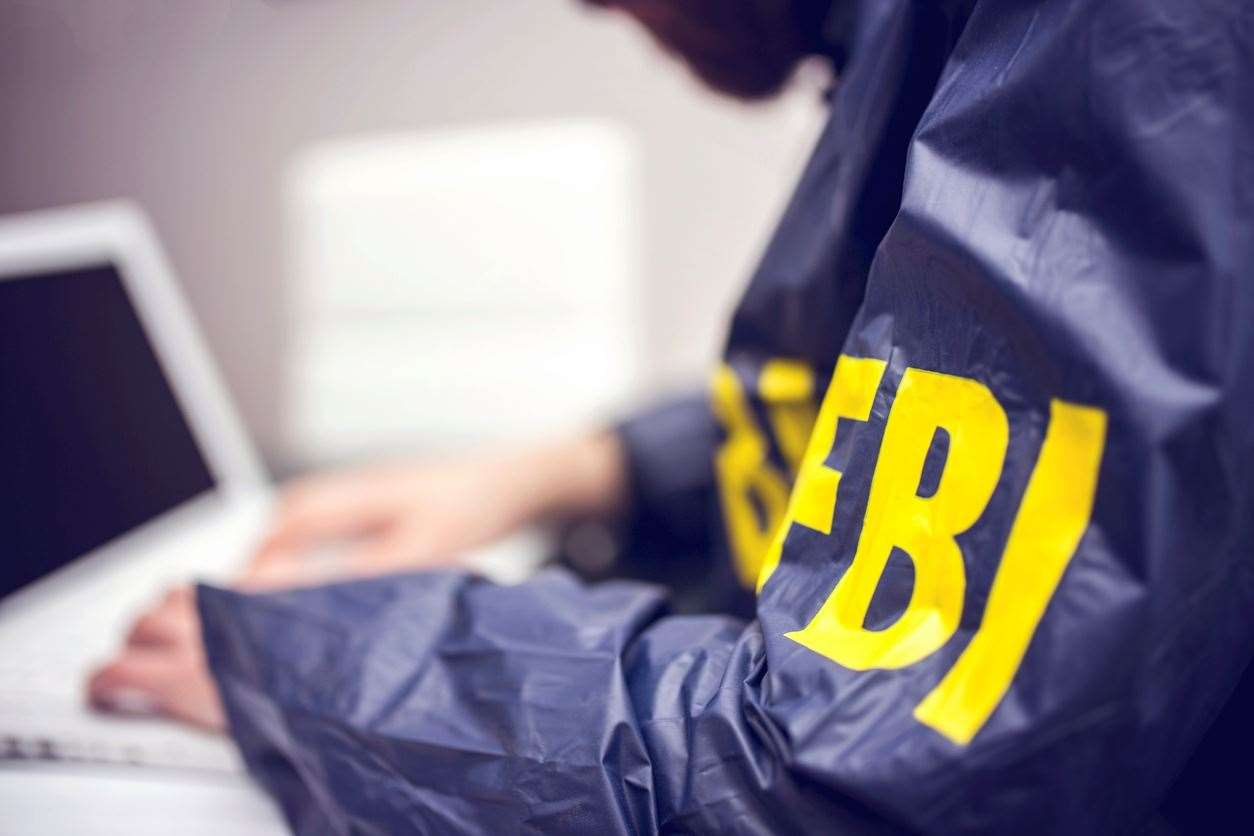
A British businessman, John Miller, has been charged in the United States with attempting to traffic highly sensitive American military technology to China, as well as plotting to silence a vocal critic of the Chinese president, Xi Jinping. This case has come to light following Miller’s arrest in Serbia, where he currently faces extradition to the US in connection with a major FBI investigation.
The allegations against him and a Chinese co-conspirator reveal an alarming scheme that threatens not only American national security but also fundamental democratic values such as free speech. The investigation uncovers sophisticated attempts to illegally export restricted defense equipment, including encryption devices, missiles, drones, and radar systems, all while orchestrating harassment and intimidation tactics aimed at suppressing political dissent within the United States.
As the case unfolds, it exposes a dangerous intersection of international espionage, technology smuggling, and foreign influence operations on American soil.
The Allegations and Arrest
John Miller, aged 63 and hailing from Tunbridge Wells, Kent, was arrested in Belgrade on April 24th and is now subject to extradition proceedings. The US government has charged him alongside Cui Guanghai, a Chinese national, with conspiracy to commit interstate stalking, smuggling, and violations of the Arms Export Control Act.
According to US court documents, Miller and Cui engaged in secretive discussions about smuggling encryption technology and other defense articles out of the United States and into China. Evidence presented shows that the two paid a $10,000 deposit for a cryptographic device, delivered via a courier in the US.
The indictment further alleges that starting in November 2023, they attempted to acquire a range of US defense articles, including missiles, air defense radar systems, drones, and cryptographic devices, all intended for unlawful export to China. The scheme included discussions on how to disguise these sensitive items within common household objects such as small electronics, a blender, and a motor starter to avoid detection by authorities.
The Plot to Silence a Critic
Beyond the smuggling operation, Miller and Cui are accused of conspiring to harass and intimidate a US resident who had publicly opposed the policies of the Chinese government and President Xi Jinping. The individual was planning to exhibit artistic statues depicting President Xi and his wife, which attracted the attention of Miller and Cui.
Read : Truth Behind Man Smuggling Over 100 Live Snakes in His Pants in China
US court documents reveal that Miller and Cui coordinated with two individuals—who were actually working undercover for the FBI—to surveil the victim, install a tracking device on their vehicle, slash the tires, and destroy the statues.

Additionally, they reportedly paid approximately $36,500 to these FBI informants to convince the victim to remove the statues from public view. This alleged campaign highlights foreign attempts to undermine free speech and political expression within the United States, raising serious concerns about the reach of hostile foreign actors on American soil.
National Security and Legal Consequences
The gravity of the charges has been emphasized by US officials. Deputy Attorney General Todd Blanche described the case as a “blatant assault on both our national security and our democratic values.” He affirmed that the Department of Justice will not tolerate foreign repression or the exploitation of US defense systems by hostile nations.
FBI Deputy Director Dan Bongino highlighted that the defendants allegedly aimed to interfere with an individual exercising constitutionally protected free speech rights. The charges against Miller and Cui carry harsh penalties, including up to five years in prison for conspiracy, another five years for stalking, 20 years for violations of the Arms Export Control Act, and 10 years for smuggling.
Both Miller and Cui face extradition from Serbia, as the US Department of Justice coordinates with Serbian authorities to bring them to justice. This case not only underscores the ongoing risks posed by international espionage and technology theft but also reinforces the commitment of US authorities to protect democratic freedoms and national security interests.