

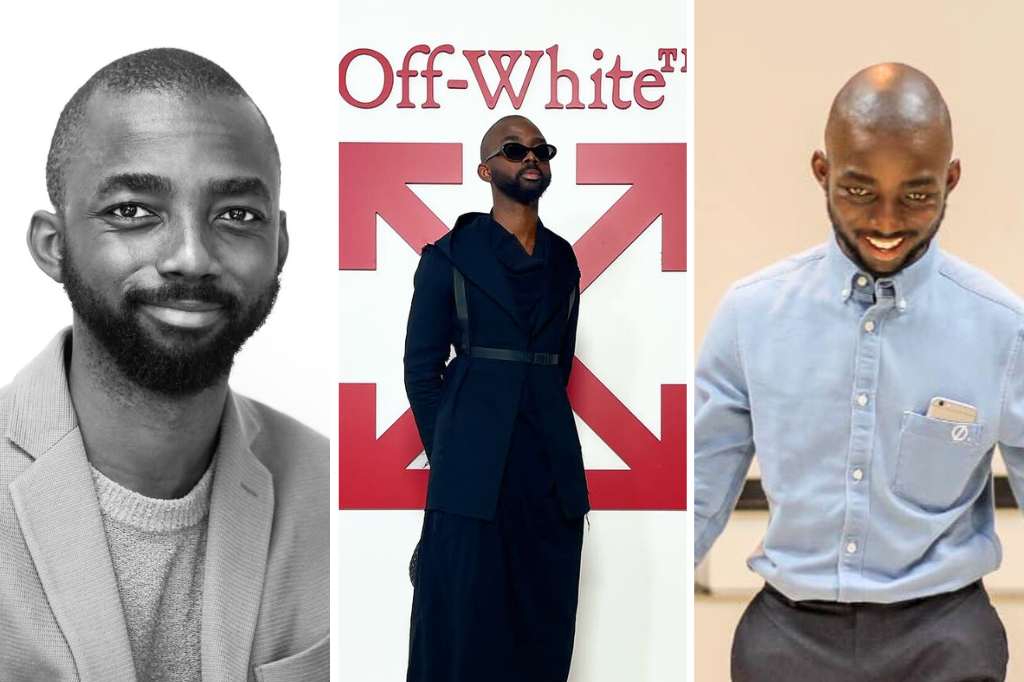
On December 9, 2024, British-Ghanaian artist Joseph Awuah-Darko took to Instagram with a stark message: he had moved to the Netherlands to legally end his life due to treatment-resistant bipolar disorder. His announcement sent shockwaves across social media, sparking a global conversation about mental health, euthanasia, and personal agency.
Unlike most who seek euthanasia privately, Joseph is documenting his journey openly, inviting the world to witness his final months. As he waits for approval, he has started a project called ‘The Last Supper,’ where he shares meals with strangers who invite him, creating moments of human connection before his departure.
The Decision to Seek Euthanasia
Joseph Awuah-Darko has struggled with bipolar disorder for years. Diagnosed at the age of 16, he has undergone numerous treatments, including therapy, medication, and hospitalizations, all without lasting relief.
His battle with mental illness has been compounded by personal trauma, including allegations of sexual assault by a renowned artist in 2021 and repeated abuse by his childhood math teacher. Despite his artistic success, Joseph describes his life as a constant war between euphoric highs and crushing lows, a cycle that has rendered his existence unbearable.
Mental illness is still largely misunderstood, and in many parts of the world, it is not treated with the same urgency as physical illnesses. Joseph’s case brings to light the struggles of those with treatment-resistant mental disorders.
Unlike traditional suicide attempts, which are often impulsive and driven by immediate distress, euthanasia requires prolonged evaluation by medical professionals.
The Netherlands is one of the few countries where individuals can seek assisted euthanasia for unbearable mental suffering, provided they undergo years of psychiatric assessment. Joseph understands this process and has willingly subjected himself to the legal and medical scrutiny required.
Read : Morocco to Euthanise 3 Million Stray Dogs to Prepare County for FIFA World Cup
His decision has been met with mixed reactions. Some see it as a tragic but personal choice, while others argue that more should be done to help those with severe mental illness before euthanasia becomes an option.
Mental health experts highlight that Joseph’s case underscores the need for more effective, compassionate treatments. The reality, however, is that for some, medical intervention reaches a limit, leaving euthanasia as the only path they feel is left to regain control over their suffering.
The Last Supper: Finding Meaning in Connection
In the wake of his announcement, Joseph received thousands of messages, including invitations from strangers to share meals. Inspired by this unexpected response, he launched ‘The Last Supper,’ a project where he visits people who invite him, sharing their stories, breaking bread, and finding fleeting moments of peace.
So far, Joseph has attended over 70 such dinners, sitting with people who understand suffering in its many forms. Some are struggling with their own mental health, others have lost loved ones to suicide, and some, like Joseph, are preparing for their own assisted deaths.

One such dinner was with Emmanuel, a man scheduled to receive euthanasia on July 30. Joseph describes the experience as deeply moving, watching Emmanuel cook a meal with the enthusiasm of someone embracing his final days.
Joseph’s journey has resonated with people from all walks of life. For his 40th dinner, he was hosted by a South Indian woman and her friends, while another invitation came from singer SZA.
Each encounter is unique, offering Joseph a window into different cultures, experiences, and the universality of human suffering. The project has taken on a life of its own, turning his final months into a period of profound reflection and connection.
While ‘The Last Supper’ might seem like a farewell tour, it is also a statement—an assertion that even in the face of death, life can be filled with meaningful interactions. Joseph’s ability to inspire dialogue about mental health and euthanasia through art and storytelling is perhaps his greatest legacy.
A Controversial Conversation: Mental Illness and the Right to Die
Joseph’s case is not an isolated one. In May 2024, Zoraya ter Beek, a 28-year-old Dutch woman, legally ended her life through euthanasia due to treatment-resistant mental illness.
Diagnosed with chronic depression, autism, and borderline personality disorder, Zoraya had spent years trying every available treatment, including over 30 sessions of electroconvulsive therapy. Her case sparked a global debate, just as Joseph’s has now.
Euthanasia for mental illness remains controversial, even in countries where it is legal. Critics argue that mental health conditions are often treatable and that euthanasia might discourage investment in better mental healthcare.
Others, however, believe that prolonged, unbearable mental suffering is just as valid a reason for euthanasia as physical pain. The debate is further complicated by societal perceptions of suicide and mental illness. While physical pain is often acknowledged as justification for assisted death, psychological pain is frequently dismissed or misunderstood.
Joseph’s decision has drawn responses from mental health professionals, philosophers, religious leaders, and the general public. Some believe his openness could inspire more awareness and better mental health policies.
Others worry that it could normalize euthanasia as an option for people struggling with temporary mental health crises. What is undeniable, however, is that Joseph’s story forces society to confront difficult questions about autonomy, suffering, and the right to choose one’s fate.
While euthanasia is legal in the Netherlands, it is not an easy process. Joseph will undergo years of psychiatric evaluation before he receives approval, if at all. The system is designed to ensure that those seeking euthanasia have exhausted all possible treatments and that their decision is made with full clarity and medical supervision.
This raises another important question: if a person has suffered for years with no relief, how much longer should they be expected to endure it before being allowed to make a choice about their own life?
Joseph’s story is not just about one man’s journey toward death. It is a mirror reflecting society’s shortcomings in addressing mental health. His choice to share his experience publicly has made his suffering visible, challenging the world to rethink how it approaches mental illness and the right to die. While opinions remain divided, one thing is certain: Joseph has ignited a conversation that will not be easily forgotten.