
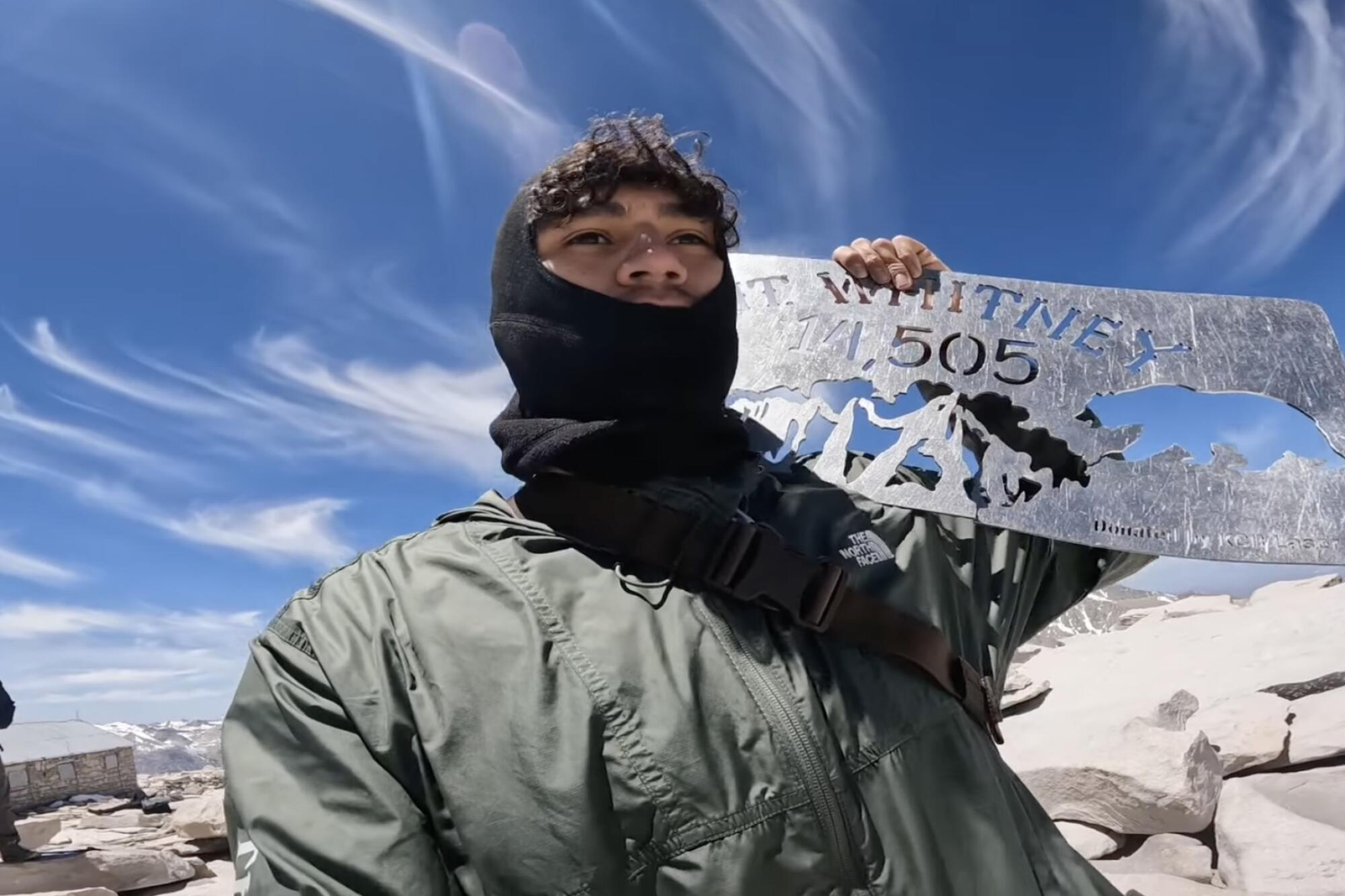
The death of 21-year-old Joseph Brambila on Mount Whitney has renewed attention on the extreme risks associated with high-altitude hiking in California, particularly during winter conditions. Mount Whitney, rising 14,505 feet above sea level, is the highest peak in the contiguous United States and draws thousands of hikers each year. While many complete the climb safely, the mountain has a long history of fatal incidents linked to weather changes, altitude sickness, technical terrain, and human decision-making.
Brambila’s case, alongside several recent deaths across California’s mountain trails, underscores how quickly recreational hiking can turn into a life-threatening situation even for determined and motivated climbers. Authorities confirmed that Brambila’s body was recovered in December, nearly a month after he went missing while attempting to scale Mount Whitney alone.
According to the Inyo County Sheriff’s Office, evidence suggested he suffered a significant fall. His death occurred amid a broader pattern of hiking fatalities in the state, including a more recent incident in which another hiker died on Mount Whitney after continuing alone when his partner turned back. These tragedies highlight recurring themes of isolation, harsh terrain, and the limits of endurance in some of California’s most iconic wilderness areas.
The Mount Whitney Incident and the Recovery Effort
Joseph Brambila set out on Mount Whitney during a period known for dangerous winter conditions, when snow and ice dramatically increase the technical difficulty of the route. The mountain’s upper sections, particularly the area known as the “Final 400,” are steep and exposed, requiring careful footing and often specialized equipment. Even experienced hikers face significant risks in this section, where a single misstep can result in a fatal fall.
Search and rescue teams recovered Brambila’s body nearly a month after he was reported missing. The delay in recovery reflects the realities of high-altitude rescue operations, where weather windows, avalanche risk, and limited daylight often restrict search efforts. Inyo County Search and Rescue, a volunteer organization operating under the sheriff’s authority, has long warned that winter ascents of Mount Whitney require mountaineering skills rather than standard hiking experience.
Brambila’s death followed a similar pattern seen in another Mount Whitney fatality reported more recently. In that case, two hikers began their climb together late at night. As conditions worsened and fatigue set in, one partner turned back, while the other continued alone toward the summit. The solo hiker failed to return and was later found deceased below the final stretch of the climb. Search efforts involved multiple rescuers and a California Highway Patrol helicopter, illustrating the extensive resources often required once a hiker goes missing in such terrain.
Read : Spectacular Solar Storm Paints Ladakh’s Night Sky Crimson
These incidents are not isolated. The San Francisco Chronicle has reported that Mount Whitney claims an average of one or two lives each year, with four hikers dying there in 2022 alone. Factors such as overconfidence, summit pressure, and rapidly changing weather conditions continue to play a role in these outcomes. Rescue officials consistently emphasize that turning back is not a failure but often a life-saving decision.
Searching for Missing Friends and the Risks of Mountain Rescue by Hikers
While Brambila’s fatal climb occurred on Mount Whitney, another recent tragedy in California highlights a different but related danger: hikers placing themselves at risk while attempting to assist others. Earlier this month, authorities reported that a hiker plunged approximately 150 feet to his death while searching for four missing friends in a mountainous area of Anza, in Riverside County. The four individuals were later found alive, but the would-be rescuer did not survive.
This incident illustrates a recurring pattern in wilderness emergencies, where untrained or fatigued hikers attempt rescue efforts without proper equipment or situational awareness. Search and rescue professionals frequently caution against self-directed rescue attempts, especially in steep or unfamiliar terrain. While the instinct to help companions is natural, such actions can compound an emergency rather than resolve it.
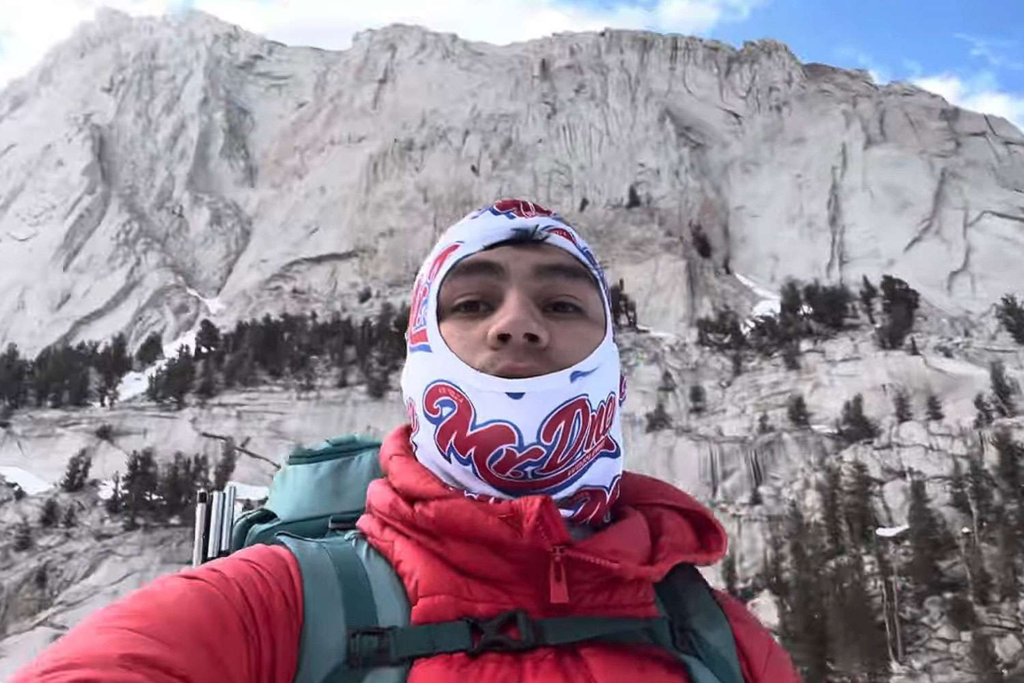
In high-risk environments like Mount Whitney or the rugged backcountry near Anza, visibility can deteriorate quickly, and trails may become indistinguishable under snow or loose rock. Even a short detour can expose a hiker to cliffs, avalanche zones, or unstable surfaces. The combination of urgency and emotional stress often leads to decisions that would not be made under normal circumstances.
Authorities have repeatedly stressed that when hikers become separated or overdue, the safest course of action is to contact emergency services as soon as possible. Organized search and rescue teams have training, communication systems, and aerial support that individual hikers do not. The death of the hiker in Anza, like Brambila’s death on Mount Whitney, reflects how quickly good intentions and determination can collide with the unforgiving realities of mountainous terrain.
A Broader Pattern of Fatalities on California’s Peaks
Brambila’s death and the more recent Mount Whitney incident form part of a wider pattern of fatal accidents across California’s mountain trails. In late December, three hikers were found dead on Mount Baldy in the Angeles National Forest, prompting authorities to temporarily close trails due to treacherous winter conditions. Mount Baldy, while lower in elevation than Mount Whitney, is known for steep, icy paths and sudden weather changes that can disorient even experienced hikers.
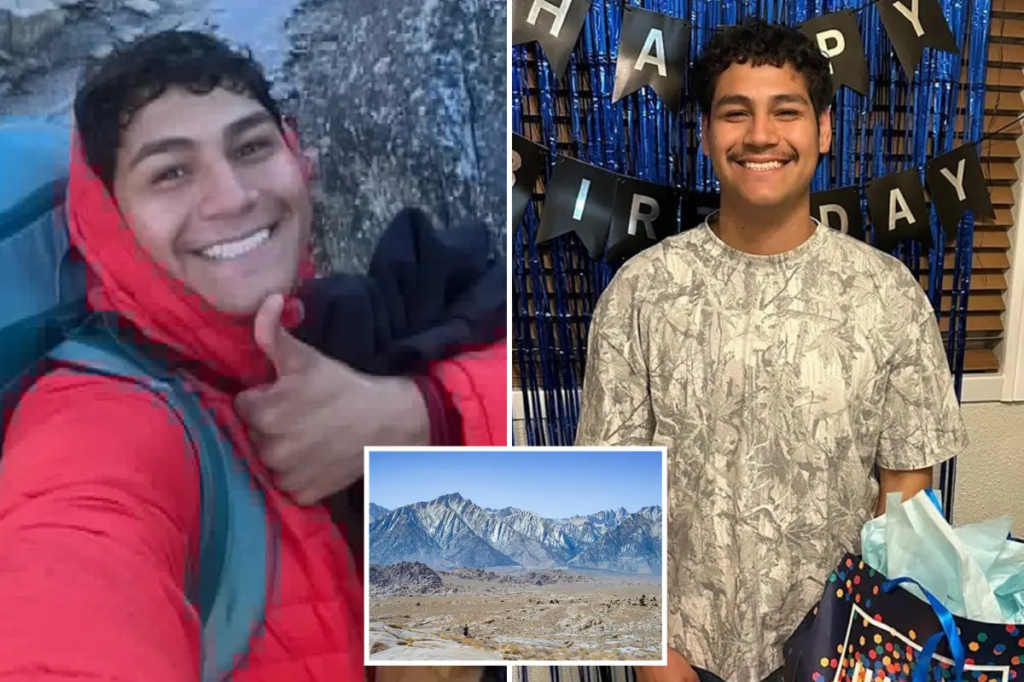
Data reported by The Guardian indicates that between 2016 and 2025, at least 23 people died on Mount Baldy. Many of these deaths involved falls, exposure, or hikers becoming lost in poor visibility. Despite frequent warnings from park officials and search and rescue teams, the mountain continues to attract large numbers of visitors, particularly after snowfall, when social media images can give a misleading impression of accessibility.
Across the state, rescue agencies have noted a steady increase in calls related to hiking accidents, especially during winter months. Advances in outdoor gear and navigation technology have made wilderness travel more accessible, but they have also contributed to a perception that mountains are less dangerous than they truly are. Officials emphasize that devices such as GPS units and smartphones can fail in cold conditions or areas with limited reception, leaving hikers vulnerable when plans go awry.
The recurring fatalities on Mount Whitney, Mount Baldy, and other trails have prompted renewed calls for education and preparedness. Search and rescue teams stress the importance of checking weather forecasts, carrying appropriate gear, understanding turnaround times, and hiking with partners who share similar experience levels. Most importantly, they highlight the need to respect the mountain and recognize when conditions exceed one’s abilities.
Joseph Brambila’s death serves as a sobering reminder of these lessons. At just 21 years old, he became one of several young hikers to lose their lives in California’s mountains in recent years. His case, alongside others involving solo ascents, partner separations, and attempted rescues, illustrates how small decisions can have irreversible consequences at high altitude. As outdoor recreation continues to grow in popularity, authorities hope that awareness of these tragedies will encourage more cautious planning and decision-making, reducing the number of lives lost on the state’s most challenging peaks.