
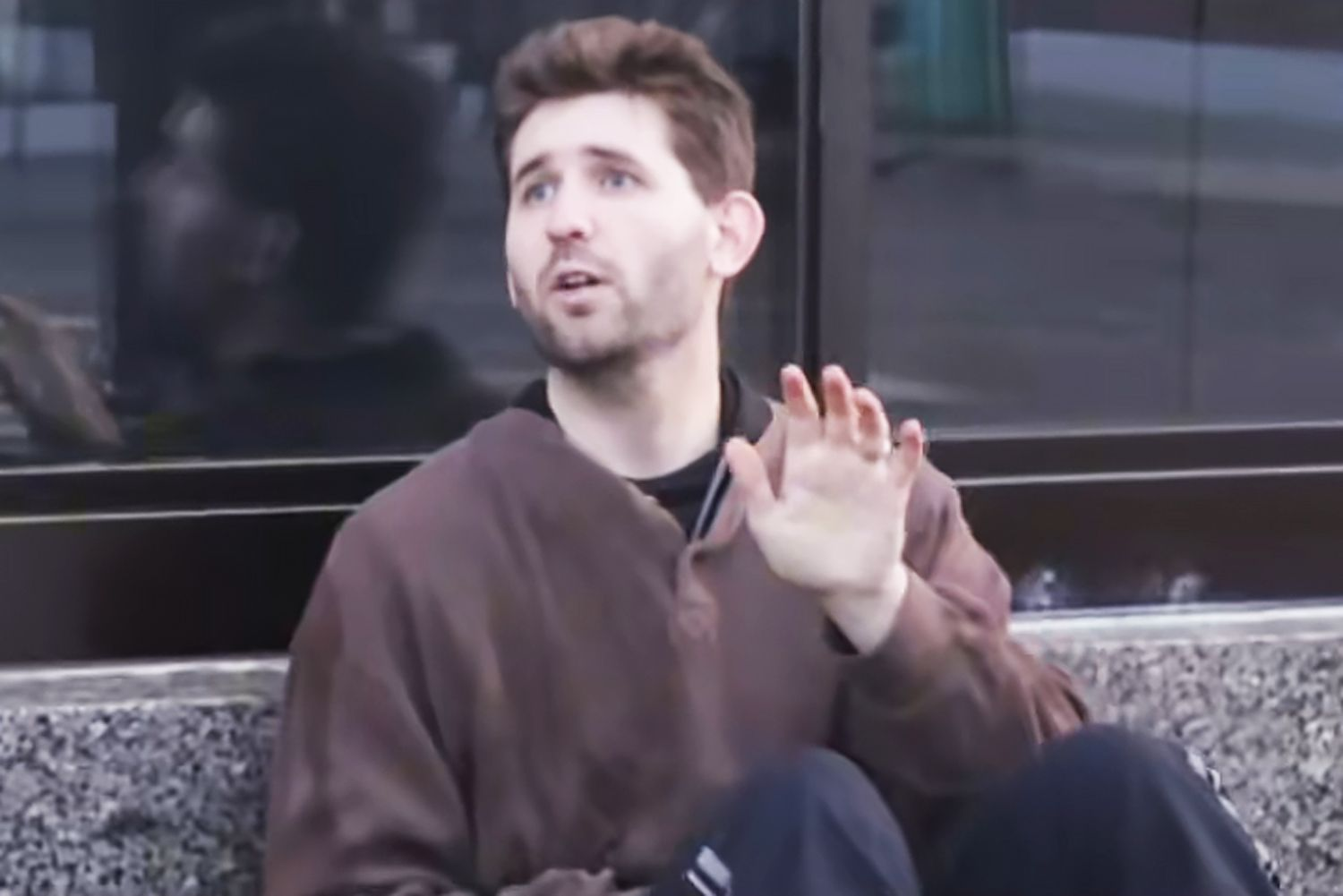
Josh Liljenquist is a social media influencer who has amassed a massive following of more than 17 million users across platforms like TikTok and Instagram, largely through content centered on charitable acts. His videos often depict him interacting with homeless individuals, offering them food, money, or assistance, and sometimes raising significant funds for people facing difficult circumstances.
This content has helped him build a recognizable online presence rooted in philanthropy, with many viewers seeing his work as a form of direct, personal outreach to those in need. However, this same approach has now placed him at the center of controversy after authorities in St. Paul, Minnesota, issued a formal ban preventing him from entering city parks for six months. The situation has drawn attention not only because of Liljenquist’s popularity but also due to the broader ethical and legal questions it raises about filming vulnerable populations and conducting charitable activities in public spaces.
The Allegations Behind the Ban
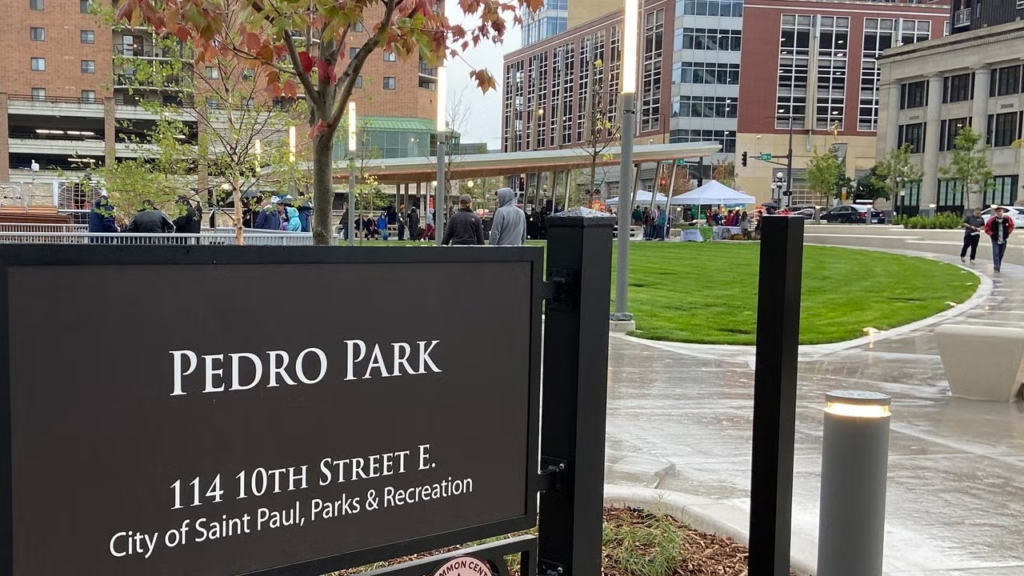
The decision to ban Josh Liljenquist from St. Paul parks for 180 days stems from a letter issued by the city’s Parks and Recreation department, dated April 6, 2026. According to the document, Liljenquist was accused of repeatedly disturbing the peace at Pig’s Eye Park, a location known to be frequented by homeless individuals. Officials alleged that he routinely visited the area to record and interact with vulnerable residents without obtaining their consent, describing his actions as harassment and suggesting that he profited from the content created during these encounters.
The accusations go beyond concerns about filming. The department also claimed that Liljenquist had plans to organize an unlicensed event at the park scheduled for April 11, 2026. Authorities stated that this event had not received any approval or involvement from the city and that requests for information about it had been ignored. These claims contributed significantly to the decision to impose the ban, which applies not only to Pig’s Eye Park but to all St. Paul Parks and Recreation properties. The order explicitly warned that any violation could result in misdemeanor charges under city ordinances.
Read : 161-Million-Year-Old World’s Largest Stegosaurus Skeleton Put on Auction in New York
City officials have confirmed the authenticity of the letter but have refrained from providing additional details while the ban remains in effect. This limited public comment has left much of the situation open to interpretation, fueling debate among observers about the motivations behind the enforcement action and the evidence supporting the allegations.
Liljenquist’s Response and Defense
Josh Liljenquist and his representatives have strongly denied the accusations made by city officials, expressing confusion and frustration over the claims. Both Liljenquist and his agent, Warren, stated that they were unaware of any unlicensed event being planned and insisted that such an allegation was baseless. They emphasized that Liljenquist was not even present in Minnesota at the time the supposed event was scheduled to take place, noting that he had been on a preplanned family trip to Florida from April 8 through April 15.
Read : Influencer Sneako Punched While Livestreaming on New York City Streets
In response to allegations of harassment and recording individuals without consent, Liljenquist maintained that he would never film someone without their permission. His team has rejected the idea that his content exploits homeless individuals for financial gain, arguing instead that his work is genuinely motivated by a desire to help people. According to his agent, the original purpose of Liljenquist’s social media presence was to provide assistance, not to generate income, and that mission has remained unchanged.
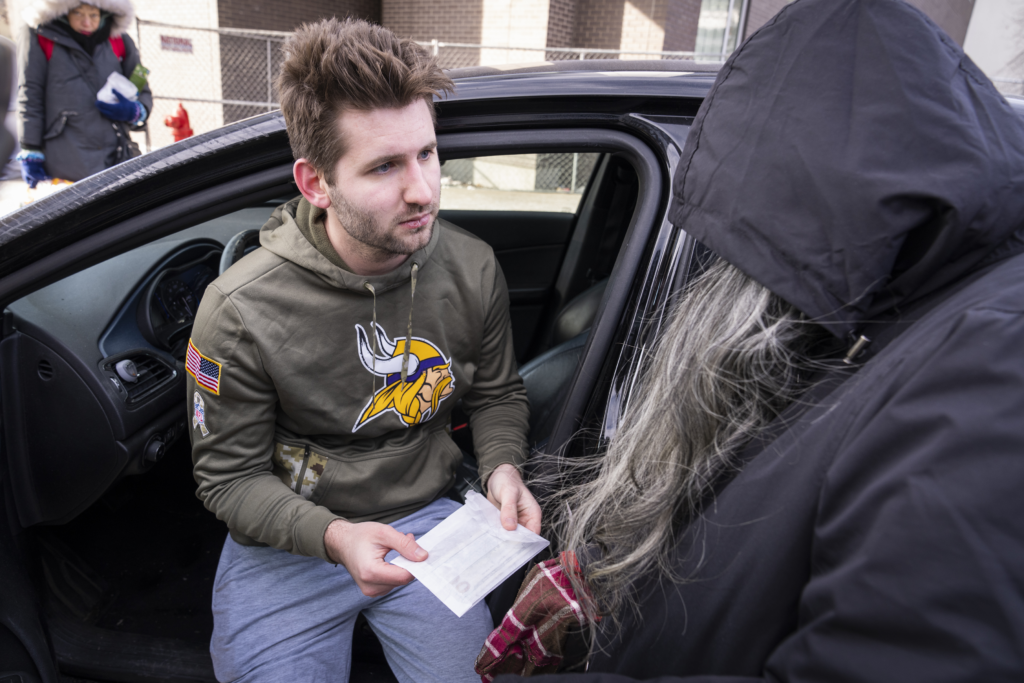
Liljenquist also described his interactions at Pig’s Eye Park as supportive rather than intrusive. He explained that he often spends time in his car, offering a warm and safe space where individuals can talk or take a break from harsh conditions. In his view, these efforts contribute positively to the community rather than causing harm. Despite the ban, he has expressed a desire to continue his charitable work and has formally requested a hearing to appeal the decision, as permitted under the terms outlined in the letter.
The Broader Debate Around Influencer Charity Content
The controversy surrounding Josh Liljenquist highlights a growing debate about the role of influencers in charitable work, particularly when their content involves vulnerable populations. On one hand, creators like Liljenquist can draw significant attention to social issues, mobilize large audiences, and raise substantial funds for individuals in need. His videos, which sometimes include large donations or fundraising efforts, have demonstrated the potential impact of social media when used for philanthropic purposes.
On the other hand, critics argue that filming and sharing interactions with homeless individuals raises ethical concerns, especially if there is any ambiguity about consent or the power dynamics involved. Even when intentions are positive, the act of recording and broadcasting such encounters can be perceived as exploitative, particularly if it contributes to the creator’s popularity or income. Public spaces like parks add another layer of complexity, as local authorities have a responsibility to maintain order and protect the rights and dignity of all individuals present.
The allegations against Liljenquist, whether proven or not, reflect these tensions. The claim that he “harassed” and recorded individuals without permission suggests a conflict between personal content creation and public accountability. Meanwhile, the dispute over the alleged unlicensed event underscores the importance of adhering to local regulations when organizing gatherings, even for charitable purposes.
As Liljenquist moves forward with his appeal, the outcome may have broader implications for other influencers who engage in similar activities. The case raises important questions about how charitable content should be conducted, what safeguards should be in place to protect vulnerable individuals, and how cities should regulate activities that blur the line between philanthropy and entertainment.
Hi my loved one! I wish to say that this article is amazing, great written and include almost all vital infos. I would like to look more posts like this .
Regards for this post, I am a big fan of this website would like to continue updated.
As soon as I found this website I went on reddit to share some of the love with them.