
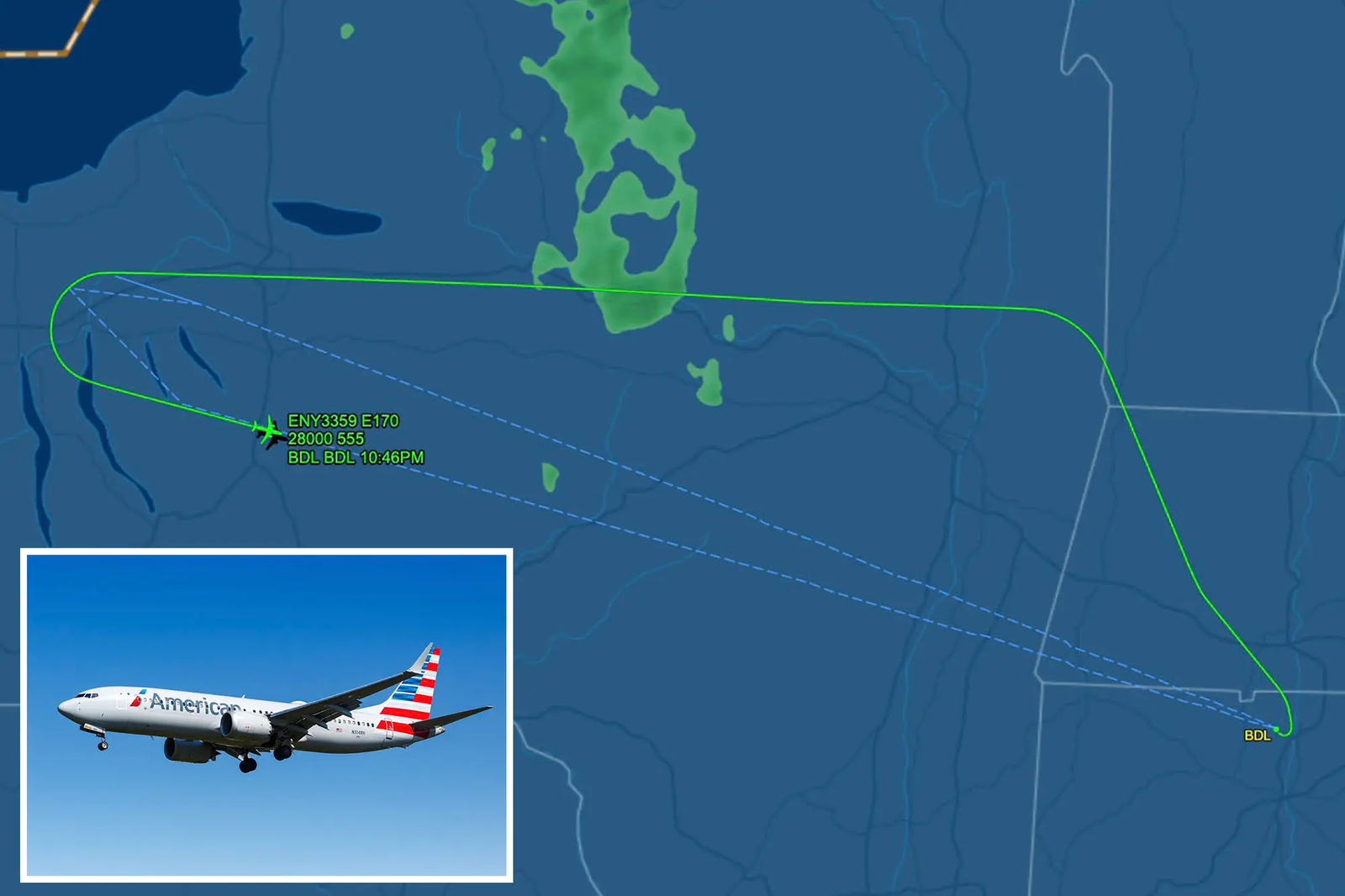
A shocking mid-air incident on an American Airlines flight has captured national attention after a 24-year-old man from Kansas was arrested for violently assaulting a flight attendant. The events unfolded just over 30 minutes into a scheduled flight from Bradley International Airport in Hartford, Connecticut, to Chicago, prompting the pilot to declare an emergency and return to the airport.
The suspect, Julius Jordan Priester, was taken into custody by Connecticut State Police upon landing and now faces serious federal charges that could result in up to 20 years in prison. The disturbing episode has raised broader concerns about in-flight safety and the challenges faced by airline crew members.
Mid-Air Chaos: An Unfolding Nightmare on Flight
The quiet of a routine commercial flight was shattered on Tuesday, May 27, when Julius Jordan Priester suddenly stood up, began removing his shirt, and ran toward the rear of the aircraft shouting, “Help me.” The American Airlines flight, bound for Chicago, was already more than half an hour into its journey when Priester’s erratic behavior first became apparent. Witnesses on board reported that the outburst appeared completely unprovoked, and flight crew members immediately took notice.
According to the Department of Justice and details shared by the United States Attorney for the District of Connecticut, David Sullivan, the situation escalated rapidly. Julius Jordan Priester approached a seated flight attendant, grabbed her forcefully, and yelled, “You’re coming with me,” before dragging her down the aisle of the airplane. The horrifying scene sent passengers into panic, and it quickly became clear that the crew needed assistance to control the situation.
Several courageous passengers stepped in and physically intervened. They managed to pull Priester away from the flight attendant and restrain him, eventually escorting him back to his seat. Despite being subdued, Julius Jordan Priester continued to act irrationally, speaking incoherently and displaying signs of extreme mental distress or instability. The flight crew, working quickly to ensure the safety of all passengers, informed the pilot, who soon made the decision to turn the aircraft around.
Read : Indian-Origin Priest of Saints Peter and Paul Catholic Church Shot Dead in Kansas
Once back on the ground at Bradley International Airport, Connecticut State Police boarded the plane and took Priester into custody. He was transported to a local hospital for medical and psychological evaluation, suggesting that authorities are considering mental health as a possible factor in the bizarre and violent behavior. The flight was eventually canceled, and passengers were rebooked, with American Airlines issuing an apology and commendation for the crew and those who helped intervene.
Legal Consequences and Prior Criminal History
The repercussions for Julius Jordan Priester are severe. He has been formally charged with assaulting a flight crew member and interfering with flight crew operations—serious federal offenses under U.S. law. The charge of interference with a flight crew alone carries a potential sentence of up to 20 years in prison, depending on the outcome of his trial and any aggravating factors the court considers.
Court records revealed that Julius Jordan Priester is no stranger to legal trouble. He already has a criminal record in Kansas that includes charges of aggravated assault, raising concerns about whether previous behavior should have prompted restrictions on his ability to fly. This background may play a significant role in the case as prosecutors could argue a pattern of violent or unstable conduct.
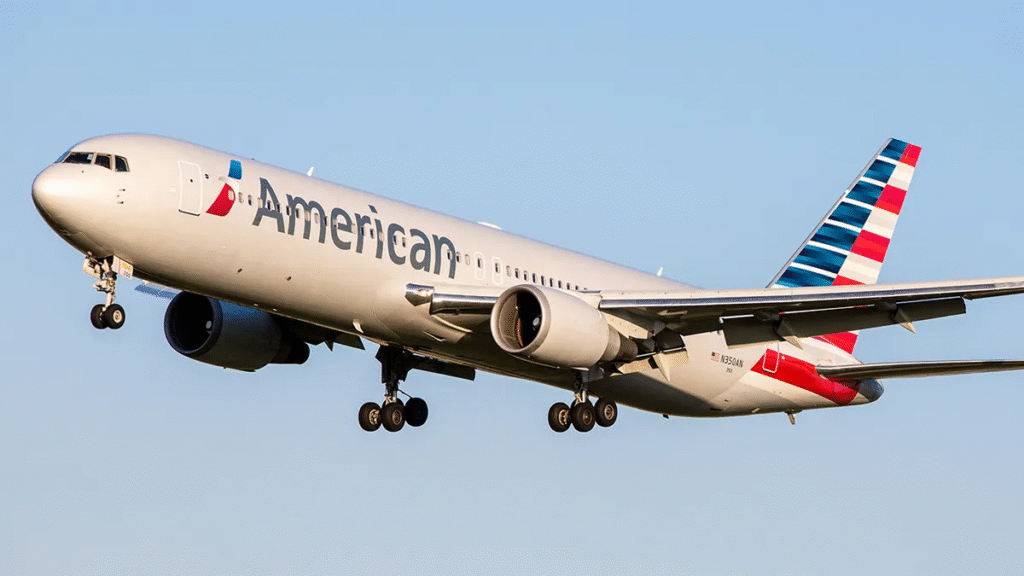
The arrest also underscores the dangers that airline employees can face while performing their duties at 30,000 feet. Flight attendants are trained to deal with unruly passengers, but situations involving physical assault can place both crew members and other passengers at considerable risk.
Read : American Airlines Passenger Duct-Taped and Sued in 2024 for Violent Behavior Onboard in 2021 Flight
In recent years, the Federal Aviation Administration (FAA) has seen a notable rise in reports of unruly passenger behavior, often fueled by alcohol, mental health issues, or social tensions. Incidents like the one involving Julius Jordan Priester highlight the need for ongoing training, preventative measures, and stronger enforcement of laws protecting airline personnel.
Meanwhile, Julius Jordan Priester remains in custody, awaiting a court hearing that will determine whether he will be granted bail and what further legal steps will be taken. Prosecutors have indicated they plan to pursue the charges to the fullest extent of the law. Given the severity of the assault and its occurrence mid-air, it is likely that the federal justice system will push for a significant penalty if he is found guilty.
Airline Response and Broader Implications for Aviation Safety
American Airlines responded swiftly to the incident, issuing a public statement in which they condemned the violence and praised the professionalism of their crew and the bravery of passengers who intervened. “We do not tolerate violence, and we thank our team members for their professionalism and our customers for their assistance,” the statement read. Though brief, it underscores the airline’s stance on passenger misconduct and its support for crew safety.
The identity of the assaulted flight attendant has not been released, nor has any detailed information about her condition been made public. However, there is speculation that the trauma of the incident—both physical and psychological—may have lasting consequences. Workplace assaults of this nature are rare but are taken very seriously, especially when they occur in high-risk environments such as aircraft cabins.
This incident reignites the ongoing debate surrounding air travel security and passenger screening. While metal detectors and baggage checks help prevent weapons from being brought on board, behavioral threats remain a challenge. Airlines rely on crew members to de-escalate conflicts and manage passenger behavior, but there is growing concern that they are being asked to shoulder too much responsibility without adequate backup.
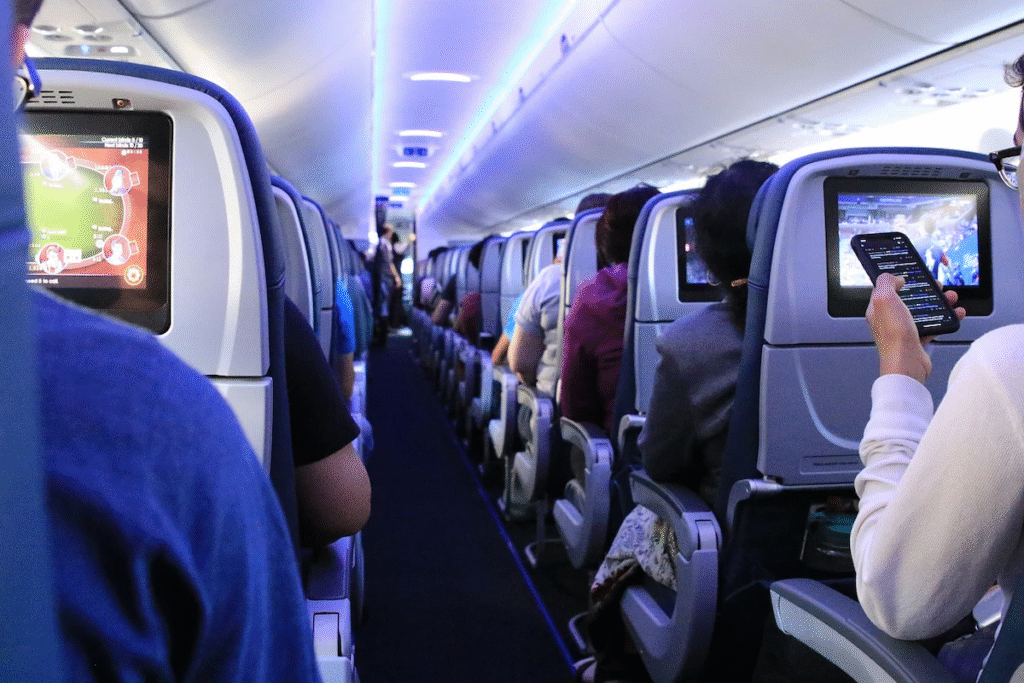
One proposed solution includes implementing more rigorous pre-boarding behavior monitoring, especially for individuals with known criminal histories or signs of psychological distress. However, this raises questions about privacy, discrimination, and how much information airlines should be allowed to access before allowing someone to board a plane.
In the meantime, airline staff unions have called for increased legal protections, mandatory no-fly lists for violent offenders, and enhanced mental health crisis training for all flight personnel. As the investigation into Julius Jordan Priester’s actions continues, these recommendations may gain further traction among lawmakers and the FAA.
For passengers, the episode serves as a sobering reminder of the unexpected dangers that can arise in the skies. Travel, often regarded as a routine part of modern life, occasionally reveals how fragile in-flight safety can be when unpredictable human behavior comes into play.
The collective response by crew and passengers was commendable and almost certainly prevented further injury or chaos. But the underlying issues—mental health awareness, security protocol, and legal deterrents—will need to be revisited if similar incidents are to be prevented in the future.
As for Julius Jordan Priester, his fate now lies in the hands of the legal system. With a prior record, a serious federal charge, and the entire incident likely to be under intense public and legal scrutiny, the road ahead for him is undoubtedly grim. The story of what happened on that American Airlines flight serves as both a warning and a call to action: one that aviation authorities, airlines, and policymakers can no longer afford to ignore.