
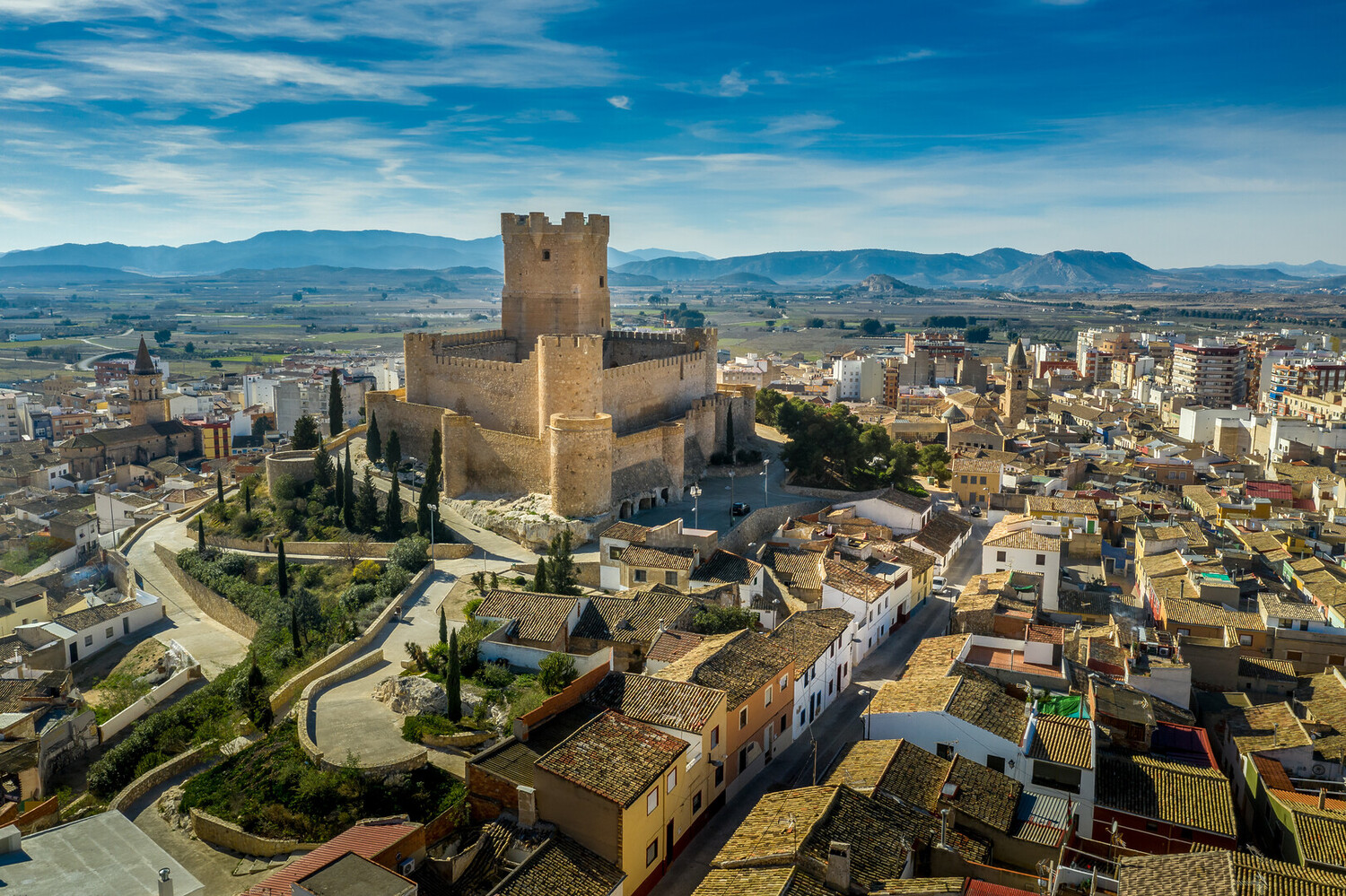
In a controversial and widely criticized move, the Spanish town of Jumilla in the southeastern region of Murcia has passed a measure prohibiting the celebration of Muslim religious festivals such as Eid al-Fitr and Eid al-Adha in public spaces. This decision, spearheaded by the conservative People’s Party (PP) and backed passively by the far-right Vox party, marks a turning point in Spain’s approach to religious freedom and multicultural coexistence.
It has sparked outrage not just within the country’s Muslim community but also among human rights advocates, legal experts, and political observers across Europe.
This unprecedented action comes at a time when concerns about the rise of Islamophobia and xenophobia in Europe are increasingly under scrutiny. While local authorities justify the decision as a defense of cultural identity, critics argue it violates fundamental constitutional rights and threatens the social cohesion of the diverse communities that make up modern Spain.
A Controversial Measure with Deep Implications
The local council in Jumilla has passed a resolution that explicitly bars municipal facilities such as sports halls, gyms, and civic centers from being used for religious, cultural, or social events considered “alien to our identity,” unless officially organized by the local government. The terminology of the ban — particularly the phrase “alien to our identity” — has been sharply criticized for being vague, exclusionary, and discriminatory.
The timing and targeting of the ban are particularly telling. The prohibition directly affects Islamic festivals like Eid al-Fitr, which marks the end of the holy month of Ramadan, and Eid al-Adha, commemorating the willingness of Prophet Ibrahim to sacrifice his son.
These festivals hold profound spiritual and communal significance for Muslims around the world. In Spain, where public halls are often rented out for religious or social events, especially when mosques are too small to accommodate large gatherings, this ban effectively restricts Muslims in Jumilla from celebrating key aspects of their faith in any meaningful communal way.
The far-right Vox party, although abstaining from the vote, wasted no time claiming credit for the decision. In a celebratory post on X, formerly Twitter, the local chapter of Vox declared: “Thanks to Vox, the first measure to ban Islamic festivals in Spain’s public spaces has been passed. Spain is and will be forever the land of Christian people.” This statement has only intensified the controversy and further underscored the ideological motivations behind the ban.
Read : Viva España: Exploring the Top Places to Visit in Spain
Mounir Benjelloun Andaloussi Azhari, president of the Spanish Federation of Islamic Organisations, condemned the move as “Islamophobic and discriminatory.” He emphasized that no similar restrictions have been imposed on other religious communities, suggesting a targeted campaign against Muslims. “For the first time in 30 years I feel afraid,” he said, reflecting the broader anxiety now being felt by many Muslims in Spain.
Historical Irony and Cultural Amnesia
What adds a layer of painful irony to the current developments is Jumilla’s own rich Islamic history. Like much of southern Spain, Jumilla has deep-rooted ties to the Muslim world. After being part of the Roman Empire, the town fell under Arab control in the 8th century and was known as Yumil-la. It remained predominantly Arab for centuries, becoming a vibrant hub of Islamic culture, architecture, and scholarship.
When Christian forces under King Alfonso X of Castile approached Jumilla in the mid-13th century, they did not initially conquer it by force. Instead, the Arab rulers of Jumilla negotiated the capitulations of Alcatraz, an agreement which allowed Christian rule while safeguarding the rights of the Muslim inhabitants.
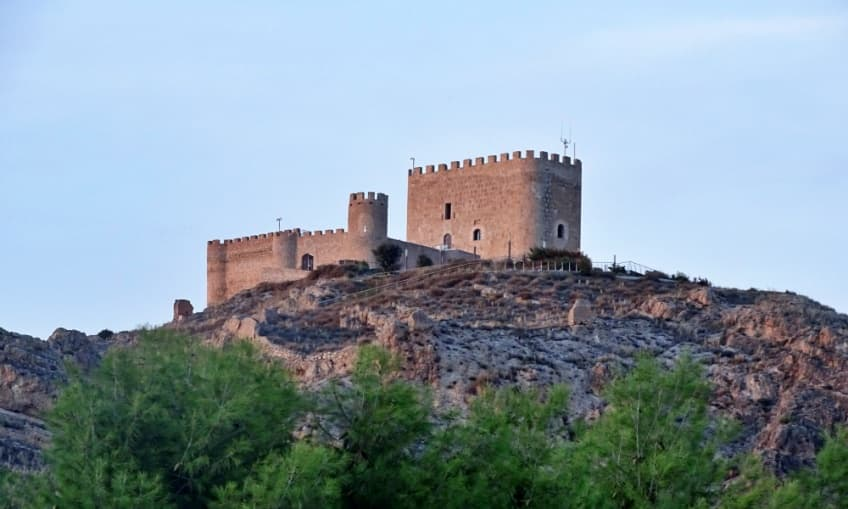
However, this relatively peaceful coexistence came to an abrupt end after Alfonso’s death, when Castilian forces violated the agreement and took full control of the town, effectively ending Arab influence.
To this day, the legacy of this Islamic past can be found in the architecture, place names, and historical consciousness of the region. Former socialist mayor Juana Guardiola highlighted this historical continuity in her reaction to the ban: “What do they mean by identity? And what about the centuries of Muslim legacy here?” Her comment resonates with many who see the recent measure not just as a policy decision but as an erasure of the town’s pluralistic past.
The notion of protecting “our identity,” used as justification for the ban, rings hollow for many residents and observers who understand Spanish identity as the product of centuries of interaction among diverse cultures, including Jews, Christians, and Muslims. In fact, one of Spain’s most admired cultural achievements, the architectural marvel of the Alhambra in Granada, is a direct legacy of Islamic rule.
Legal, Social, and Political Repercussions
The decision by Jumilla’s local council is expected to face legal challenges, as it appears to be in clear violation of the Spanish Constitution. Article 16 of the constitution guarantees “freedom of ideology, religion and worship of individuals and communities” and specifies that there shall be no restrictions on the expression of these freedoms beyond what is necessary to maintain public order.
Legal experts argue that banning public religious celebrations based on vague criteria such as “identity” does not meet the standard of maintaining public order and is therefore unconstitutional. Francisco Lucas, the socialist leader in Murcia, expressed his concern on X, saying: “The PP violates the constitution and puts social cohesion at risk simply in the pursuit of power.”
Beyond the legalities, the social implications are far more concerning. Jumilla has a population of about 27,000, with roughly 7.5% of residents coming from predominantly Muslim countries. For these residents, the new regulation feels like a message of exclusion — a warning that their religious practices are not welcome in the public life of the town.

Human rights groups and Islamic organizations are now calling for national intervention to overturn the local decision. They argue that if the Jumilla ban is allowed to stand, it could set a dangerous precedent for other towns in Spain — and potentially across Europe — emboldening far-right parties to push similar policies elsewhere.
There is also a broader European context to consider. Recent studies and surveys have shown a “worrying surge” in racism and Islamophobia across the continent. From employment discrimination to hate crimes, Muslims in Europe are increasingly reporting being targeted. Measures like the one in Jumilla only serve to legitimize and institutionalize such discrimination.
Moreover, the political alliance between mainstream conservative parties and the far-right is becoming a matter of serious concern. In Jumilla, the PP pushed through the measure with Vox’s abstention — a quiet endorsement that reflects the growing normalization of extremist rhetoric in local governance.
While the People’s Party attempts to present the decision as a neutral defense of local culture, the optics tell a different story. When only one religious group is affected, when historical legacies are ignored, and when far-right parties cheer in the background, the narrative becomes one of exclusion, not cultural preservation.
In a country known for its diverse heritage and its post-Franco embrace of pluralism, this decision has the potential to roll back decades of progress in multicultural integration and religious tolerance.
As Spain prepares to confront this challenge, the eyes of Europe are watching. Will Jumilla become a model for exclusion or a turning point that galvanizes defense of constitutional rights? For now, the Muslim residents of this historic town wait, unsure of whether the next Eid celebration will be met with joy — or with more locked doors.