
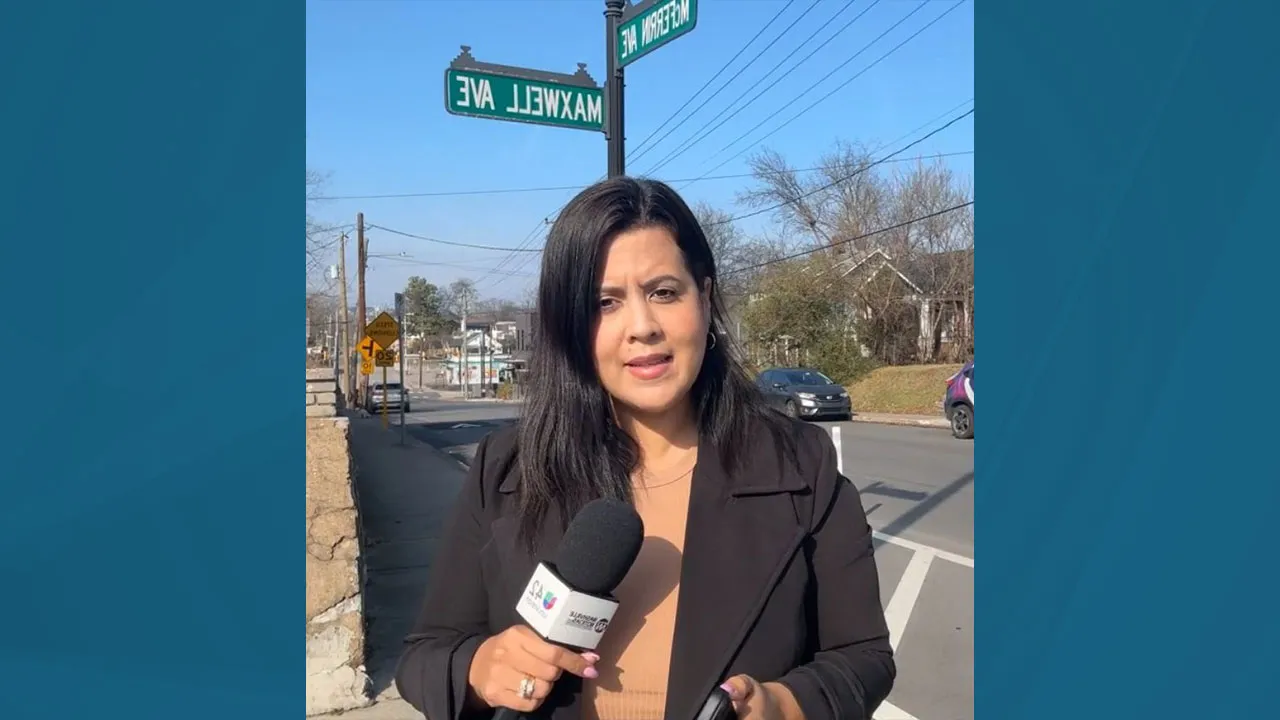
The arrest and detention of Nashville-based journalist Estefany Maria Rodríguez Florez has drawn national attention and sparked renewed debate over press freedom, immigration enforcement, and constitutional protections in the United States. A federal judge has ordered Immigration and Customs Enforcement to provide a written justification explaining both the circumstances of Rodríguez’s arrest and the reasons for her continued detention. The deadline set by the court has placed the federal agency under intense scrutiny as legal advocates, media organizations, and political figures question whether the actions taken against the journalist violated fundamental rights guaranteed under the First Amendment.
Rodríguez, a reporter working with the Spanish-language outlet Nashville Noticias, was detained by federal agents while traveling in a vehicle bearing the outlet’s logo. Her reporting work had frequently focused on immigration enforcement activities in Nashville, including coverage of arrests conducted by federal authorities. According to her legal team, the timing and circumstances surrounding her detention raise serious concerns that her arrest may have been connected to her work as a journalist. They argue that the incident may represent retaliation against a reporter whose coverage scrutinized immigration enforcement operations in the region.
The case has quickly evolved into a broader legal and political issue, highlighting the intersection of immigration law, journalistic freedom, and the rights of individuals navigating complex immigration processes in the United States. With a court hearing potentially imminent, the legal battle over Rodríguez’s detention is expected to shape discussions about how immigration authorities interact with members of the press and whether constitutional protections are being adequately upheld.
Circumstances Surrounding the Arrest and Detention
Estefany Maria Rodríguez Florez, 35, was taken into custody by Immigration and Customs Enforcement agents on a Wednesday morning after a targeted surveillance operation. Government records filed in federal court show that agents from an Enforcement and Removal Operations Fugitive Operations Team began monitoring Rodríguez early that morning as she left her home with her husband and their seven-year-old daughter. Authorities followed the family as they traveled through Nashville, waiting until after the child had been dropped off before initiating a traffic stop at approximately 7:15 a.m.
Rodríguez was reportedly traveling in a vehicle clearly marked with the logo of Nashville Noticias, the Spanish-language media outlet where she works as a journalist. According to her attorneys, the arrest occurred shortly after she had published reports covering immigration enforcement actions in the city. Her work frequently involved documenting arrests carried out by federal authorities, as well as reporting on the experiences of immigrant communities affected by enforcement policies.
Following her arrest, Rodríguez was taken to a holding area in Nashville before being transferred to a detention facility in Alabama. Her legal team has raised concerns about the speed of the transfer and the denial of bond following her detention. Attorneys representing Rodríguez have argued that the sequence of events suggests a deliberate effort to detain her quickly and move her away from the jurisdiction where she lives and works.
Federal officials maintain that Rodríguez is being held because she overstayed a visa and missed scheduled meetings with immigration authorities. Government filings state that immigration officials consider her a potential flight risk due to these alleged missed appointments. However, her attorneys dispute this claim and have presented court documents that they say contradict the government’s account of the missed meetings.
ICE detains well known immigrant reporter who wrote news stories critical of Trump policy—while she was driving work vehicle with news station logo.
— LongTime🤓FirstTime👨💻 (@LongTimeHistory) March 6, 2026
She came to U.S. legally sponsored by her American husband.
Her life is threatened in Colombia—after reporting on armed militias.… pic.twitter.com/I0XbfLfk8J
According to the legal filings submitted by her defense team, Rodríguez had previously been notified of a meeting with immigration officials scheduled during a severe ice storm that disrupted much of Nashville. That meeting was later rescheduled. When Rodríguez’s husband and attorney visited immigration offices ahead of the new appointment, officials reportedly told them there was no record of the meeting. A new appointment was subsequently scheduled for March 17. Her lawyers argue that labeling her as a flight risk based on the earlier appointments is inaccurate and misleading.
These conflicting accounts have become a central issue in the case, with both sides presenting different interpretations of the events leading up to the arrest. The federal judge overseeing the case has now ordered immigration authorities to formally justify the arrest and detention in writing, setting the stage for a detailed examination of the circumstances in court.
Legal Challenges and Constitutional Concerns
Rodríguez’s attorneys have mounted a vigorous legal challenge to the actions taken by immigration authorities, arguing that her arrest violated constitutional protections and may have been motivated by retaliation against her reporting. In court filings, they have stated that the arrest, denial of bond, and transfer to a distant detention facility point to an attempt to silence a journalist whose work involved reporting critically on federal immigration enforcement.
Central to the legal dispute is the question of whether immigration officials followed proper procedures when detaining Rodríguez. Government attorneys submitted an image of an administrative warrant dated March 2, two days before her arrest. The document was presented as evidence that the arrest was legally authorized. However, Rodríguez’s legal team has questioned the validity and handling of the warrant.
In their court filings, her attorneys noted that the warrant appeared to be wrinkled and photographed rather than formally scanned or presented in a standard format. They also pointed out that the section of the document labeled “certificate of service,” which is meant to identify the individual who was served with the warrant and where the service took place, was left blank. According to the defense attorneys, this omission raises questions about whether the warrant was ever properly executed.
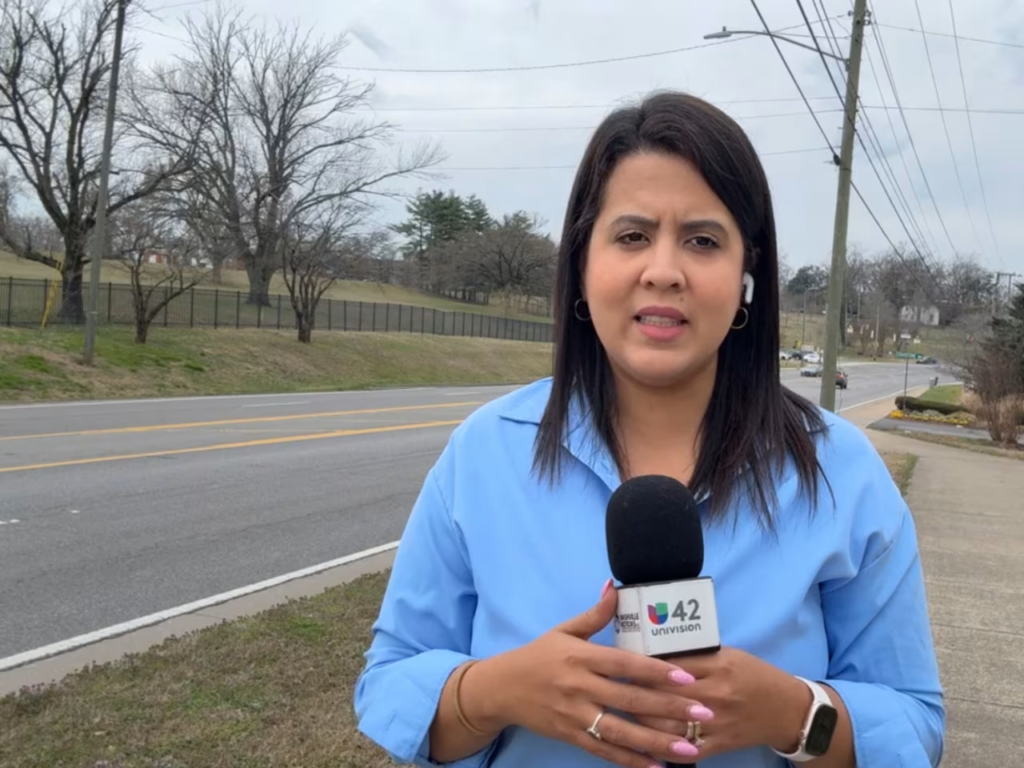
Rodríguez’s legal team has further argued that she was never actually served with the administrative warrant during the time immigration agents observed her leaving her home, followed her through the city, and ultimately detained her. The attorneys contend that this failure undermines the government’s claim that the arrest was conducted in accordance with established procedures.
Beyond procedural questions, the case has also raised broader constitutional concerns. Rodríguez’s attorneys assert that her detention may represent a violation of the First Amendment, which protects freedom of the press. They argue that the timing of her arrest—shortly after she had reported on immigration enforcement activities—creates a strong inference that her journalism played a role in the decision to detain her.
Legal advocates supporting Rodríguez have emphasized that journalists must be able to report on government actions without fear of retaliation. If the court finds that immigration authorities targeted her because of her reporting, the case could establish a significant precedent regarding the rights of journalists who cover sensitive or controversial government activities.
The legal team representing Rodríguez is seeking several outcomes through the court process. They have requested her immediate release from detention and have asked the court to formally declare that her arrest was unconstitutional. A hearing on the matter could occur soon after the government submits its written justification for the arrest.
National Reaction and Implications for Press Freedom
The detention of Estefany Maria Rodríguez Florez has prompted strong reactions from journalism organizations, political figures, and immigration advocacy groups across the country. Many have expressed concern that the arrest could have a chilling effect on reporters who cover immigration enforcement and other government activities.
The National Association of Hispanic Journalists issued a statement condemning the arrest and warning that it could establish a dangerous precedent. The organization argued that journalists must be able to report freely on immigration issues without facing the threat of detention or retaliation. Advocates for press freedom have echoed this concern, emphasizing that reporters often play a critical role in documenting how government policies affect communities.
Political reactions have also emerged in response to the case. The Tennessee Democratic Party released a statement expressing serious concerns about Rodríguez’s detention and the circumstances surrounding her arrest. The party called for transparency and urged federal authorities to clarify the reasons for detaining a journalist who had been working legally in the United States.
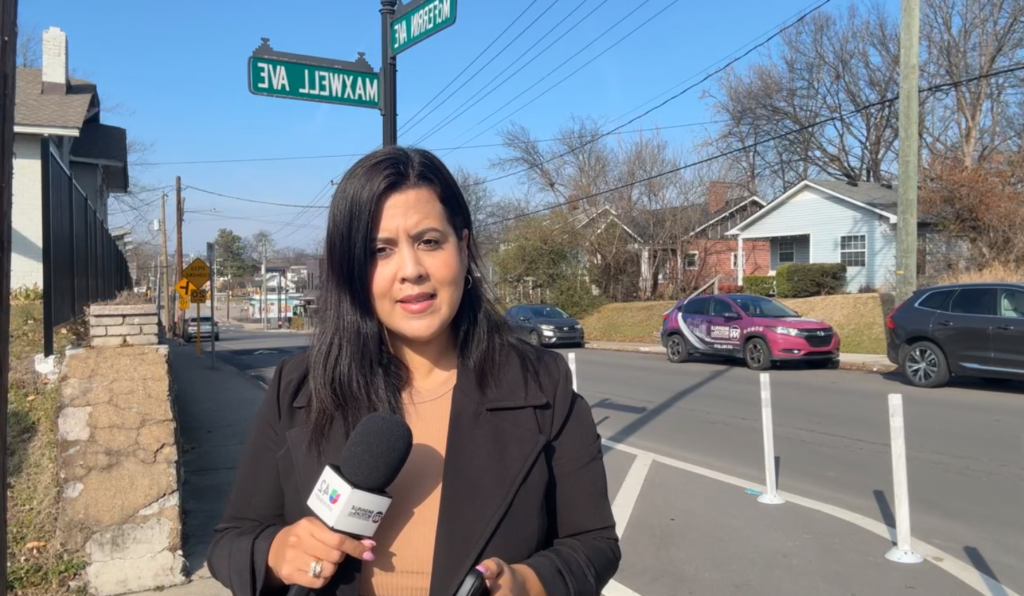
Nashville Noticias, the outlet where Rodríguez works, has also spoken publicly about the case. In a statement, the organization expressed hope that the situation would be resolved in a manner that allows their colleague to be released soon. The statement highlighted the personal impact of her detention, noting that Rodríguez has a young daughter and a husband awaiting her return while she continues to pursue her legal case.
Rodríguez’s immigration history adds another dimension to the situation. She entered the United States from Colombia on a tourist visa approximately five years ago. Before the visa expired, she filed an application for political asylum, stating that she had received death threats related to her reporting work in Colombia. According to her attorneys, asylum seekers must remain in the United States while their cases are processed.
In addition to her asylum application, Rodríguez later married a United States citizen and filed a petition to adjust her status to that of a lawful permanent resident. Court documents indicate that she currently holds a valid work permit that extends through 2029. Her legal team argues that these circumstances demonstrate that she has been pursuing legal pathways to remain in the country and should not be treated as a flight risk.
As the legal process unfolds, the case continues to draw attention from observers concerned about the balance between immigration enforcement and constitutional protections. The federal judge overseeing the case has set a deadline for immigration authorities to submit their written explanation, after which Rodríguez’s attorneys will have an opportunity to respond. The court’s eventual decision may have significant implications not only for Rodríguez but also for journalists covering immigration enforcement and other sensitive issues throughout the United States.