
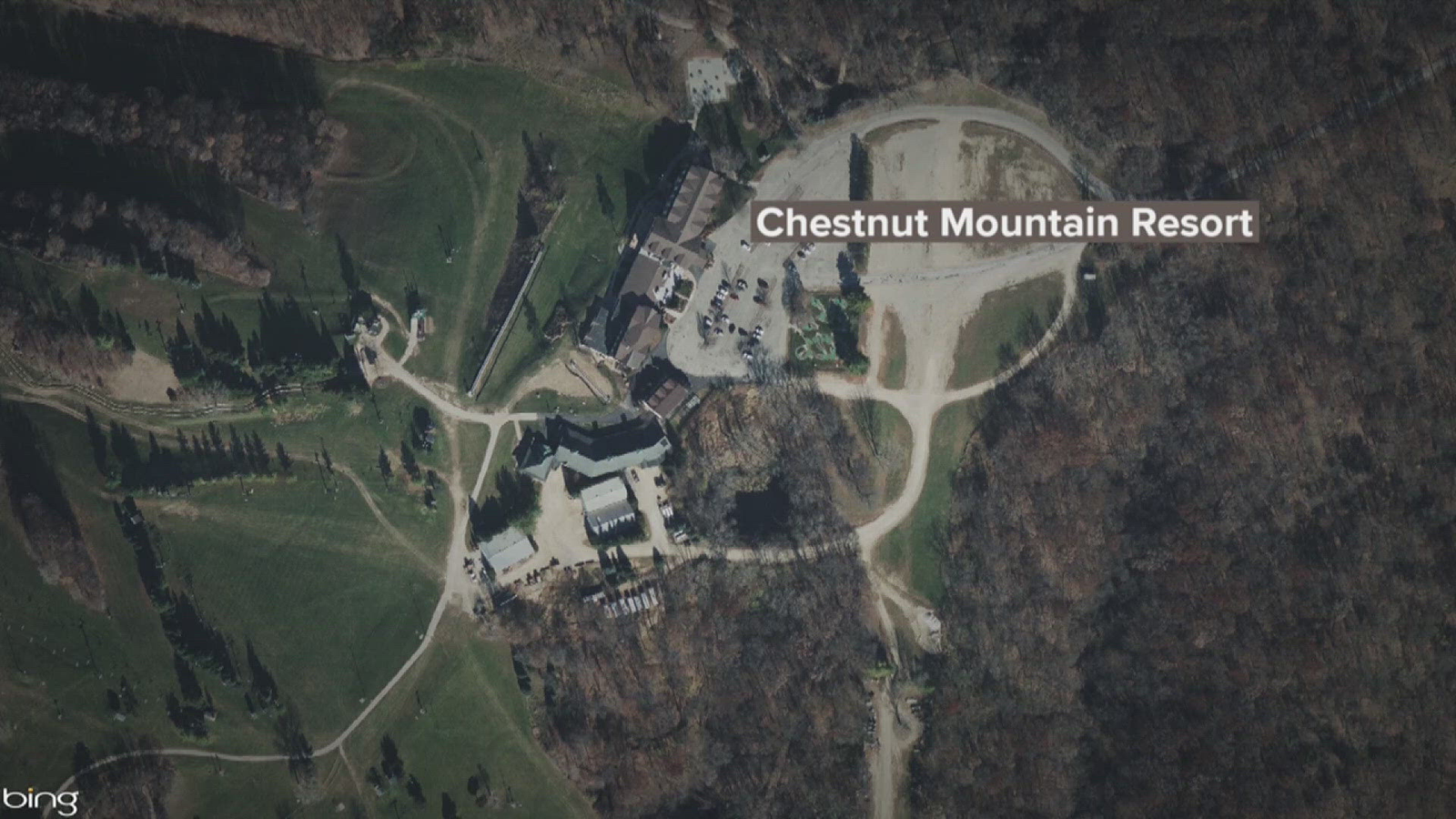
The sudden death of a teenager at a resort pool in rural Galena has left a community grappling with shock and grief. Authorities confirmed that 17-year-old Jack Zucco of Rochester, Illinois, died after losing consciousness while swimming at Chestnut Mountain Resort on Friday night.
Emergency responders were called after reports of a possible drowning, and despite immediate life-saving efforts, the teen could not be revived. Officials continue to investigate the circumstances surrounding the incident, as details emerge about what unfolded in the minutes leading up to the tragedy. The event has drawn attention to the unpredictability of medical emergencies in aquatic settings and the emotional toll such incidents take on families, witnesses, and first responders alike.
Emergency Response and Events at the Resort Pool
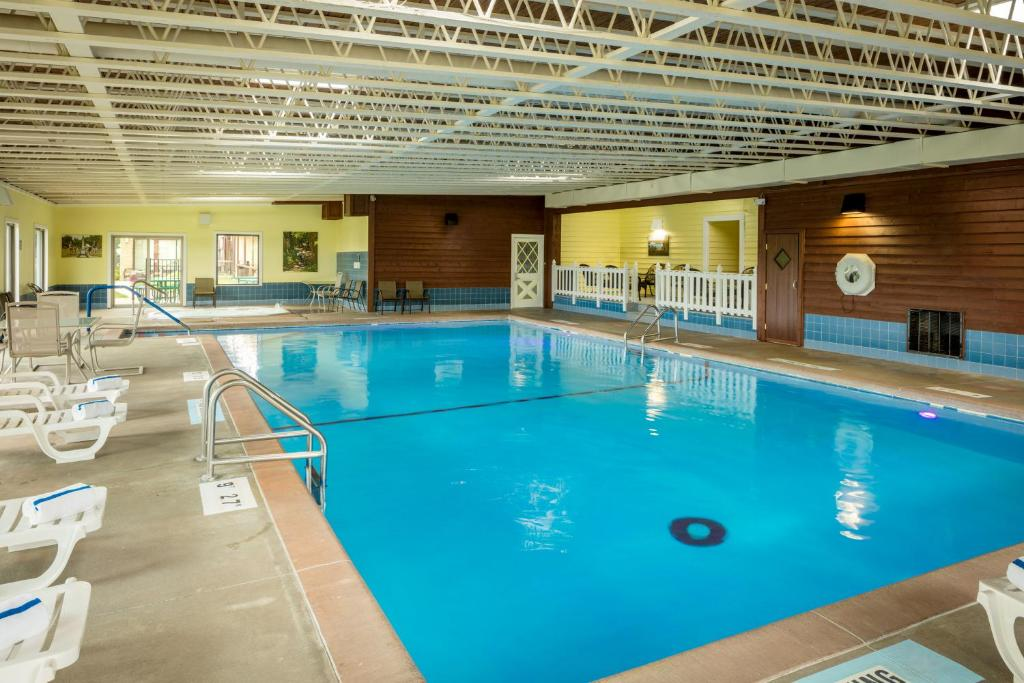
According to the Jo Daviess County Sheriff’s Office, dispatchers received a 911 call at approximately 9:08 p.m. reporting a possible drowning at Chestnut Mountain Resort. Deputies and a Galena police officer were quickly sent to the scene, where they found that a juvenile had been swimming in the resort pool before suddenly losing consciousness. The situation escalated rapidly, leaving those present with little time to react before the emergency became critical.
Another juvenile at the pool acted quickly and pulled Jack Zucco from the water before emergency personnel arrived. This immediate action reflected the urgency of the situation and likely represented the only possible intervention available at that moment. Once first responders reached the scene, paramedics initiated life-saving measures. An air ambulance was also deployed, indicating the seriousness with which emergency crews approached the situation and the effort made to transport the teen for advanced medical care if stabilization became possible.
Despite these extensive measures, Jack Zucco was pronounced dead at the scene. Authorities later transported him to a local hospital in Galena following standard procedures. The coordinated response from deputies, police officers, paramedics, and air medical personnel demonstrated how quickly emergency systems can mobilize when a life-threatening incident occurs. Yet even with immediate intervention, some medical emergencies progress beyond the point where recovery is possible.
Read : Watch: Man Thrown Into Overhead Bin, 40 Passengers Injured as Air Europa Flight Hits Turbulence
The sheriff’s office confirmed that the investigation into the incident remains ongoing. Officials are working to determine what factors may have contributed to the loss of consciousness while swimming, including whether any underlying medical condition or sudden physiological event played a role. At this stage, authorities have not released further details about the cause, emphasizing that a full review is required before any conclusions can be drawn.
Identification of Jack Zucco and Community Impact
Following initial reports of a juvenile drowning, authorities later identified the victim as 17-year-old Jack Zucco of Rochester, Illinois. The confirmation brought clarity to the tragedy while deepening its emotional impact. What had first been an anonymous emergency quickly became a personal loss tied to a specific family, school community, and group of peers.
News of the teen’s death spread rapidly, reaching those who knew him and others who were simply shaken by the suddenness of the incident. The loss of a young life under unexpected circumstances often resonates far beyond the immediate setting of the event. Communities connected to the individual, whether through school, extracurricular activities, or social networks, must confront not only grief but also the unsettling reality that routine recreational moments can take a devastating turn.
Read : 26-Year-Old Nicholas Kenworthy Killed in Skiing Accident at Northstar California Resort
For families, such incidents represent an unimaginable disruption. A normal evening at a resort becomes the setting for a life-altering loss, leaving loved ones to process events that unfolded with little warning. For young people who may have been present or heard about the incident soon after, the experience can also be difficult to comprehend. Witnessing or learning about a peer’s sudden death can create lasting emotional effects, particularly when the event occurs in an environment typically associated with leisure and enjoyment.
Local authorities and community members often respond to such tragedies with efforts to provide emotional support and reassurance. While the investigation focuses on factual details and medical considerations, the broader community response centers on remembrance and collective coping. In situations involving adolescents, the sense of shared vulnerability is often especially pronounced, as friends, classmates, and families reflect on the unpredictability of life and the importance of safety awareness in everyday environments.
Although official statements have remained limited to confirmed facts, the acknowledgment of Jack Zucco’s identity has transformed the event from a general emergency into a deeply personal story of loss. The recognition of his age and hometown underscores the profound human dimension of the incident, reminding many that behind every report of a drowning or medical emergency is a family facing an irreversible change.
Ongoing Investigation and Broader Safety Considerations
Authorities have stated that the incident remains under investigation, and determining the precise sequence of events is an essential part of understanding how the tragedy occurred. Investigations into pool-related deaths often examine multiple factors, including medical history, environmental conditions, and response timelines. Even when immediate rescue and emergency care are provided, identifying the underlying cause of unconsciousness can require careful examination.
Read : Airbnb Host Kevin Dale Westerhold Arrested After Engaging in Lewd Behavior at Windsor Hills Resort
Sudden loss of consciousness in water can result from a range of circumstances, from medical episodes to environmental factors or physical distress. Investigators typically review witness accounts, emergency response records, and any available medical information to establish what may have triggered the incident. Such inquiries are not only procedural but also serve to clarify whether any preventative measures could be recommended in the future.
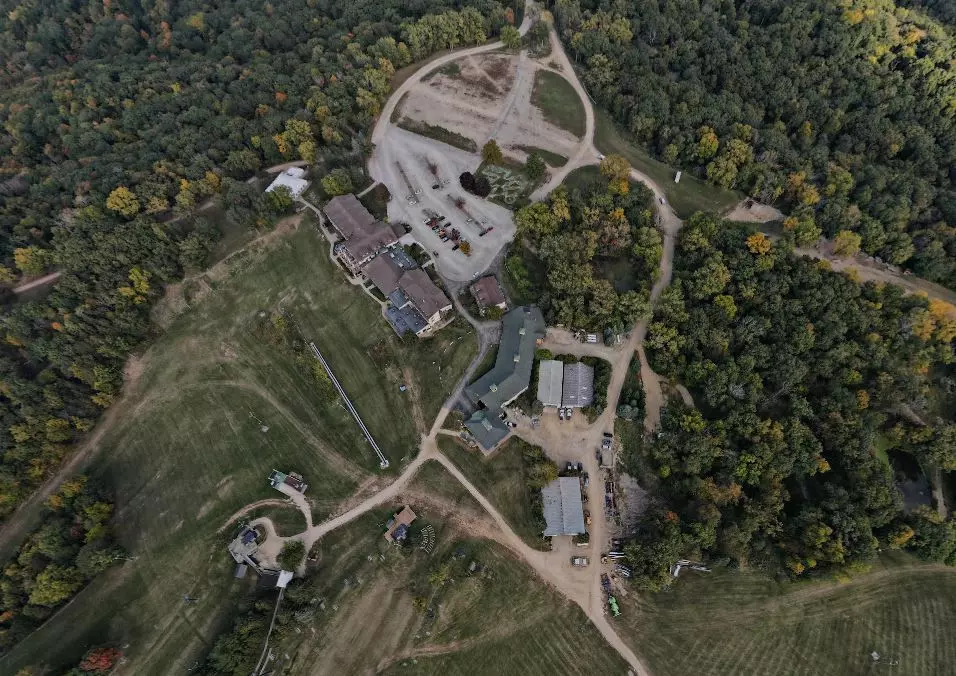
Resort pools, like many recreational aquatic facilities, are designed to provide safe environments for guests. However, safety in water always depends on a combination of supervision, individual health conditions, and rapid response capability. Even in monitored settings, emergencies can unfold in seconds. This reality underscores why rescue training, emergency preparedness, and prompt reporting of distress are critical components of aquatic safety.
The deployment of an air ambulance in this case highlights how seriously emergency responders treated the situation. Air medical transport is typically reserved for critical conditions requiring rapid transfer to advanced care facilities. Its involvement reflects the urgent assessment made by paramedics on scene, even though stabilization ultimately proved impossible.
Incidents like this also draw attention to the importance of awareness regarding sudden medical events during physical activity. Swimming is generally regarded as safe and beneficial exercise, but it still places physical demands on the body. When an individual experiences an unexpected medical episode in water, the surrounding environment can complicate immediate recognition and response.
While investigators continue their work, officials have not indicated any external hazards or facility-related concerns connected to the event. The focus remains on determining what caused the teen to lose consciousness and whether additional findings will emerge through medical examination or witness statements. Until the investigation concludes, authorities are expected to release only verified information.
For now, the confirmed facts present a timeline that moved swiftly from routine activity to emergency intervention. A teenager entered a pool, lost consciousness, was pulled from the water by another juvenile, and received extensive life-saving efforts from trained responders. Despite these measures, the outcome was fatal, leaving unanswered questions that the investigation seeks to address.
As the process continues, the incident stands as a reminder of how quickly emergencies can develop in aquatic settings and how essential immediate response can be. At the same time, it reflects the limits of even the most rapid and coordinated rescue efforts when a medical crisis unfolds without warning.