
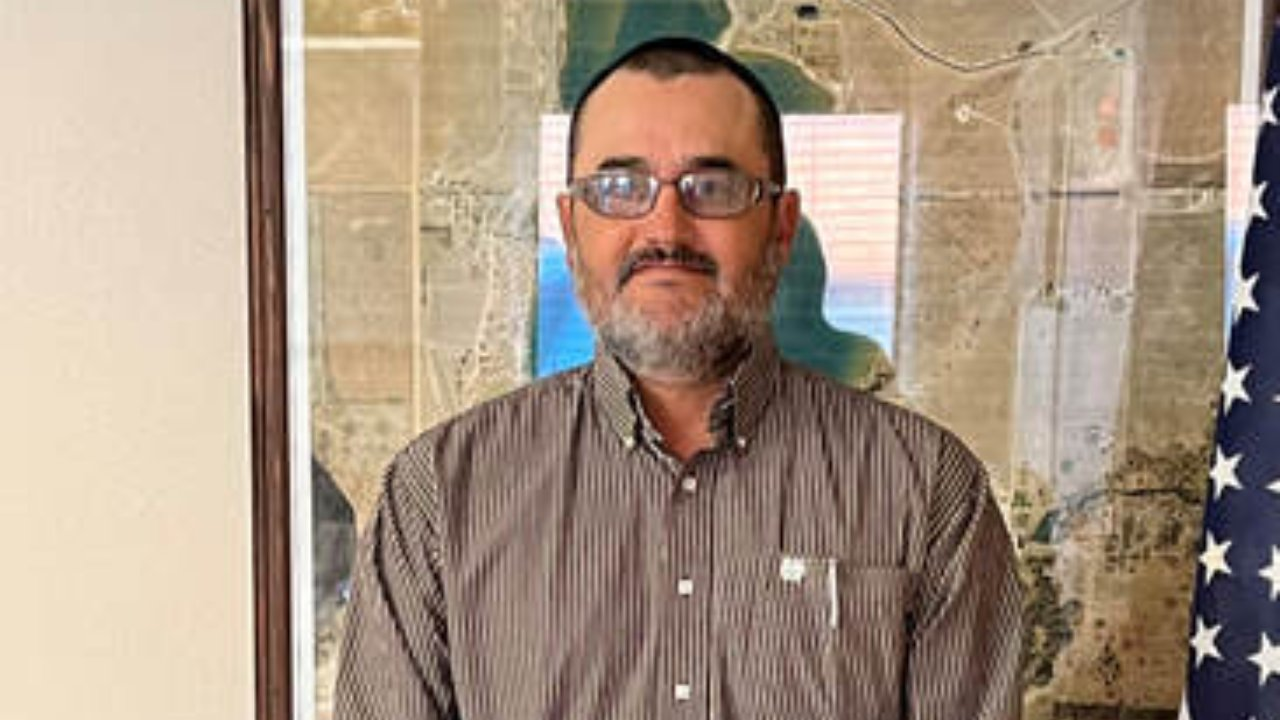
The case surrounding Coldwater Mayor Jose ‘Joe’ Ceballos has drawn national attention due to the serious allegations that he participated in multiple elections despite not being a United States citizen. The charges against him, announced by Kansas Secretary of State Scott Schwab and Attorney General Kris Kobach, highlight a broader conversation about voter verification systems, the responsibilities of local elected officials, and how election laws are enforced in small communities.
Jose Ceballos, originally from Mexico and reportedly a lawful permanent resident rather than a naturalized US citizen, is accused of voting in elections spanning at least three years. These include city-level and county-level contests, and possibly his own campaigns for office. The case has become a focal point in discussions about election integrity in Kansas, where officials say they are increasing efforts to detect unlawful voting using federal immigration data.
The situation raises a series of complex questions that extend beyond the immediate criminal charges. There is the legal question of whether noncitizens can hold certain local offices, which varies depending on state and municipal rules. There is also the procedural question of how voter registration systems verify eligibility and the degree to which they rely on individual honesty.
Additionally, the case speaks to broader political disputes about voter fraud, particularly in a climate where the topic has become highly charged. While some policymakers argue that stronger verification processes are needed, others caution that such measures might create obstacles for eligible voters. Ceballos’ case sits at the intersection of these debates and is likely to be scrutinized closely as it proceeds through the courts.
Jose Ceballos’ Background and Rise in Local Government
Coldwater, Kansas, is a small city with a population of fewer than 1,000 residents, where local governance often depends on the close relationships between officials and community members. Ceballos had been an active participant in city life for years, first serving on the city council before eventually becoming mayor. His public service was largely viewed as community-oriented and practical, focused on day-to-day municipal concerns rather than ideological or partisan issues.
In communities of this size, local officials are often known personally by most residents, and local elections typically unfold with little conflict or controversy. Ceballos’ background is notable in that he was a lawful permanent resident of the United States. While he was legally allowed to live and work in the country, the law makes a clear distinction between permanent residency and citizenship when it comes to voting rights.
Only United States citizens are permitted to vote in federal and state elections, and Ceballos is accused of violating this rule in elections held in 2022, 2023, and 2024. Reports indicate that he also appeared on the ballot for re-election to his mayoral position in 2025, though certification of those election results had not yet been completed at the time that charges were announced. The charges filed include perjury, implying that Ceballos may have knowingly affirmed that he was a US citizen when completing voter registration materials or election documentation.
Read : Arkansas Officials Admit Killing Wrong Black Bear After Fatal Mauling of 60-Year-Old Max Thomas
Perjury in Kansas carries significant penalties, and in this case, prosecutors have indicated that the charges could potentially lead to a sentence of up to five years in prison. While the case has gained public attention, Ceballos has not yet made any public statements or comments regarding the allegations. His first court appearance is scheduled for December 3, 2025, which will likely be the point at which more details about the evidence and legal arguments become available.
NEW: Coldwater, Kansas mayor charged with election fraud after it was revealed he allegedly voted multiple times despite not being a U.S. citizen.
— Collin Rugg (@CollinRugg) November 6, 2025
Jose (Joe) Ceballos won re-election on Tuesday night and was charged by Kansas AG Kris Kobach the next morning.
"In Kansas, it is… pic.twitter.com/zgrQ7w1Vsg
The question of whether noncitizens may hold local office is legally nuanced. Kansas law requires that mayors be US citizens, according to statements from Attorney General Kobach. However, the act of serving in office without citizenship is not itself a criminal offense. Instead, the criminal allegations are tied specifically to voting in elections without being legally eligible to do so and to the alleged misrepresentation on official documents. The uncovering of Ceballos’ citizenship status reportedly came from cross-referencing state voter records with federal immigration databases, a new step Kansas has only recently begun implementing.
Kansas’ Voter Verification System and the Broader Debate Over Election Oversight
Kansas officials have emphasized that the state’s voter registration system historically relies on trust. When voters register, they are required to certify under penalty of law that they are US citizens, but there has not always been an automatic verification mechanism in place to confirm citizenship status. Poll books, which voters sign when participating in elections, also rely on self-certification.
This system is common across the United States, and it reflects a balance between maintaining voter accessibility and discouraging fraud. In most elections, the assumption is that the risk of severe penalties is enough to discourage ineligible voting. However, proponents of stricter verification policies argue that self-certification alone is insufficient, particularly in a political environment where allegations of voter fraud are closely scrutinized.
Attorney General Kobach, who has long advocated for increased election oversight, stated that the evidence in this case was uncovered only because Kansas recently began cross-checking voter rolls with federal immigration data. He indicated that this review process is ongoing and that the state may identify additional instances of ineligible voting as the process continues. Kobach described the evidence against Ceballos as “unassailable,” though the details of that evidence have not yet been made public.
Read : Dewy White and Wife Find Rare 2.71-Carat White Diamond at Crater of Diamonds State Park in Arkansas
Critics of more rigorous verification methods often raise concerns that such measures can create barriers for eligible citizens, particularly those who may have difficulty providing documentation or who fear administrative complications. They argue that the number of proven cases of deliberate voter fraud remains extremely small compared to the total number of votes cast.
In small communities like Coldwater, the issue also intersects with local culture, where personal familiarity and trust play a significant role in civic life. The situation involving Ceballos, who was a well-known figure in the community, complicates the narrative of voter fraud as being committed by distant or anonymous actors.
Even as the legal process unfolds, it is clear that the case will be referenced in ongoing political discussions in Kansas and beyond. Supporters of stricter verification measures may view it as evidence that the current system allows vulnerabilities. Opponents may emphasize that it represents a rare exceptional case rather than a widespread problem. The broader implications of such cross-checking programs, including how they are implemented and how errors are addressed, will likely continue to be debated.
Legal Proceedings and Potential Consequences
Ceballos’ scheduled court appearance in December 2025 will mark the formal beginning of the legal proceedings. At this stage, prosecutors have outlined the charges but have not yet presented detailed evidence. The case will likely involve testimony related to voter registration documents, citizenship status records, and the election records in question.
It may also involve questions of intent, such as whether Ceballos knowingly misrepresented his citizenship status or whether any confusion may have existed regarding his eligibility. Legal experts sometimes note that misunderstandings regarding citizenship requirements are not uncommon among lawful permanent residents, though prosecutors in this case have suggested that they believe they can demonstrate intentional wrongdoing.
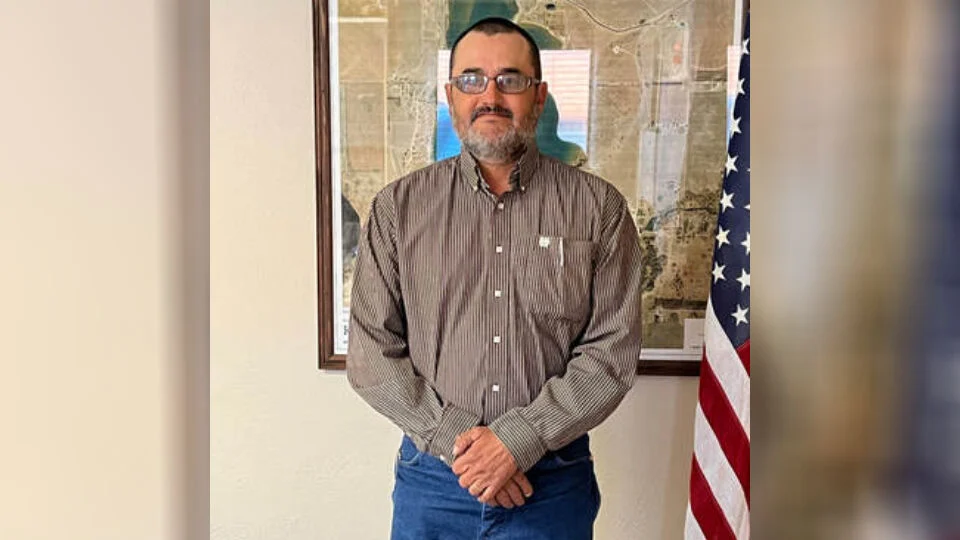
If convicted, Ceballos could face more than five years in prison. Additionally, a conviction could have immigration consequences, as certain types of criminal convictions can affect a permanent resident’s ability to remain in the United States or to pursue naturalization in the future. The case may therefore carry significant personal consequences for Ceballos beyond the immediate question of electoral participation. Meanwhile, Coldwater may also face a period of uncertainty in local governance.
Depending on how the case proceeds, there could be discussions about whether to appoint an interim mayor or hold a special election. The public response in Coldwater has not yet been widely reported, but in small towns, such developments can have substantial community impact. Neighbors, colleagues, and residents who interacted with Ceballos directly may react differently depending on their views of him and of the allegations.
Some may see the situation as a violation of public trust, while others may view it as an administrative or procedural issue rather than a deliberate attempt at wrongdoing. However, given the nature of the charges and the political attention the announcement has received, it is likely that public discussion will continue as more information becomes available. As the case moves forward, it will provide insight into how Kansas and other states continue to refine their voter verification systems, particularly in relation to immigration status.
It may also influence how future local candidates approach documentation and eligibility requirements. The legal process will determine whether the charges result in conviction, dismissal, or a negotiated resolution. Regardless of the outcome, the situation represents a significant moment in the ongoing national dialogue about election oversight and the responsibilities of public officials.
益群网:终身分红,逆向推荐,不拉下线,也有钱赚!尖端资源,价值百万,一网打尽,瞬间拥有!多重收益,五五倍增,八级提成,后劲无穷!网址:1199.pw