
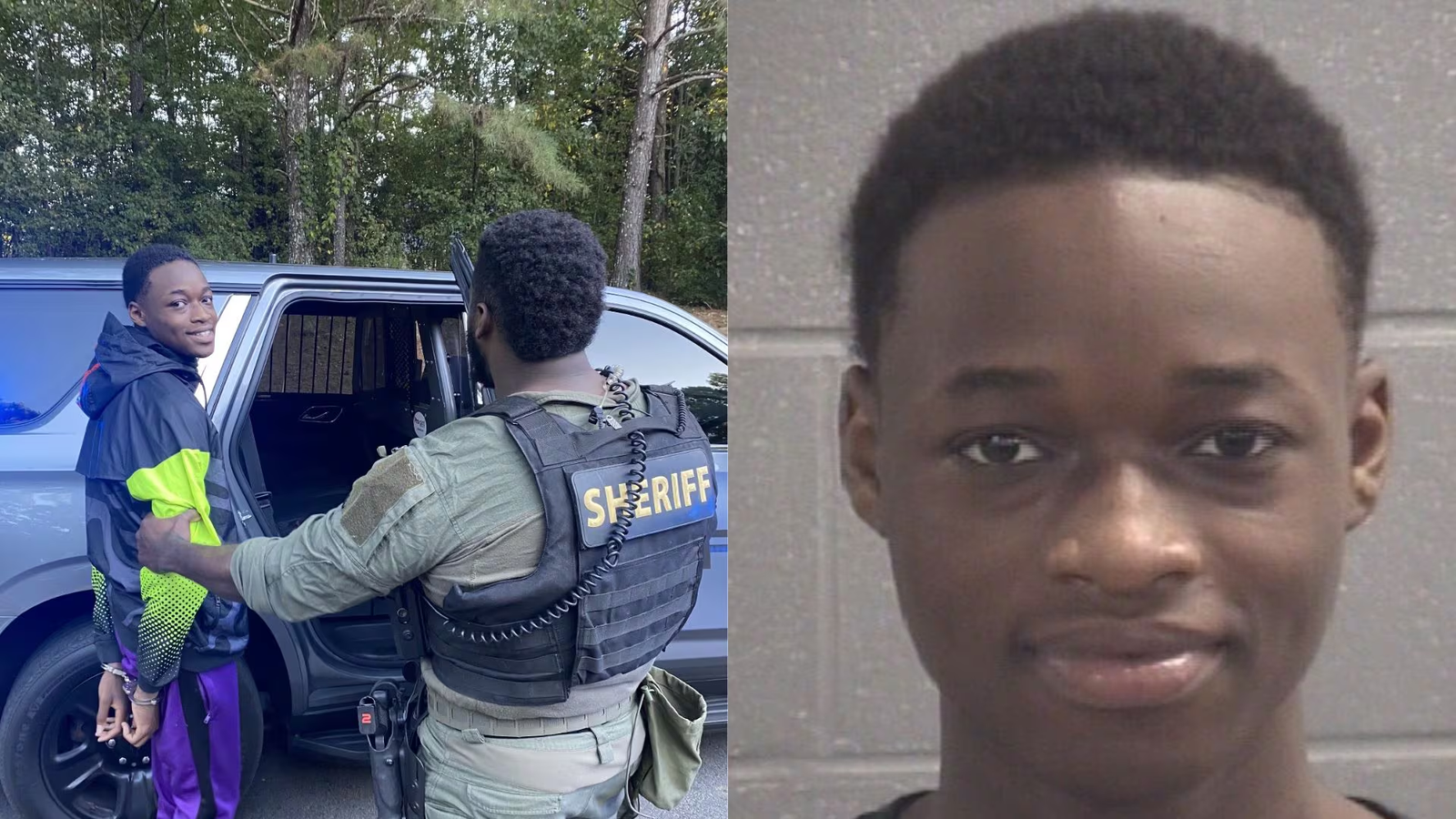
The sentencing of Kaomarion Kendrick to life in prison marks the conclusion of a criminal case that began with a burst of violence outside a Georgia high school football game and ended with the permanent loss of a young life. More than two years after the fatal shooting of 14-year-old Emmanuel Dorsey, a Spalding County jury found Kendrick guilty of felony murder and multiple racketeering-related offenses.
The verdict and sentence underscore the seriousness with which prosecutors and the court viewed the circumstances of the killing, which unfolded amid postgame chaos and involved a modified firearm capable of rapid fire. The case drew sustained attention across Georgia due to the ages of those involved, the public setting of the crime, and the broader concerns it raised about youth violence, illegal weapons, and organized criminal activity influencing adolescents.
The September 2023 Shooting Outside Griffin Memorial Stadium
On a September evening in 2023, Griffin Memorial Stadium in Griffin, Georgia, was filled with fans attending a highly anticipated rivalry football game between Griffin High School and Spalding High School. As the game concluded and spectators poured out of the stadium, tensions escalated outside the venue. According to investigators and court testimony, a brawl erupted between two rival cliques, neither of which consisted of formally identified gang members, though police later said the groups were associated with rival gangs operating in the area.
Emmanuel Dorsey, a 14-year-old Griffin High School student, was among those caught in the unfolding chaos. Witnesses described a sudden shift from shouting and pushing to panic as a firearm appeared. Prosecutors said Kaomarion Kendrick, then 17, flashed a gun during the altercation. The display of the weapon caused people nearby to scatter in fear, with several attempting to flee the area as quickly as possible.
As Dorsey ran for safety, he was struck by gunfire. The bullets hit him in the neck and face, inflicting fatal injuries. Emergency responders were called, but the wounds proved unsurvivable. The shooting transformed what had been a school sporting event into a crime scene and left students, families, and the broader community grappling with the reality that a teenager had been killed in a public space tied to school life.
Read : 77 Pilot Whales Found Dead in Scotland in Mass Stranding
Authorities launched an immediate investigation, gathering surveillance footage, witness statements, and physical evidence from the scene. The circumstances surrounding the shooting, including the public setting and the number of people present, intensified the urgency of identifying and locating the suspect. The case would soon expand beyond a single homicide to include allegations of organized criminal conduct.
Arrest, Charges, and the Evidence Presented at Trial
Following the shooting, Kaomarion Kendrick fled the area and remained at large for eight days. Law enforcement agencies coordinated efforts to track him down, ultimately locating him in neighboring Henry County. Officers found Kendrick sitting in his car in the driveway of a residence. During the arrest, police recovered a Glock handgun that had been modified with a full-auto switch, a device that converts a semi-automatic pistol into a rapid-fire weapon.
Read : Villanova University Football Player Charged With Sexual Assault of Another Student
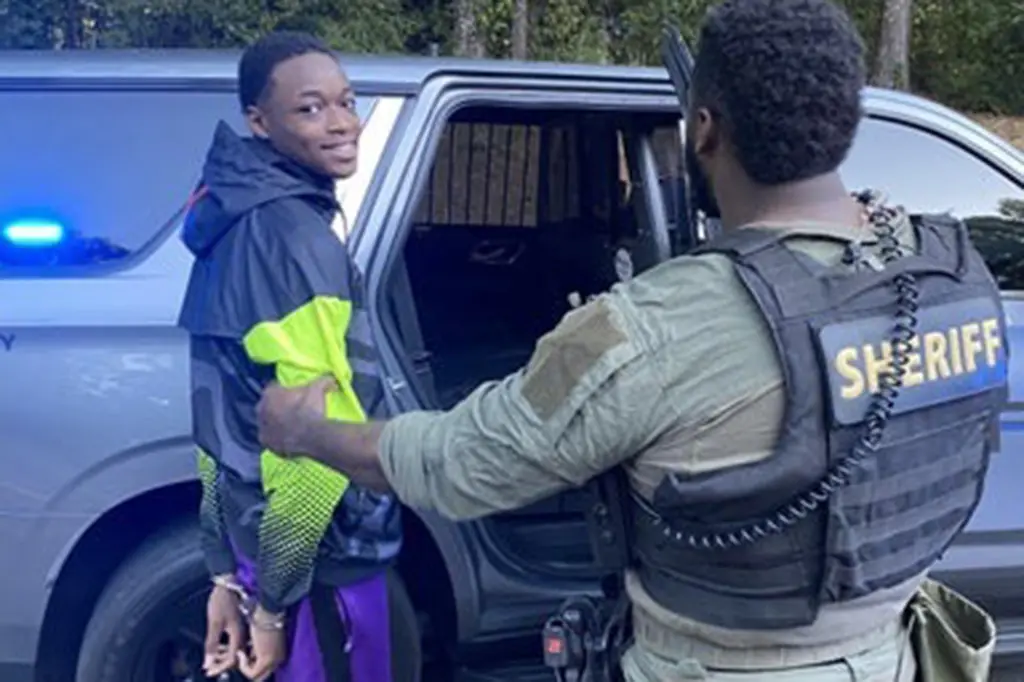
The presence of the modification became a central component of the prosecution’s case, illustrating both the lethality of the firearm and the level of preparation involved. Images from Kendrick’s arrest circulated widely after authorities released them, showing him wearing what officials described as a menacing smirk while being taken into custody. The photographs drew public reaction, though prosecutors focused their arguments on the physical evidence and the sequence of events leading to Dorsey’s death.
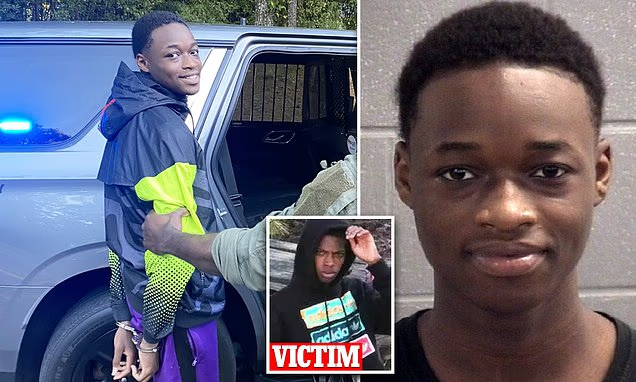
Kendrick was charged with felony murder, meaning the killing occurred during the commission of another felony, as well as three counts under Georgia’s Racketeer Influenced and Corrupt Organizations Act. The RICO charges were based on the state’s assertion that Kendrick’s actions were connected to a broader pattern of criminal activity involving groups aligned with rival gangs, even though Kendrick and Dorsey were both students at the same high school and not confirmed gang members themselves.
At trial, the prosecution presented testimony from witnesses who described the fight and the moment the gun appeared. Ballistics evidence and forensic analysis supported the conclusion that the fatal shots came from Kendrick’s weapon. Investigators also detailed the firearm modification, explaining how the full-auto switch significantly increased the gun’s firing rate and potential for harm in a crowded environment.
The defense challenged aspects of the state’s case, including the interpretation of Kendrick’s associations and intent. However, after reviewing the evidence, the jury returned guilty verdicts on all major counts. The conviction set the stage for a sentencing hearing that would determine Kendrick’s future.
Sentencing, Family Statements, and Community Impact
At the sentencing hearing held more than two years after the shooting, the court imposed a sentence of life in prison without the possibility of parole, plus an additional 85 years. The sentence reflected both the felony murder conviction and the accompanying RICO counts, signaling the court’s assessment of the severity and circumstances of the crime.
Acting District Attorney David Studdard addressed the outcome following the sentencing, stating that his office remained committed to pursuing justice in cases involving violent crime. He expressed hope that the verdict and sentence would provide some measure of closure and comfort to Emmanuel Dorsey’s family, while also reinforcing the message that acts of violence would be met with firm legal consequences.
Emmanuel Dorsey’s mother, Charlotte Williams, spoke publicly after the sentencing, describing the decision as fair. While emphasizing her enduring grief over the loss of her son, she also acknowledged the complexity of her feelings regarding Kendrick. Williams said she felt sympathy for the defendant, noting his young age and the fact that his actions had permanently altered his own life as well as taken that of her child.
At the same time, she stated that removing individuals who carry and use weapons irresponsibly from the streets was necessary for public safety. The case has had a lasting impact on the Griffin and Spalding communities, particularly among students and families connected to the schools involved. It prompted renewed discussions among educators, parents, and local officials about security at school events, the influence of external groups on students, and the accessibility of illegal firearm modifications.
Law enforcement agencies in the region cited the case as an example of the dangers posed by modified weapons and the importance of coordinated efforts to address organized criminal activity. More than two years after a rivalry football game ended in tragedy, the sentencing of Kaomarion Kendrick brought legal finality to the case. For Emmanuel Dorsey’s family, the court’s decision marked a point of resolution within the justice system, even as the absence of their son remains a permanent reality.
Hi there very nice site!! Guy .. Excellent .. Wonderful .. I’ll bookmark your website and take the feeds also…I am satisfied to seek out numerous helpful information here within the submit, we want work out extra strategies in this regard, thanks for sharing.
I have been exploring for a little bit for any high quality articles or blog posts on this sort of area . Exploring in Yahoo I at last stumbled upon this web site. Reading this info So i am happy to convey that I’ve a very good uncanny feeling I discovered exactly what I needed. I most certainly will make certain to do not forget this website and give it a look on a constant basis.