

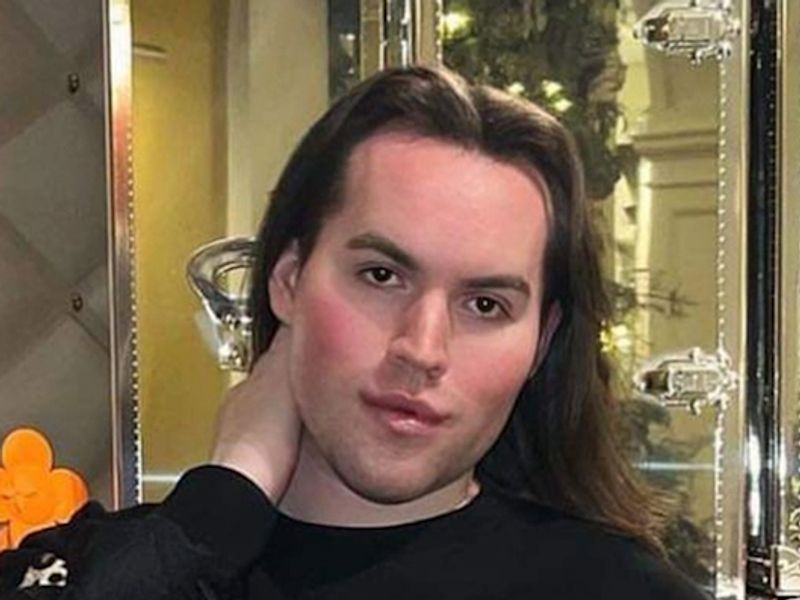
In a stark fall from social media glamour to courtroom reckoning, Jack Watkin, the self-proclaimed “Kardashian of Cheshire,” has been sentenced to six years in prison for orchestrating a sophisticated fraud scheme involving luxury designer handbags. The 26-year-old from Alderley Edge, Cheshire, defrauded six victims out of more than £195,000 between December 2019 and August 2024. Watkin’s elaborate con preyed on the allure of high-end Hermes investments, promising quick profits but delivering nothing but excuses and a trail of luxury indulgences funded by his victims’ money.
Chester Crown Court heard how this former reality TV hopeful maintained a facade of wealth while amassing debts and evading accountability. The case, investigated by Cheshire Constabulary’s Economic Crime Unit, underscores the dangers of online personas and unchecked investment pitches in the digital age. Watkin’s guilty plea came on the second day of his trial in June 2025, where he admitted to six counts of fraud by false representation.
Judge Simon Berkson, in delivering the sentence on October 6, 2025, described Jack Watkin as a man who “used an outward persona of someone who was wealthy and well connected in order to dupe victims with your fraudulent behaviour.” The fraud charges alone carried a four-and-a-half-year term, but Watkin’s sentence was extended by 18 months due to separate convictions for possessing and making nine indecent images of children, including three Category A offences—the most severe category.
He will also serve 10 years on the sex offenders’ register and be subject to a 10-year Sexual Harm Prevention Order. This dual sentencing highlights not only financial deceit but also a hidden layer of criminal depravity uncovered during the probe. The total fraud amount, exceeding £195,000, pales in comparison to the £1.2 million Watkin spent on extravagances from April 2019 to October 2021, despite having no job or legitimate income. He was declared bankrupt in 2021, yet continued his schemes.
Police raids on his Knightsbridge storage unit revealed a hoard of designer clothes and goods, remnants of his ill-gotten gains. As Detective Constable Gareth Yates of Cheshire Police’s Economic Crime Unit noted, “Watkin deceived his victims by befriending them and taking thousands from them, but he was also hiding a depraved secret habit, sickening his victims further after his hideous secret was uncovered when his mobile phones were downloaded by specialist officers.” The case serves as a cautionary tale for aspiring influencers and investors alike, exposing how social media can mask predatory intent.
The Hermes Handbag Hoax: How the Scam Unfolded
At the heart of Kardashian of Cheshire’s fraud was a meticulously crafted ruse centered on Hermes, the French luxury brand renowned for its exclusivity. Hermes Birkin and Kelly bags are not available to just anyone; prospective buyers must be invited to purchase them, often after building a relationship with the brand through significant spending on other items. This scarcity drives resale values sky-high, sometimes doubling or tripling the original price on secondary markets. Watkin exploited this dynamic, positioning himself as an insider with the connections to secure these coveted items at wholesale or below-market rates.
He approached victims—ranging from business owners to personal acquaintances—with promises of lucrative partnerships. Jack Watkin claimed he could source Hermes bags through his elite network, purchase them at a discount, and flip them for profit, splitting the gains 50-50 or better. Victims would front the cash for the initial buy, expecting delivery of the bag or their share of the resale proceeds within weeks. In reality, no bags were ever acquired, and the money vanished into Watkin’s bottomless appetite for opulence. As prosecutor Matthew Kerruish-Jones told the court, Watkin “cooked up the scam, which centred around the high-end French designer brand Hermes and involved promising investors the chance of making a quick profit out of the handbags.”
The scheme ran from late 2019 through mid-2024, ensnaring six victims who handed over sums totaling £195,000. One early mark was an unnamed woman who met Jack Watkin in 2020. He convinced her to invest £50,000 in a supposed Hermes deal, citing his “connections” in the luxury world. When the bag failed to materialize, Watkin strung her along with tales of delays and customs issues. Frustrated, she covered a £140,000 bill for his extended stay at London’s Dorchester Hotel in 2021, believing it was a temporary gesture of goodwill. By 2022, her suspicions peaked; she contacted the Metropolitan Police, triggering the investigation that would unravel Watkin’s empire of lies.
Rich Kids Of Instagram Star Jack Watkin Admits Hermes Bag Scam #instagram #richkid #glamour #kardashian #kardashians #realitytv #luxurybag #scam #thief #fraud #jackwatkins #Hermes pic.twitter.com/EaMO48SjYG
— MILLIONAIRES & BILLIONAIRES PLAYGROUND (@MBplayground) August 7, 2025
Watkin’s pitches were personalized and persuasive. He leveraged his social media presence—where he flaunted private jets, designer wardrobes, and celebrity-adjacent events—to build trust. Victims described meetings in upscale Cheshire cafes or London hotspots, where Watkin’s polished demeanor and tales of family wealth sealed the deals. Bank transfers followed swiftly, often in the tens of thousands. When pressed for returns, Watkin deployed a barrage of excuses: supplier problems, market fluctuations, or urgent personal needs. In one instance, he even borrowed more under the guise of “securing” a deal. The court documents revealed no evidence of any legitimate Hermes transactions tied to Watkin; his “contacts” were fabrications, and the funds fueled his fantasy life rather than any investment.
This handbag hoax wasn’t impulsive but a sustained operation. Watkin targeted individuals already in luxury circles, such as boutique owners familiar with high-end resale. His unemployment status made the scheme’s audacity all the more galling—here was a man with no verifiable income peddling opportunities he couldn’t deliver. The fraud’s sophistication lay in its emotional manipulation; victims weren’t just lenders but “partners” in Watkin’s glittering narrative. As the investigation deepened, Cheshire Police uncovered a pattern of similar complaints bubbling up online, turning isolated grievances into a damning mosaic of deceit.
Victims’ Stories: Betrayal from Friends, Family, and Strangers
No victim felt the sting of Watkin’s betrayal more acutely than those closest to him. His father, Jason Watkin, 56, a longtime supporter, loaned his son £14,000 in 2020 for a purported Hermes flip. Jason believed in Jack’s entrepreneurial spirit, honed from his brief brush with fame. “He was my boy; I wanted to help him succeed,” Jason later told investigators, his trust shattered when the money evaporated without trace. Watkin avoided his father’s calls, then ghosted him entirely, leaving the elder Watkin to grapple with financial strain and familial rupture.
Read : Sinwar’s Wife Seen with $32,000 Hermes Birkin Bag in Gaza Tunnel Hours Before October 7 Attack
Christine Colbert, owner of Dress Cheshire, an exclusive handbag boutique in Prestbury, became another key victim after Watkin spotted her store online in 2021. Posing as a savvy 22-year-old investor—at the time, Watkin was actually 23—he expressed interest in a £32,000 Hermes bag. Colbert, experienced in the trade, was initially wary but swayed by his charm and promises of bulk deals. Over months, she advanced more than £43,800, expecting exclusive access to rare pieces for resale. “I wasn’t expecting a 22-year-old to have that kind of insight,” she recounted in court, her voice laced with regret. When no bags arrived, Colbert scoured social media, uncovering a chorus of similar stories. Her post went viral in local luxury circles, alerting police and galvanizing other victims.
A longtime friend, whose identity was protected, fell victim in 2023, wiring £30,000 after a nostalgic reunion where Watkin reminisced about their shared youth. The friend, a mid-level executive, saw it as a low-risk favor to an old mate down on his luck. Instead, it funded Watkin’s latest spree: a Mediterranean yacht charter and Milan fashion week jaunt. “He was like a brother; I never imagined,” the friend stated in a victim impact statement, detailing the emotional toll of discovering the depth of the lies.
Business victims fared no better. One London-based investor, duped in 2022, lost £40,000 after Watkin pitched a “guaranteed” 30% return on a Birkin acquisition. Another, a Cheshire entrepreneur, handed over £25,000 in 2024, only to receive fabricated invoices and stalled updates. These weren’t faceless corporations but small operators in the luxury resale niche, many already stretched by post-pandemic economics. Collectively, the six victims suffered not just financial hits—totaling over £195,000—but profound breaches of trust. Colbert, speaking outside court post-sentencing, said, “I’m very pleased with the six-year sentence; it won’t bring back the money, but it closes a dark chapter.” Their stories, laid bare in court, painted Watkin not as a flashy influencer but a calculated predator who weaponized relationships for personal gain.
Courtroom Reckoning and Lasting Impact
Chester Crown Court on October 6, 2025, marked the end of Watkin’s charade. Pony-tailed and privately educated, the 26-year-old stood in the dock, his Instagram polish stripped away. Judge Berkson lambasted him for sustaining the fraud even after his 2021 bankruptcy, emphasizing the “breath-taking” scale of his spending: £1.2 million on hotels like the Dorchester, where nights cost up to £3,000, plus holidays, clothes, and gadgets. “You lived a lie,” the judge intoned, concurrent with revelations of Watkin’s child exploitation material offenses. Devices seized during his March 2024 arrest in an Alderley Edge pub car park yielded the images, downloaded even while on bail.
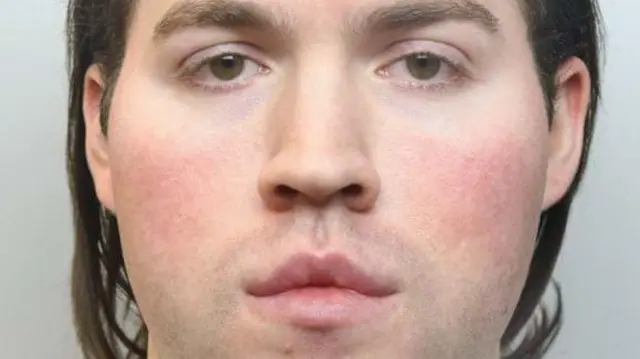
The fraud sentence—four-and-a-half years—ran consecutively with 18 months for the indecent images, totaling six years. Senior Crown Prosecutor Laura Atherton of CPS Mersey-Cheshire called Watkin “a serial liar who funded his luxury lifestyle by defrauding others, including his own father and a long-time friend, of large sums of money over several years.” DC Yates echoed this, praising the victims’ courage in coming forward, which “unearthed a string of victims and a large amount of luxury goods and hotel bills.”
Beyond incarceration, Watkin’s fallout ripples wide. Victims like Colbert have pivoted to advocacy, warning online communities about red flags in investment pitches. Jason Watkin faces ongoing recovery efforts, while the friend’s circle has fractured. For law enforcement, the case bolsters tools against digital fraud; Cheshire Police’s unit now cross-references social media claims with financial trails more rigorously. Watkin’s 2016 Channel 4 appearance in “Rich Kids of Instagram”—where he boasted of his family’s “British Kardashian” status—now reads as ironic foreshadowing.
This sentencing isn’t just punishment; it’s a deterrent in an era where influencers peddle dreams for dollars. As Judge Berkson noted, Watkin’s “interest in viewing the most vile indecent images of children” compounded his crimes, ensuring a lifetime of scrutiny post-release. For Cheshire’s affluent enclaves, the “Kardashian” moniker sours into a synonym for caution. The fraud’s £200,000 toll—rounded up in media tallies—remains a fraction of the human cost: shattered trusts, emptied accounts, and a young man’s squandered potential behind bars.