
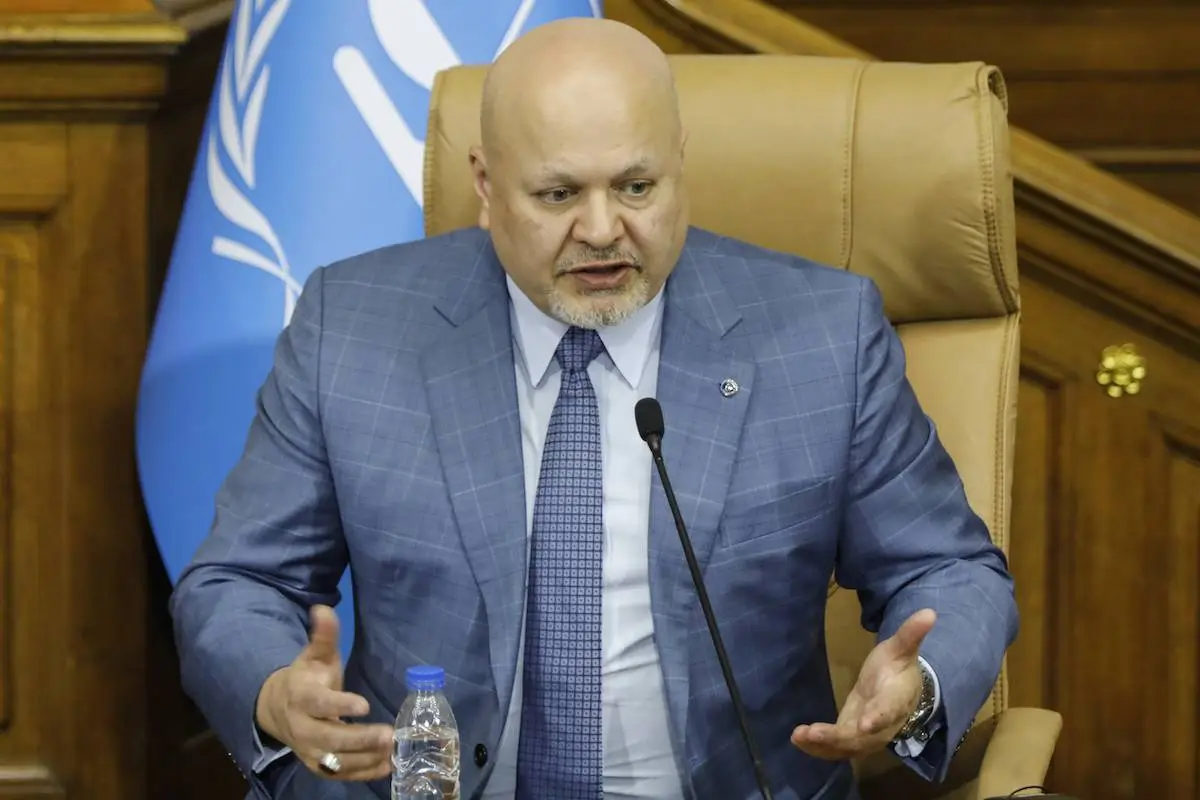
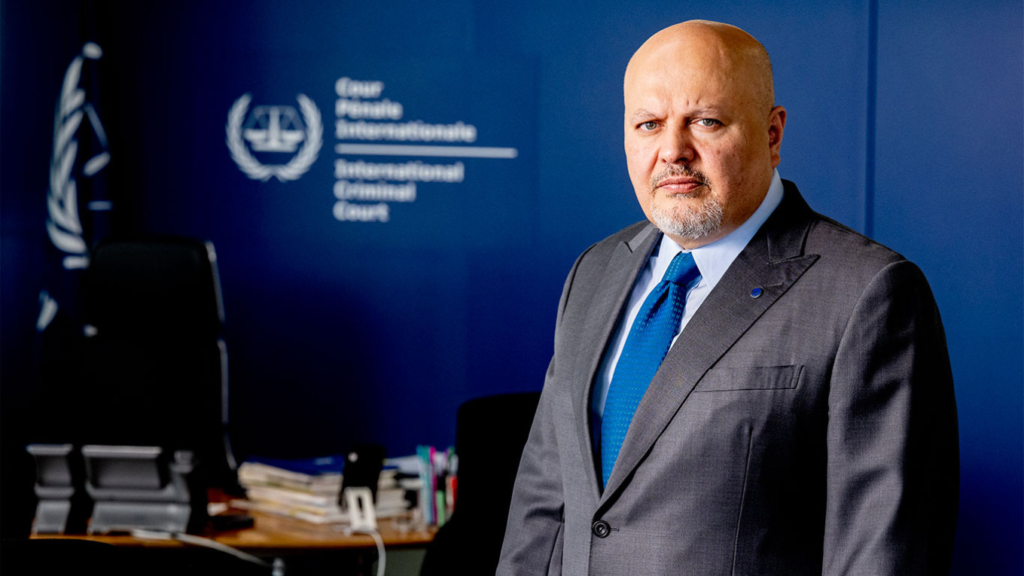
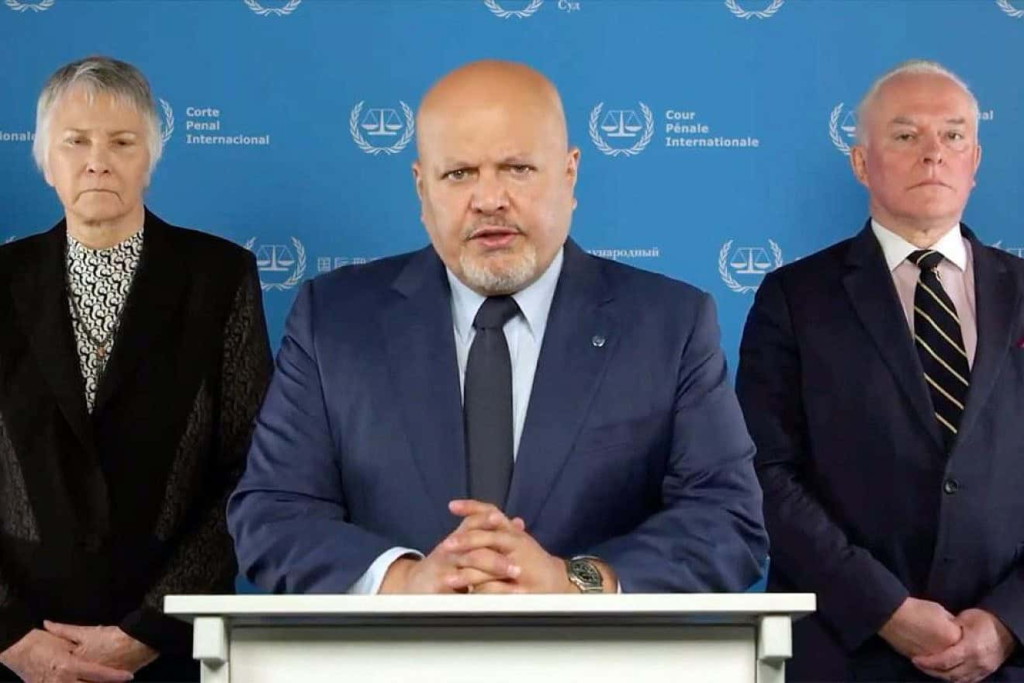
The International Criminal Court (ICC) has once again found itself at the center of a political storm after its prosecutor, Karim Khan, became the first individual to be subjected to travel and economic sanctions by the United States.
The sanctions, authorized by former US President Donald Trump, are a direct response to the ICC’s investigations into US citizens and its allies.
The move has drawn significant international condemnation, with the ICC and human rights organizations denouncing the targeting of its officials for fulfilling their judicial responsibilities.
The development also reignites debates over the US’s long-standing opposition to the ICC and its refusal to recognize the court’s authority over its nationals.
Trump’s Sanctions and Their Impact on Karim Khan
On February 10, 2025, an executive order signed by former US President Donald Trump officially revealed the inclusion of Karim Khan’s name in an annex listing individuals subjected to sanctions.
The sanctions include travel restrictions preventing Khan and his family from entering the US, as well as economic penalties that freeze any of his US-based assets. These measures represent an unprecedented escalation in the US’s opposition to the ICC, which has been a longstanding point of contention between Washington and the international legal body.
Khan, a British national, has been serving as the ICC’s chief prosecutor since 2021. His office has been responsible for investigating a range of international cases, including alleged war crimes committed by US troops and their allies.
The sanctions imposed on him are widely viewed as an effort to deter the court from pursuing cases against American personnel and officials.
Read : Giorgia Meloni under Investigation for Releasing Libyan Police Officer Wanted by ICC
This move follows a series of aggressive actions by the Trump administration against the ICC, including the previous sanctions imposed on former ICC prosecutor Fatou Bensouda in 2020, which were later lifted by the Biden administration in 2021.
In response to the sanctions, the ICC issued a strongly worded statement condemning the US’s actions. The court emphasized its commitment to upholding international justice and ensuring accountability for crimes against humanity.
The ICC also reaffirmed its support for Khan and pledged to continue its investigations without political interference. Human rights groups, including Amnesty International and Human Rights Watch, have also criticized the US for undermining the rule of law and targeting judicial officials for their professional duties.
The US’s Ongoing Battle with the ICC
The US has had a complicated relationship with the ICC since its inception in 2002. Although Washington played a significant role in the negotiations that led to the establishment of the court, it ultimately chose not to ratify the Rome Statute, the treaty that created the ICC.
Successive US administrations have expressed concerns that the court could be used as a political tool against American service members and officials. The Trump administration took this opposition to new heights by implementing direct sanctions against ICC officials and aggressively challenging the court’s legitimacy.
One of the key triggers for the latest round of sanctions was the ICC’s decision to issue arrest warrants against Israeli Prime Minister Benjamin Netanyahu and former Defense Minister Yoav Gallant.
The court accused the two leaders of committing war crimes and crimes against humanity in relation to Israel’s military operations in Gaza. Trump, a staunch ally of Netanyahu, denounced the ICC’s move as an act of political persecution against Israel. He accused the court of exceeding its jurisdiction and “abusing its power” to target US allies.
Trump’s approach to the ICC aligns with his broader foreign policy stance, which prioritized national sovereignty over multilateral institutions. Throughout his presidency, he withdrew the US from several international agreements and organizations, including the Paris Climate Accord and the Iran Nuclear Deal.
His administration also repeatedly criticized international bodies such as the United Nations and the World Health Organization, arguing that they were biased against the US and its allies.
Despite Trump’s departure from office, his legacy continues to shape US foreign policy. The latest sanctions against Karim Khan highlight the enduring hostility between Washington and the ICC.
While the Biden administration had previously reversed some of Trump’s measures against the court, it has faced pressure from pro-Israel and conservative groups to take a tougher stance following the ICC’s actions against Netanyahu.
This has reignited discussions about whether the US should adopt a more confrontational approach toward the court or seek diplomatic engagement to address its concerns.
Implications for International Justice and the ICC’s Future
The US’s actions against Karim Khan raise serious questions about the independence and effectiveness of the ICC. The court was established with the goal of holding perpetrators of genocide, war crimes, and crimes against humanity accountable, regardless of their nationality or political status. However, repeated attempts by powerful nations to undermine the ICC’s authority have hindered its ability to fulfill its mandate.
One of the biggest challenges facing the ICC is the lack of universal jurisdiction. Many major powers, including the US, China, and Russia, have refused to join the court, citing concerns about sovereignty and potential political bias.
As a result, the ICC has often faced accusations of selectively targeting leaders from smaller nations while being unable to hold the world’s most powerful figures accountable. The US’s imposition of sanctions on ICC officials further complicates the court’s ability to function effectively and may deter other prosecutors from pursuing cases against powerful states.
In addition to the legal and political implications, the sanctions against Khan could also have a chilling effect on international justice efforts.
If prosecutors and judges fear personal repercussions for carrying out their duties, they may be less willing to pursue cases involving influential governments. This could embolden perpetrators of atrocities and weaken global accountability mechanisms.
Despite these challenges, the ICC remains an important institution for victims of human rights abuses seeking justice. The court has made significant strides in prosecuting war criminals and holding governments accountable for atrocities committed under their watch.
Its work in cases involving Sudan, the Democratic Republic of Congo, and the former Yugoslavia has demonstrated the potential of international law to address grave injustices. However, for the ICC to be truly effective, it needs greater international support and cooperation.
Looking ahead, the future of the ICC will depend on how it navigates the ongoing political pressures from powerful nations. The court must continue to assert its independence and resist attempts to undermine its authority.
At the same time, it will need to engage with states diplomatically to address concerns about jurisdiction and fairness. The international community also has a crucial role to play in defending the court’s legitimacy and ensuring that justice is not compromised by political interests.
In conclusion, the US sanctions against Karim Khan mark a significant escalation in the long-running tensions between Washington and the ICC. By targeting the court’s chief prosecutor, the US has sent a clear message that it will not tolerate investigations into its actions or those of its allies.
While the ICC and human rights organizations have condemned the move, the incident underscores the broader challenges facing international justice. The ability of the ICC to hold perpetrators accountable will ultimately depend on whether the international community is willing to stand by it and uphold the principles of justice and accountability.
As the world watches this unfolding standoff, the future of the ICC remains uncertain, but its mission to deliver justice remains more vital than ever.