
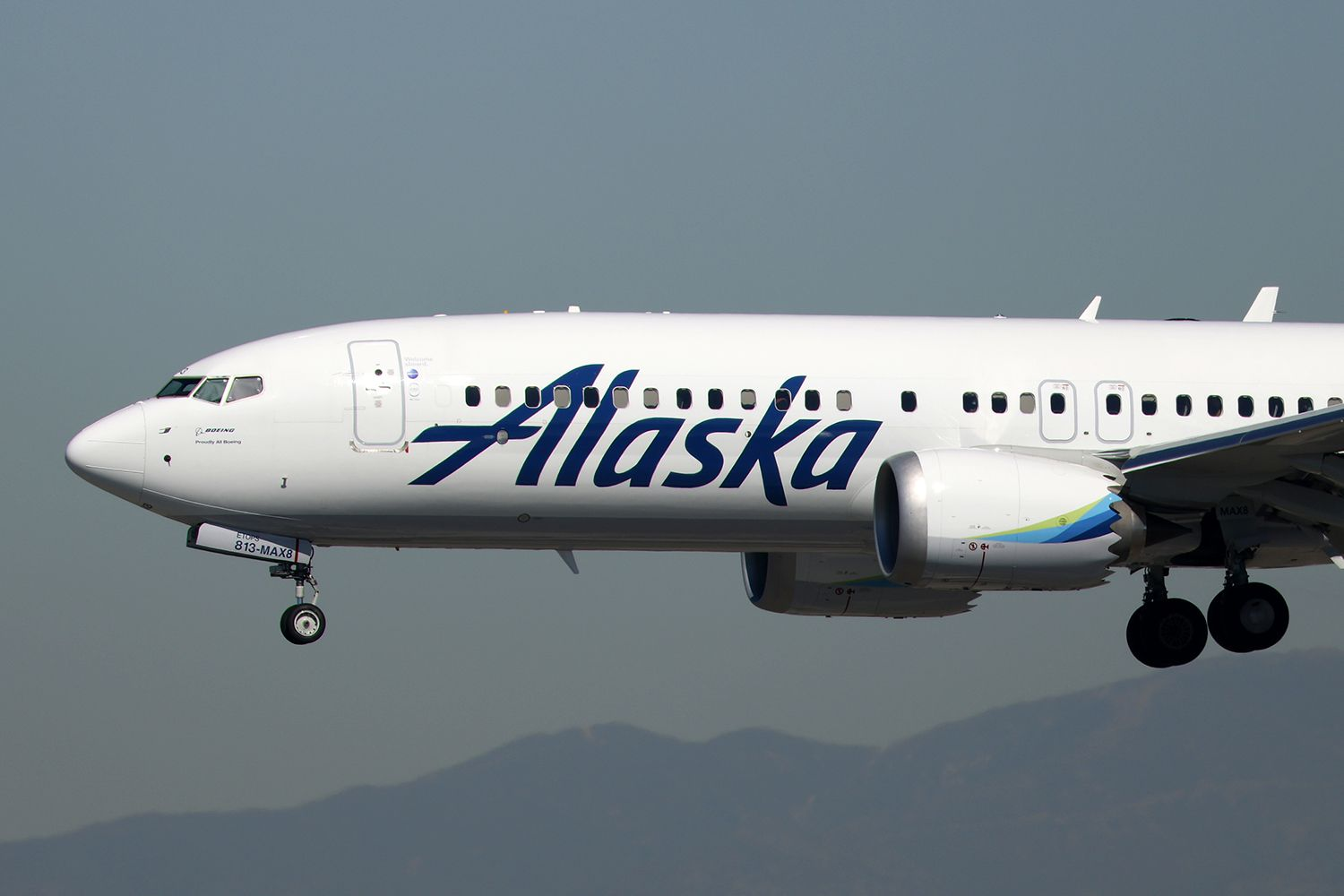
An Alaska Airlines flight from Prudhoe Bay to Anchorage turned into a frightening ordeal when a passenger allegedly attempted to open the aircraft’s cabin door while the plane was climbing through 18,000 feet. Federal authorities say Kassian William Fredericks, a 36-year-old resident of Wasilla, caused widespread panic among passengers and crew after repeatedly shouting that the aircraft’s wings had disappeared and that everyone on board was going to die.
The incident, which occurred on December 10 aboard Alaska Airlines Flight 87, has resulted in Kassian William Fredericks being charged with a federal felony and banned from flying with the carrier, underscoring ongoing concerns about passenger safety, substance abuse, and mental health crises in the confined and high-risk environment of commercial aviation.
The episode unfolded shortly after takeoff from Deadhorse, a remote hub serving Alaska’s North Slope oil fields. According to an FBI probable cause affidavit, Kassian William Fredericks’ behavior rapidly escalated from unsettling to dangerous, prompting intervention by fellow passengers, flight attendants, and ultimately federal law enforcement. While no one was physically injured, authorities say the situation could have ended far worse if not for the quick actions of those on board.
Erratic Behavior and Escalation at 18,000 Feet
Court records paint a picture of a man in severe distress long before he reached the aircraft’s rear cabin door. Fellow passengers reported that Kassian William Fredericks was visibly agitated, repeatedly telling people nearby to “stop the plane” while looking toward the back of the aircraft. When asked whether he was okay, he reportedly responded with alarming claims that invisible individuals were flying the plane and attempting to take it over. These assertions, according to investigators, appeared to fuel his growing panic and sense of imminent danger.
As the flight attendants continued their duties, Kassian William Fredericks’ statements became increasingly bizarre. Witnesses told authorities that he insisted the aircraft’s wings had vanished and that death was unavoidable. He also claimed that methamphetamine was coming out of the air vents and that everyone on board was “freaking out,” despite assurances from a flight attendant that the situation was under control and that other passengers were calm. At one point, Fredericks requested two shots of vodka, a request that was denied by the crew.
Several passengers noted that Kassian William Fredericks appeared twitchy and disoriented. One initially wondered whether he might have a neurological condition, but later concluded that he seemed to be under the influence of drugs or alcohol. This impression was reinforced when a nearby passenger observed Fredericks place a pill into his mouth and wash it down with Gatorade he had brought onboard. Rather than calming him, however, his condition appeared to deteriorate further.
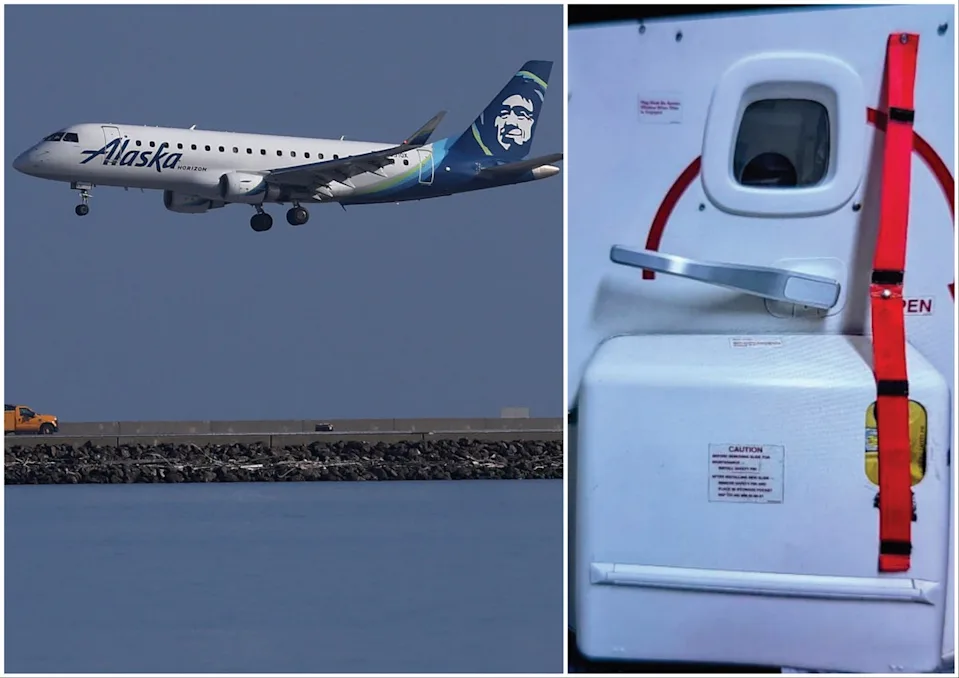
The most critical moment came when Kassian William Fredericks moved toward the rear of the plane and began aggressively manipulating the cabin door. According to the affidavit, a passenger exiting the lavatory saw Fredericks lifting the arm of the door mechanism and immediately intervened. The passenger grabbed Fredericks and shouted for help, prompting two other men to rush over. Together, the three passengers wrestled Fredericks away from the door and forced him back into his seat, struggling to restrain him due to what they described as his unusual strength.
Read : The Startling Phenomenon: Dozens of Rivers in Alaska Turning Yellow
At nearly the same time, the cockpit received a warning alert indicating that someone was attempting to open a cabin door. While modern aircraft are designed so that doors cannot be opened mid-flight due to pressurization, the crew was deeply concerned that continued manipulation could trigger the emergency slide to deploy inside the cabin. Such a deployment, the affidavit notes, could have caused serious injuries to nearby passengers and to Fredericks himself.
Passenger Intervention and Crew Response
The situation placed both passengers and crew in an extremely difficult position. Flight attendants considered restraining Kassian William Fredericks with zip ties but ultimately decided against it, fearing that additional restraint could escalate his agitation. Instead, the three male passengers continued to pin him in his seat, effectively acting as volunteer minders for the remainder of the flight.
While being held down, Kassian William Fredericks reportedly continued to struggle and made increasingly alarming statements. He told those restraining him that he was hearing voices, that he needed to escape, and that unseen forces were poking him. At one point, he began shaking and said he believed he was overdosing. A crew member briefly feared that Fredericks might have fashioned a weapon from a soda can, though it later turned out to be a pack of cigarettes resting in his lap.
Kassian William Fredericks also asked to call his mother and sought advice on how to break one of the aircraft’s windows, further heightening the sense of danger. Although investigators later noted that he did not physically attack anyone, the flight crew told authorities that his erratic and unpredictable behavior made them fear for the safety of everyone on board.
The captain classified Kassian William Fredericks as a Level 2 threat, a designation used for passengers who are physically abusive or require direct crew intervention. The pilot considered diverting the flight to Fairbanks but ultimately decided to continue to Anchorage, which was less than 20 minutes away at that point. According to the affidavit, Fredericks was not vomiting or losing consciousness, and the situation, while serious, appeared to be contained by the passengers restraining him.
Ground controllers were notified, and the Anchorage Airport Police Department was alerted ahead of landing. Given that the incident occurred in the air, the FBI was brought in due to its jurisdiction over in-flight crimes. When the plane landed at Ted Stevens Anchorage International Airport, Fredericks reportedly apologized to the crew and appeared calmer as he was escorted off the aircraft.
Federal Charges, Alcohol Claims, and Broader Implications
Following his removal from the plane, Fredericks was transported by the Anchorage Fire Department to a local hospital for observation. There, according to the affidavit, an officer overheard him telling medical staff that he had been drinking heavily for nine to ten days and was experiencing visual and auditory hallucinations. Fredericks also claimed that he could not remember the previous two years of his life. Investigators noted that he was taking prescription medication for anxiety, raising questions about the interaction between alcohol, medication, and his mental state at the time of the incident.
Read : Scots Trio Reunites After 40 Years to Complete Missing Leg of 1985 Chile-to-Alaska Charity Cycle
Public records indicate that Fredericks has two prior misdemeanor DUI convictions dating back to 2007 and 2009. On December 14, four days after the flight, he was arrested and charged with one count of interference with flight crew members, a federal felony that carries a maximum penalty of 20 years in prison if convicted. His court-appointed attorney emphasized that Fredericks is presumed innocent, as with any individual accused of a crime.
Alaska Airlines confirmed that Fredericks has been banned from flying with the carrier. In a statement, the airline thanked its crew for their professionalism and apologized to passengers for the distress caused by the incident. The company declined further comment on the case.
The Fredericks case is part of a troubling pattern of in-flight disturbances involving attempts to open cabin doors. Authorities have repeatedly emphasized that while opening a door mid-flight is physically impossible on pressurized commercial aircraft, the actions can still create serious risks, particularly if emergency systems are inadvertently activated. Recent years have seen several high-profile cases involving passengers who attempted similar actions, sometimes accompanied by assaults on crew members.
These incidents have renewed attention on the challenges airlines face in managing intoxicated or mentally unstable passengers. The confined space of an aircraft, combined with altitude, alcohol consumption, and underlying mental health issues, can exacerbate crises with potentially catastrophic consequences. While airlines enforce policies limiting alcohol service and empowering crews to deny boarding to visibly impaired individuals, cases like this highlight the limitations of those measures once a flight is underway.
For passengers aboard Flight 87, the presence of physically capable individuals willing to intervene likely prevented a far worse outcome. One witness later remarked that if there had not been several North Slope oil workers on board, people accustomed to physically demanding work and able to restrain Fredericks, the situation could have escalated beyond control. That observation underscores the reliance, at times, on passengers themselves to assist in maintaining safety when emergencies arise in the air.
As Fredericks awaits further legal proceedings, the case serves as a stark reminder of the vulnerabilities inherent in air travel and the importance of vigilance, training, and coordinated response among crew, passengers, and law enforcement. It also raises difficult questions about how best to identify and manage individuals experiencing severe substance-induced or mental health crises before they reach a point where dozens or even hundreds of lives could be placed at risk inside a sealed aircraft traveling miles above the ground.